Bali Wildlife
Every Spices Matter


Ricaniidae is a family of planthoppers within the superfamily Fulgoroidea (infraorder Fulgoromorpha), comprising insects that are primarily associated with shrubs, trees, and herbaceous plants. Members of this family are generally small to medium-sized and are most commonly found in tropical and subtropical regions, particularly in Asia, Africa, and parts of Oceania.
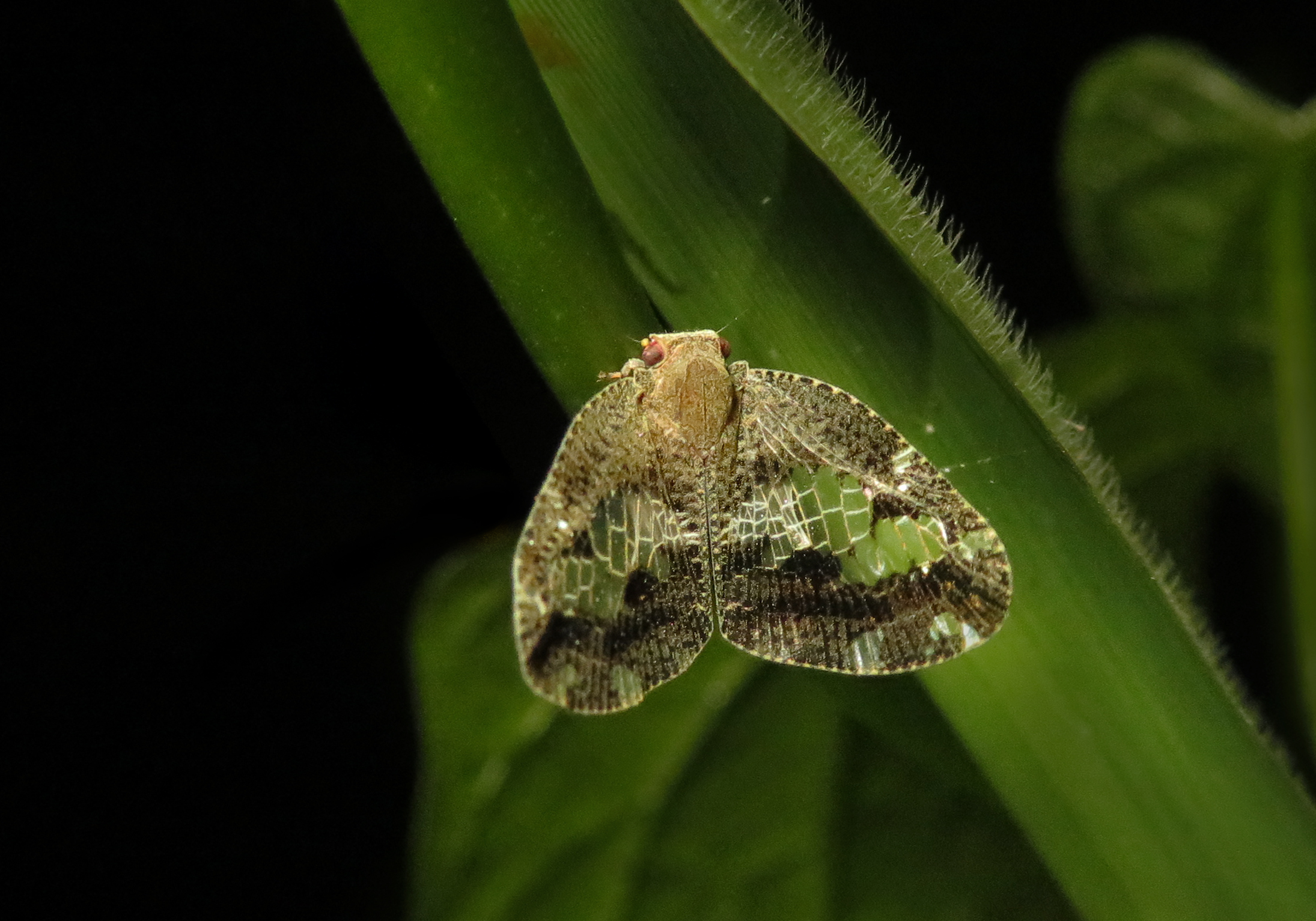
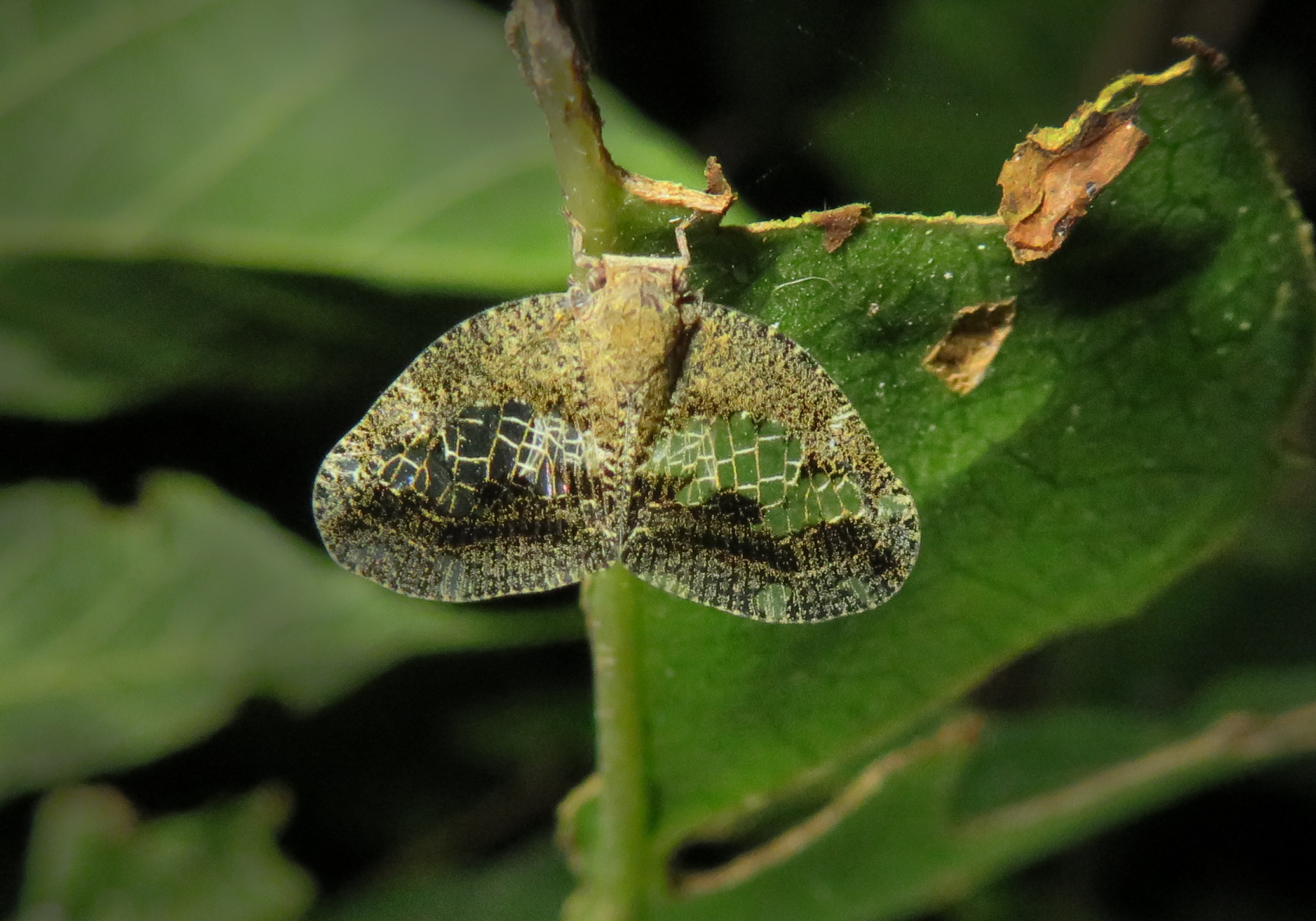
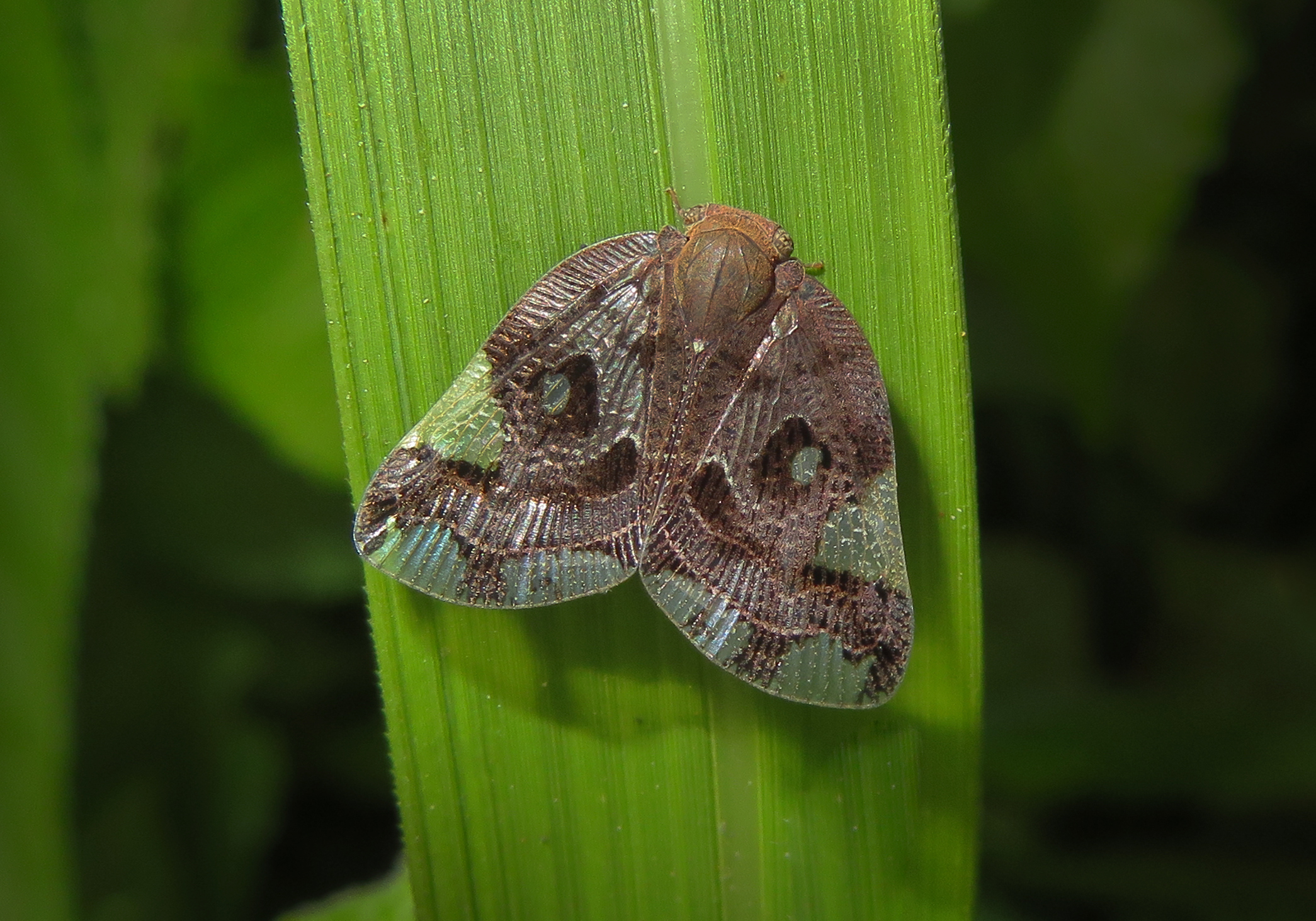
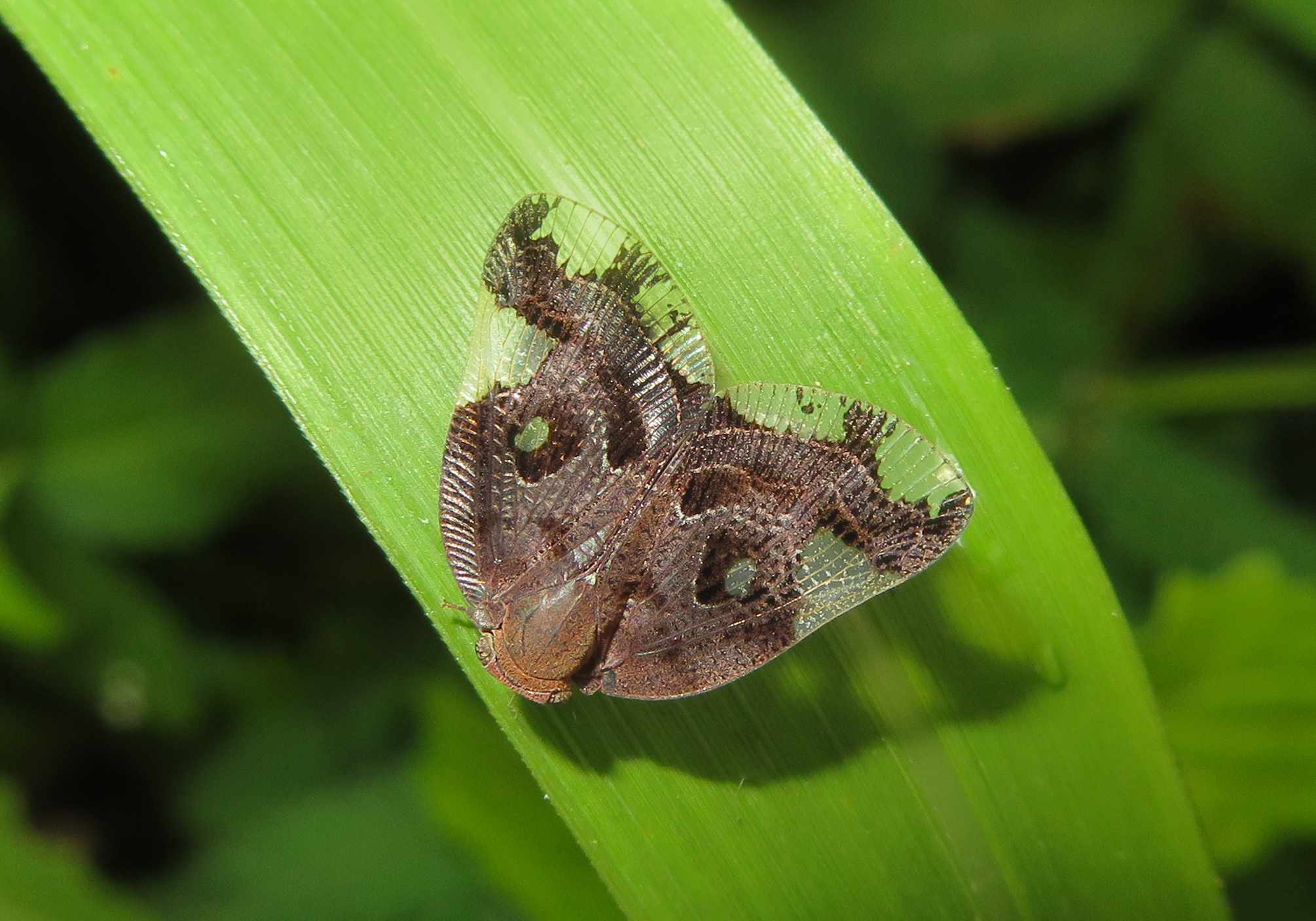
Ricaniid planthoppers are characterized by their often broad, triangular to rounded forewings, which are usually held roof-like over the body at rest. The wings may be translucent or opaque and are frequently marked with contrasting spots, bands, or reticulate patterns that provide camouflage among foliage. The head is typically short, with compound eyes and short, bristle-like antennae inserted below the eyes. Like other fulgoroids, they possess piercing–sucking mouthparts adapted for feeding on phloem sap.
Development in Ricaniidae is hemimetabolous, progressing through egg, nymph, and adult stages. Nymphs often differ markedly from adults in appearance and commonly produce waxy secretions from abdominal glands, forming filaments or coatings that help protect them from predators and environmental stress. Both nymphs and adults usually feed on the same host plants.
Ecologically, Ricaniidae function as herbivores within plant communities and serve as prey for various predators. Some species are of economic importance, as heavy infestations can weaken host plants through sap feeding, and a few species have been implicated as potential vectors of plant pathogens. The family Ricaniidae is notable for its distinctive wing shapes and patterns, contributing to the morphological diversity of planthoppers within Fulgoroidea.