Bali Wildlife
Every Spices Matter


Rhynchodemini is a tribe of terrestrial planarians within the subfamily Rhynchodeminae, family Geoplanidae, superfamily Geoplanoidea, order Tricladida, belonging to the subphylum Rhabditophora of the phylum Platyhelminthes.
Members of Rhynchodemini are land-dwelling flatworms distributed across tropical, subtropical, and temperate regions worldwide. They typically inhabit moist terrestrial environments such as forests, gardens, agricultural fields, and leaf litter, where stable humidity is essential for survival.
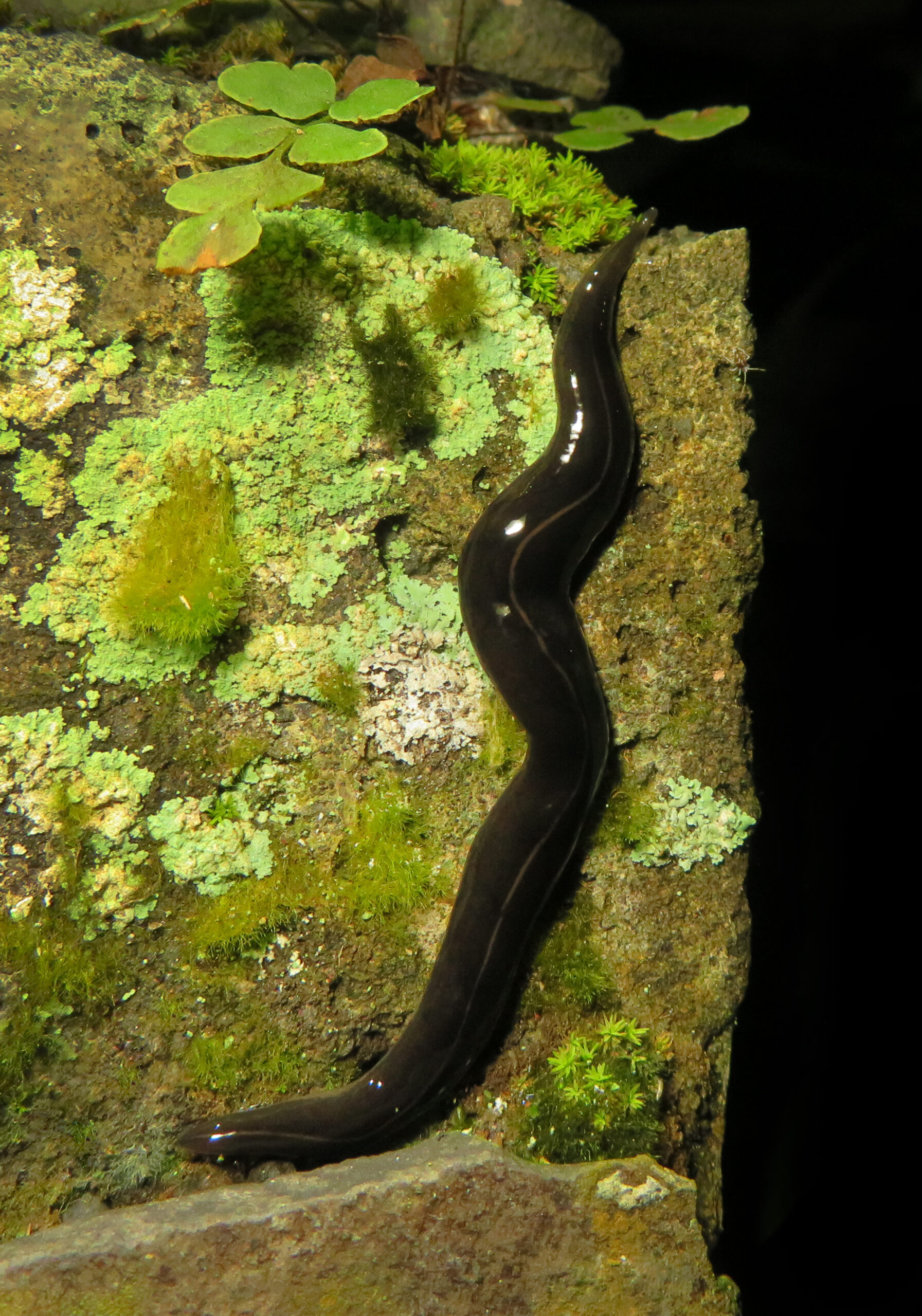
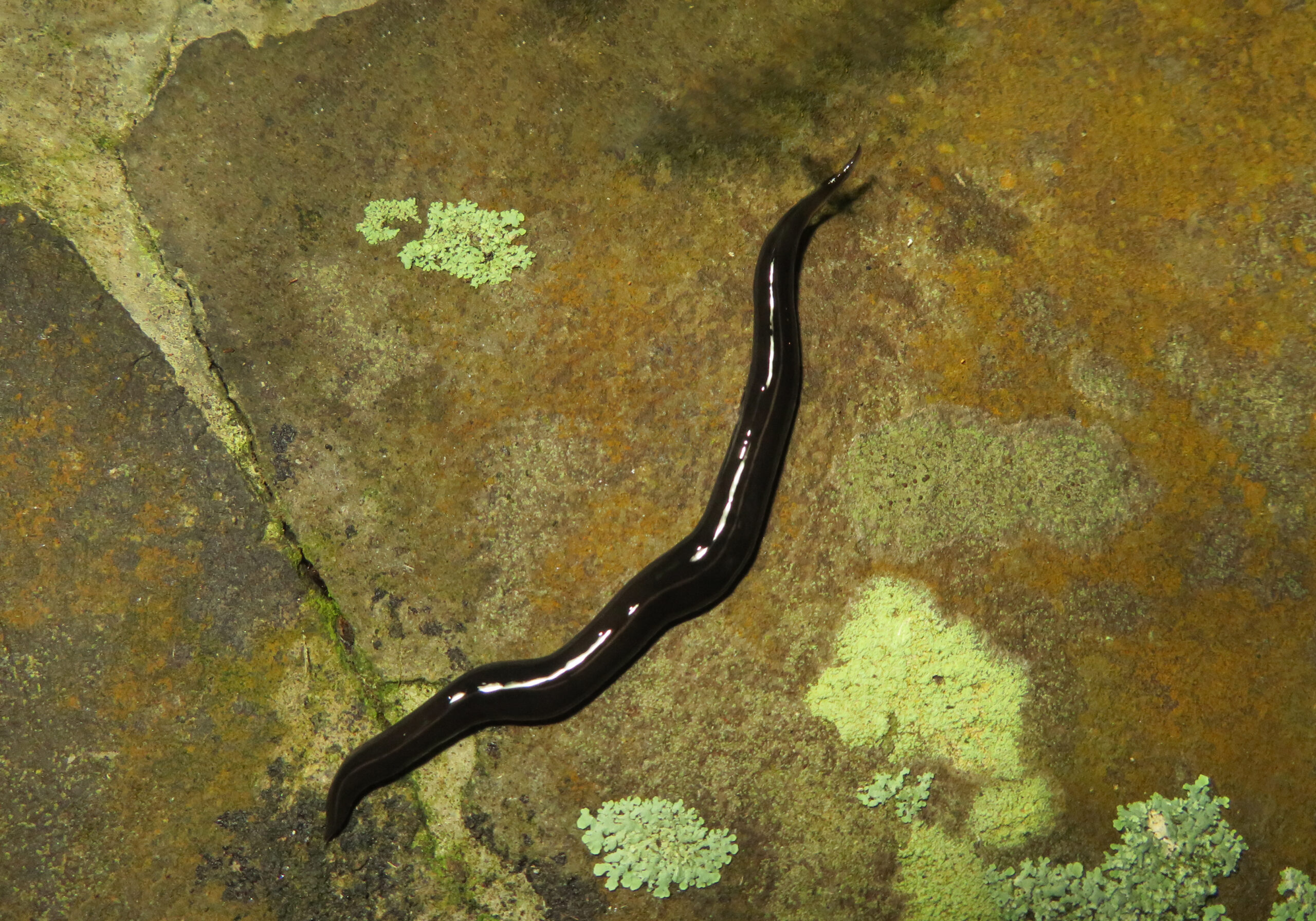
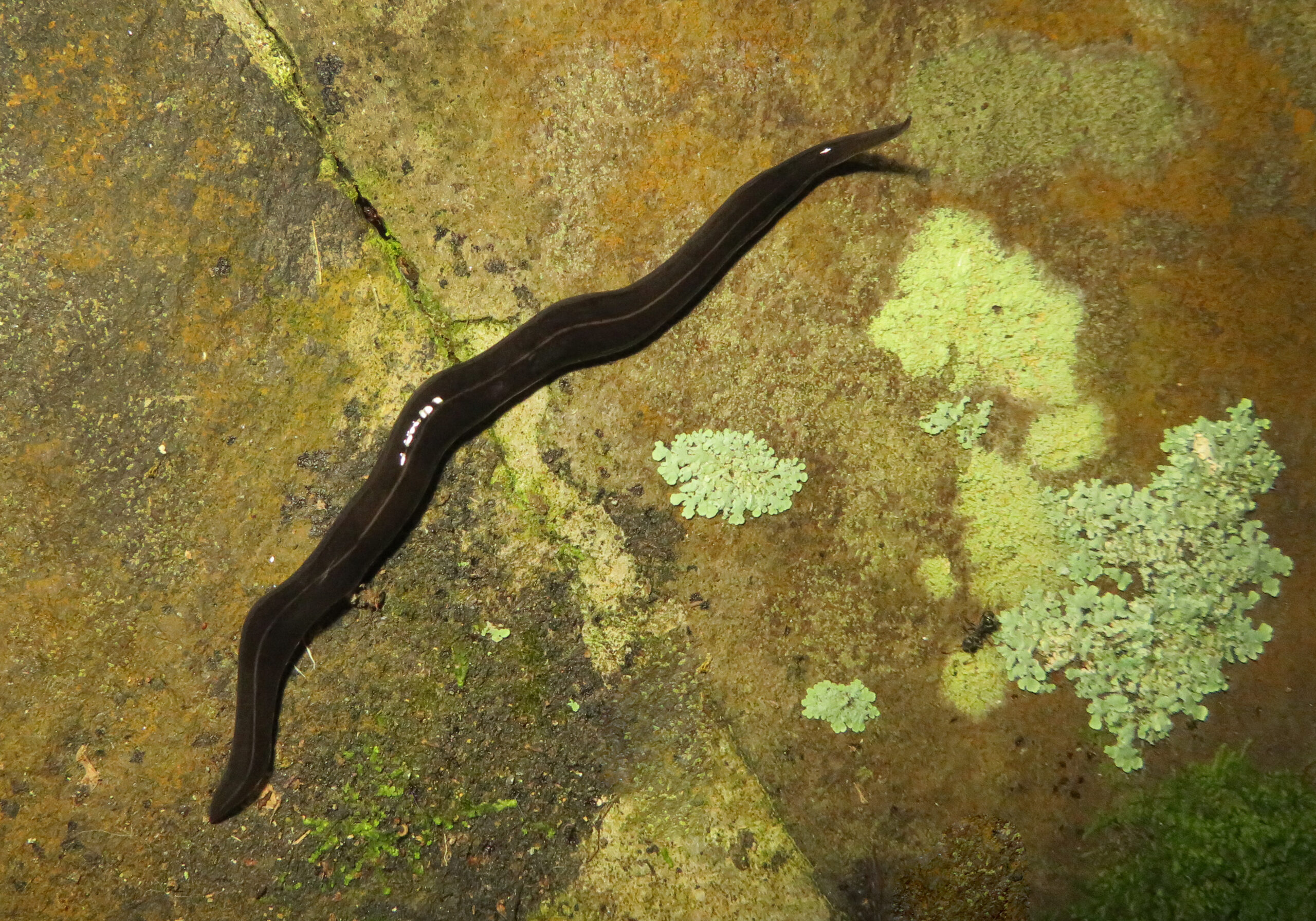
Species within this tribe generally have elongated, slender bodies with a well-defined creeping sole on the ventral side. The head is usually rounded or slightly tapered, and the eyes are commonly arranged along the anterior margin or lateral edges of the body. Coloration ranges from uniform brown, gray, or black to patterned forms with longitudinal stripes.
Like other triclads, Rhynchodemini possess a three-branched intestine and lack specialized respiratory and circulatory systems, relying on diffusion for gas exchange. They are active predators that feed mainly on small soil invertebrates, including earthworms, slugs, snails, and insect larvae. Some species are known to spread through human-mediated transport and may become invasive in new regions.
Reproduction is primarily sexual, with most species being hermaphroditic and possessing complex reproductive structures that are important in taxonomic identification. In certain cases, asexual reproduction through fragmentation may also occur. Ecologically, Rhynchodemini play a role in regulating soil invertebrate communities.