Bali Wildlife
Every Spices Matter


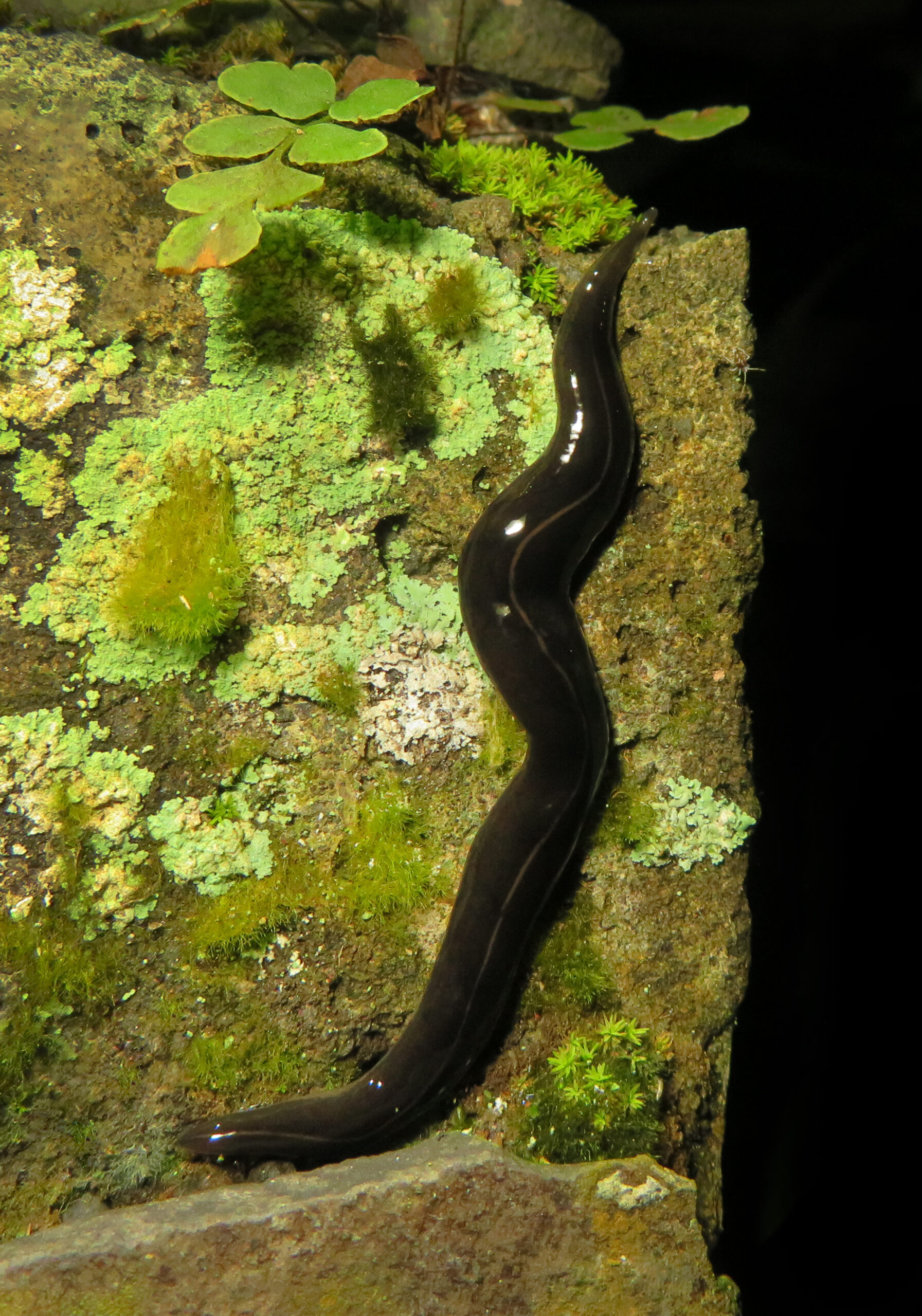
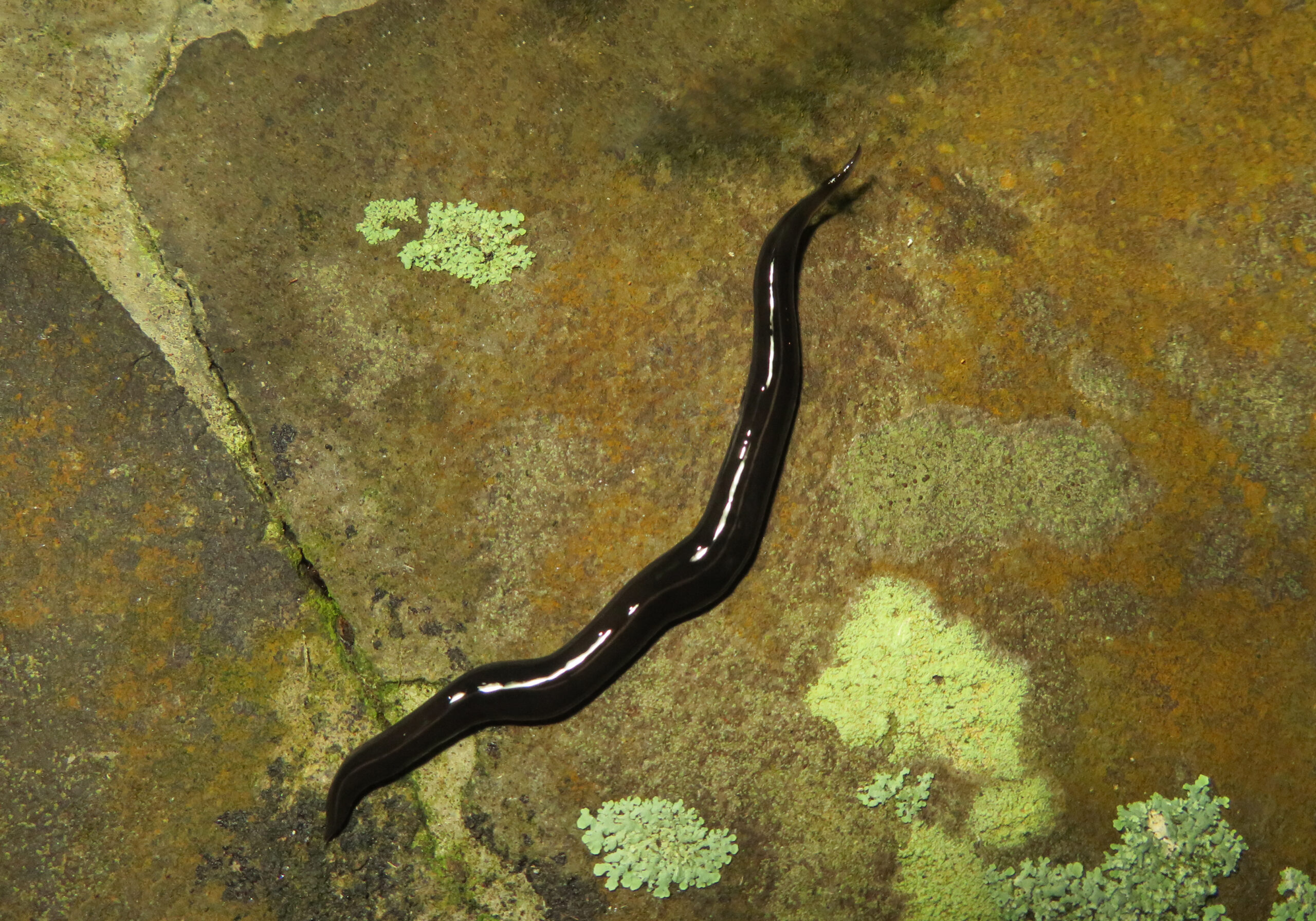
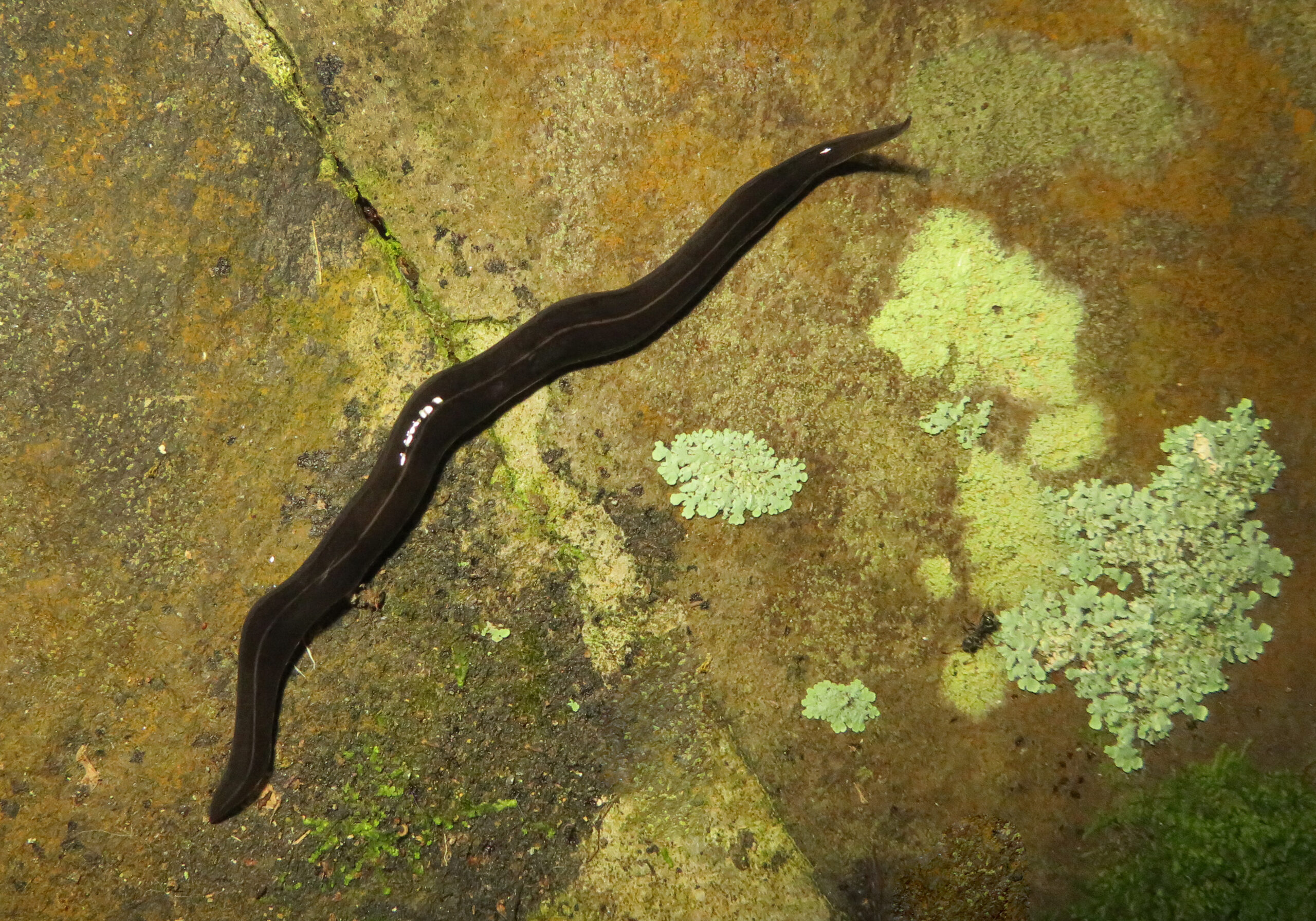
Rhynchodeminae is a subfamily of terrestrial planarians within the family Geoplanidae, superfamily Geoplanoidea, order Tricladida, belonging to the subphylum Rhabditophora of the phylum Platyhelminthes.
Members of Rhynchodeminae are terrestrial flatworms widely distributed in tropical, subtropical, and some temperate regions. They inhabit moist terrestrial environments such as forest floors, gardens, agricultural lands, and leaf litter, where humidity is sufficient to prevent desiccation.
Morphologically, species of this subfamily typically have elongated, slender bodies with a distinct creeping sole on the ventral surface. The head is usually rounded or slightly expanded rather than broadly triangular, and the eyes are often arranged along the anterior margin or lateral edges. Coloration varies widely among species, ranging from dull brown or gray to brightly patterned forms.
Like other land planarians, Rhynchodeminae possess a three-branched intestine and lack specialized circulatory and respiratory systems. They are carnivorous predators, feeding primarily on small soil invertebrates such as earthworms, slugs, and insect larvae. Some species have become invasive when introduced outside their native range and may affect native soil fauna.
Reproduction is mainly sexual, with individuals being hermaphroditic and having well-developed copulatory structures important for species identification. In certain species, asexual reproduction through fragmentation may also occur. Ecologically, Rhynchodeminae contribute to the regulation of invertebrate populations within soil ecosystems.