Bali Wildlife
Every Spices Matter


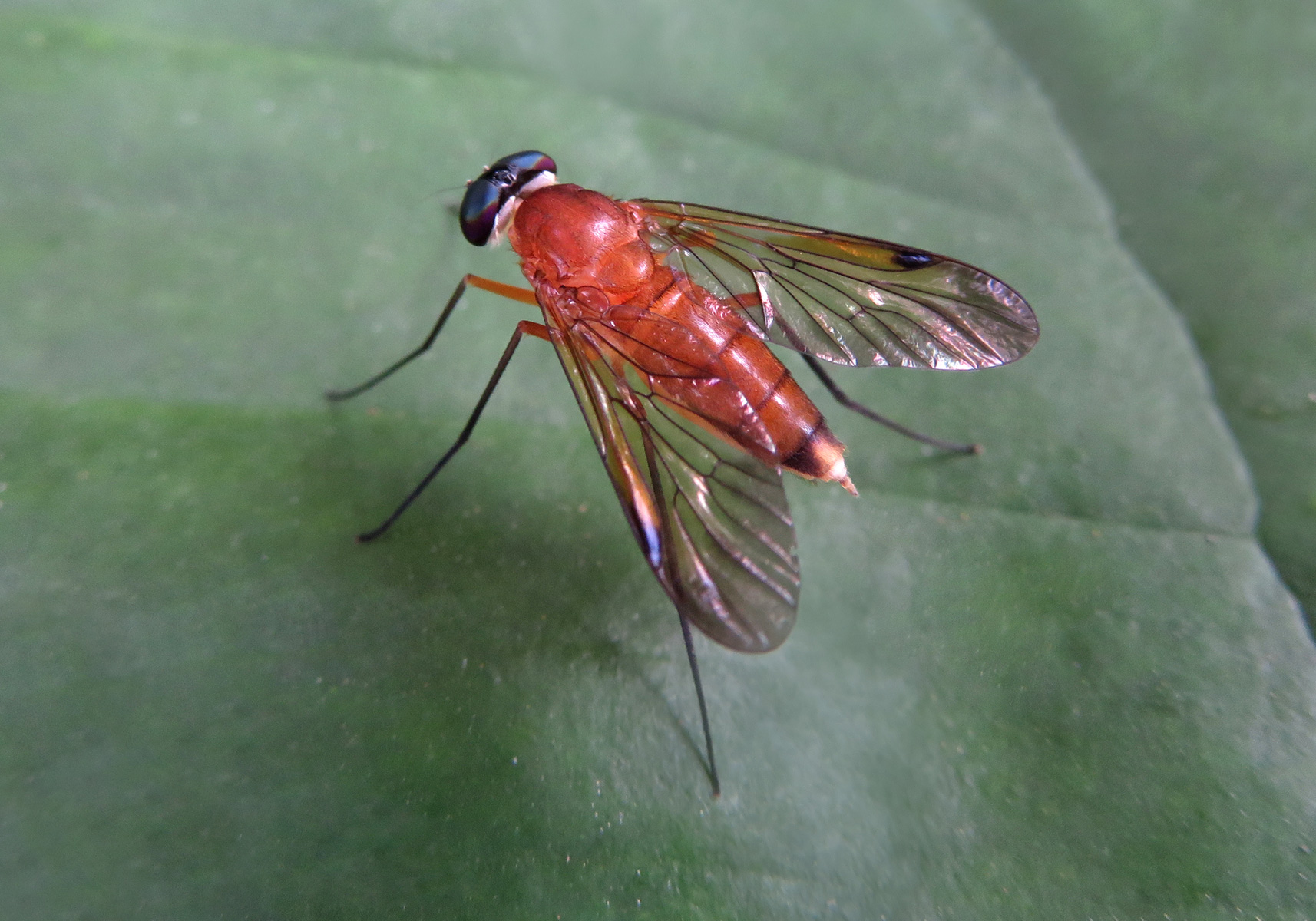
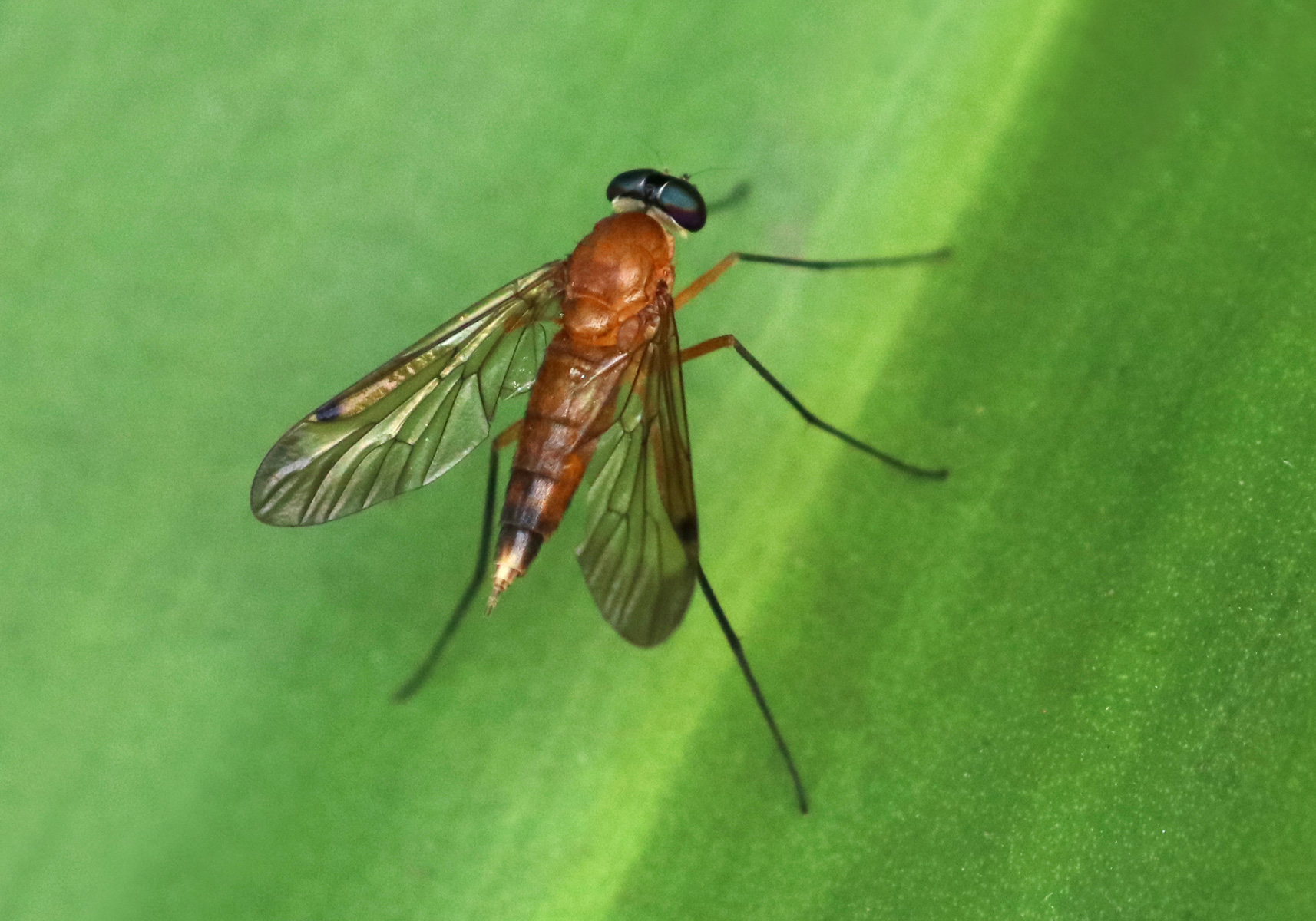
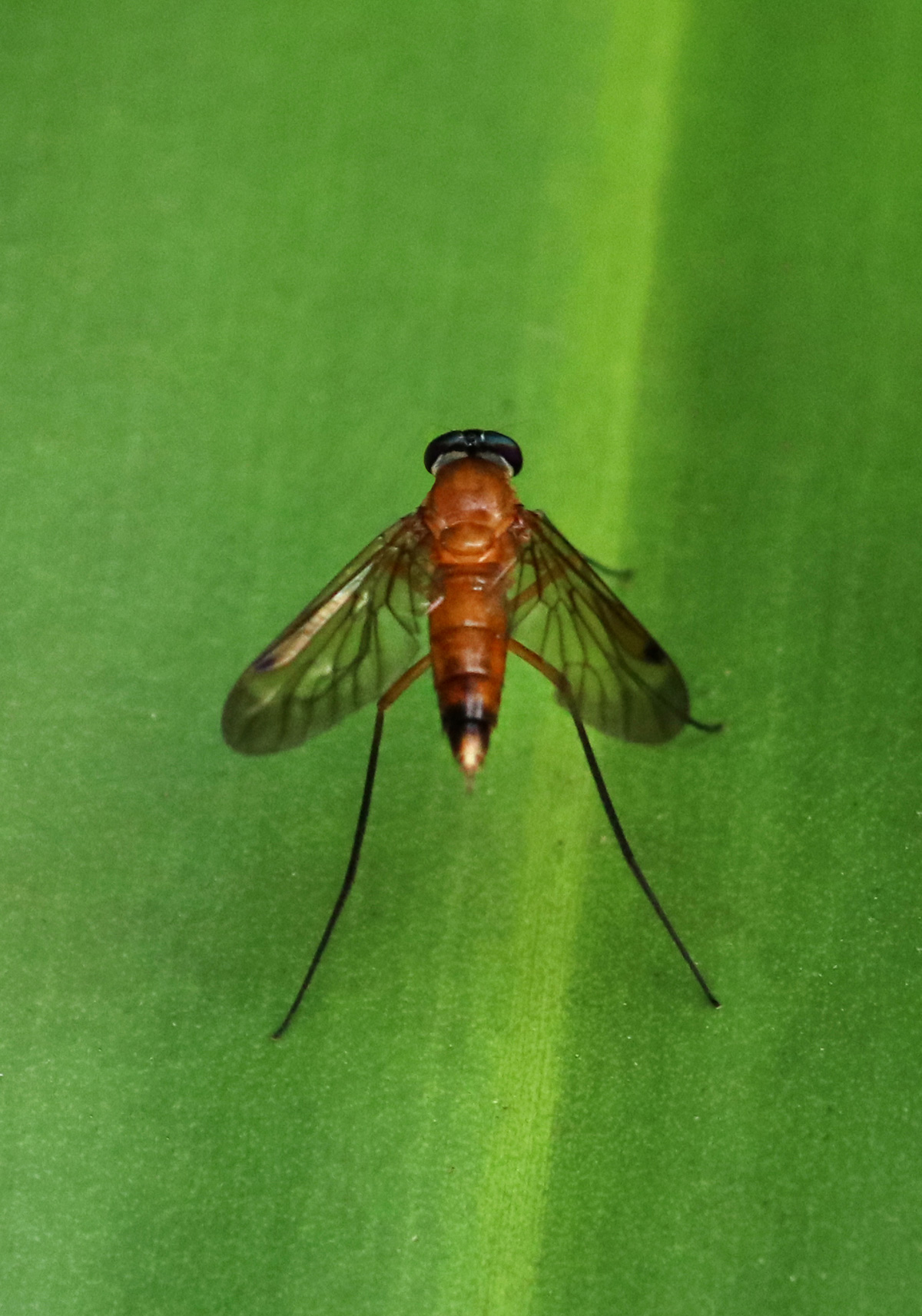
Rhagionidae, commonly known as snipe flies, is a family within the parvorder Tabanomorpha (Order Diptera). Members of this family are widely distributed across the world, particularly in temperate regions, and are commonly found in forests, grasslands, wetlands, and near streams or other moist habitats.
Snipe flies are generally small to medium-sized insects characterized by a slender, elongated body and relatively long legs. The head is well developed with large compound eyes, and the antennae are short but distinctively structured. Wings are typically clear and held flat or slightly angled over the body when at rest, often with subtle venation patterns.
Adults of Rhagionidae are usually predators or opportunistic feeders. Many species capture small insects, while others may feed on nectar or plant fluids. They are often seen resting on vegetation or flying slowly in shaded areas.
The life cycle involves complete metamorphosis. Larvae are typically found in moist soil, leaf litter, or decaying organic material, and in some cases in aquatic or semi-aquatic environments. They are generally predatory, feeding on small invertebrates, though some may also consume organic matter.
The family includes genera such as Rhagio, Chrysopilus, and others, which differ in size, coloration, and ecological preferences.
Ecologically, Rhagionidae play an important role as predators of small invertebrates, contributing to the regulation of insect populations. Their larvae also participate in soil and organic matter ecosystems. Although they are not of major economic importance, they are a significant component of biodiversity and contribute to ecological balance in terrestrial and semi-aquatic environments.