Bali Wildlife
Every Spices Matter


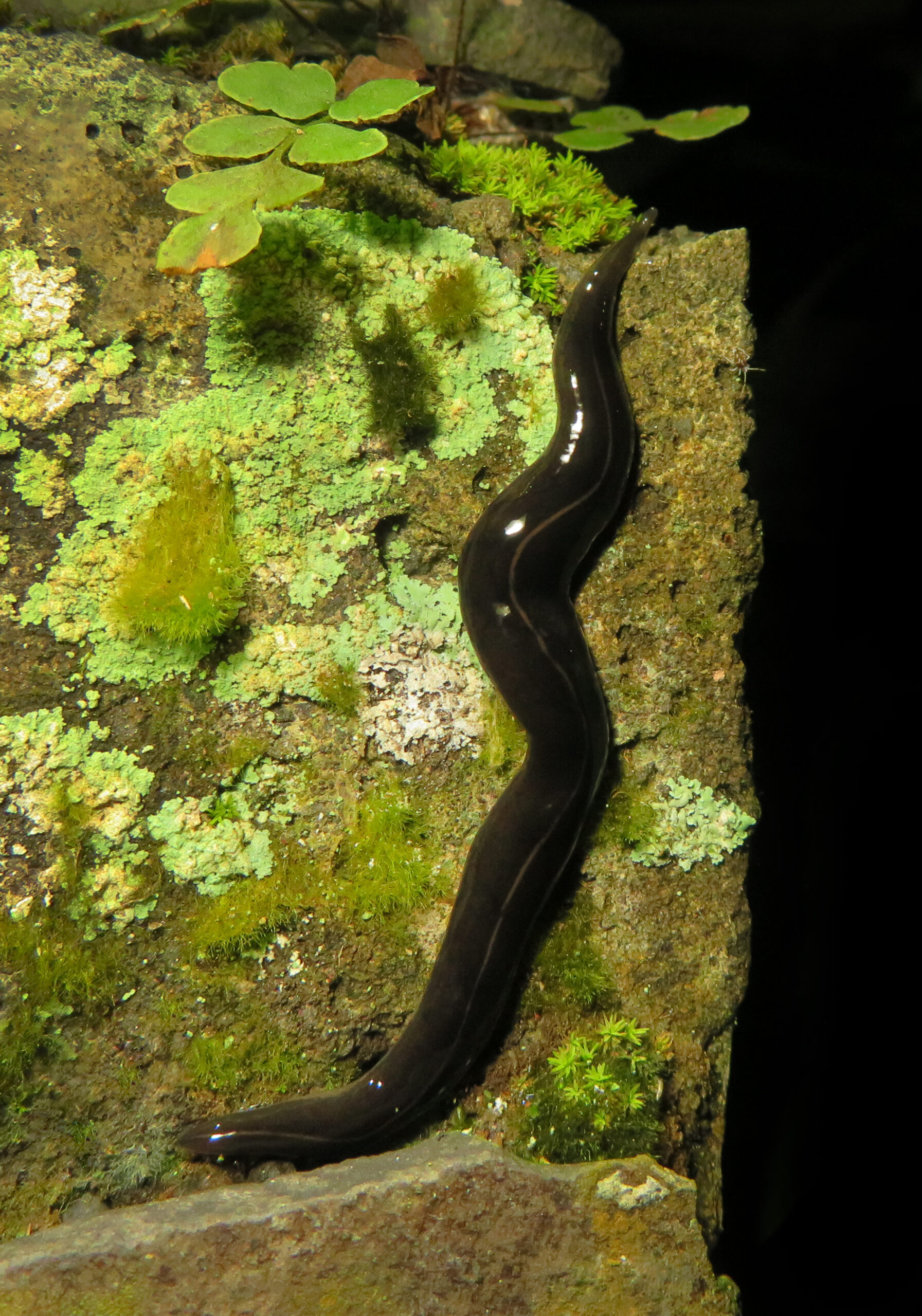
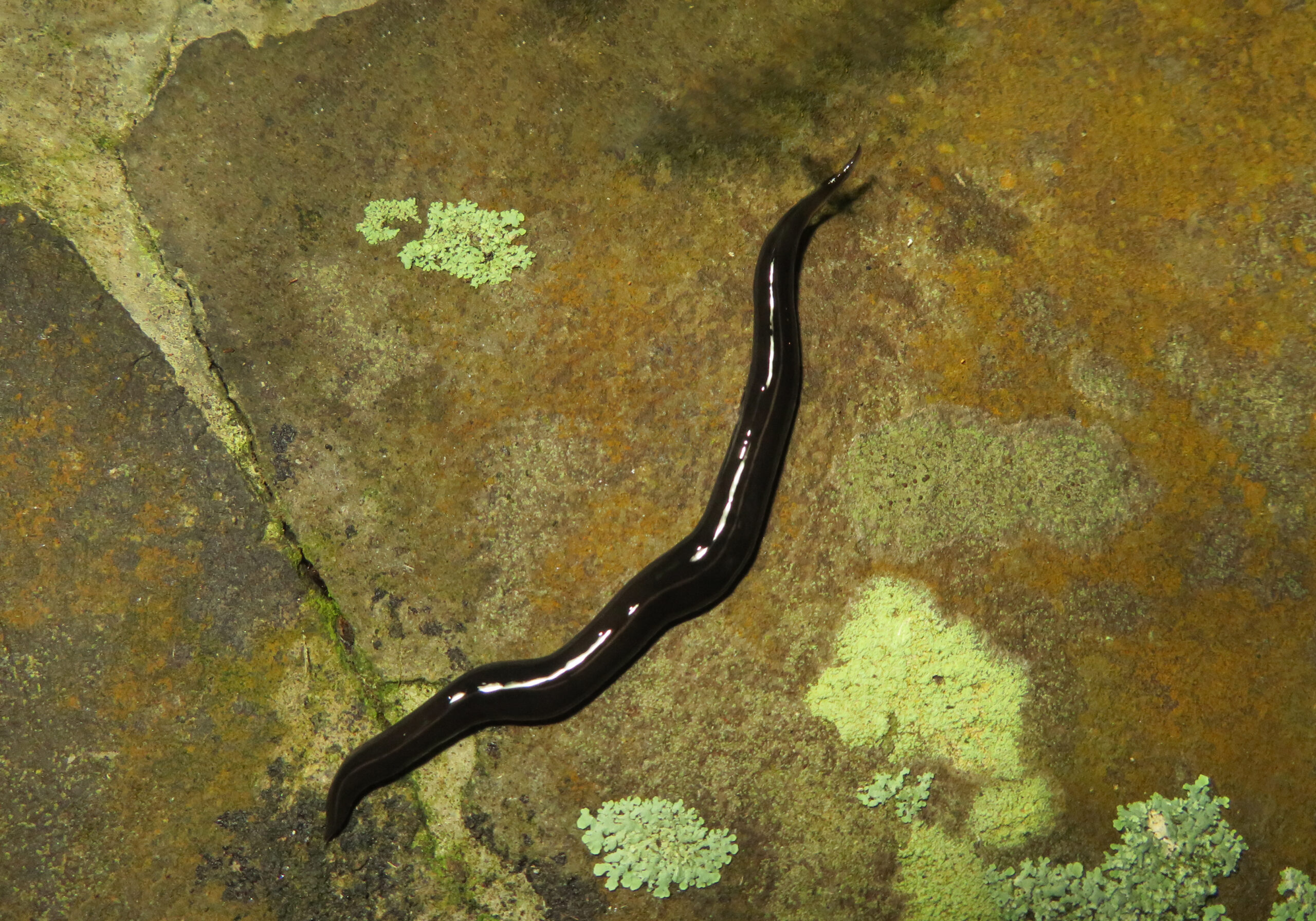
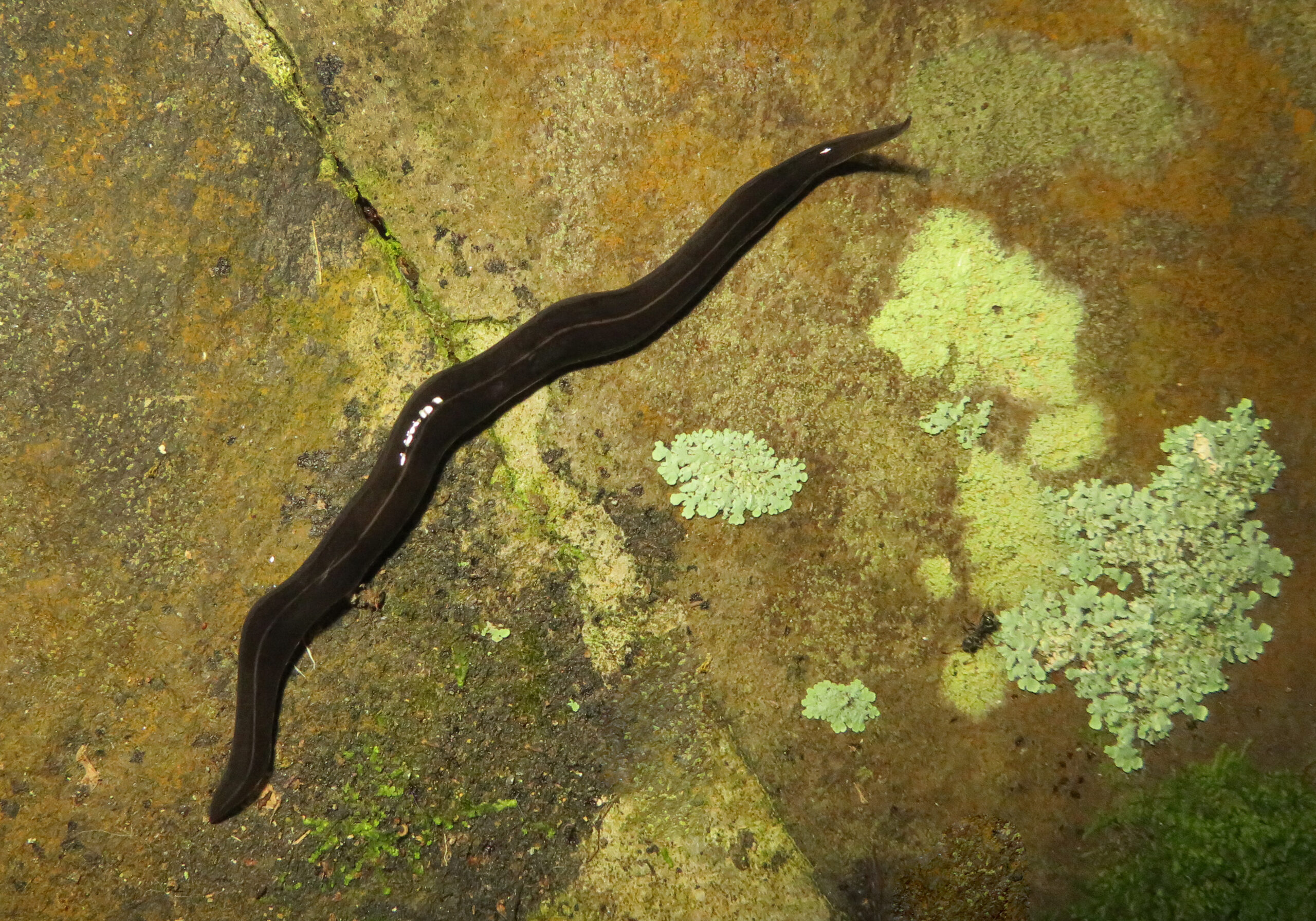
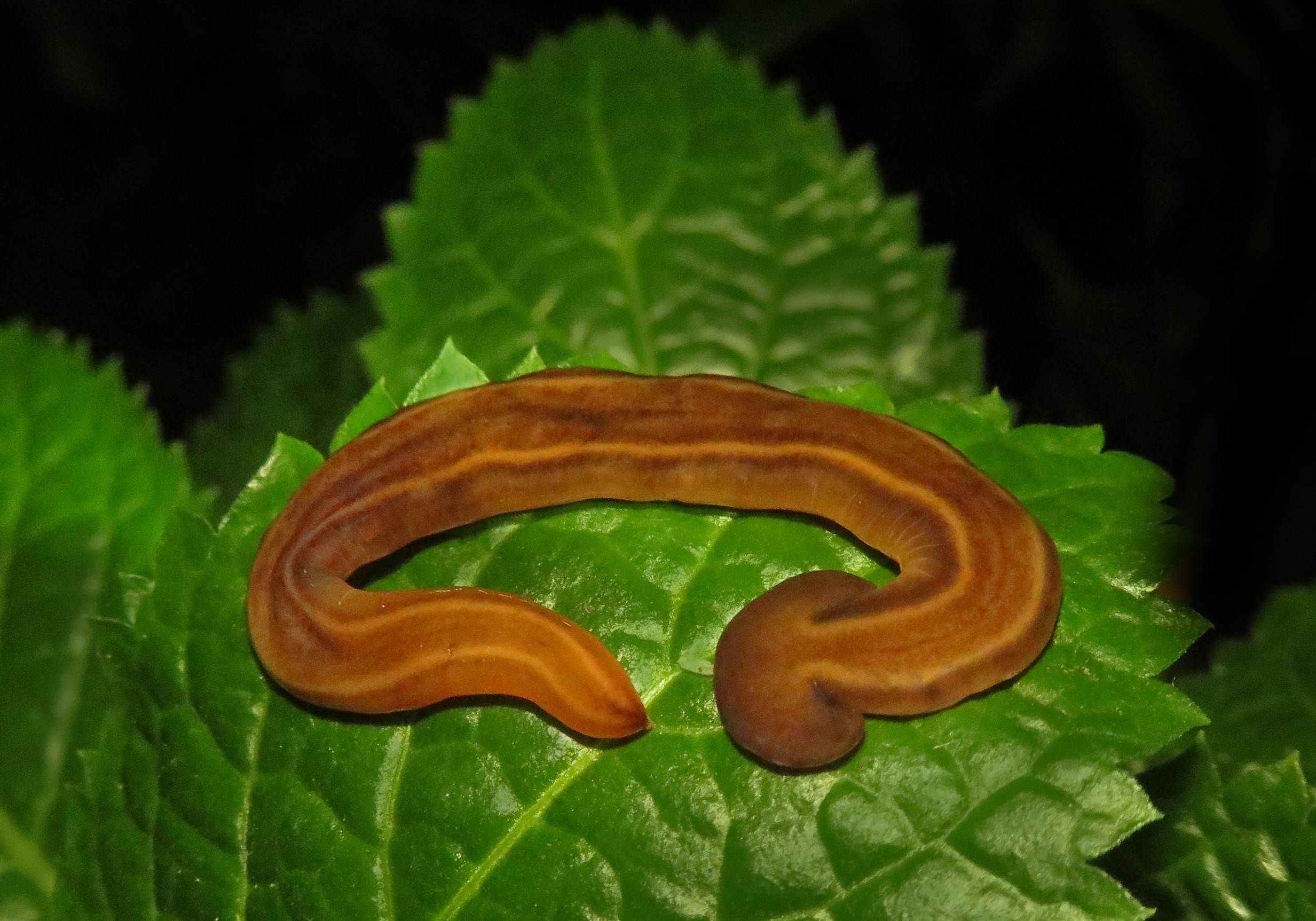
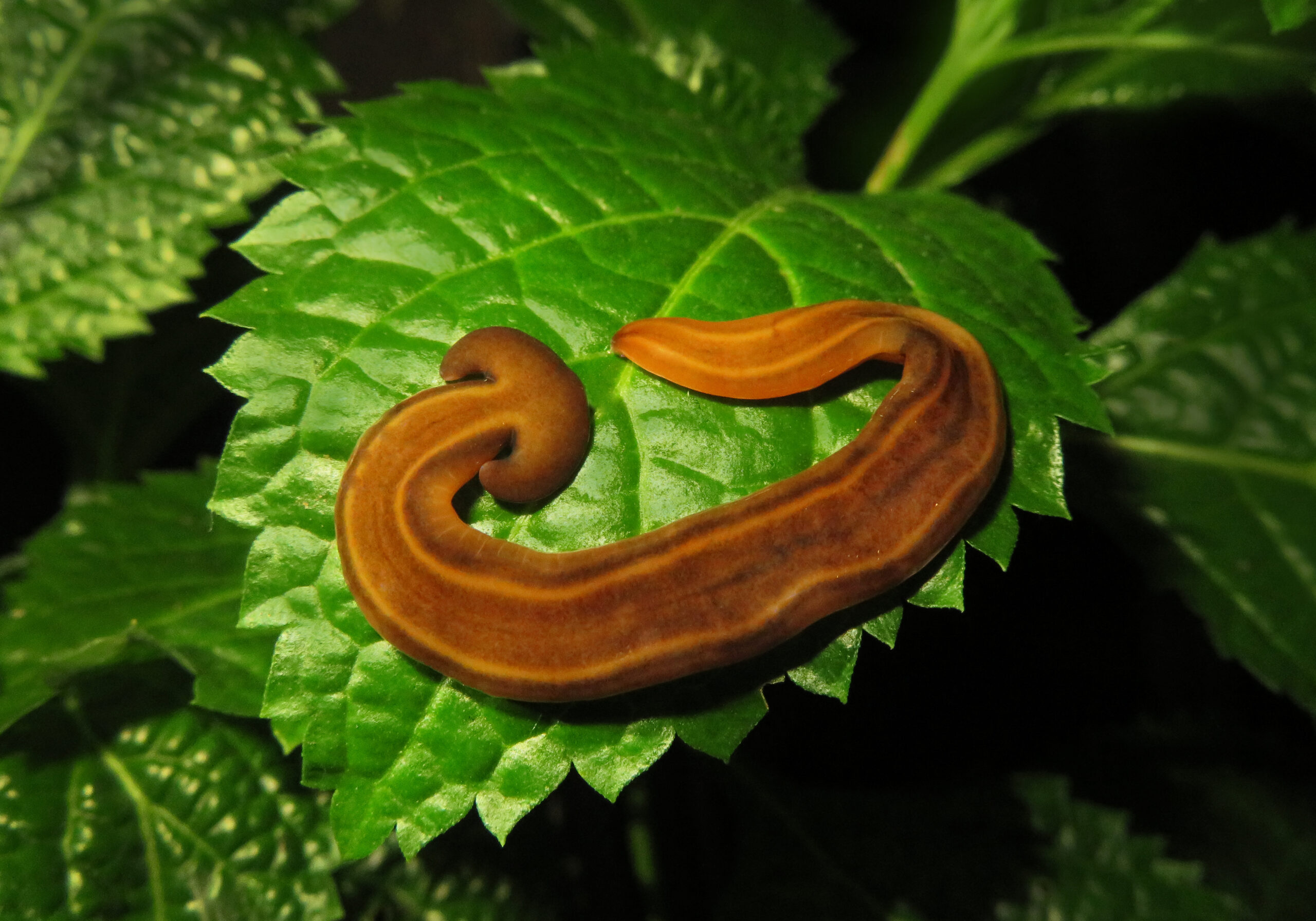
Rhabditophora is a major subphylum within the phylum Platyhelminthes, comprising the vast majority of living flatworm species. Members of this group include both free-living and parasitic forms and represent the most evolutionarily advanced flatworms.
Rhabditophorans are characterized by the presence of rod-like secretory structures called rhabdites within their epidermal cells. These structures are believed to function in defense, mucus production, and locomotion. Like other flatworms, they are dorsoventrally flattened, bilaterally symmetrical, triploblastic, and acoelomate.
The digestive system in free-living forms is typically incomplete, with a single opening serving as both mouth and anus, while parasitic groups may have a reduced or absent digestive tract. They lack specialized circulatory and respiratory systems, relying instead on diffusion across the body surface.
This subphylum includes diverse groups such as:
Most species are hermaphroditic and possess complex reproductive systems. Parasitic rhabditophorans often exhibit intricate life cycles involving multiple hosts, particularly in aquatic environments.
Ecologically, free-living species contribute to benthic ecosystems as predators and scavengers, while parasitic species have significant medical and veterinary importance worldwide.