Bali Wildlife
Every Spices Matter


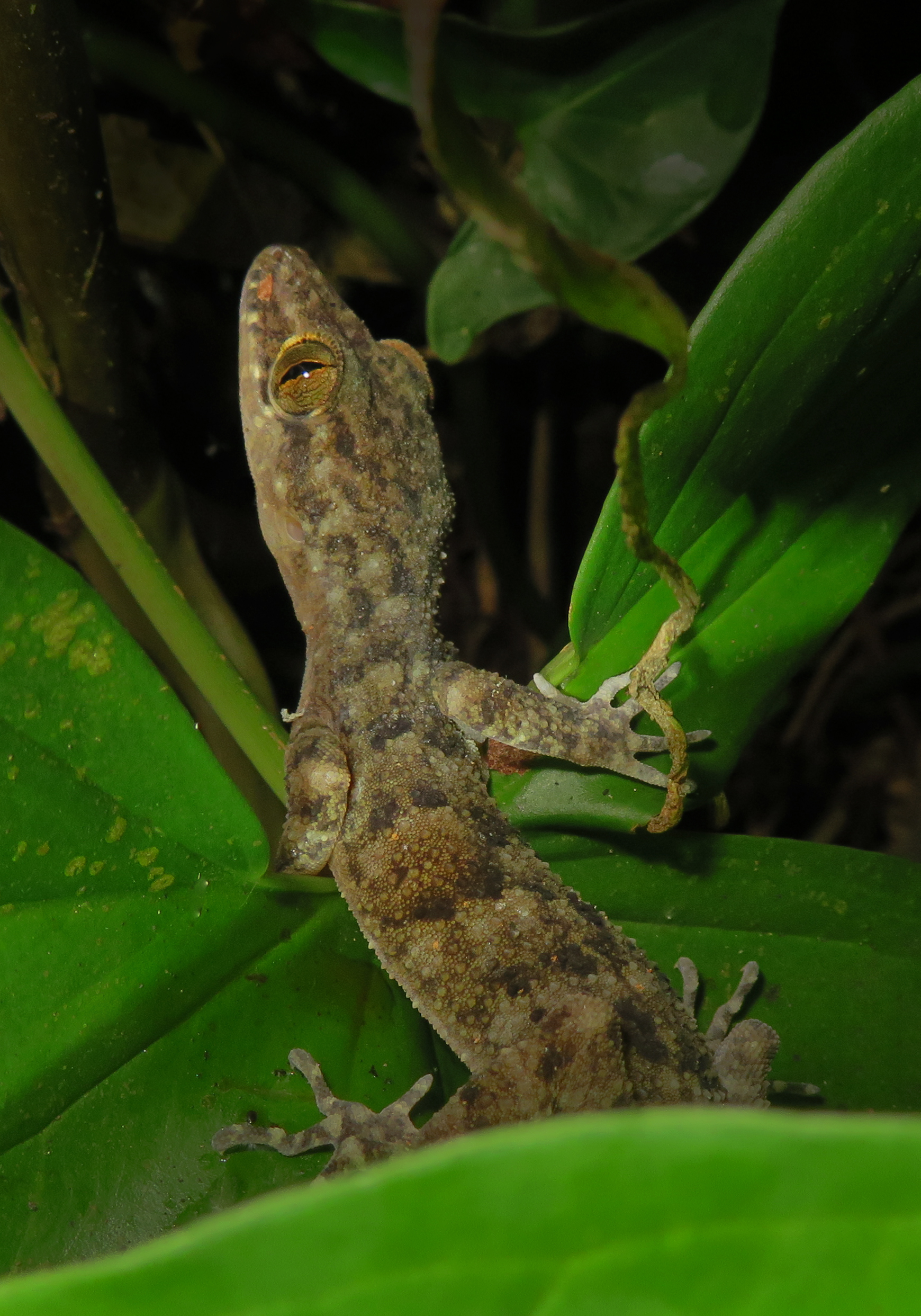
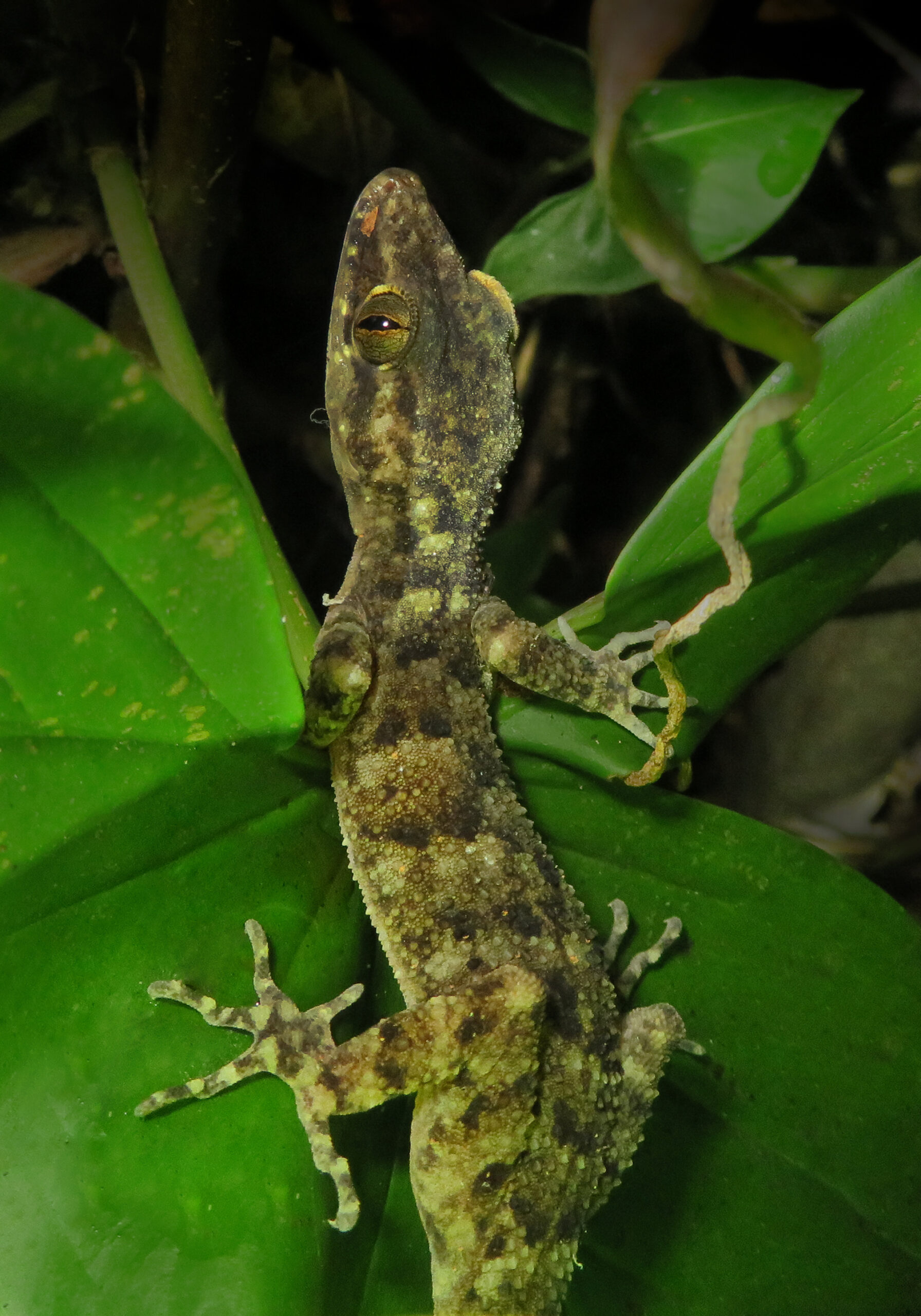
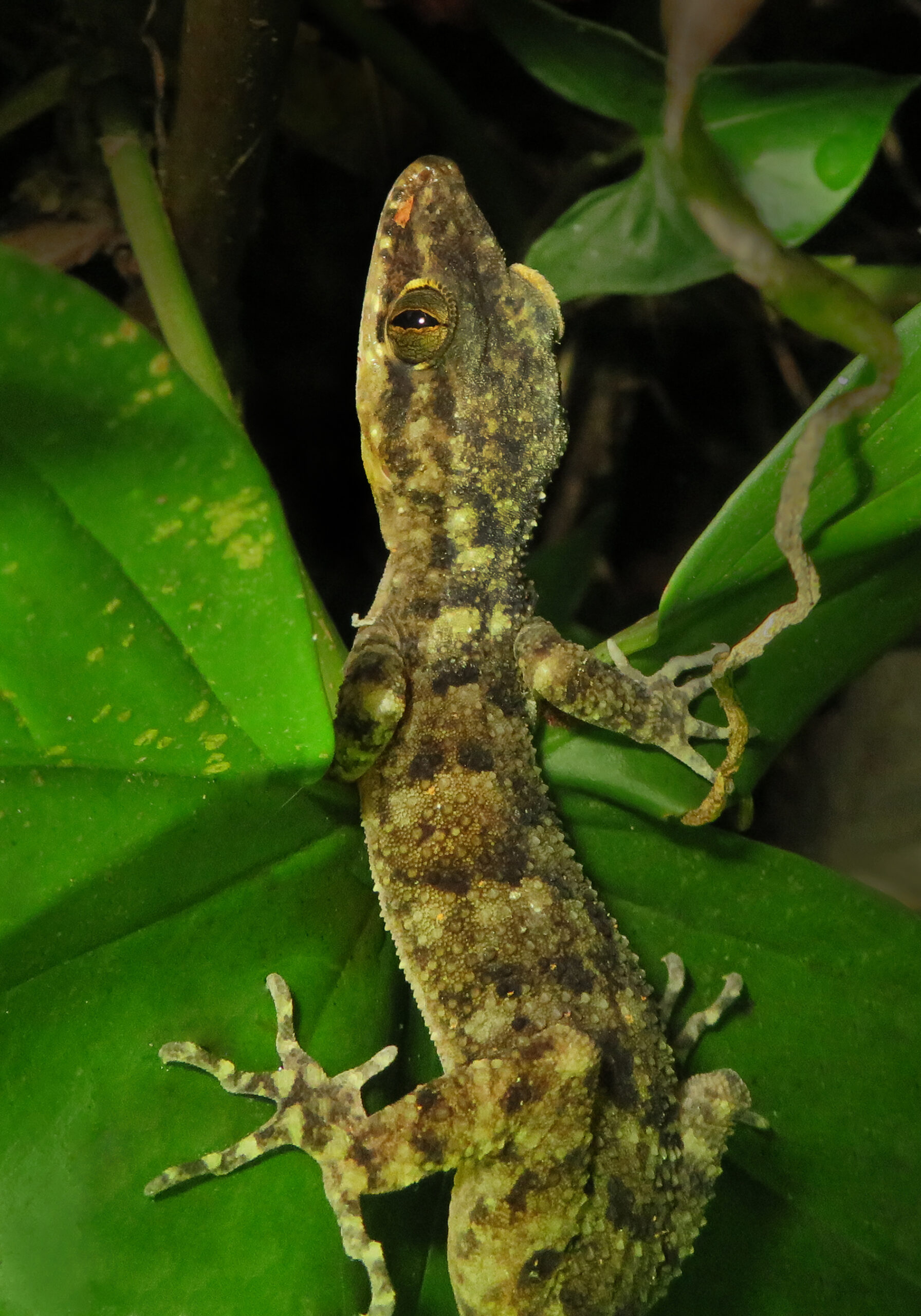
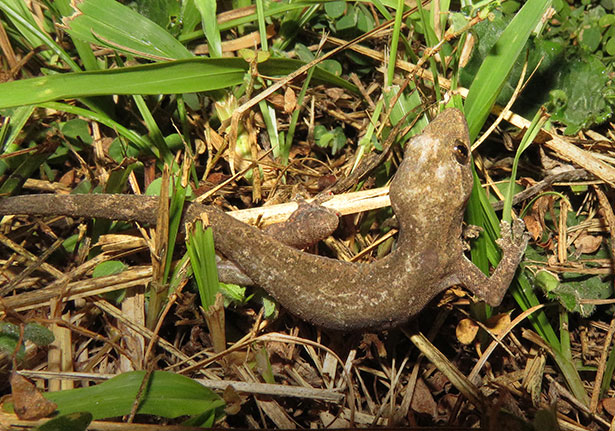
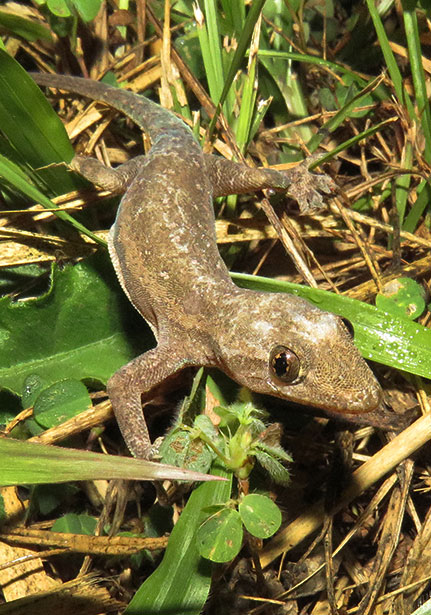
Reptilia is a class of vertebrate animals characterized by dry, keratinized skin covered with scales, scutes, or plates, which reduce water loss and allow adaptation to terrestrial environments. Reptiles are ectothermic (cold-blooded) and rely on external heat sources to regulate body temperature.
Members of Class Reptilia typically possess lungs for respiration, internal fertilization, and produce amniotic eggs with leathery or calcified shells, although some species give birth to live young. Most reptiles have a three-chambered heart, while crocodilians possess a four-chambered heart. Limbs, when present, are usually positioned laterally, and some groups, such as snakes, are completely limbless.
Reptiles inhabit a wide variety of habitats, including deserts, forests, wetlands, freshwater, and marine environments. The class includes major groups such as lizards, snakes, turtles, tortoises, crocodilians, and tuatara. Ecologically, reptiles play important roles as predators and prey, contributing to population regulation and ecosystem balance.