

Subfamily Pyrgomorphinae
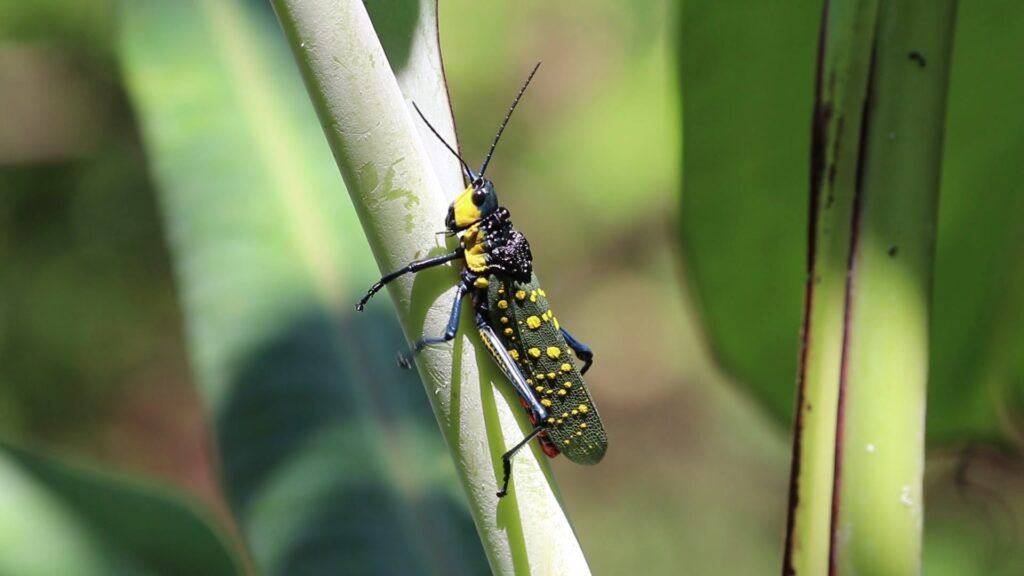
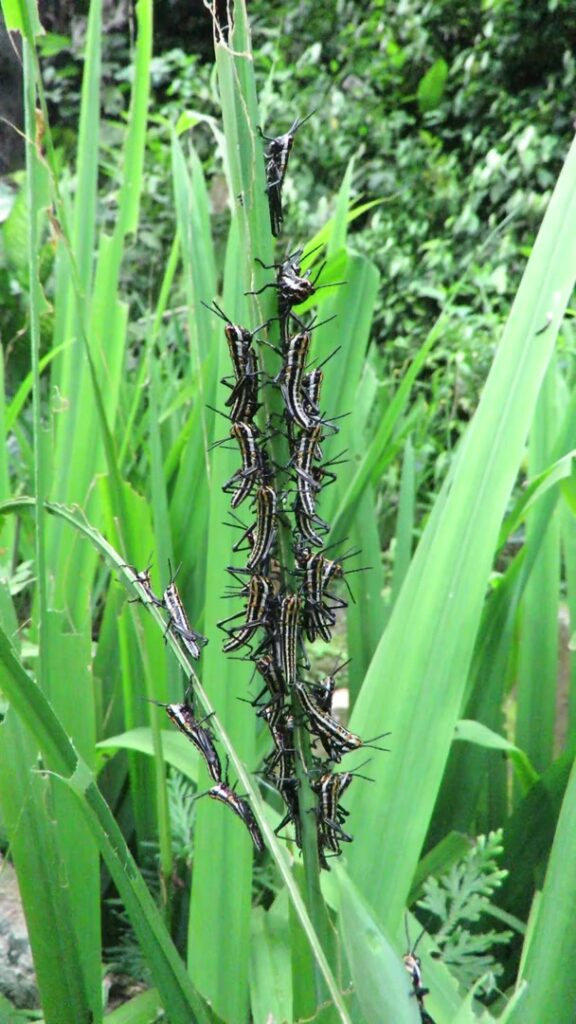
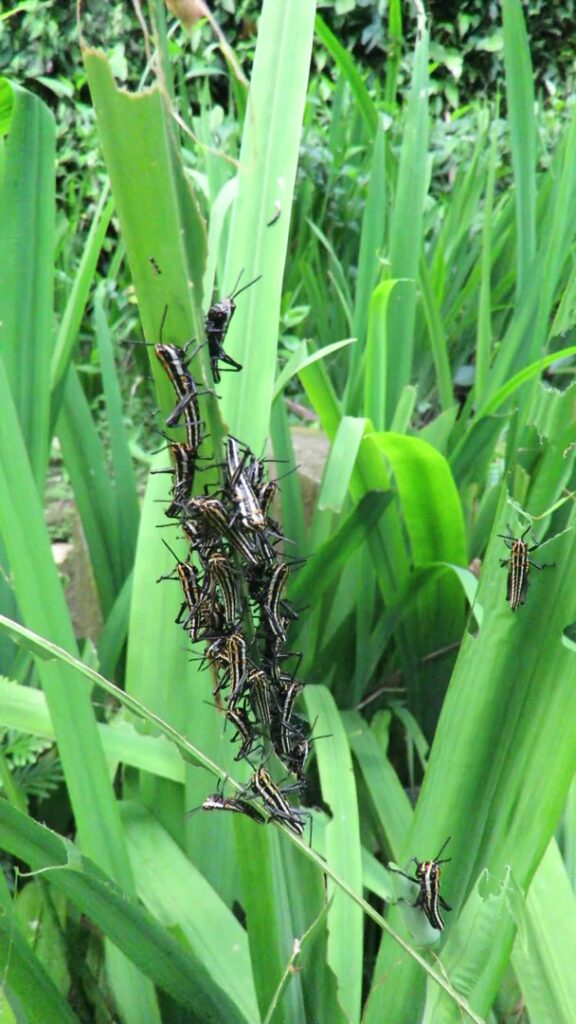
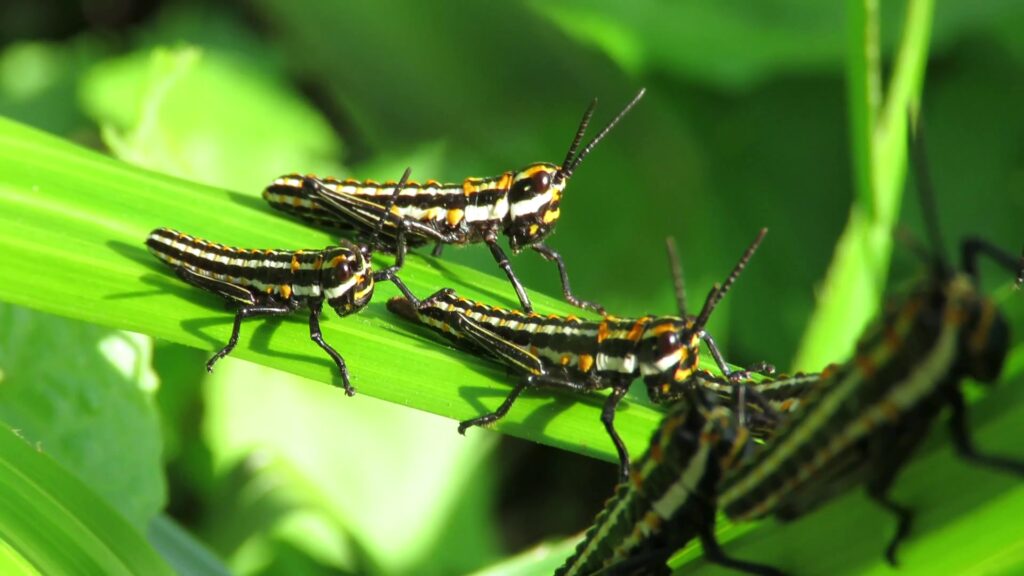
Pyrgomorphinae is a subfamily of grasshoppers belonging to the family Pyrgomorphidae within the order Orthoptera. Its members are commonly associated with the diverse group of grasshoppers known for their varied body shapes, distinctive head structures, and, in many species, vivid coloration. Pyrgomorphinae occurs primarily in tropical and subtropical regions, where its representatives inhabit grasslands, forests, scrublands, agricultural fields, and other environments with suitable vegetation.
Members of Pyrgomorphinae vary considerably in size, coloration, and body structure. Many have elongated bodies, strong hind legs adapted for jumping, and relatively short antennae compared with those of long-horned grasshoppers. Their coloration may include shades of green, brown, yellow, orange, red, and black. Some species blend into their surroundings, while others display contrasting patterns that may warn predators of chemical defenses.
The head is an important feature in distinguishing many pyrgomorphine grasshoppers. Depending on the genus and species, it may be elongated, tapered, rounded, or otherwise modified in shape. The pronotum, which covers the upper surface of the thorax, also varies in form and surface texture. Wing development differs among species: some possess fully developed wings, while others have shortened wings and limited flight ability. These variations reflect differences in habitat use, movement, and evolutionary history.
Pyrgomorphinae is represented in several regions of the world, particularly Africa, Asia, and other warm areas where suitable host plants are available. Its members occupy a range of habitats, from humid tropical environments to dry grasslands and open scrub. Some species are common in disturbed areas such as roadsides, gardens, plantations, and agricultural landscapes, while others are more closely associated with natural vegetation. Their distribution is influenced by climate, plant availability, and local environmental conditions.
Most members of Pyrgomorphinae are herbivorous, feeding on leaves, shoots, flowers, and other plant tissues. Their diets vary by species, with some feeding on a broad range of plants and others showing a stronger preference for particular host plants. Through their feeding activities, they influence vegetation and contribute to the transfer of energy from plants to other organisms. When certain species become abundant, they may cause damage to crops or other cultivated plants.
Some pyrgomorphine grasshoppers possess chemical defenses that help protect them from predators. Certain species can acquire defensive compounds from the plants they consume and retain them in their bodies. Bright coloration may serve as a warning signal, while defensive secretions can discourage predators from attacking. Other species rely more heavily on camouflage, remaining concealed among foliage, grass, or dry vegetation.
The life cycle of Pyrgomorphinae follows the typical pattern of grasshoppers, consisting of egg, nymph, and adult stages. Females generally deposit eggs in soil or other suitable substrates, often in protective clusters or egg pods. The young hatch as nymphs that resemble smaller versions of adults but lack fully developed wings and reproductive structures. They grow through successive molts before reaching maturity. Development and breeding activity depend on temperature, rainfall, food availability, and the seasonal conditions of the habitat.
Pyrgomorphinae includes a variety of genera with distinctive morphological and ecological characteristics. Members of the genus Pyrgomorpha, which gives the subfamily its name, are found in several warm regions and often have elongated bodies adapted to life among grasses and low vegetation. Other genera assigned to the subfamily display a wide range of shapes, colors, and habitat preferences. Accurate identification generally requires examination of the head, pronotum, wings, leg structures, and other diagnostic characteristics.
These grasshoppers form part of terrestrial food webs, serving as prey for birds, reptiles, amphibians, spiders, and predatory insects. Their herbivorous activity can influence plant growth and vegetation composition, while their presence provides food for numerous insectivorous animals. Species that possess chemical defenses may be less vulnerable to some predators, but they remain part of the broader ecological network.
Although many pyrgomorphine grasshoppers are adaptable, some populations may be affected by habitat destruction, changes in land use, pesticide exposure, and the loss of suitable host plants. Other species may thrive in agricultural landscapes and occasionally become pests. Studying their distribution, feeding preferences, and population dynamics is important for understanding their ecological roles and managing their interactions with cultivated vegetation.
Overall, Pyrgomorphinae is a diverse subfamily of grasshoppers characterized by varied body forms, specialized head structures, strong jumping legs, and a wide range of coloration. Its members occupy diverse habitats and display different feeding strategies and defensive adaptations. As herbivores and prey animals, they contribute to the functioning of terrestrial ecosystems and represent an important component of grasshopper diversity.