Bali Wildlife
Every Spices Matter


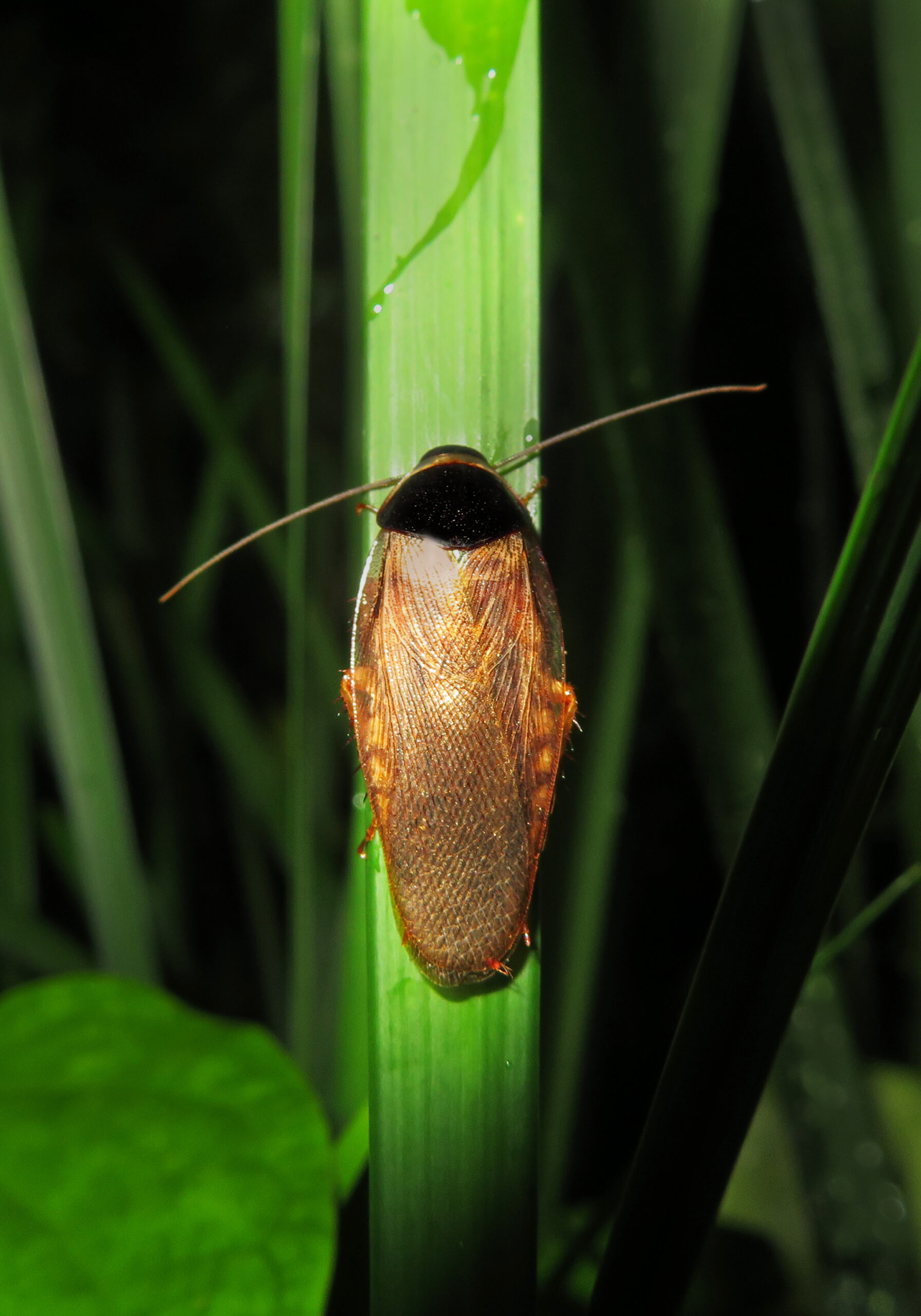
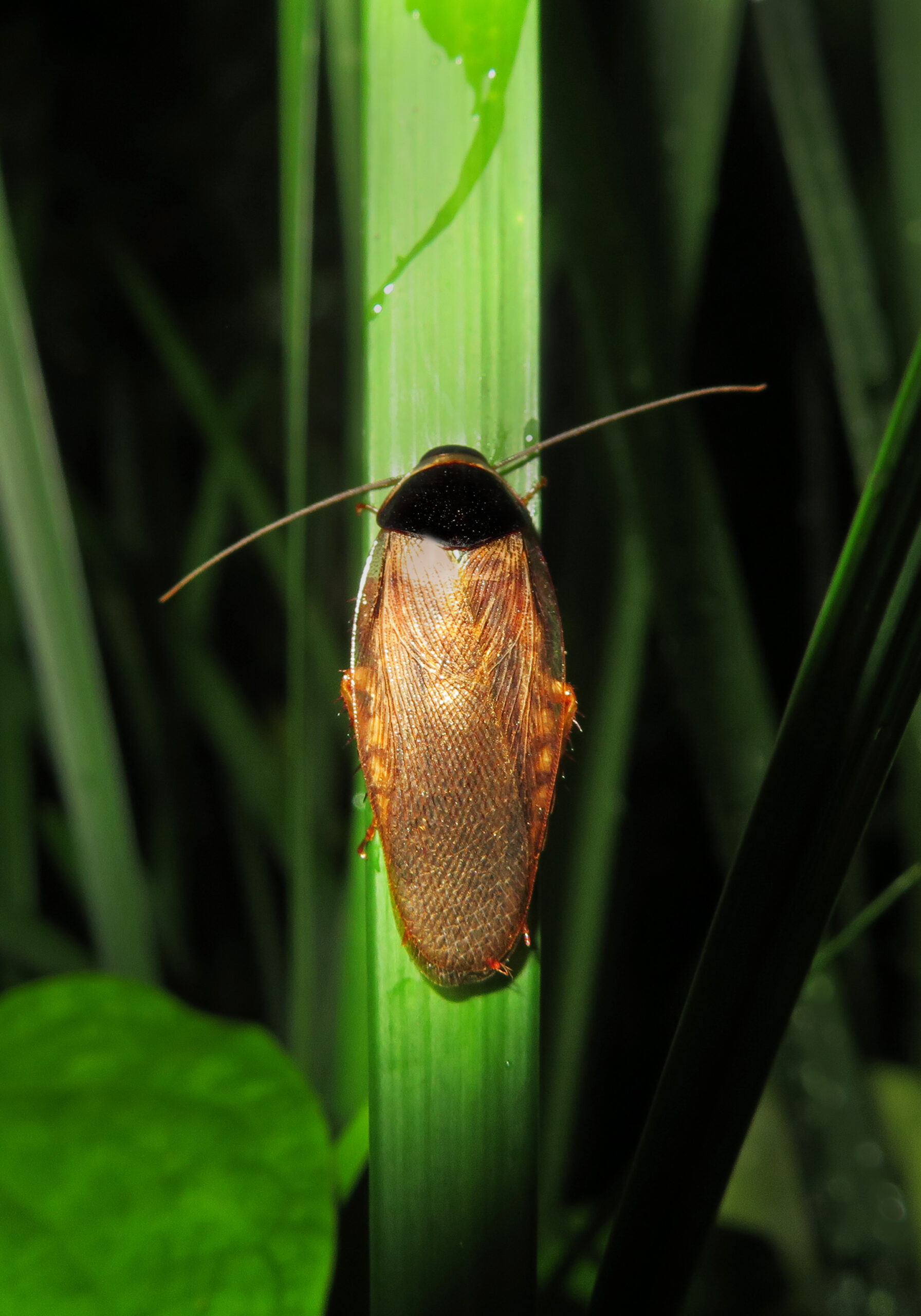
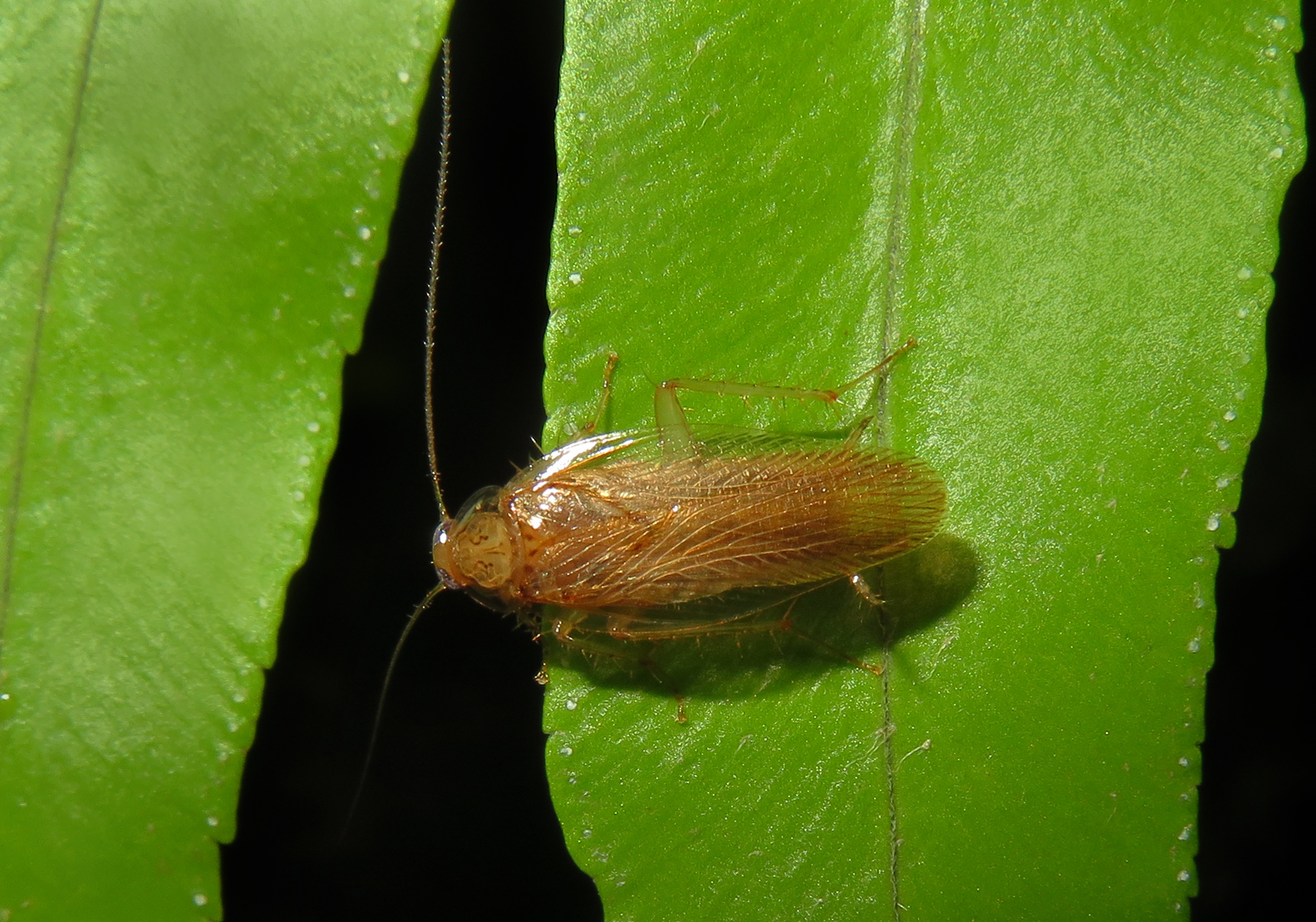
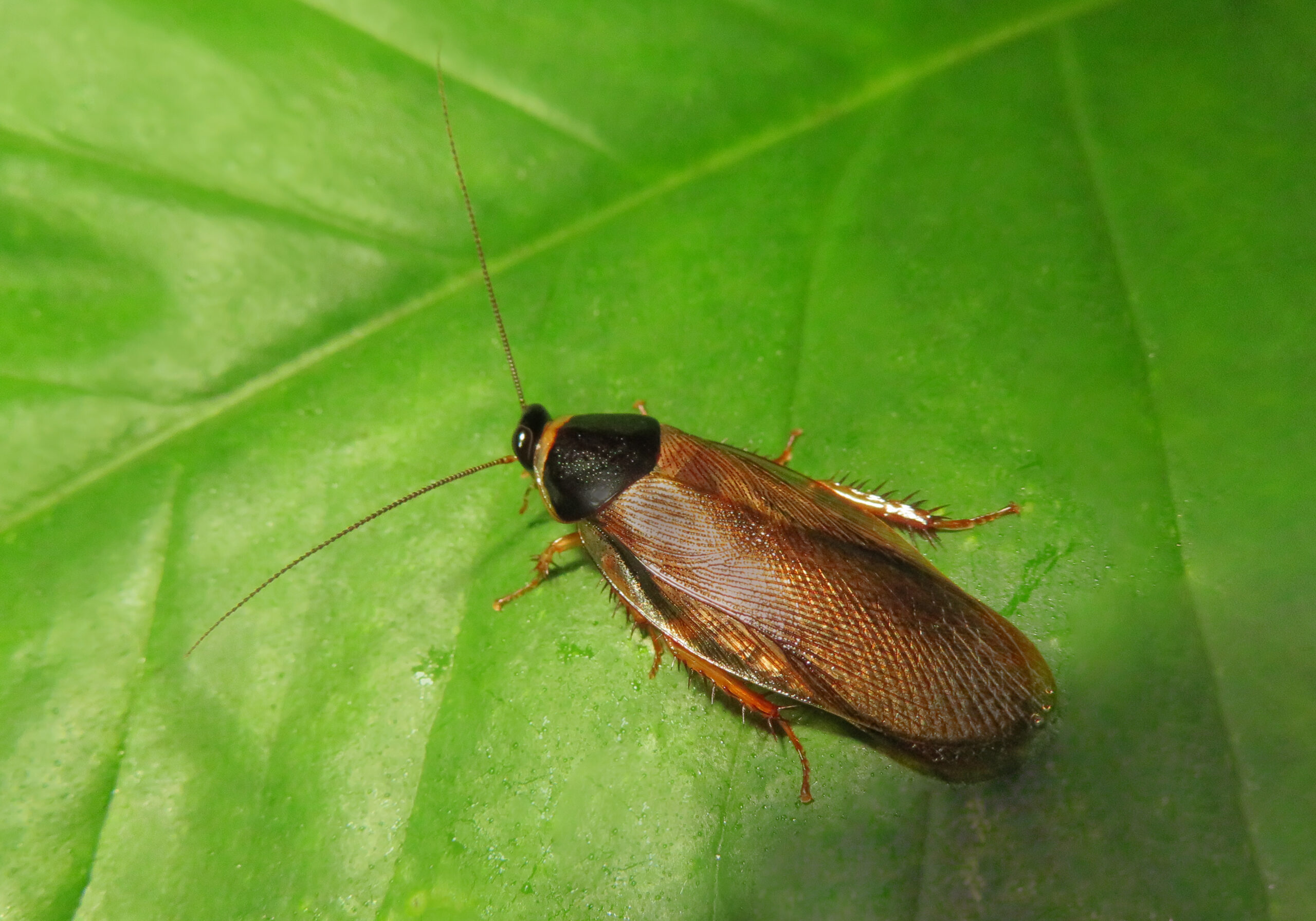
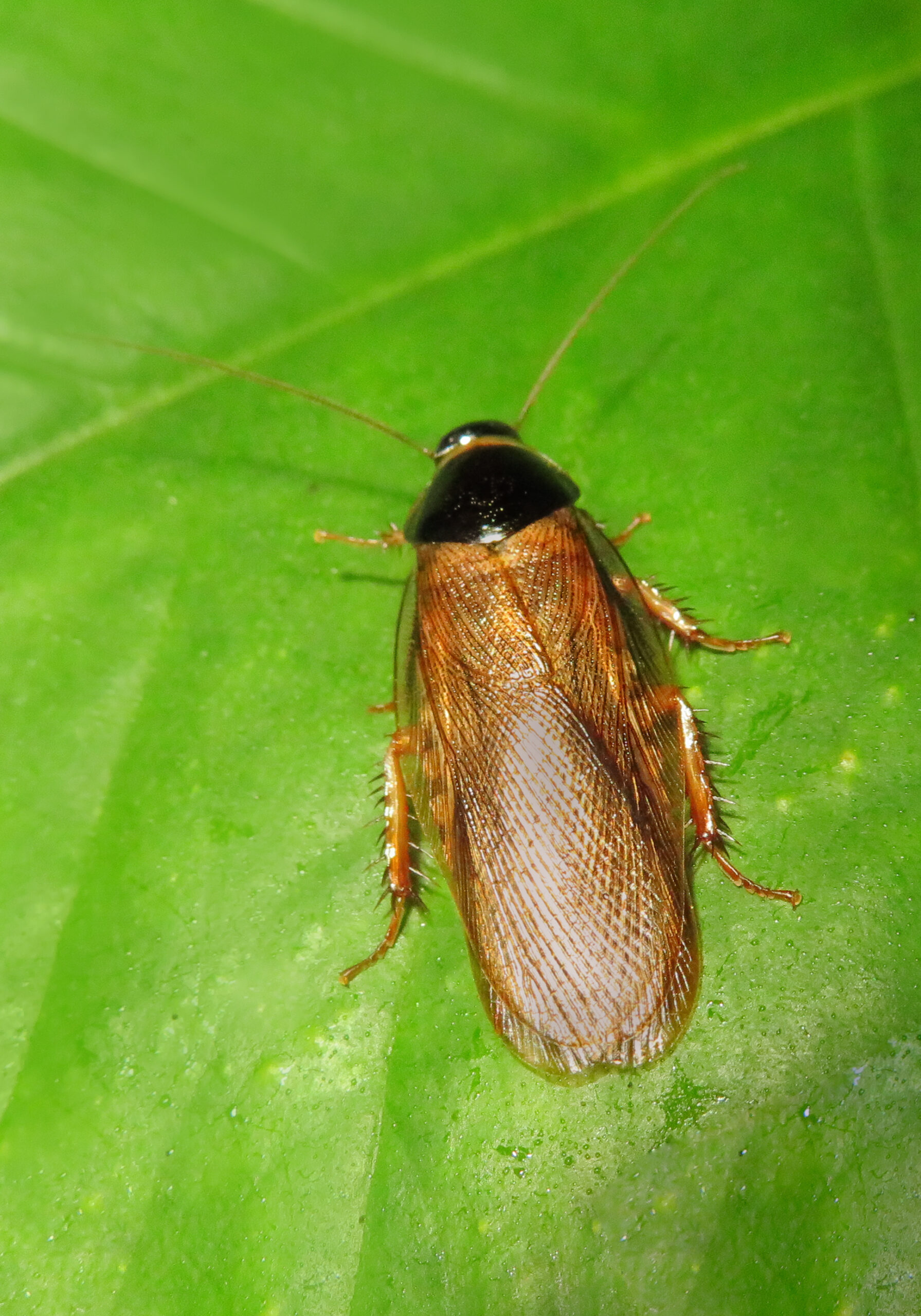
Pycnoscelinae is a subfamily within the family Blaberidae (Order Blattodea), comprising a group of cockroaches that are primarily distributed in tropical and subtropical regions around the world. Members of this subfamily are commonly associated with moist habitats such as forest floors, leaf litter, compost, soil, and occasionally human-modified environments like greenhouses and gardens.
Pycnoscelinae cockroaches are generally small to medium-sized and often have a somewhat cylindrical or slightly flattened body adapted for burrowing or living within soil and organic debris. The head is partially covered by the pronotum, and the antennae are long and slender. Wings are variable: some species have well-developed wings, while others, particularly females, may have reduced wings or be completely wingless.
A notable feature of many Pycnoscelinae is their reproductive strategy. Some species, such as Pycnoscelus surinamensis (the Surinam cockroach), reproduce through parthenogenesis, meaning females can produce offspring without mating. This allows populations to establish and spread rapidly, especially in stable and favorable environments. Development is hemimetabolous, with nymphs resembling smaller versions of adults.
Members of Pycnoscelinae are primarily detritivorous, feeding on decaying plant material, organic debris, and soil-associated matter. Their burrowing behavior helps aerate soil and contributes to the breakdown and recycling of organic material.
Ecologically, Pycnoscelinae play an important role as decomposers in terrestrial ecosystems, particularly in tropical environments. While most species are harmless and beneficial, a few, especially parthenogenetic forms, can become minor pests in greenhouses, nurseries, or agricultural settings where they may affect seedlings or ornamental plants.