Bali Wildlife
Every Spices Matter


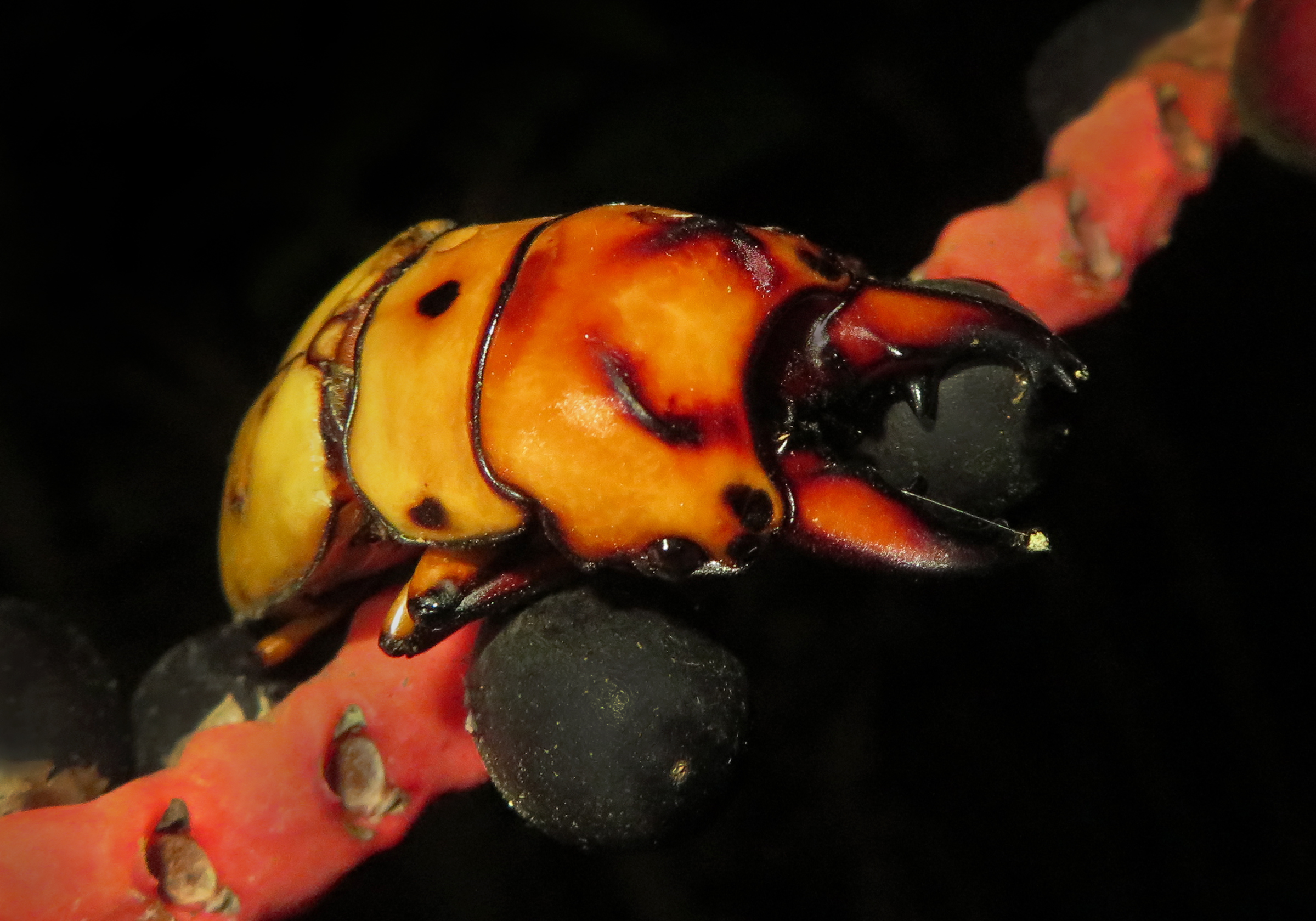
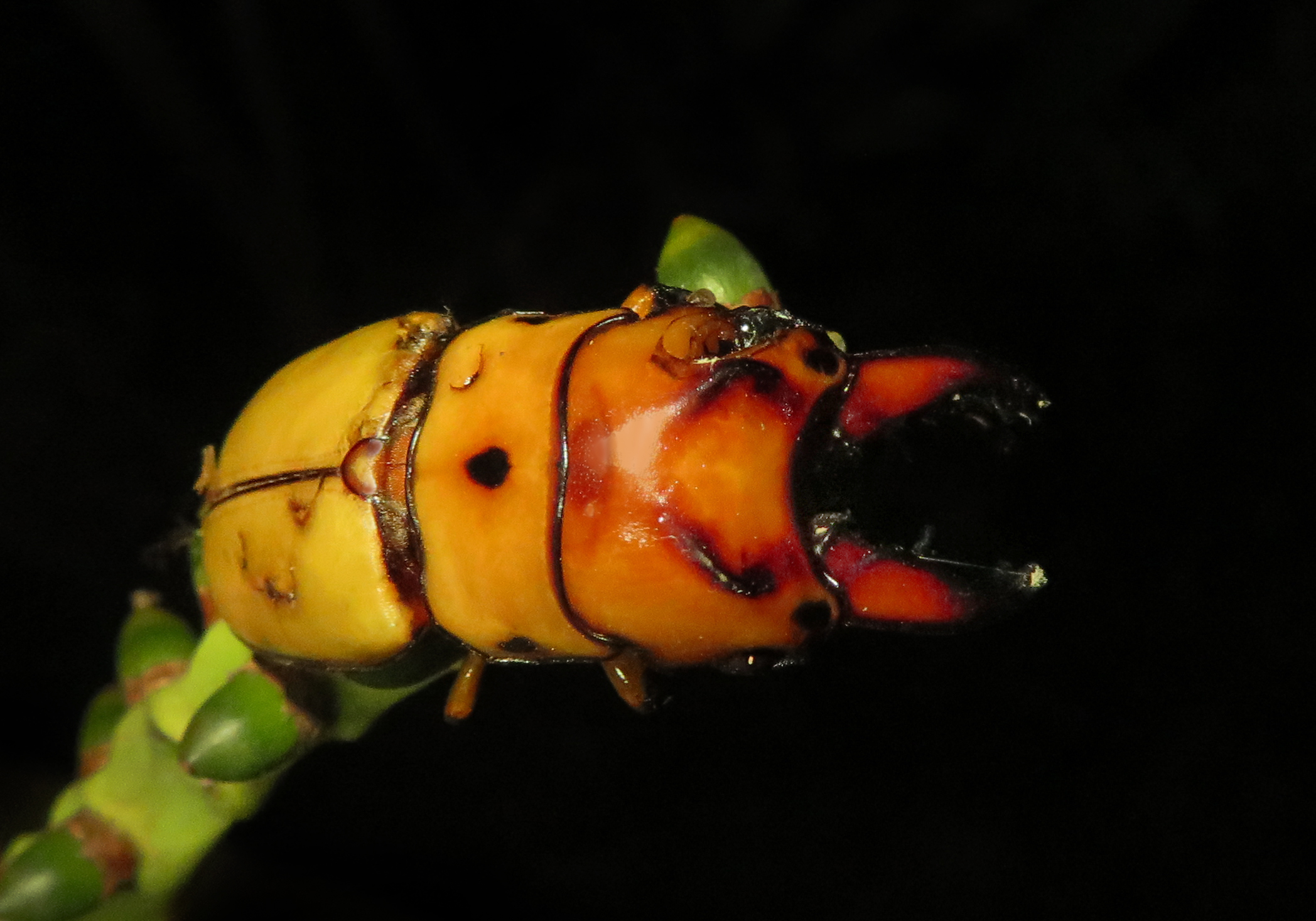
Prosopocoilus is a large and diverse genus of stag beetles within the tribe Lucanini (Subfamily Lucaninae, Family Lucanidae, Order Coleoptera). Members of this genus are widely distributed across South Asia, Southeast Asia, East Asia, and parts of Oceania, where they inhabit tropical and subtropical forests, woodland habitats, and areas containing abundant decaying wood.
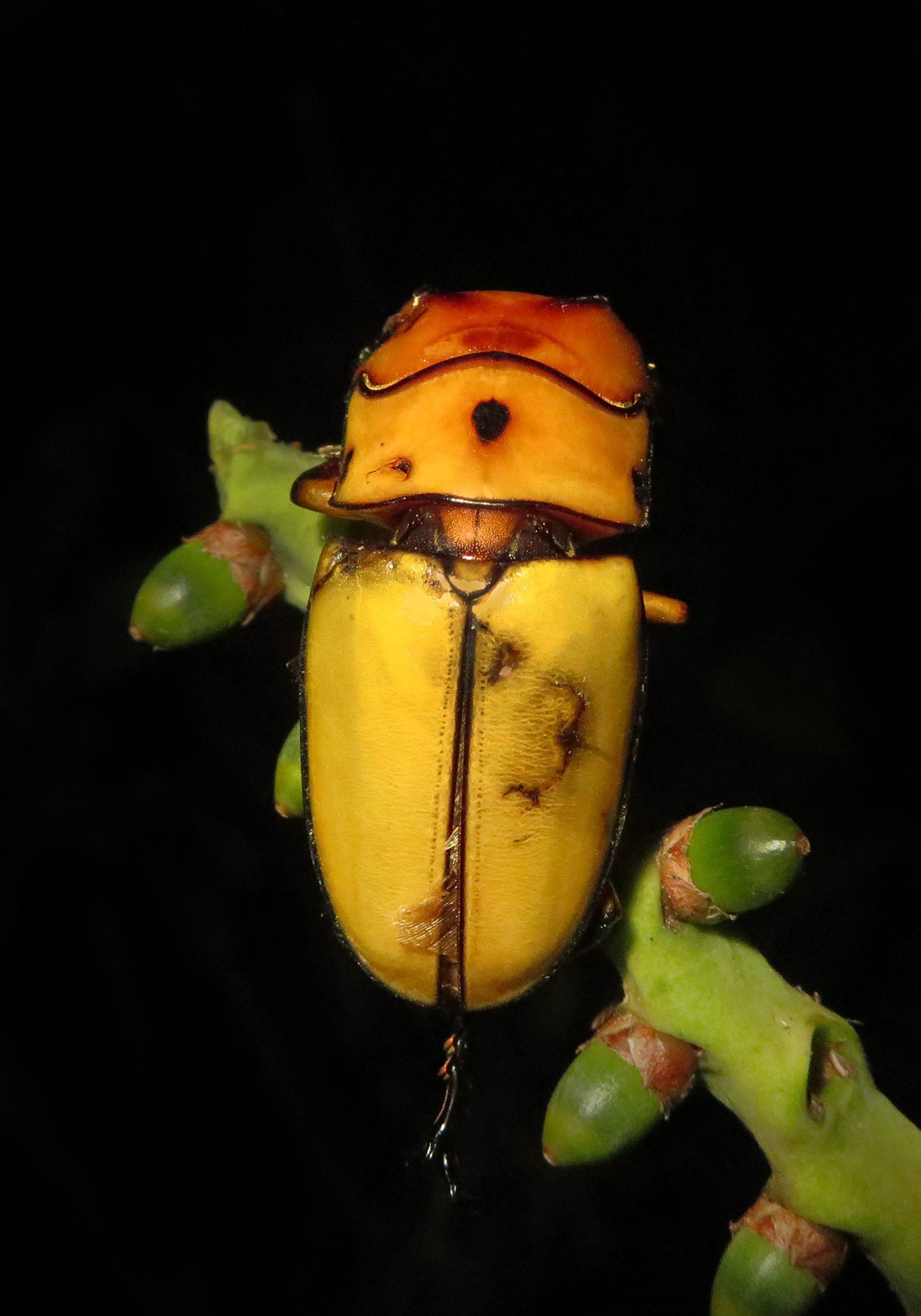
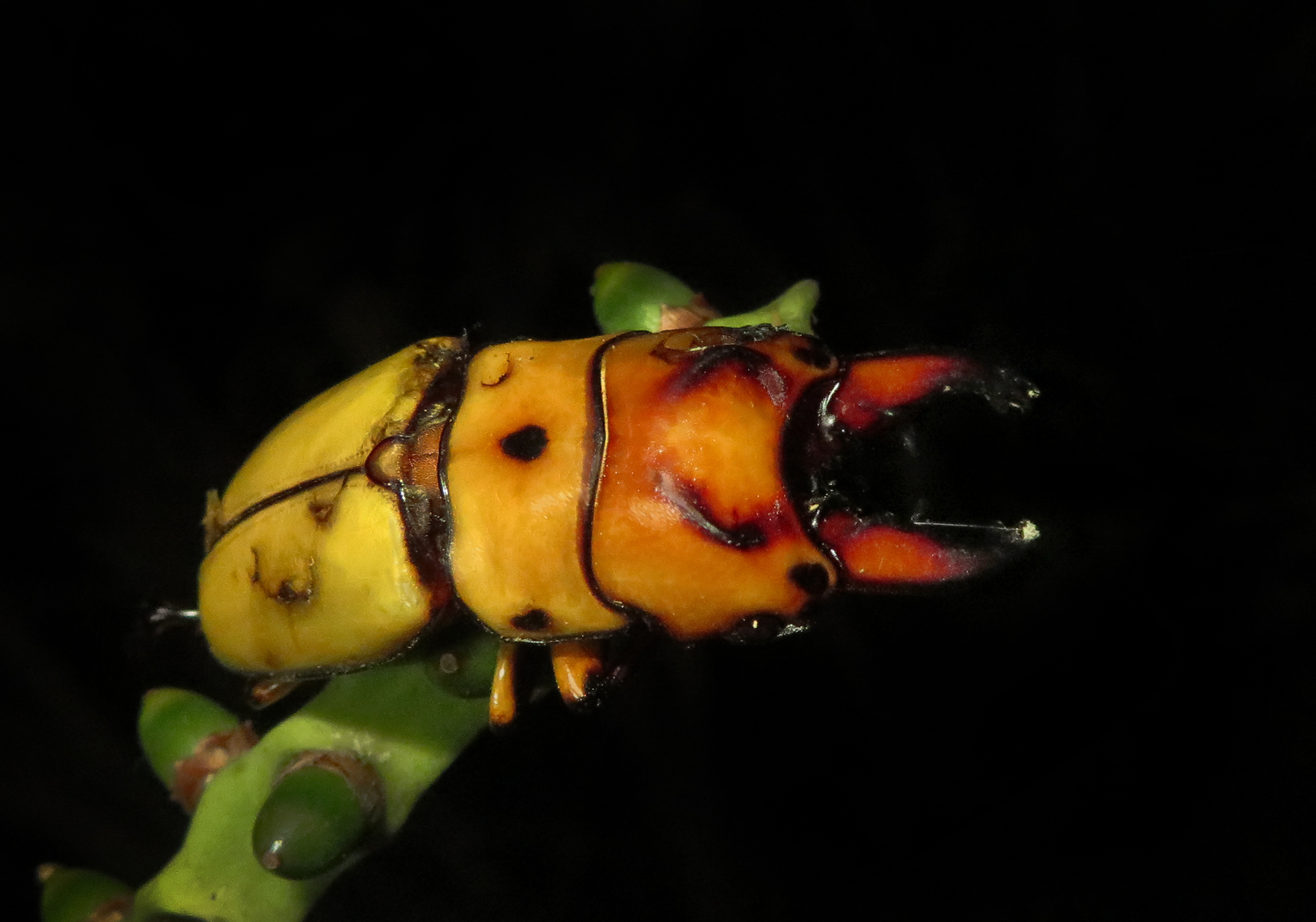
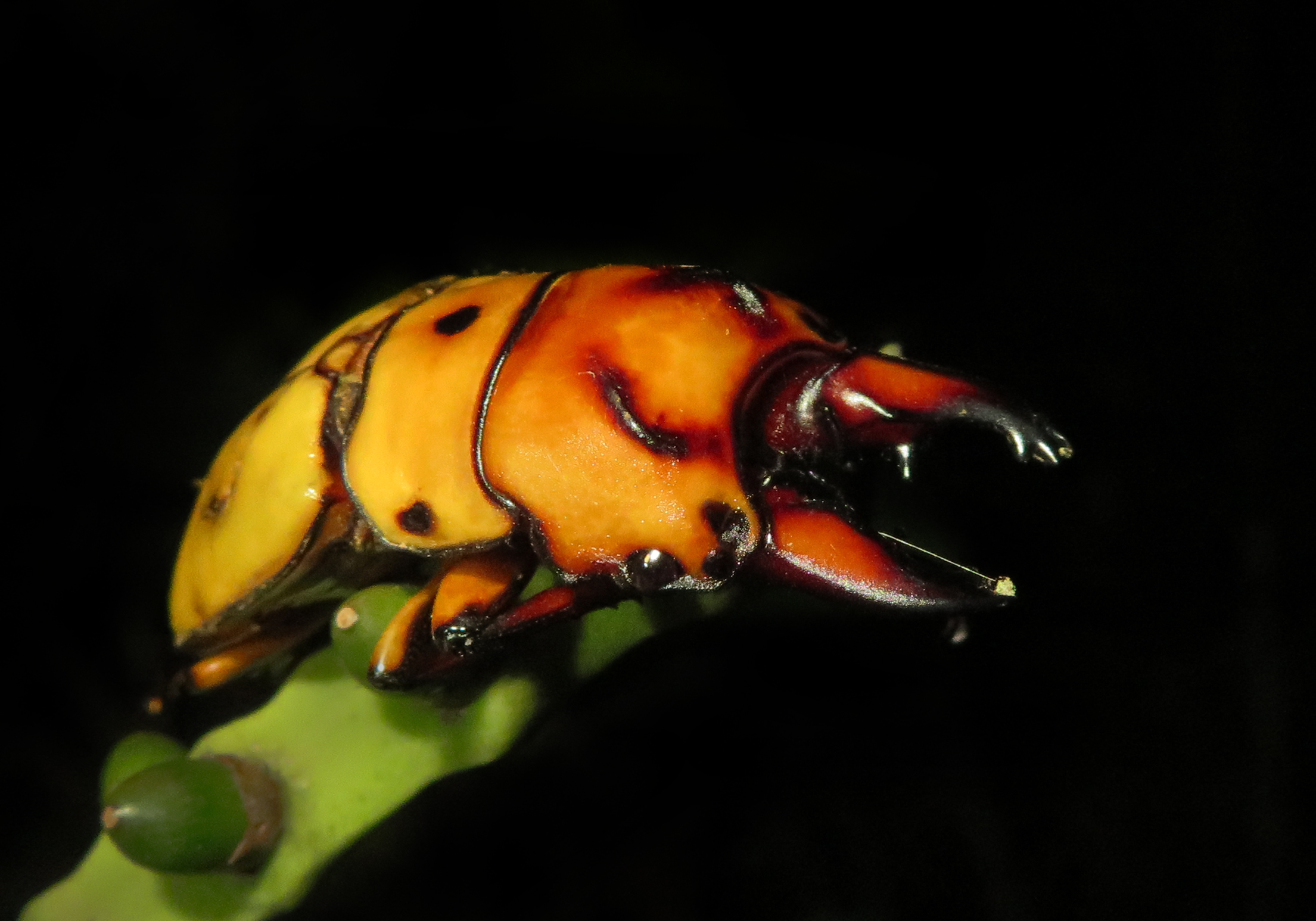
Beetles of the genus Prosopocoilus are generally medium to large in size and are characterized by a robust body, strong exoskeleton, and prominent mandibles. Males often possess enlarged and highly variable mandibles that differ greatly among species and populations. These mandibles are used in contests with rival males during competition for mates and feeding sites. Females are typically smaller and have shorter, more functional mandibles adapted for feeding and digging.
Coloration varies among species and may include shades of black, dark brown, reddish-brown, chestnut, or metallic hues. The body is usually elongated and glossy, with well-developed legs adapted for climbing tree trunks and branches.
The life cycle involves complete metamorphosis, consisting of egg, larva, pupa, and adult stages. Larvae are large, C-shaped grubs that develop within decaying wood, rotting logs, stumps, and decomposing roots. Depending on environmental conditions and species, larval development may take several years before pupation.
Adults are commonly attracted to tree sap, fermenting fruits, and other sugary food sources. Most species are active during the evening and night, when they search for food and mates. Males frequently engage in ritualized combat using their enlarged mandibles to dislodge rivals.
The genus contains numerous species, including some of the most popular stag beetles among collectors and researchers due to their impressive size, diversity of mandible shapes, and striking appearance.
Ecologically, Prosopocoilus species contribute to the decomposition of dead wood during their larval stage, playing an important role in nutrient recycling within forest ecosystems. Adults serve as prey for birds, mammals, reptiles, and other predators. Their dependence on mature forests and decaying wood makes them important indicators of habitat quality and forest biodiversity.