Bali Wildlife
Every Spices Matter


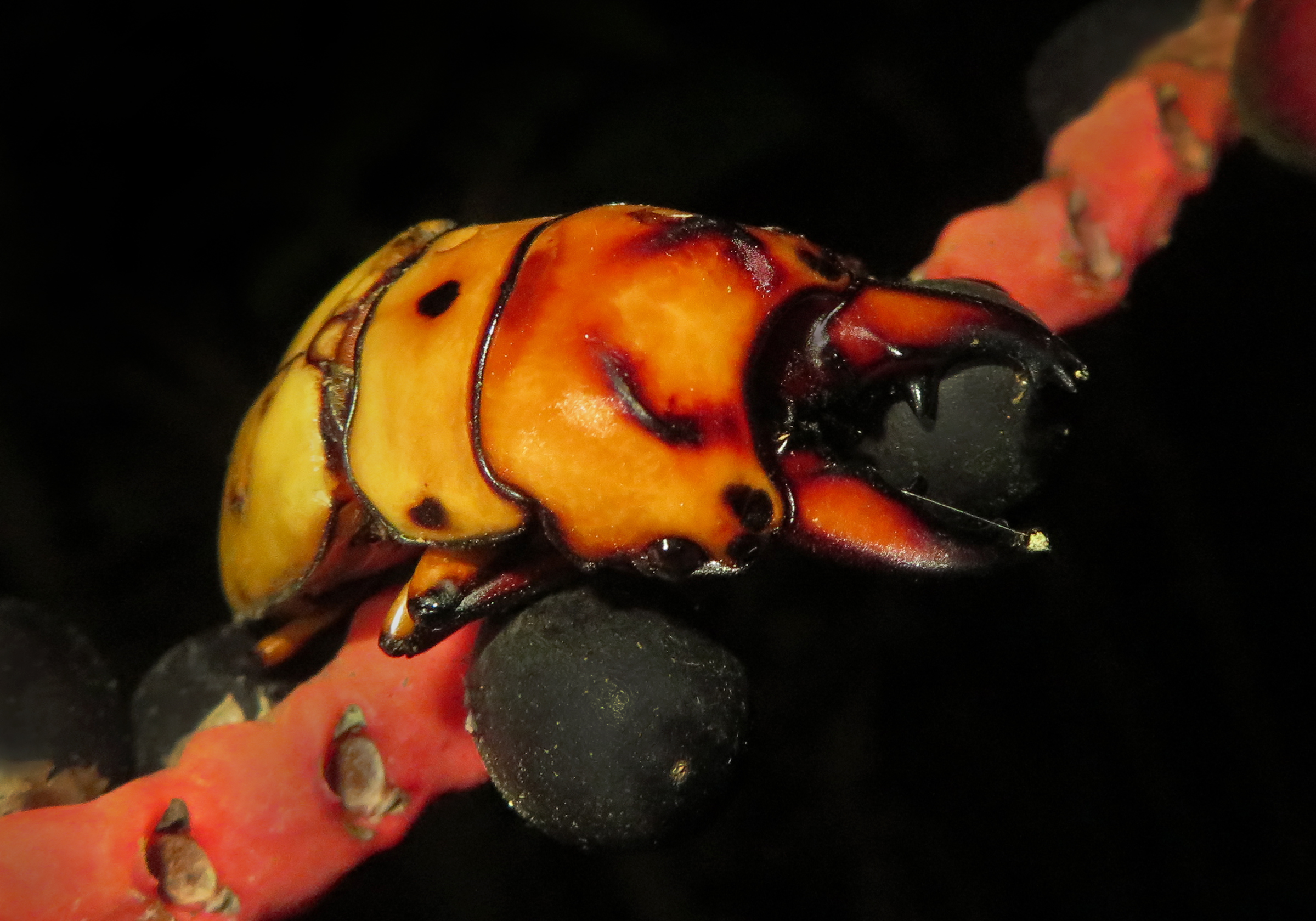
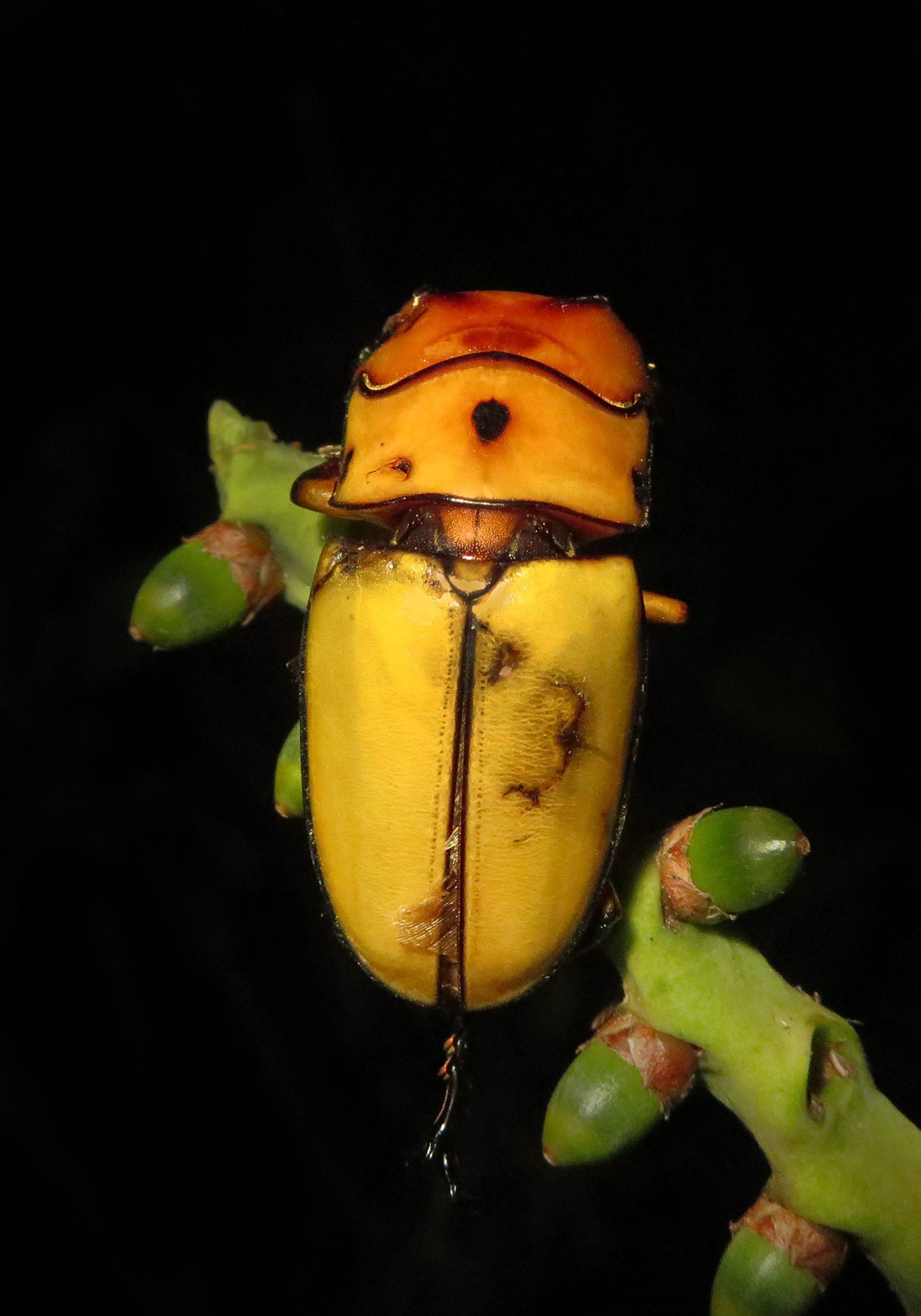
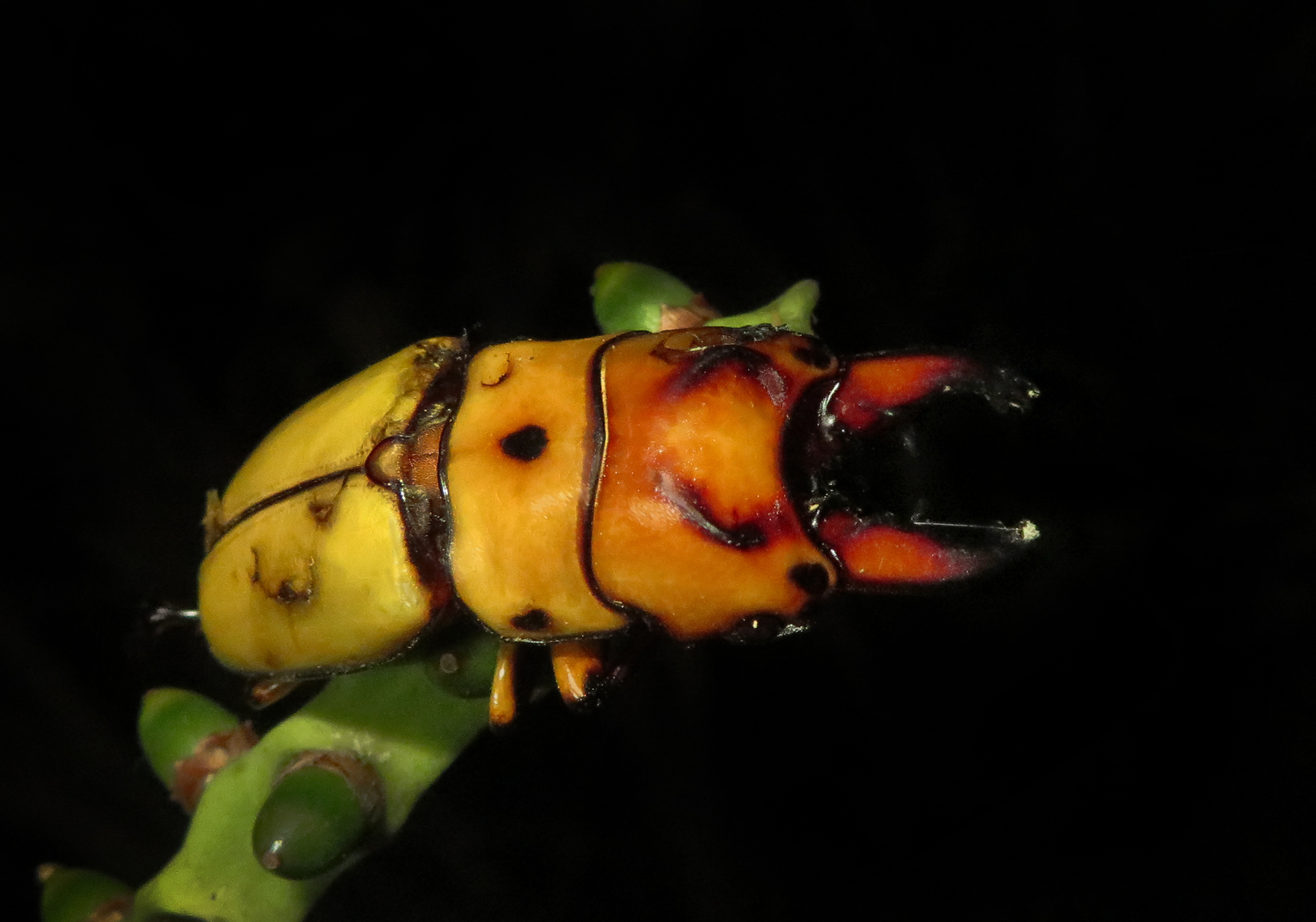
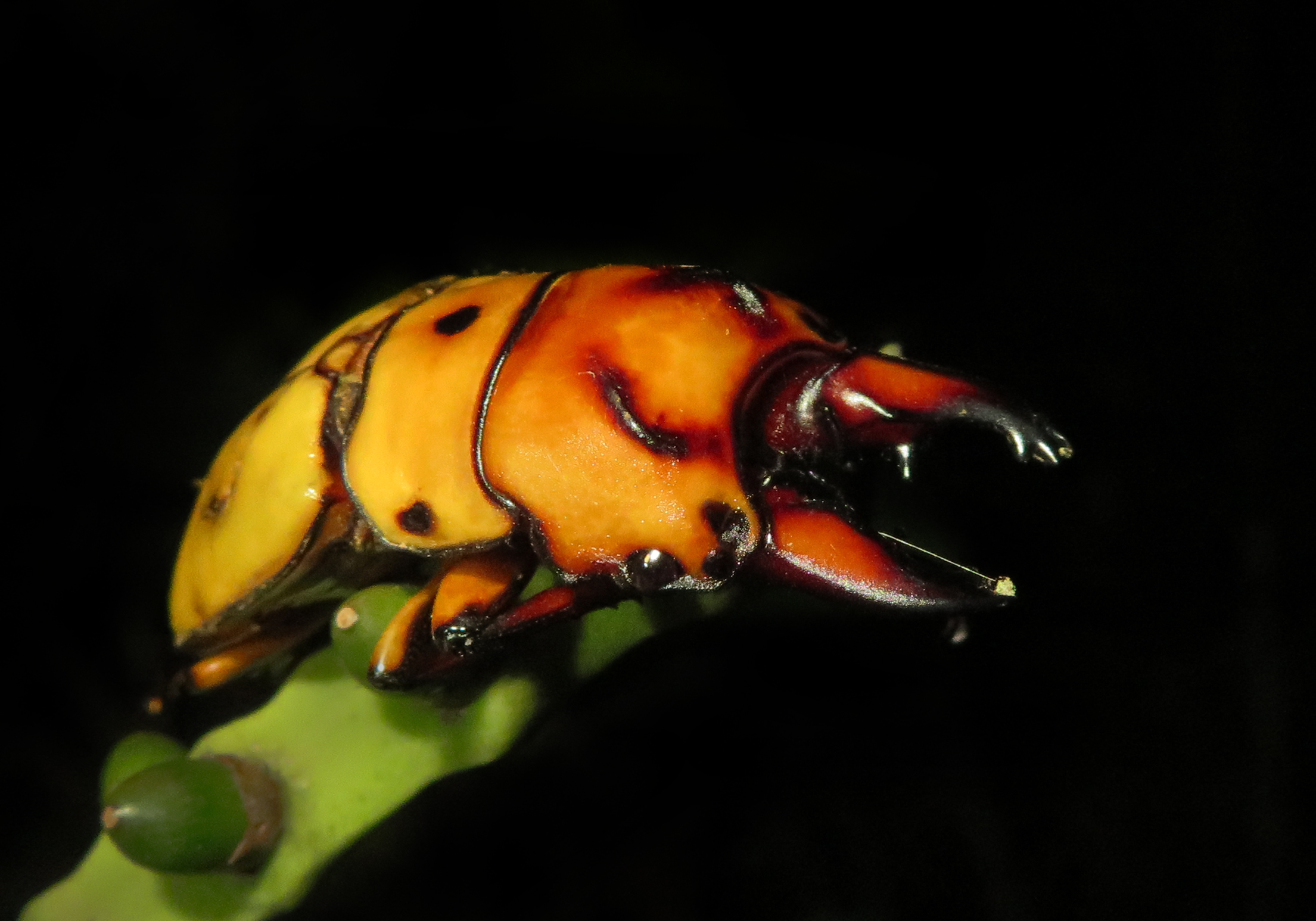
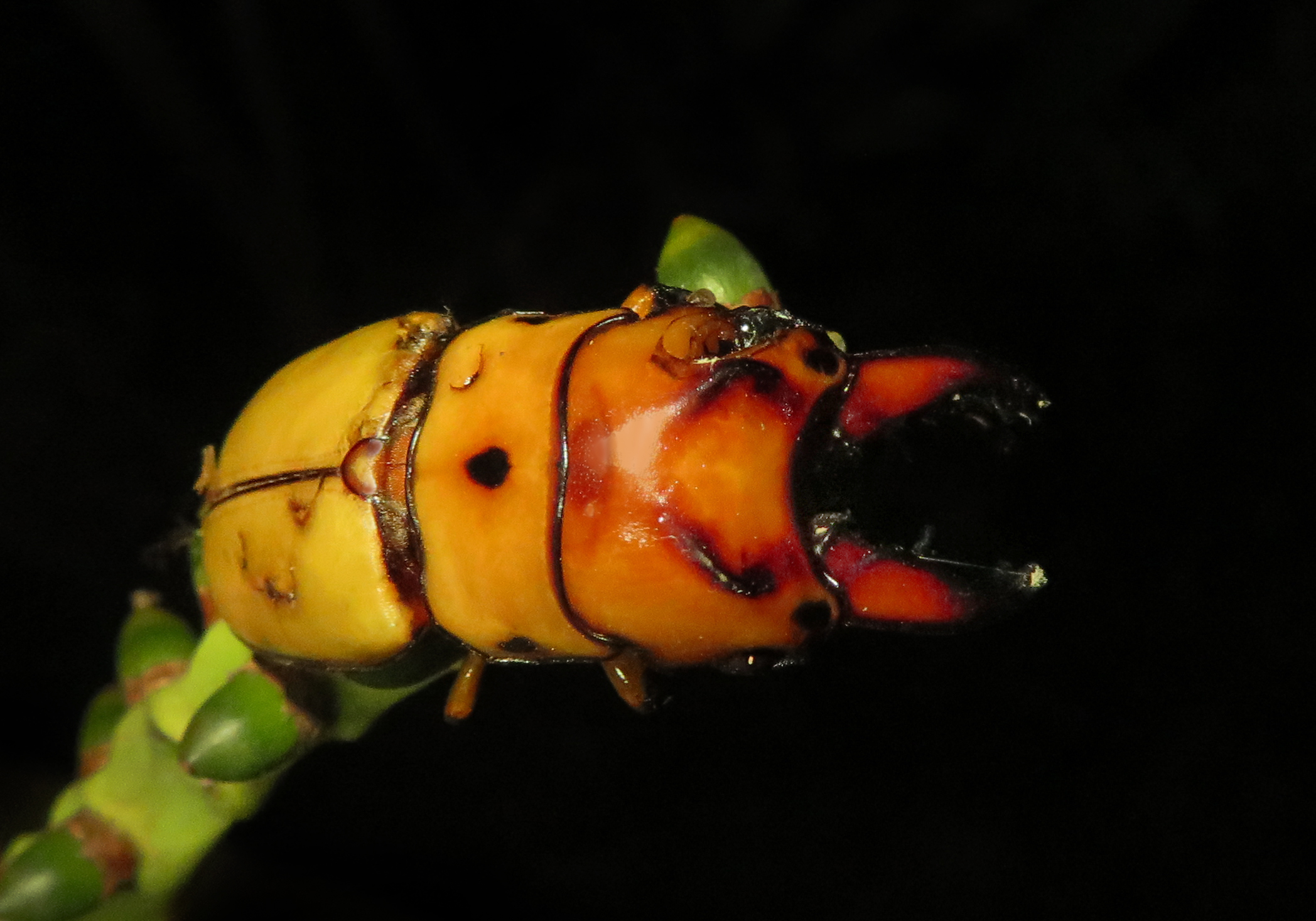
Prosopocoilus occipitalis is a species of stag beetle belonging to the subgenus Cyclotropus (Genus Prosopocoilus, Tribe Lucanini, Family Lucanidae, Order Coleoptera). This species is distributed across parts of South and Southeast Asia, where it inhabits tropical and subtropical forests, woodland habitats, and areas with abundant decaying wood necessary for larval development.
Prosopocoilus occipitalis is a medium to large-sized stag beetle characterized by a robust body and glossy exoskeleton. Coloration typically ranges from dark brown and chestnut-brown to nearly black, often with a polished appearance. Males possess enlarged mandibles that vary in size according to individual development, while females have shorter and more compact mandibles adapted primarily for feeding and substrate manipulation.
The head is broad and well developed, supporting strong mandibles used by males during competition for mates and access to feeding sites. The antennae terminate in the characteristic lamellate club typical of stag beetles, allowing efficient detection of environmental cues and food sources.
The life cycle follows complete metamorphosis and includes egg, larva, pupa, and adult stages. Larvae are large, creamy-white grubs that develop within decomposing wood, rotting logs, stumps, and underground roots. This developmental period may extend over several years before pupation occurs within a chamber constructed in the decayed substrate.
Adults are primarily nocturnal and are commonly found on tree trunks where sap is flowing or near fermenting fruits. They feed on sugary liquids and are most active during warm and humid conditions. Males may engage in ritualized combat using their mandibles to push or lift rivals away from feeding or breeding sites.
Ecologically, Prosopocoilus occipitalis contributes to nutrient recycling through its wood-feeding larval stage, which helps break down decomposing plant material. Adults form part of forest food webs and serve as prey for birds, mammals, reptiles, and predatory insects. Like many stag beetles, the species is closely associated with mature forest ecosystems and is considered an important component of forest biodiversity.