Bali Wildlife
Every Spices Matter


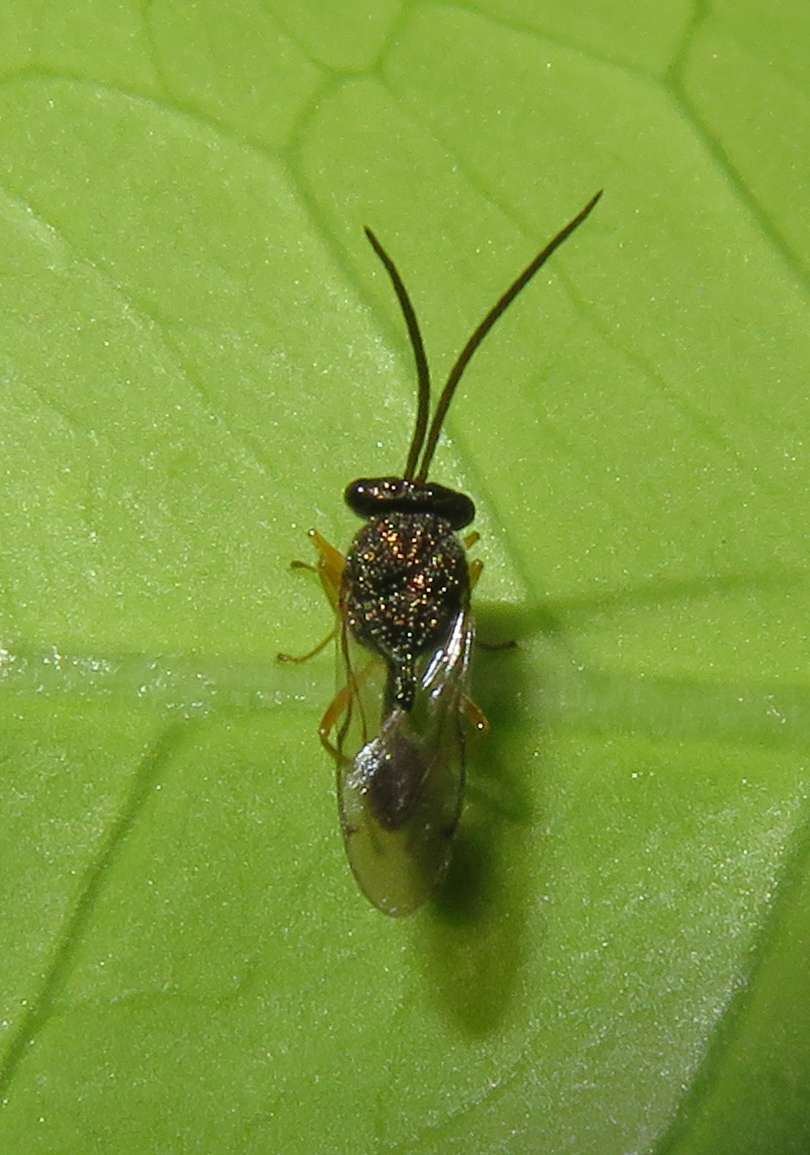
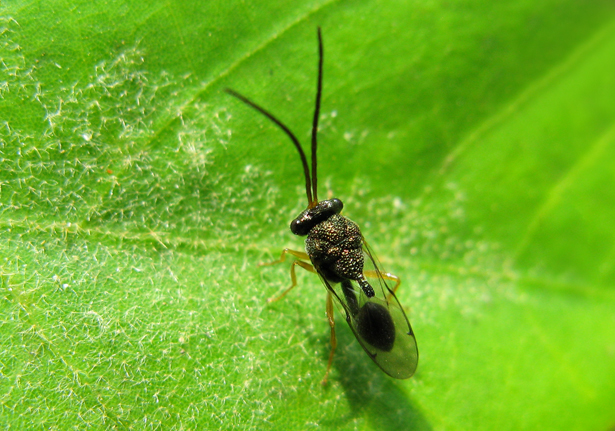
Proctotrupomorpha is an infraorder within the order Hymenoptera, comprising a diverse assemblage of primarily parasitoid wasps. This group is distributed worldwide and occurs in a wide variety of terrestrial habitats, including forests, grasslands, wetlands, and agricultural ecosystems. Many members are minute or very small insects, often overlooked despite their ecological importance.
Wasps of Proctotrupomorpha are generally small to minute in size, though some species are larger. They typically have a slender body with a distinct constriction (waist) between the thorax and abdomen. The head bears well-developed compound eyes and relatively long antennae, which are often important for host detection. Wings, when present, are membranous and may be reduced or absent in some groups.
The infraorder includes several major lineages, such as Chalcidoidea, Platygastroidea, and Proctotrupoidea, among others. These groups exhibit a wide range of morphological adaptations and life histories, but most share a parasitoid lifestyle.
The life cycle involves complete metamorphosis. Females lay eggs in or on other arthropods, including insects and their eggs, larvae, or pupae. The developing larvae feed on the host, eventually killing it. Many species are highly specialized, targeting specific hosts or life stages, while others may be more generalist.
Adults often feed on nectar, honeydew, or host fluids, and many are active in searching for hosts using chemical and visual cues. Despite their small size, they are highly efficient in locating hosts in complex environments.
Ecologically, Proctotrupomorpha plays a critical role in regulating populations of other arthropods, particularly those that can become pests. Many species are important agents in biological control programs used in agriculture. Their diversity, specialization, and widespread distribution make them a key component of terrestrial ecosystems and biodiversity.