Bali Wildlife
Every Spices Matter


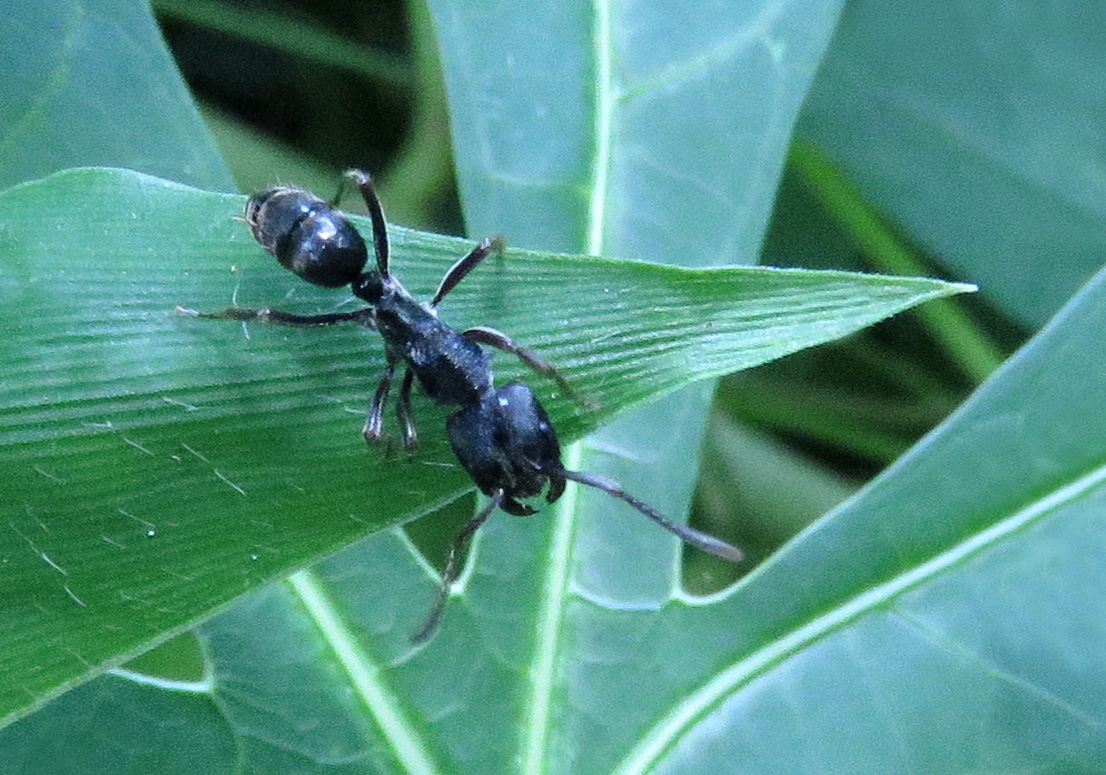
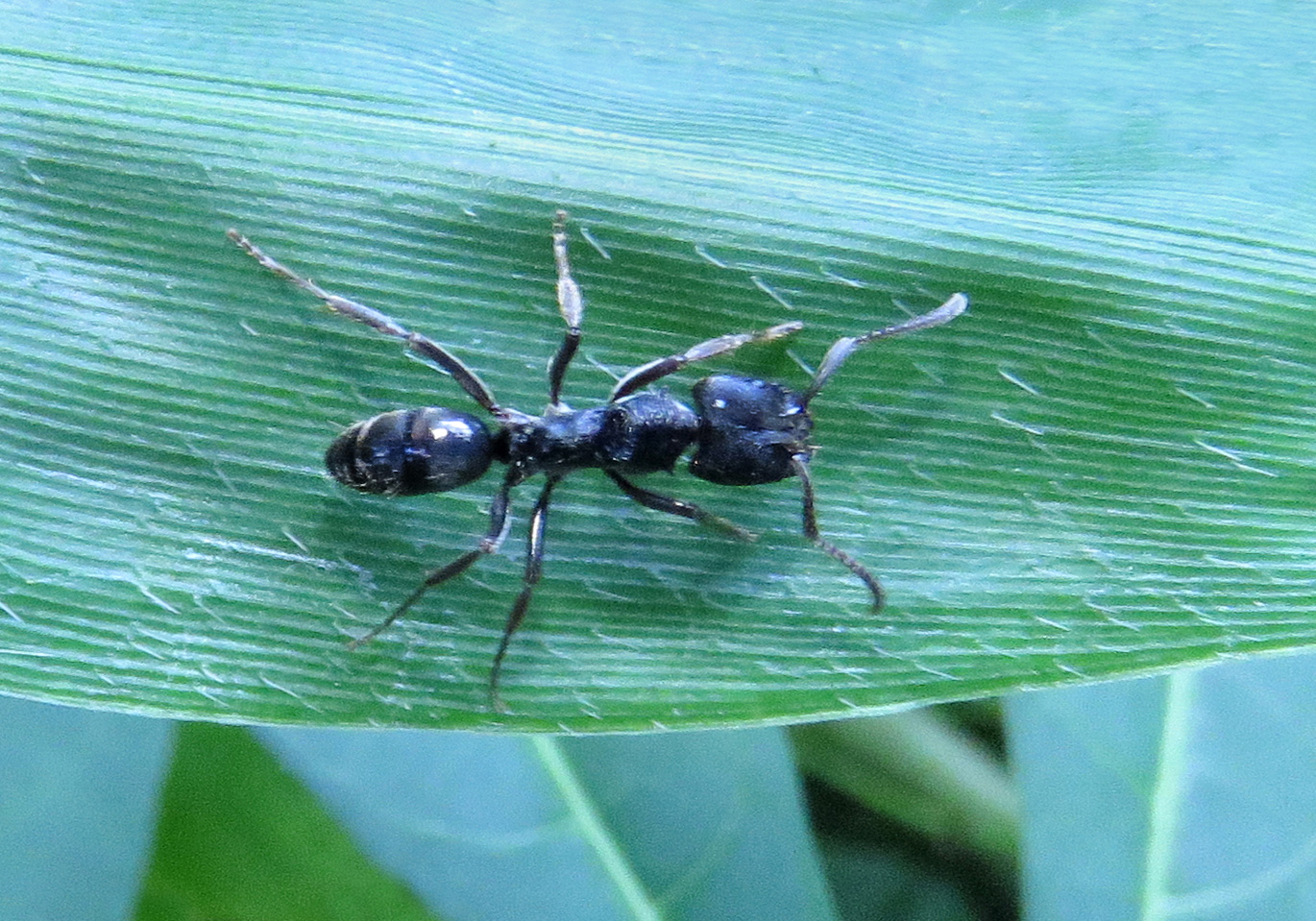
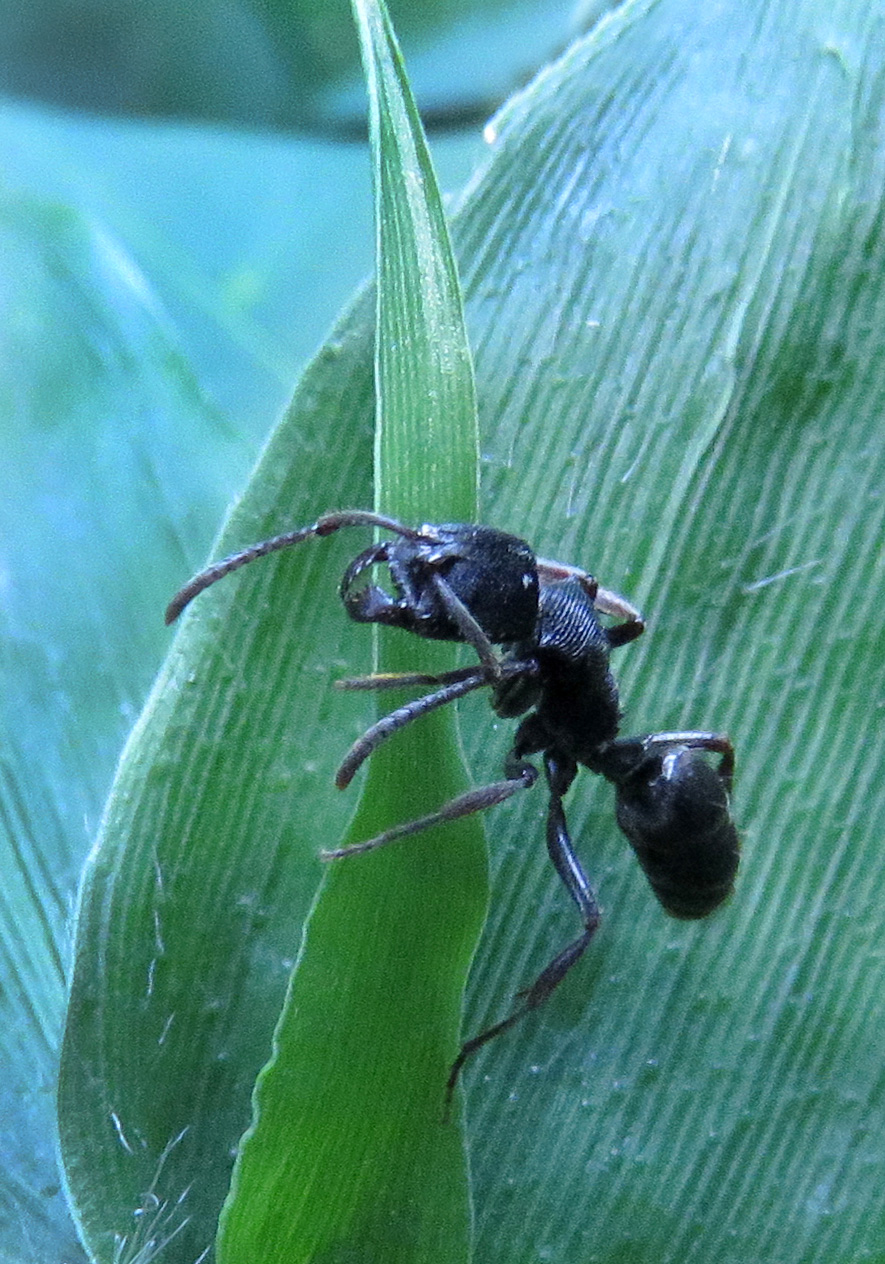
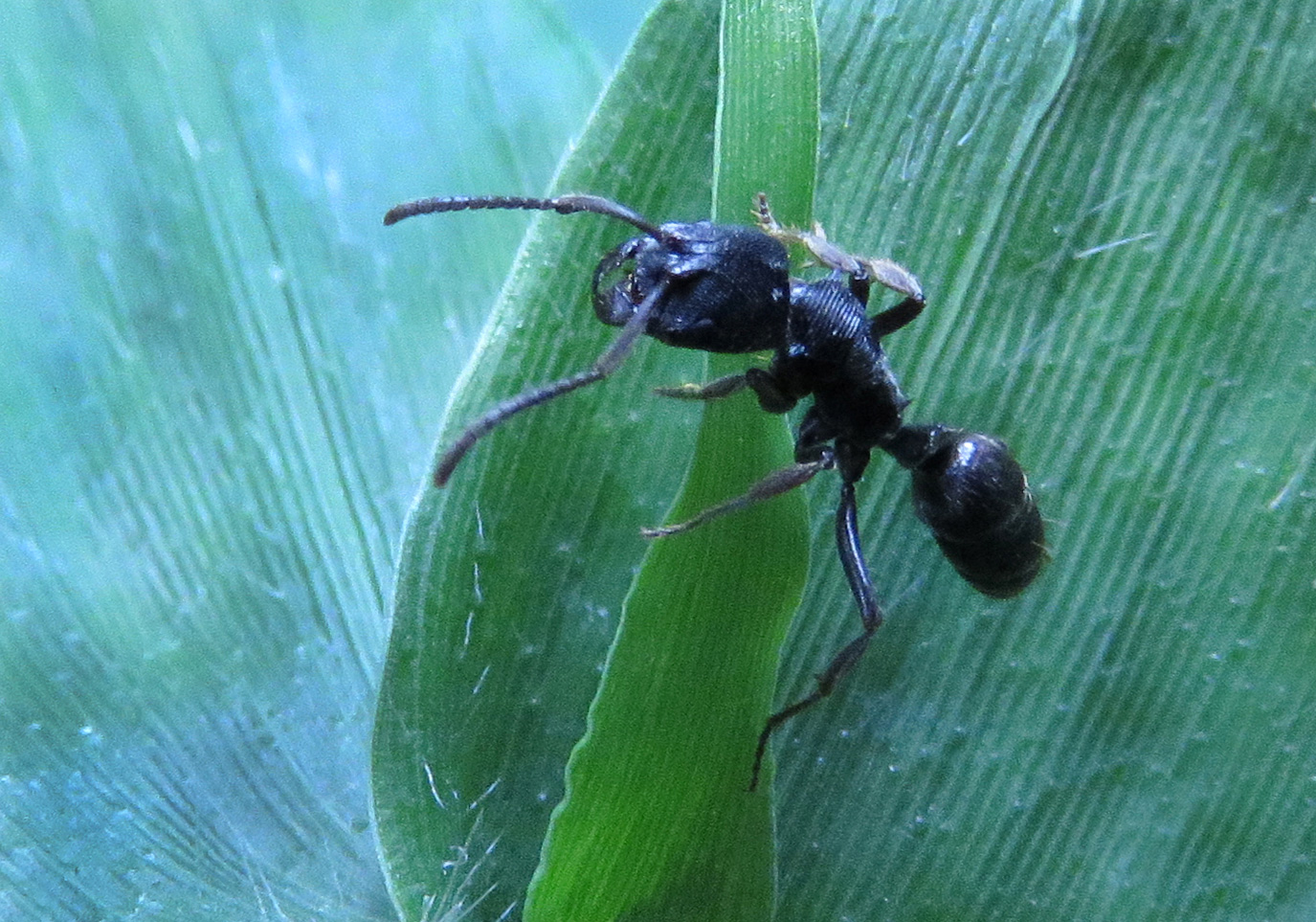
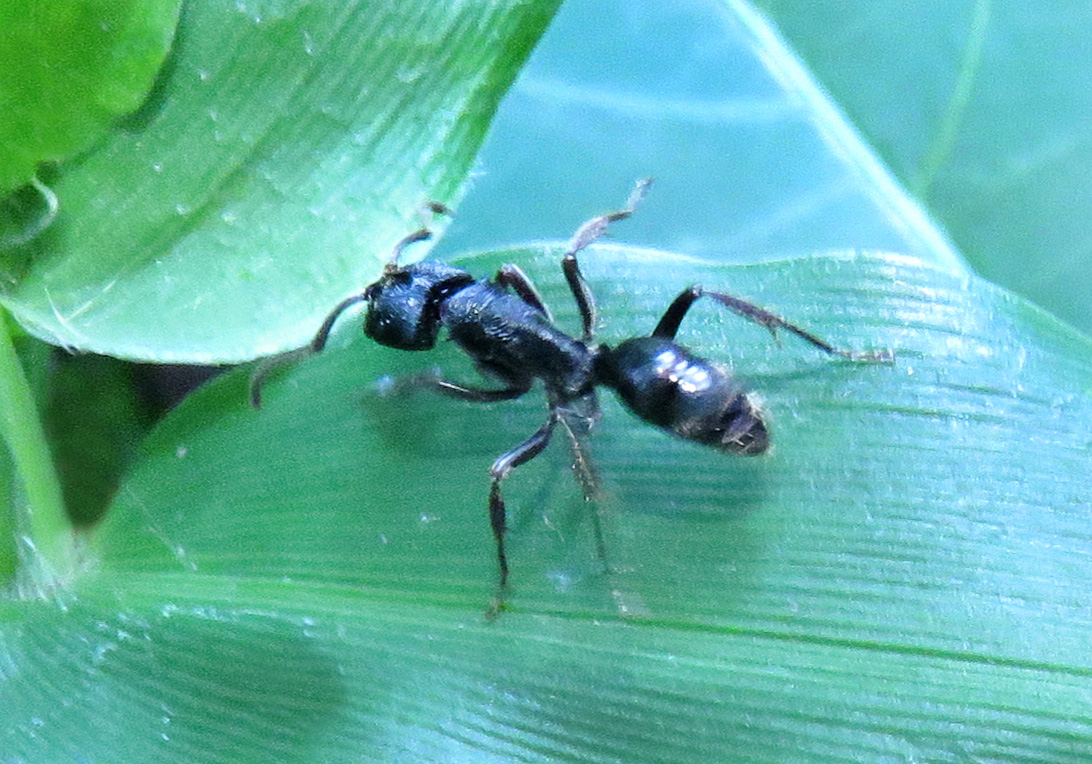
Ponerini is a tribe within the subfamily Ponerinae (Family Formicidae, Order Hymenoptera) and represents one of the core lineages of predatory ants within this subfamily. The tribe has a worldwide distribution, with greatest diversity in tropical and subtropical regions, especially in forested habitats.
Members of Ponerini are generally medium to large-sized ants with a robust, often elongate body form adapted for an active predatory lifestyle. The petiole consists of a single, well-defined node, and the gaster is typically constricted at its base. Antennae are geniculate, and the mandibles are strong, often elongated and equipped with sharp teeth for grasping and subduing prey.
A defining characteristic of Ponerini is the presence of a functional stinger connected to well-developed venom glands. The stinger is used to immobilize or kill prey and serves as an effective defensive weapon. Unlike formicine ants, members of this tribe do not possess an acidopore.
Social organization in Ponerini is relatively simple compared to more derived ant tribes. Colonies are usually small, often numbering dozens to a few hundred individuals, with limited worker polymorphism. Foraging is typically solitary, and recruitment to food sources is minimal or absent.
Ecologically, Ponerini ants are primarily predators, feeding on a wide range of arthropods and other small invertebrates. They usually nest in soil, leaf litter, rotting wood, or beneath stones, and many species are associated with humid, shaded environments.
Reproductive biology follows the typical ant pattern, with winged males and queens participating in mating flights, although wing reduction and alternative reproductive strategies occur in some genera. Development is holometabolous, with haplodiploid sex determination.
Tribe Ponerini represents a lineage that retains many ancestral ant characteristics, including strong predatory behavior, a functional stinger, and relatively simple social structure, making it an important group for understanding ant evolution and ecology.