Bali Wildlife
Every Spices Matter


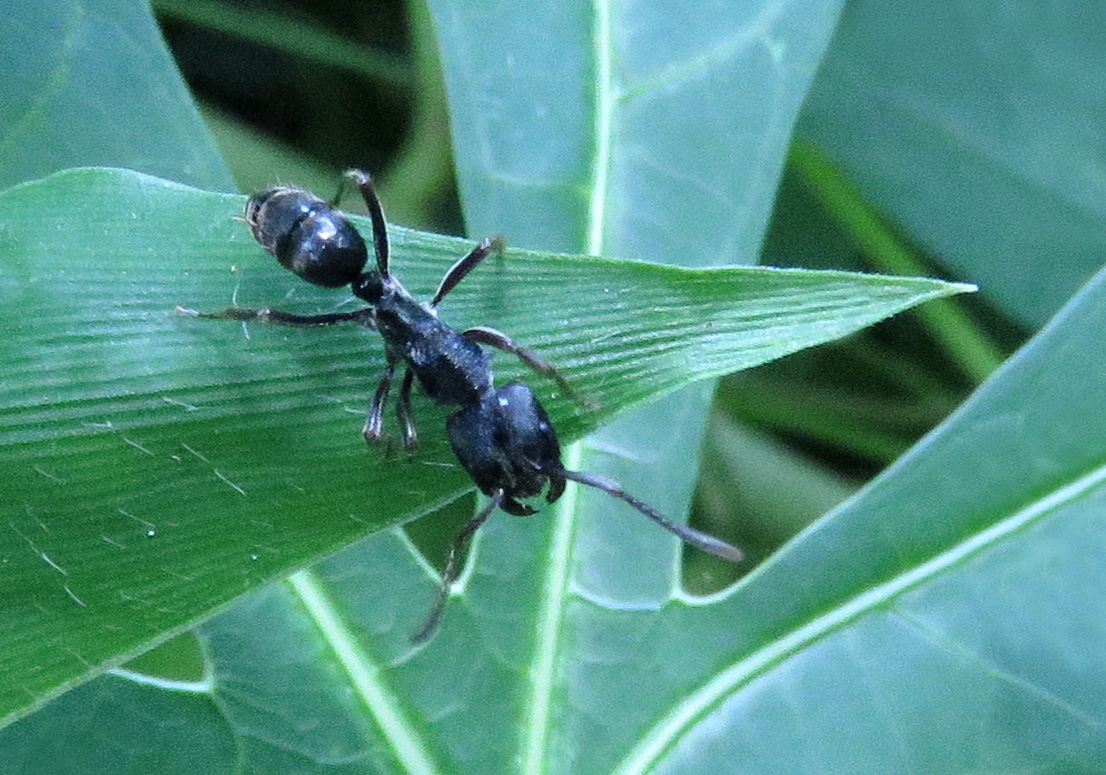
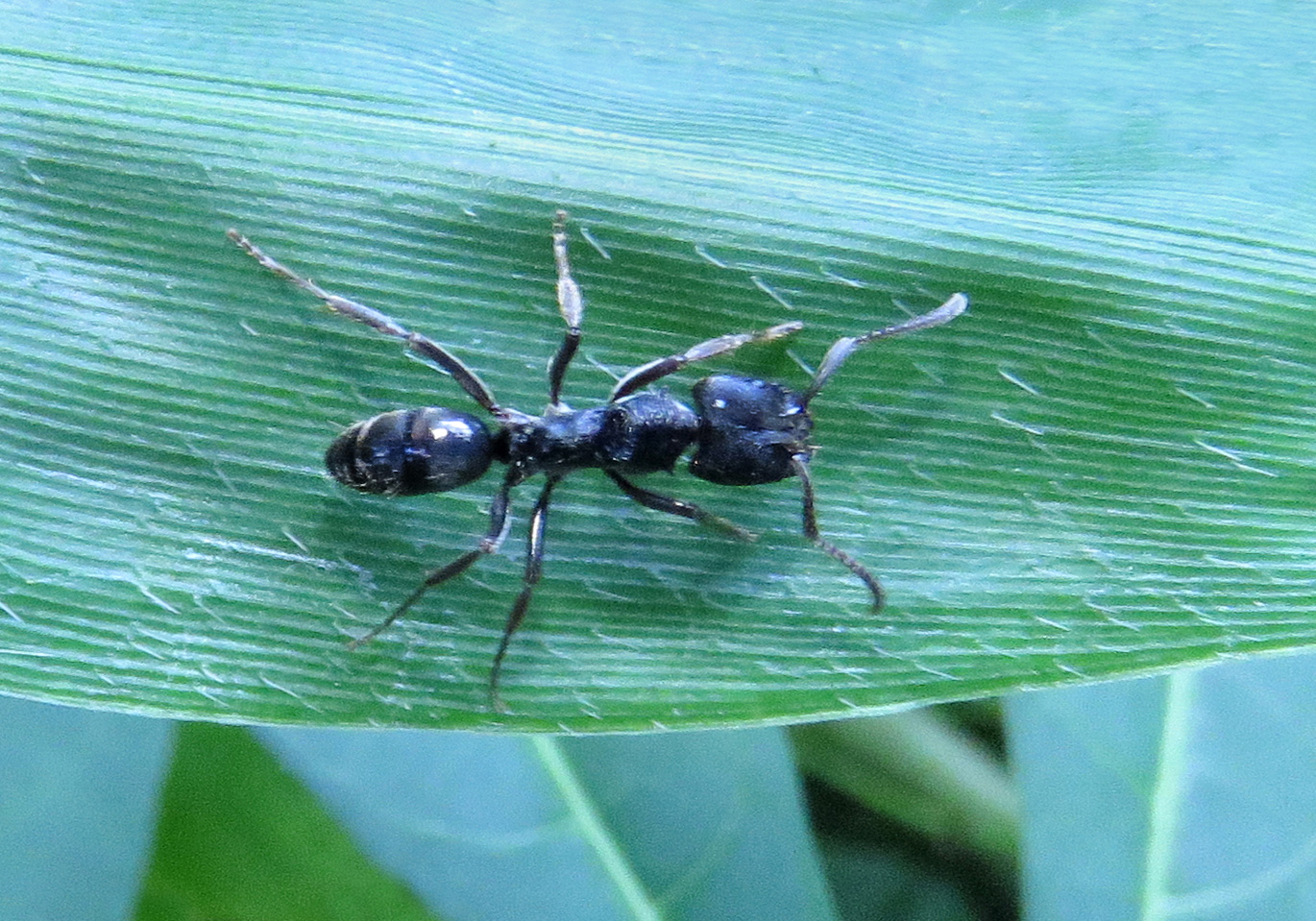
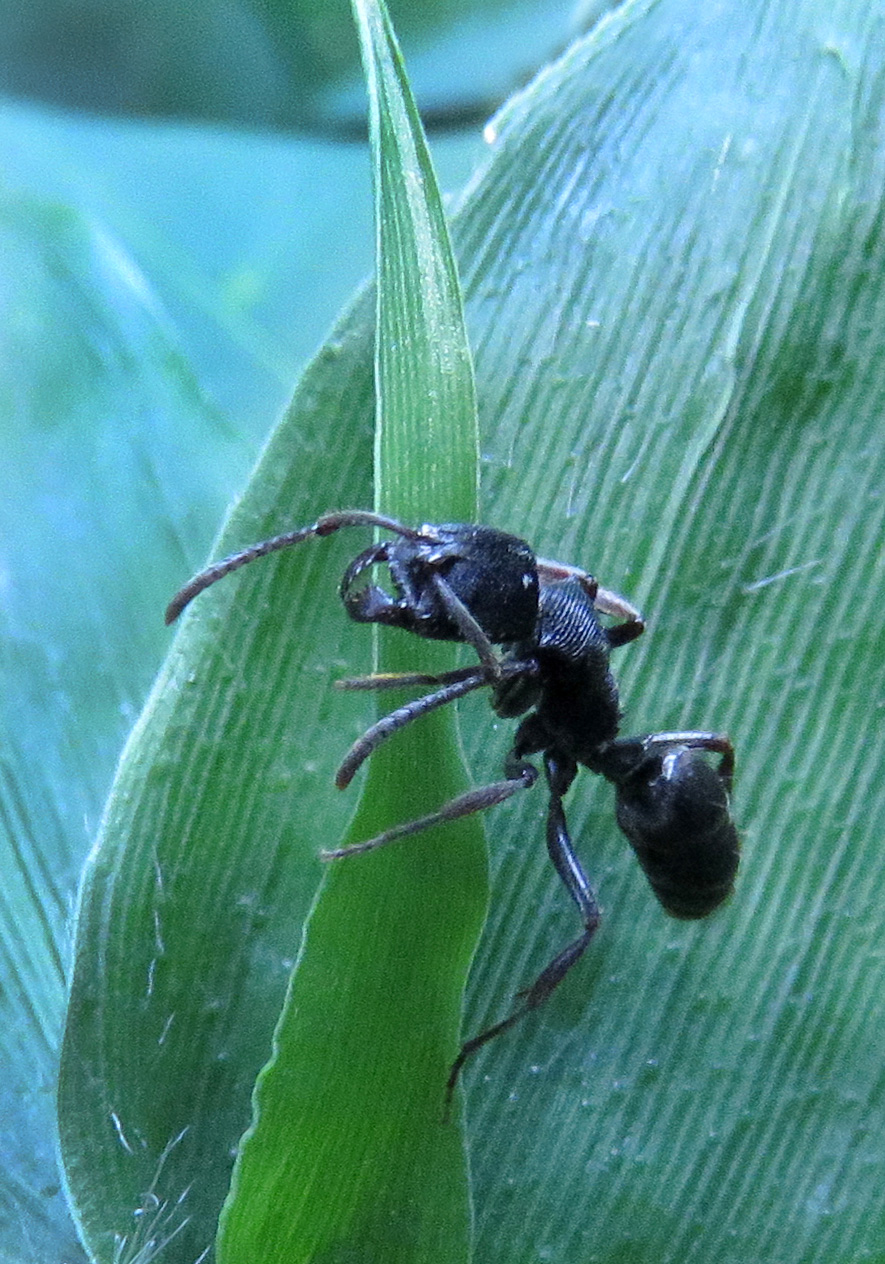
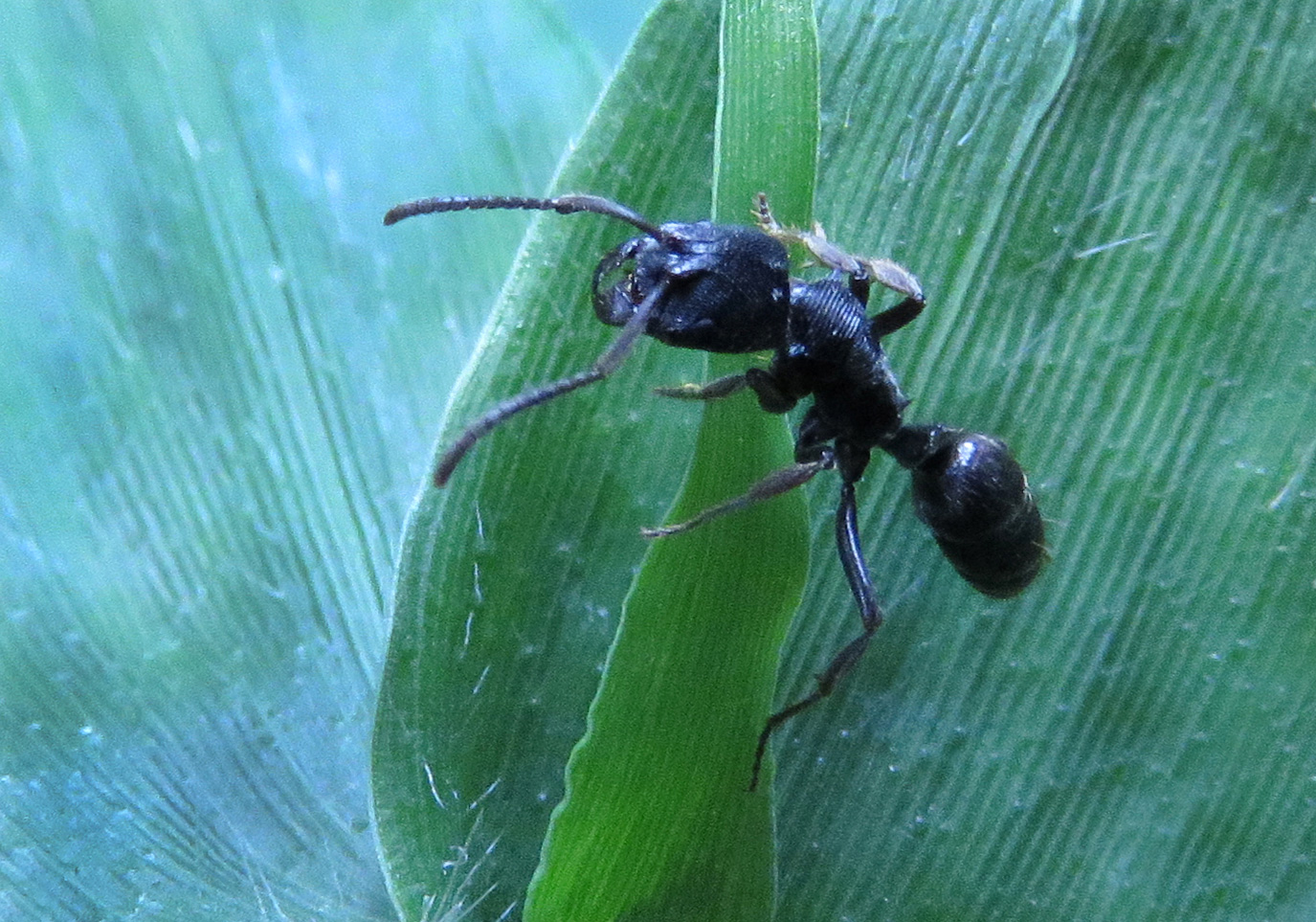
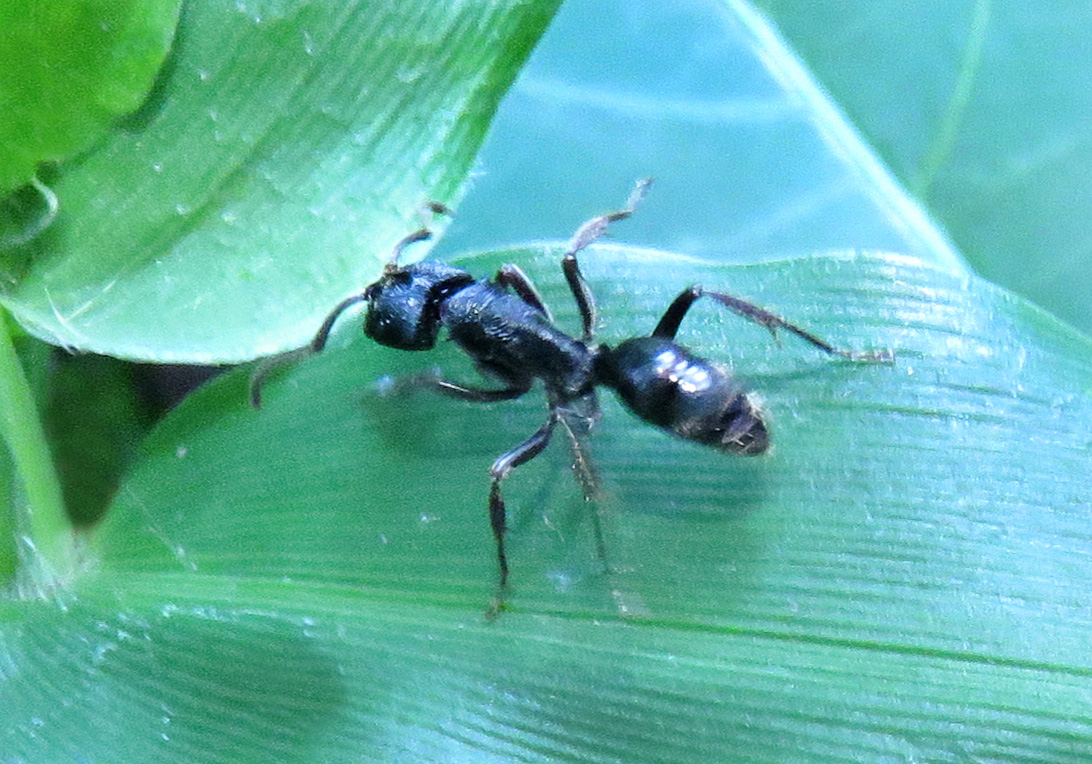
Ponerinae is a subfamily within the family Formicidae (Superfamily Formicoidea, Order Hymenoptera) that represents one of the more primitive and predatory lineages of ants. The subfamily has a cosmopolitan distribution, with greatest species diversity in tropical and subtropical regions, particularly in forests.
Members of Ponerinae are typically medium to large-sized ants with a robust, often elongate body form. The petiole consists of a single, distinct node, and the gaster is usually constricted at its base. Antennae are geniculate, usually with 12 segments, and mandibles are strong and often elongated, adapted for grasping and subduing prey.
A defining feature of Ponerinae is the presence of a functional stinger, which is used to paralyze or kill prey and for defense. Venom is an important component of their predatory lifestyle. Unlike formicine ants, ponerines lack an acidopore and do not spray formic acid.
Social organization in Ponerinae is generally simpler than in more derived ant subfamilies. Colonies are often small, with limited worker polymorphism and relatively little caste specialization. Some species exhibit queenless colonies or reproductive workers, reflecting a range of social strategies within the subfamily.
Ecologically, ponerine ants are primarily predators, hunting other arthropods and small invertebrates. They typically forage individually rather than using mass recruitment and rely on stealth and strength rather than chemical trails. Nests are commonly constructed in soil, leaf litter, rotting wood, or under stones.
Reproduction follows the typical ant life cycle, with holometabolous development and haplodiploid sex determination. Queens and males are usually winged, though wing reduction or loss occurs in some lineages.
Subfamily Ponerinae represents a key evolutionary lineage within Formicidae, characterized by a retained stinger, predatory habits, and relatively simple social structure, providing important insights into early ant evolution and ecology.