Bali Wildlife
Every Spices Matter


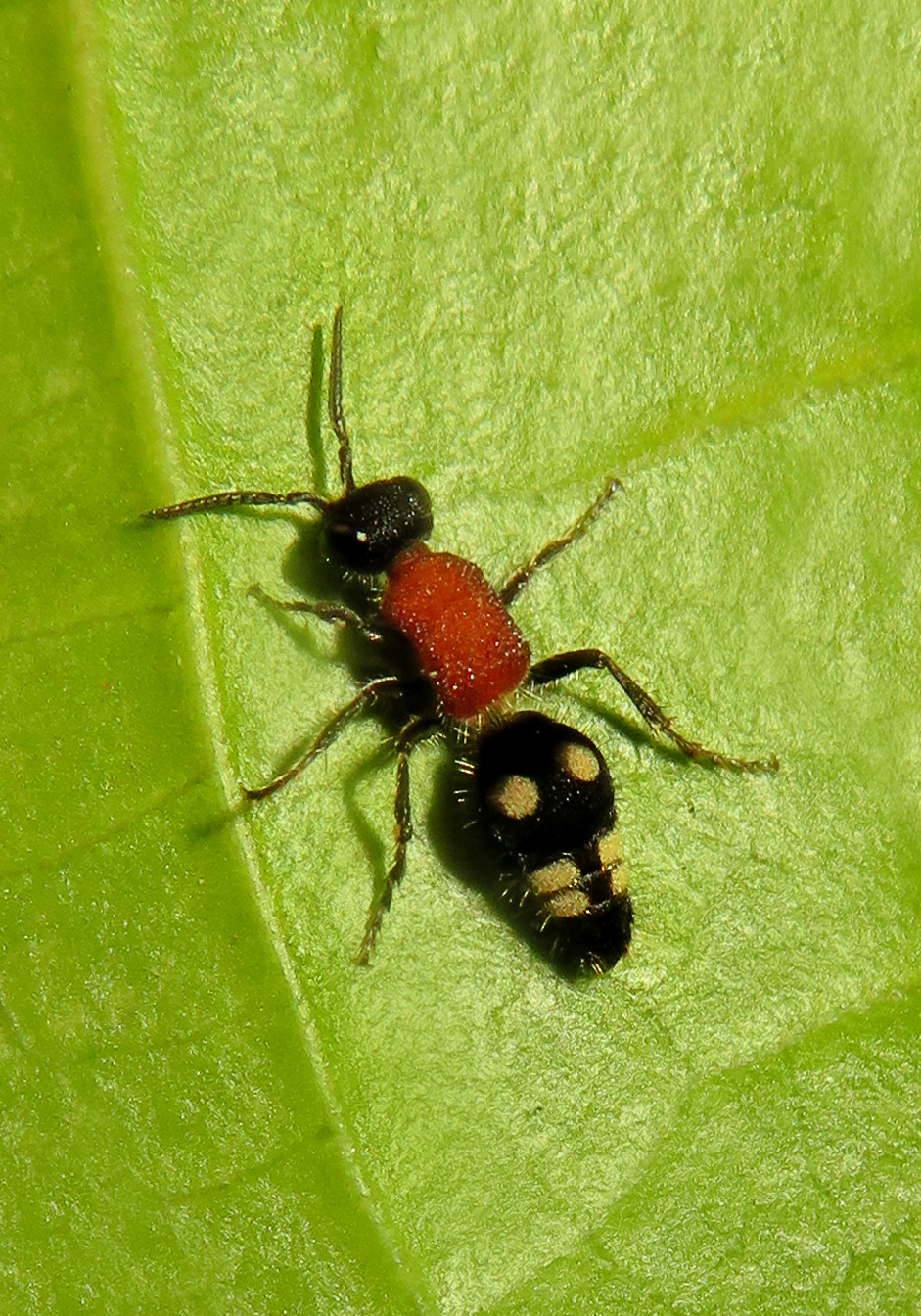
Pompiloidea is a superfamily within the infraorder Aculeata (Suborder Apocrita, Order Hymenoptera) that includes the spider wasps and their allies. This superfamily is widely distributed worldwide and is especially diverse in tropical and subtropical regions, though many species also occur in temperate zones.
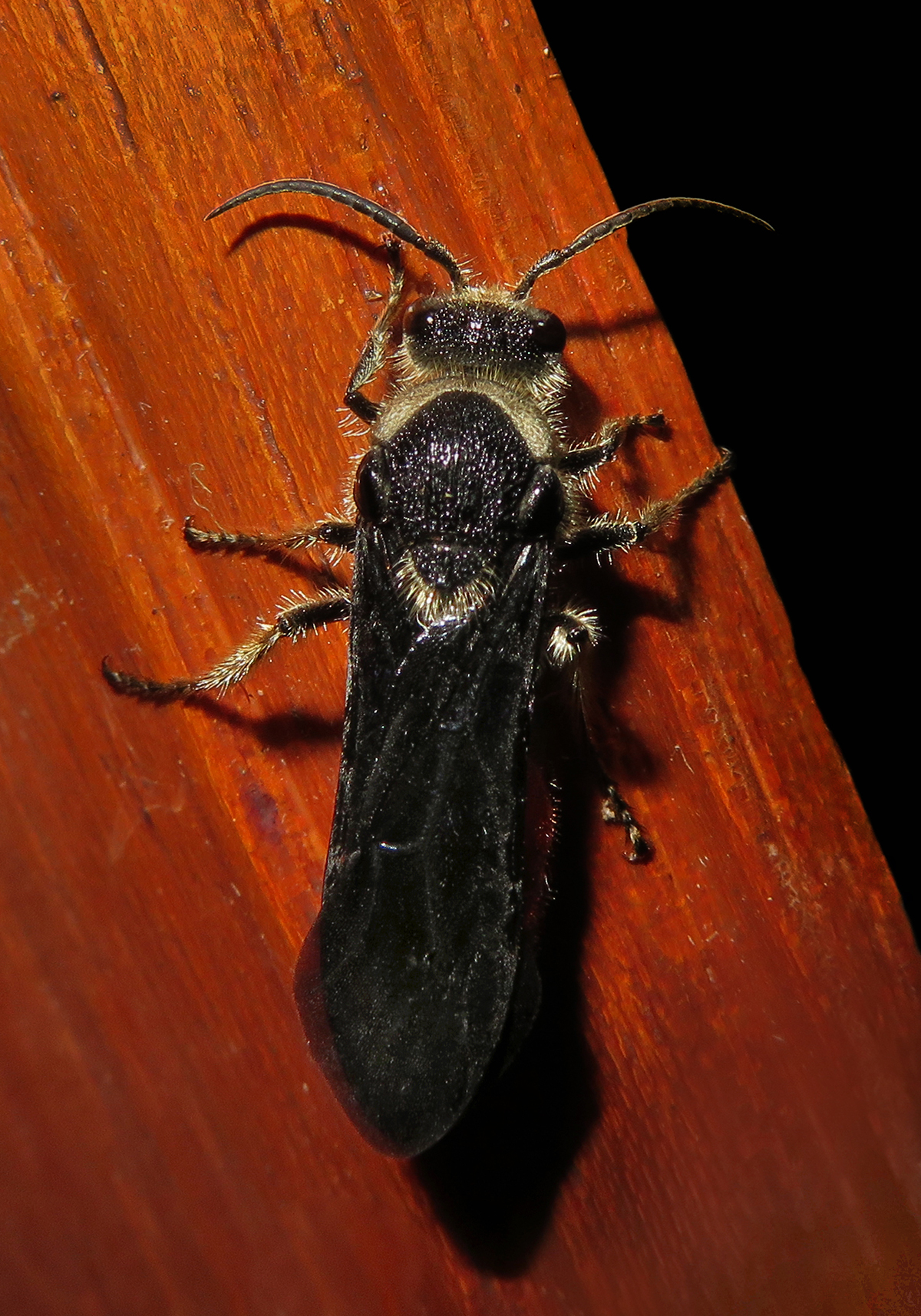
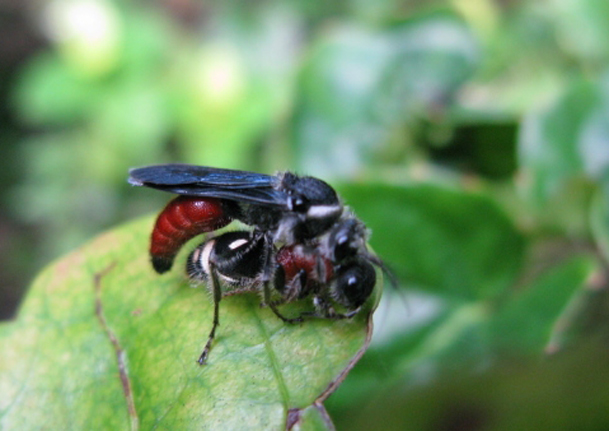
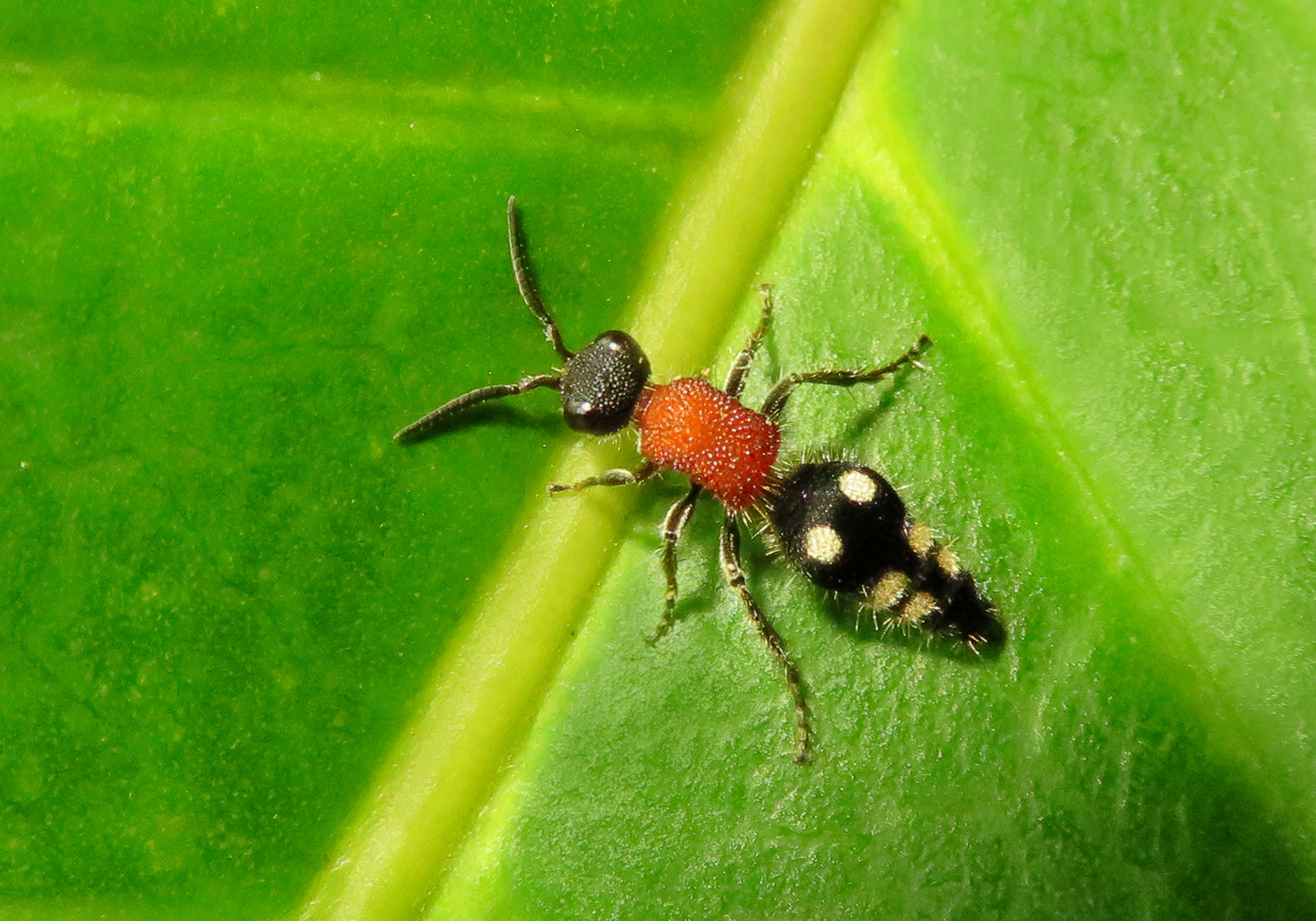
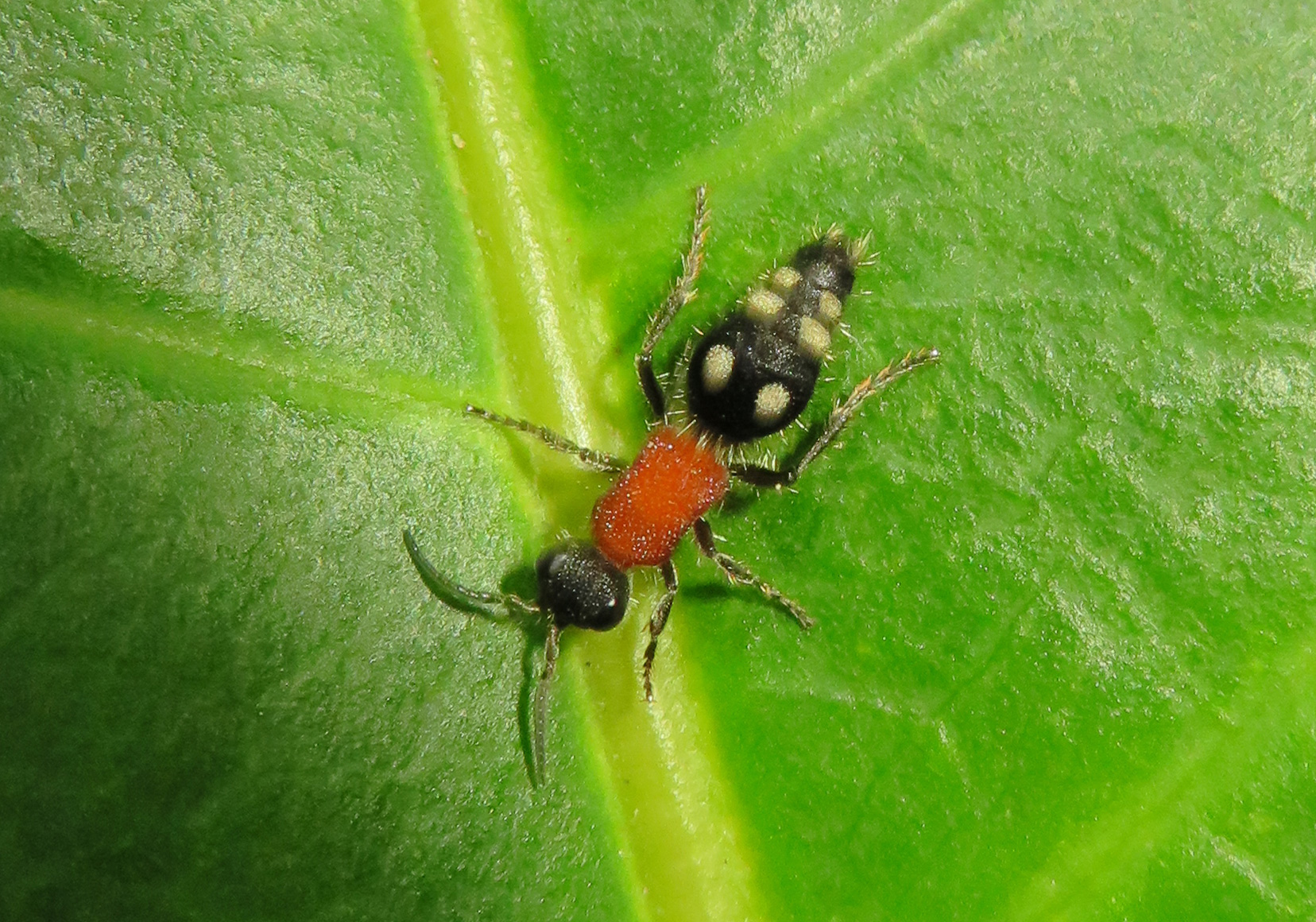
Members of Pompiloidea are typically medium to large-sized wasps with a slender, long-legged body form adapted for active hunting. The legs are often elongated and spiny, aiding in rapid movement across surfaces and in handling prey. Wings are membranous and usually smoky or darkly tinted, and the body coloration commonly features contrasting black, orange, red, or metallic hues.
A defining characteristic of Pompiloidea is their predatory specialization on spiders. Females actively hunt spiders, which are paralyzed with a precise sting and then used as food for their larvae. Depending on the species, the spider may be placed in a burrow, crevice, or constructed cell, where an egg is laid on the immobilized prey.
The stinger is well developed and delivers potent venom capable of inducing long-lasting paralysis without killing the spider. This allows the prey to remain fresh for the developing larva. Adult wasps typically feed on nectar and other plant-derived resources, while the larvae are carnivorous.
Behaviorally, members of Pompiloidea are mostly solitary, with no permanent social structure. Nesting behavior varies widely, ranging from ground burrows to the use of pre-existing cavities or exposed cells. Many species show complex prey-handling and nest-construction behaviors.
Ecologically, Pompiloidea play an important role as regulators of spider populations and as pollinators when visiting flowers for nectar. Their presence reflects healthy arthropod communities and structurally complex habitats.
Superfamily Pompiloidea represents a highly specialized and behaviorally sophisticated lineage of aculeate wasps, defined by spider predation, powerful stings, and diverse nesting strategies.