Bali Wildlife
Every Spices Matter


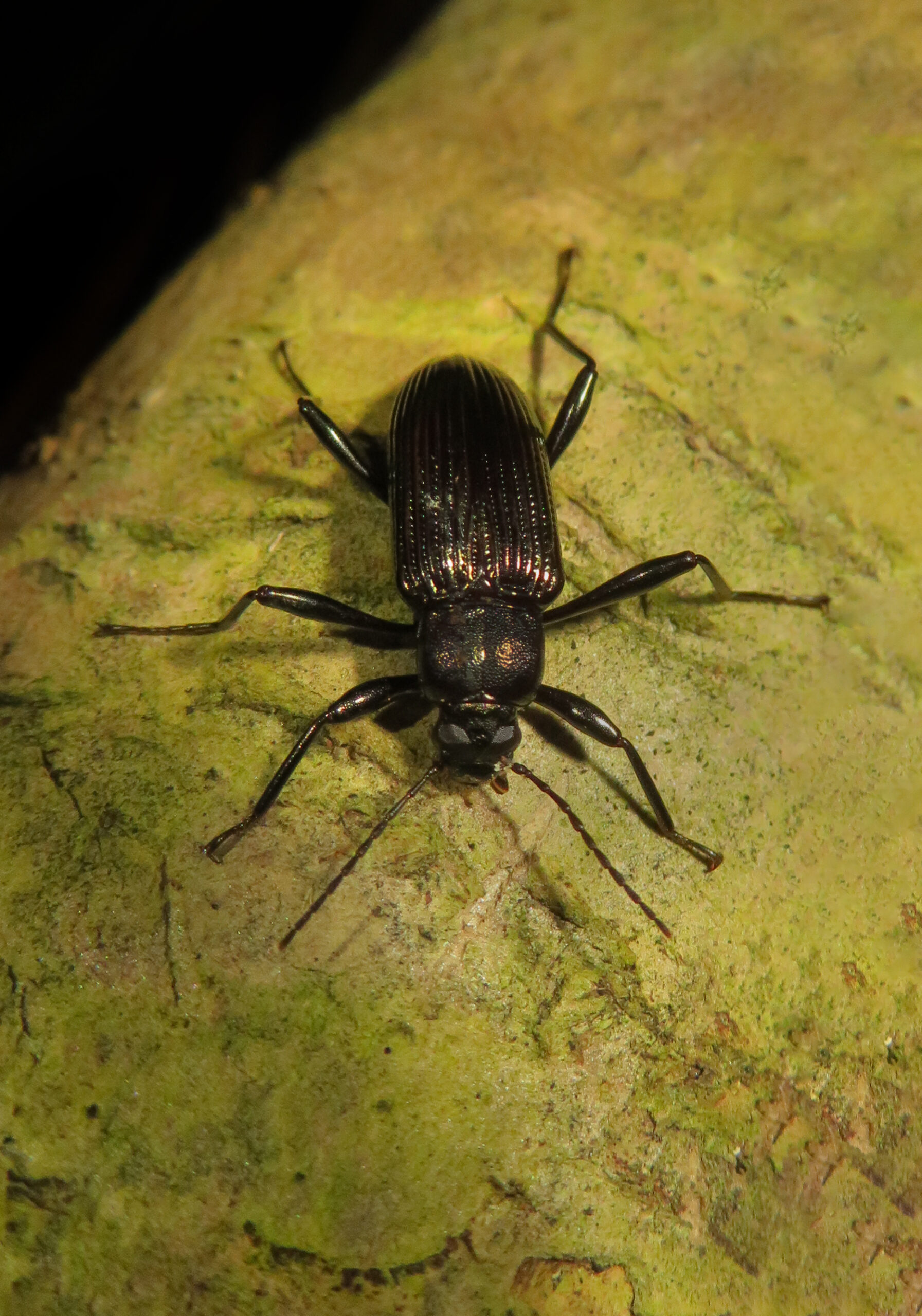
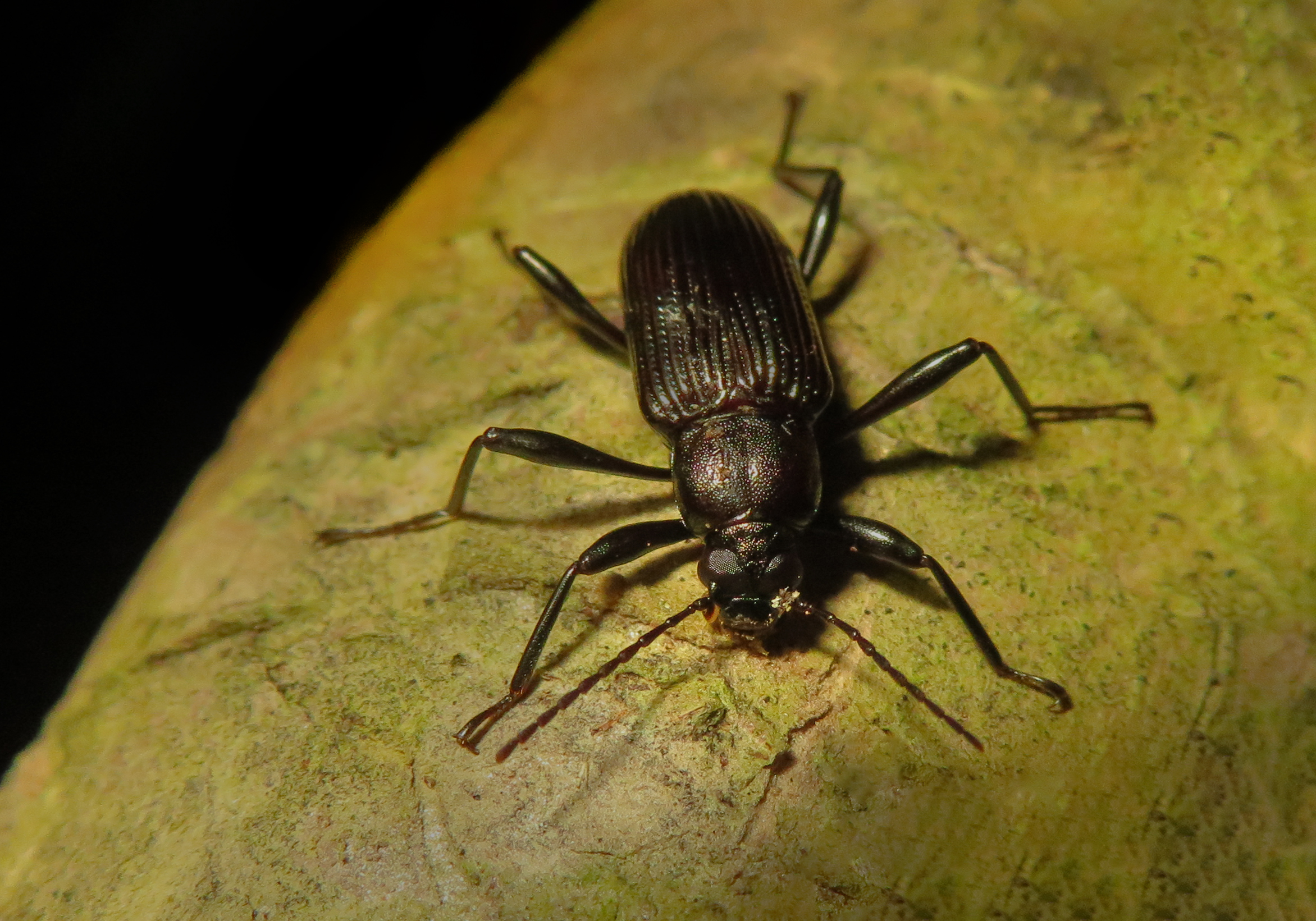
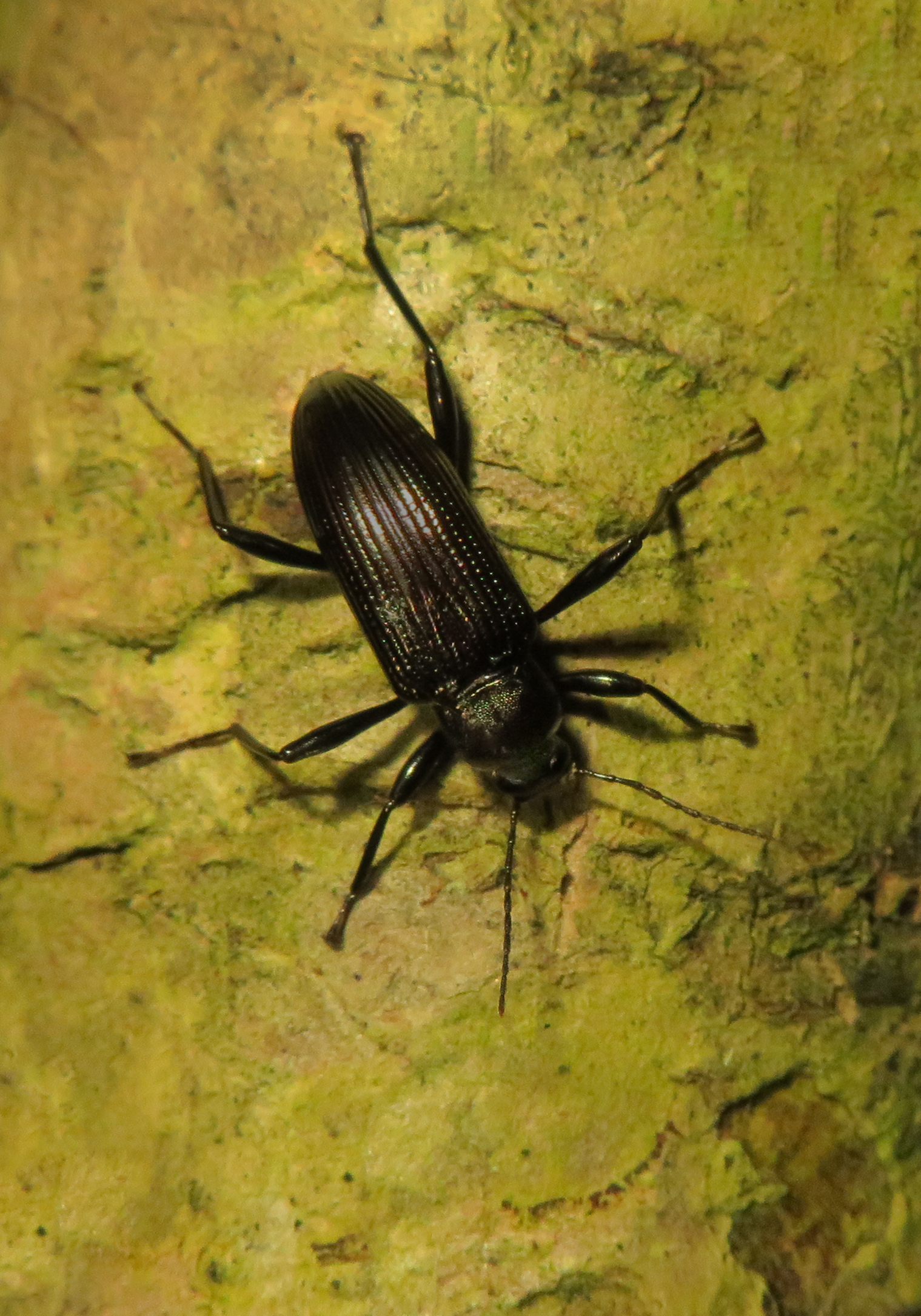
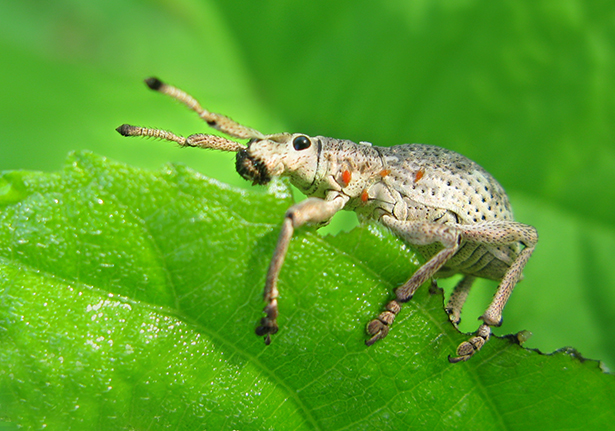
Polyphaga is the largest and most diverse suborder of the order Coleoptera, comprising the majority of all known beetle species. Members of this suborder are distinguished by anatomical features of the thorax and abdomen, particularly the absence of a notopleural suture on the prothorax and the concealment of the hind coxae, which do not divide the first abdominal sternite. These structural traits reflect a wide range of functional and ecological adaptations.
Polyphagan beetles exhibit remarkable diversity in body size, form, and lifestyle. They occupy nearly all terrestrial and many freshwater habitats, including forests, grasslands, deserts, freshwater systems, soil, decaying organic matter, and human-modified environments. Feeding strategies are extremely varied and include herbivory, predation, scavenging, fungivory, wood-boring, and detritivory, contributing to their ecological success.
Like all beetles, Polyphaga undergo complete metamorphosis, with distinct egg, larval, pupal, and adult stages. Larvae are often highly specialized for feeding within specific substrates, while adults may be adapted for dispersal, defense, or reproduction. The forewings are modified into elytra that protect the hindwings and abdomen, and mouthparts are typically mandibulate, though adapted to diverse diets.
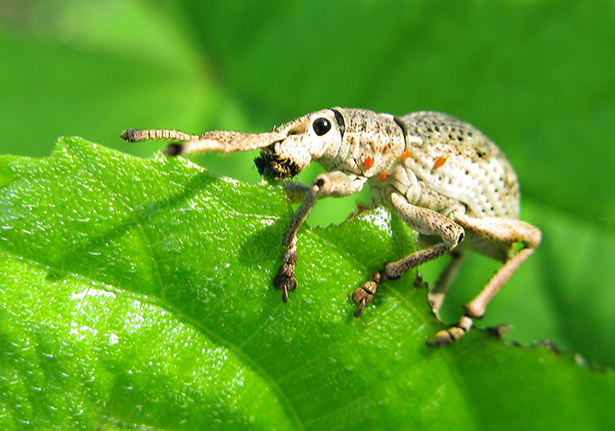
Polyphaga includes many well-known and ecologically significant beetle families, such as Scarabaeidae, Cerambycidae, Curculionidae, Staphylinidae, and Coccinellidae. Members of this suborder play crucial roles in ecosystems as decomposers, herbivores, predators, and pollinators, and they are of major economic importance, both as beneficial organisms and as pests affecting agriculture, forestry, and stored products.