

Tribe Polycestini
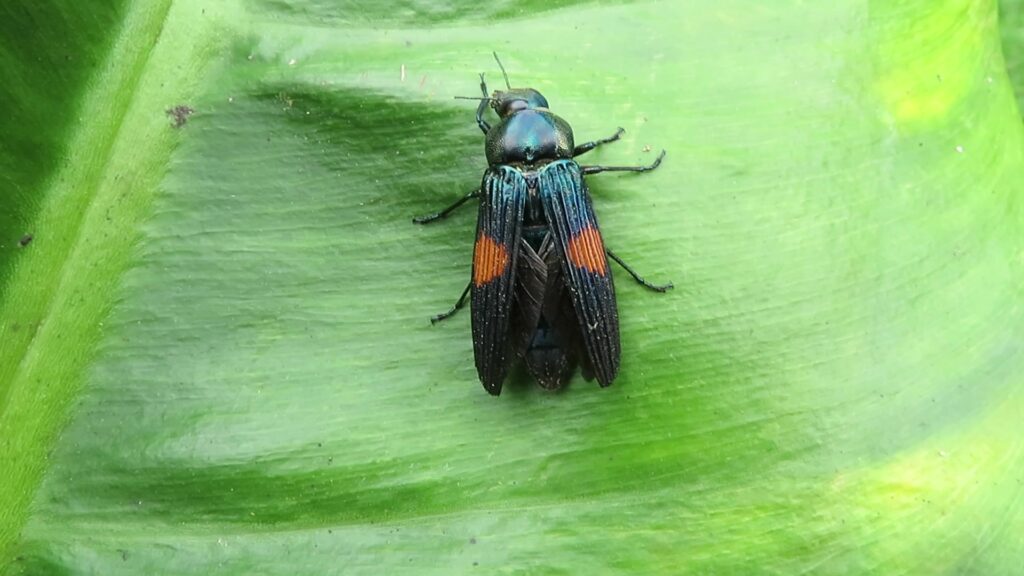
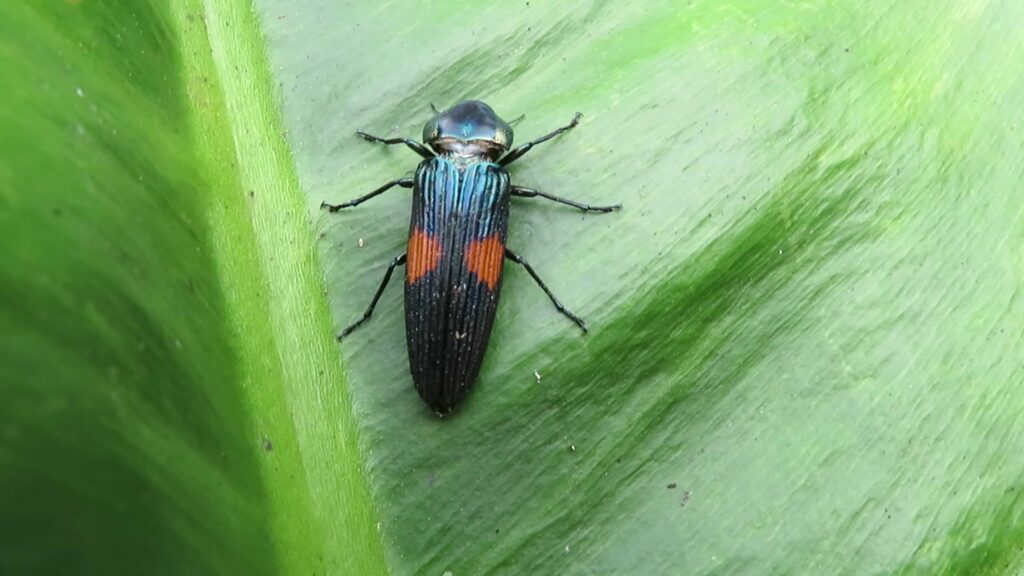
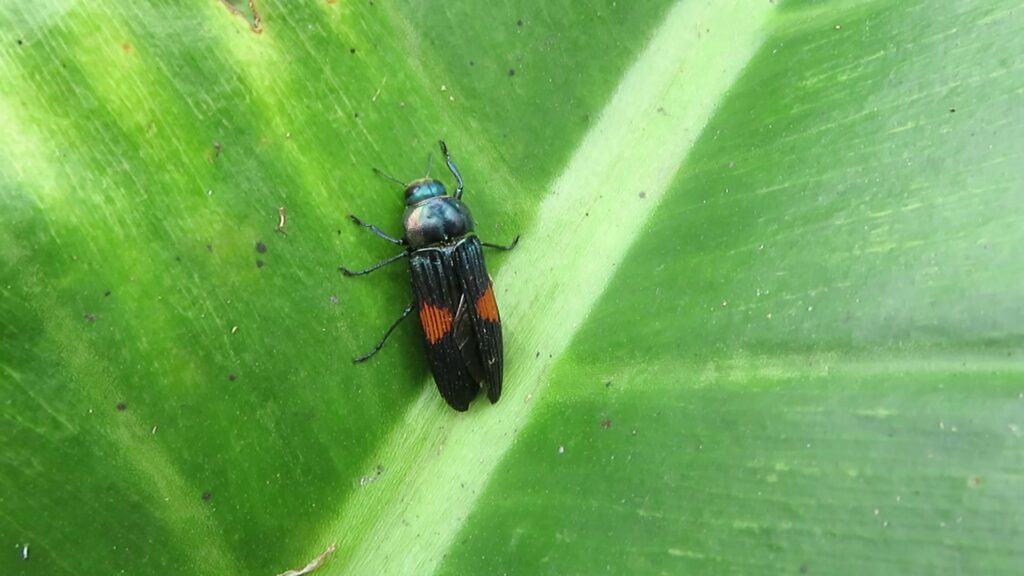
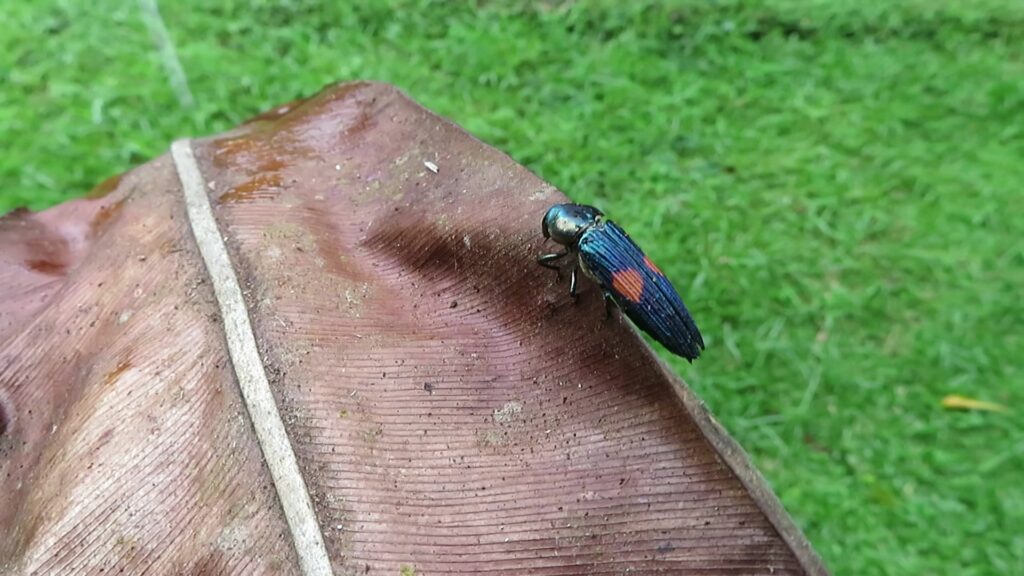
The tribe Polycestini is a taxonomic group of jewel beetles within the family Buprestidae, commonly known as metallic wood-boring beetles. These beetles belong to a diverse lineage of insects whose larvae develop in association with plants, often feeding within woody tissues or other plant structures. Polycestini is classified within the subfamily Polycestinae in taxonomic systems that recognize this arrangement. Like other buprestids, its members exhibit hardened bodies, specialized larval forms, and adaptations for living and feeding on or within their host plants. Their diversity reflects the evolutionary specialization of jewel beetles across a range of terrestrial habitats.
Members of Polycestini generally possess the compact, heavily sclerotized bodies characteristic of jewel beetles. Their body shapes may be oval, elongated, or somewhat cylindrical, depending on the genus and species. The elytra, which form the hardened outer covering of the wings, may have pronounced ridges, pits, grooves, or other sculptural features. Coloration varies and can include black, brown, bronze, or metallic shades, although not all species display the brilliant colors commonly associated with jewel beetles. The combination of body proportions, surface sculpture, and structural features is important for distinguishing members of the tribe from related buprestid groups.
The head is typically partly concealed beneath the pronotum, the hardened plate immediately behind it. Short, segmented antennae help individuals detect chemical and physical cues in their surroundings, while the mandibles are used for feeding on plant material. The legs provide a secure grip on stems, leaves, bark, and other surfaces. Many polycestines are relatively inconspicuous when resting on vegetation, where their dark or subdued coloration may blend with bark and dry plant tissues. Accurate identification often requires examination of fine anatomical characteristics rather than relying on color or overall appearance alone.
The geographical distribution of Polycestini depends on the ranges of its constituent genera and species. Polycestine beetles occur in several regions, particularly in warm and dry environments, although individual lineages may occupy more varied habitats. Members of the broader group are associated with parts of Africa, Europe, Asia, and other regions, with distributions influenced by climate, vegetation, and the availability of suitable host plants. Some species may have relatively restricted ranges linked to particular plant communities, while others occupy wider geographical areas. Taxonomic interpretations of Polycestini and its boundaries can vary, so the exact composition and distribution of the tribe should be considered in the context of the classification being followed.
The habitat preferences of these beetles are closely tied to their host plants. Depending on the species, adults may be found on shrubs, trees, herbaceous plants, or dry vegetation in woodland, scrubland, grassland, and semi-arid landscapes. Some inhabit open, sun-exposed environments, while others occur in more sheltered vegetation. Adults may spend much of their time on host plants, where they feed, mate, and locate suitable sites for egg deposition. Local abundance can depend on the condition of the vegetation, seasonal plant growth, temperature, and the availability of appropriate substrates for larval development.
The life cycle of Polycestini follows the general pattern of beetles, consisting of egg, larva, pupa, and adult stages. Females deposit eggs on or near suitable host plants, often in locations that allow newly hatched larvae to reach appropriate feeding tissues. The larvae have the characteristic elongated body form of many buprestids, with a broad, flattened region behind the head. They use their strong mouthparts to consume plant tissue, sometimes developing within stems, roots, branches, or woody structures. The precise feeding location varies among species and should not be assumed to be identical throughout the tribe.
Larval development may take months or longer, depending on the species, the nutritional quality of the host plant, and environmental conditions. During growth, larvae pass through successive developmental stages before reaching maturity. Pupation usually occurs in a protected site within or near the host tissue, after which the adult beetle emerges. In some jewel beetles, adults remain within their host material for a period before emerging under suitable conditions. Seasonal temperature and moisture can influence the timing of emergence and reproductive activity, especially in regions with pronounced dry and wet seasons.
Adult feeding habits are not uniform across Polycestini. Depending on the species, adults may consume leaves, shoots, flowers, or other plant tissues, while some may feed only intermittently. Their mouthparts are adapted for chewing, and feeding activity can produce small areas of damage on host plants. Most species are not necessarily significant agricultural pests; their ecological impact depends on their host range, abundance, and ability to exploit cultivated plants. Detailed host-plant records are therefore essential for understanding the biology and potential economic importance of individual species.
Polycestini forms part of terrestrial food webs involving plants, herbivorous insects, predators, and parasitoids. Adult beetles may be consumed by birds, lizards, spiders, and predatory insects, while larvae concealed within plant tissues can be attacked by specialized parasitoid wasps and other natural enemies. Where larvae feed in damaged or declining plant material, they may participate in processes associated with the breakdown of plant tissues. However, the ecological role of each species depends on its specific life history, and it is important to distinguish general features of jewel beetles from characteristics demonstrated directly for particular polycestine taxa.
Potential threats to members of Polycestini include habitat loss, removal of host plants, intensive land management, and changes in local environmental conditions. Species that depend on particular plants or restricted habitats may be especially sensitive to vegetation clearance and fragmentation. Pesticides can also affect populations directly or reduce the availability of other organisms within the food web. At the same time, the movement of infested plant material may facilitate the spread of some wood-boring beetles beyond their natural ranges. Maintaining native vegetation, protecting specialized habitats, and improving taxonomic knowledge are useful measures for understanding and conserving the group’s diversity.
Overall, Polycestini represents a specialized component of the jewel beetle family Buprestidae. Its members share the broader group’s hardened bodies and plant-associated development, while differing in their morphology, host relationships, and habitat preferences. Although detailed biological information is not equally available for every species, the tribe contributes to the wider diversity of beetles associated with terrestrial vegetation. Continued taxonomic revision, field observation, and research into larval host plants will help clarify its classification and improve understanding of its ecological significance.