Bali Wildlife
Every Spices Matter


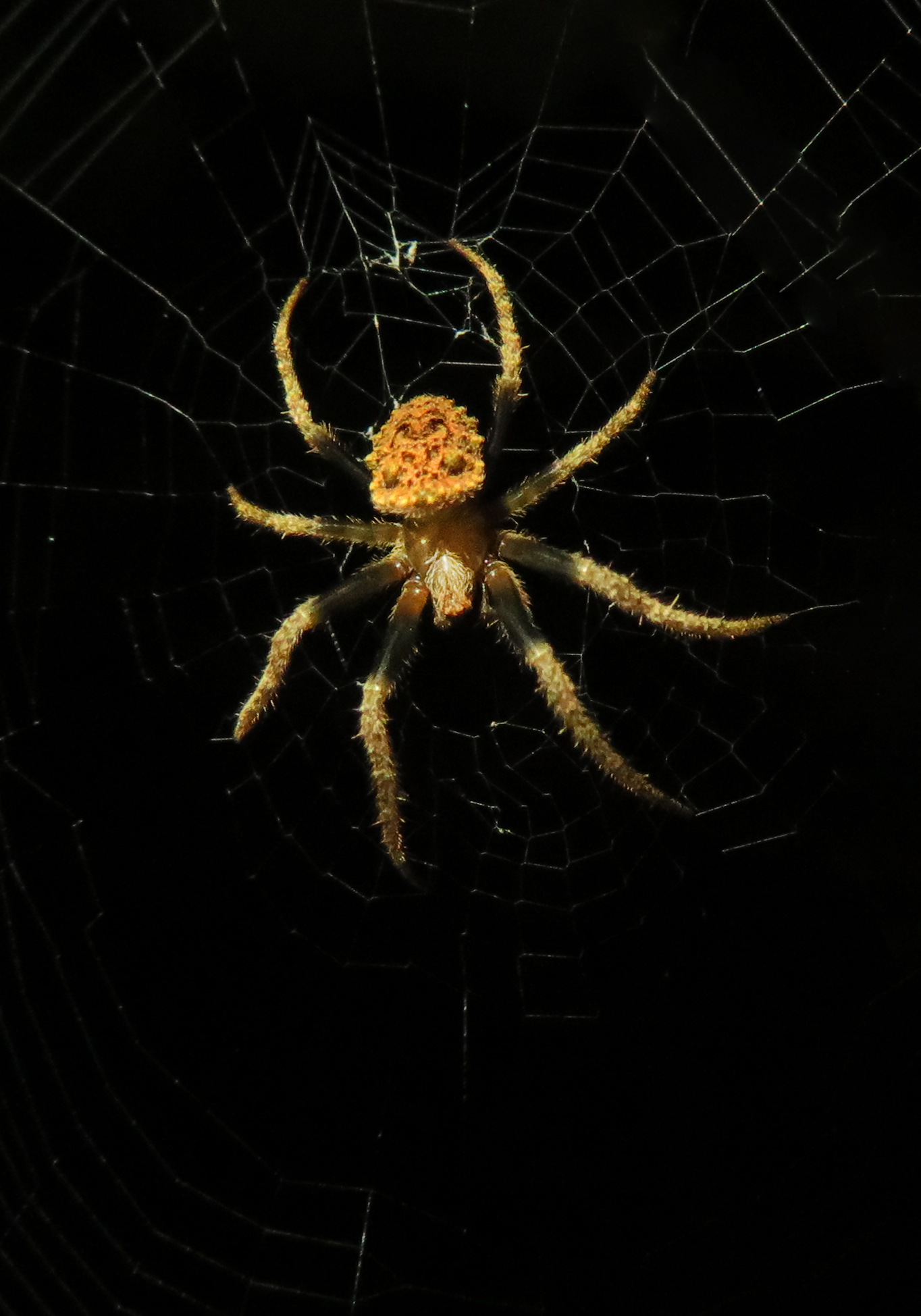
Poltyini is a tribe of orb-weaving spiders within the family Araneidae and subfamily Araneinae. The tribe is distributed mainly in tropical and subtropical regions of the Old World, particularly in South and Southeast Asia, Africa, and Australia. Members of Poltyini are typically associated with forested habitats, where they occur on tree trunks, branches, and among foliage.
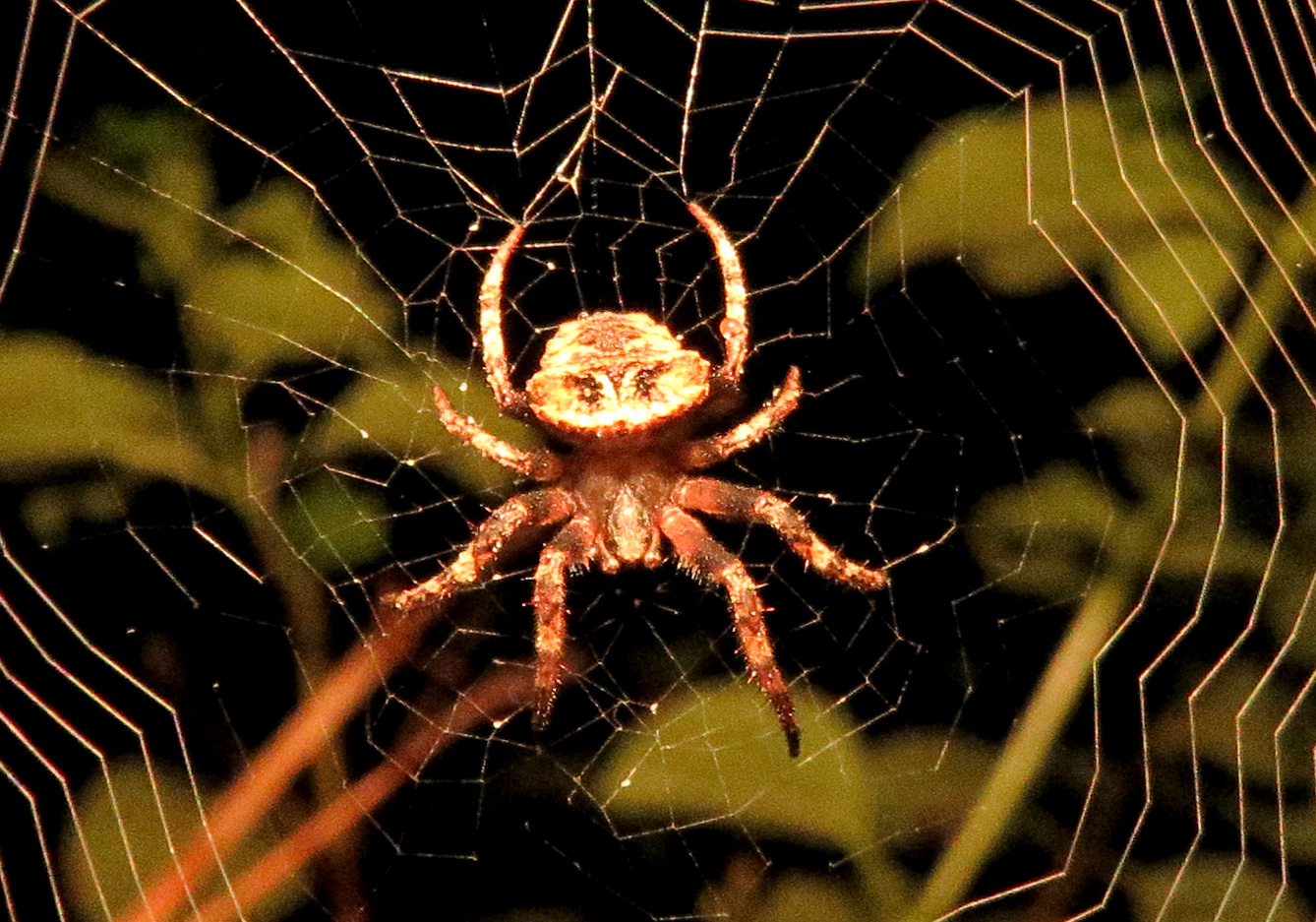
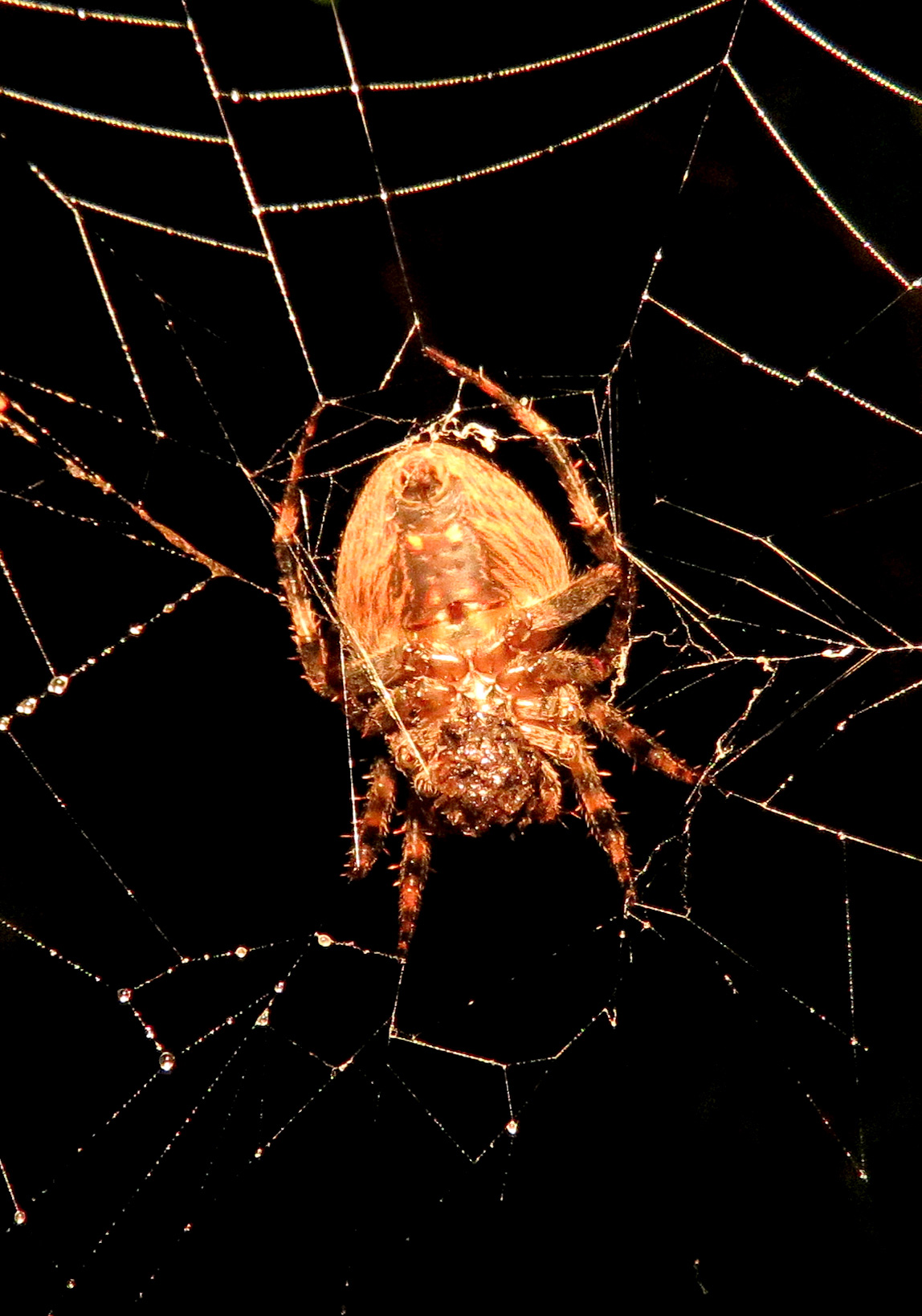
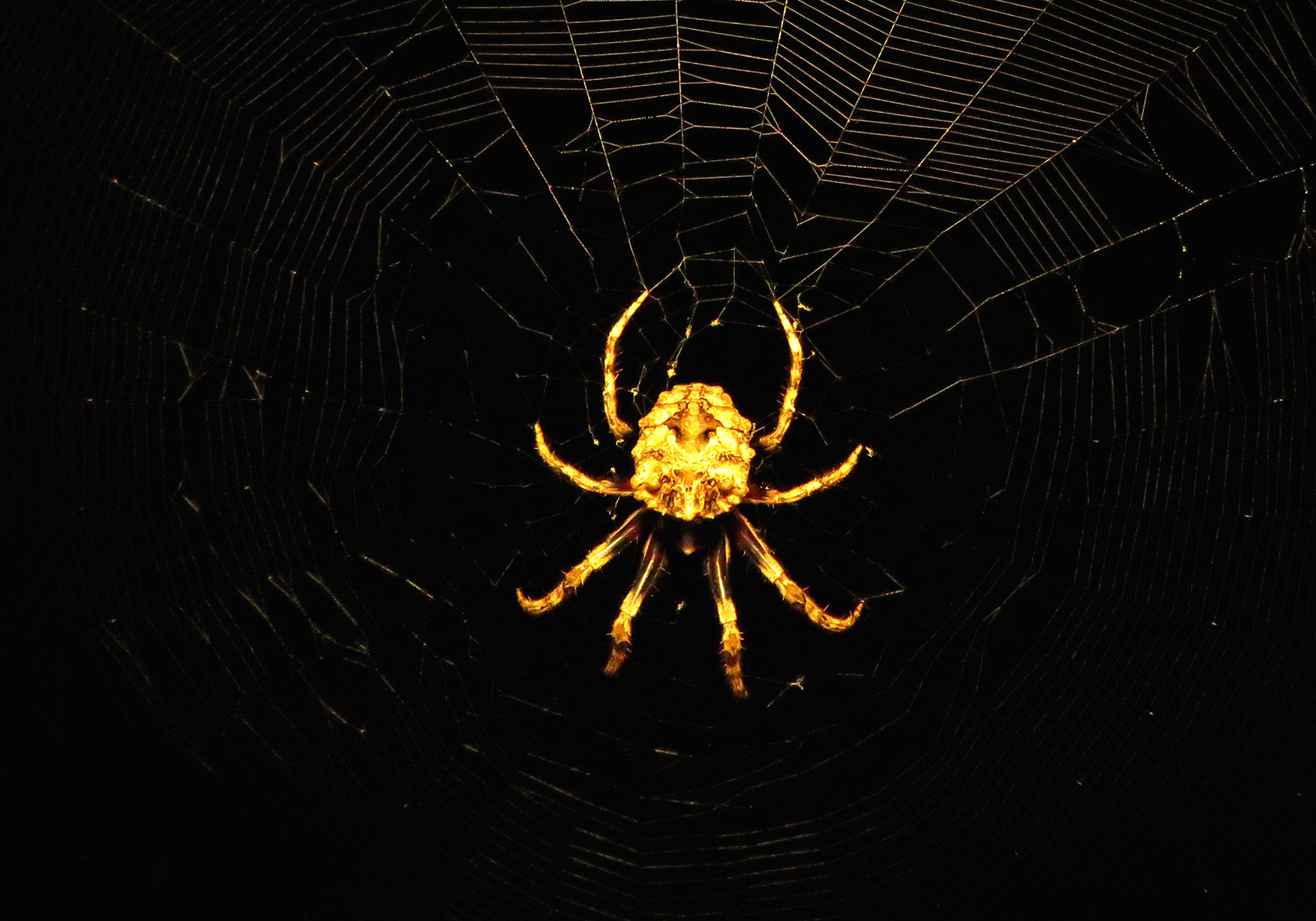
Spiders of the tribe Poltyini are best known for their remarkable camouflage and cryptic body shapes, which often resemble twigs, bark, dead leaves, or other plant debris. The abdomen is frequently irregular, angular, or lobed, and the overall body posture enhances their resemblance to inanimate objects. Coloration usually consists of muted browns, grays, and earthy tones that blend seamlessly with the substrate.
Morphologically, Poltyini exhibit the general orb-weaver body plan but with pronounced modifications related to camouflage. The cephalothorax is relatively small, while the abdomen is often large and sculptured. Legs may be slender or angular and are commonly held close to the body when at rest, reinforcing the cryptic appearance. As with other araneids, diagnostic features for identification are found in the male palpal organs and female epigyne.
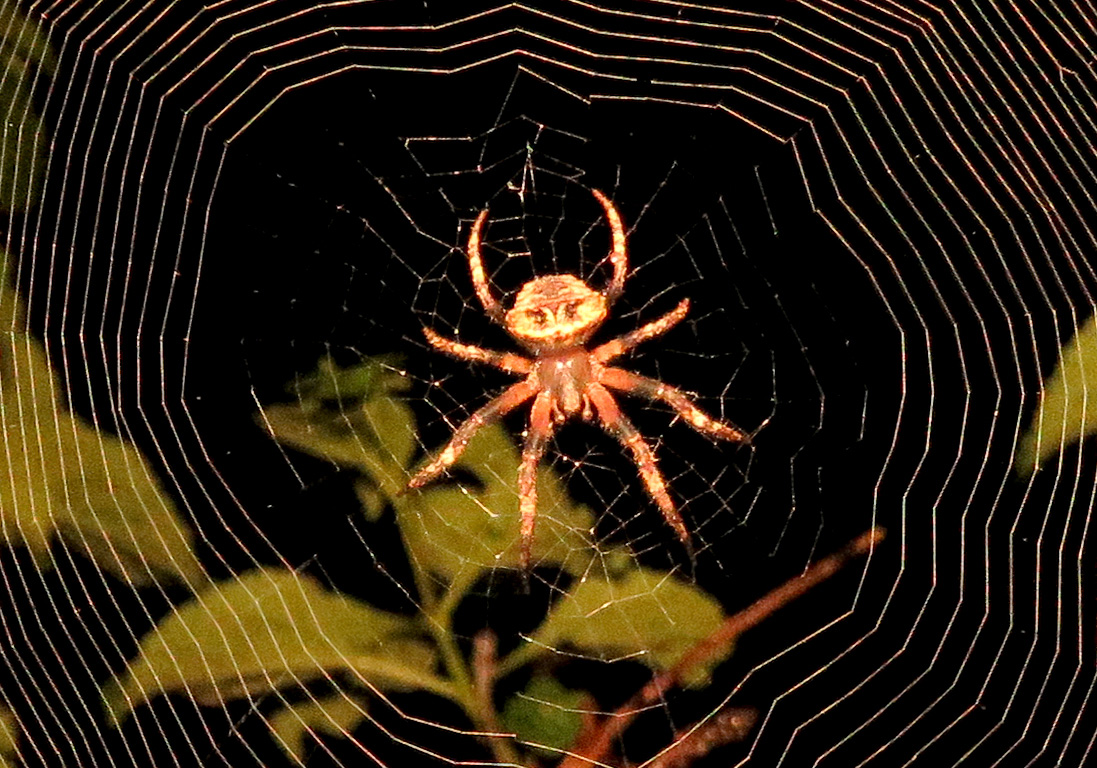
Behaviorally, many Poltyini species show extreme behavioral crypsis. During the day, individuals often remain motionless on vegetation, relying on their camouflage to avoid predators. At night, some species construct orb webs to capture prey, while others use reduced or temporary webs. When threatened, they may drop on a silk line or remain completely still, mimicking a piece of debris.
Ecologically, Poltyini are predators of flying insects and contribute to the regulation of insect populations in forest ecosystems. The tribe includes distinctive genera such as Poltys, which are well known for their twig- and knot-like appearance, making Poltyini one of the most visually striking and specialized groups within the orb-weaving spiders.