Bali Wildlife
Every Spices Matter


Pleciinae is a subfamily within the family Bibionidae (Infraorder Bibionomorpha, Order Diptera), comprising a group of flies commonly referred to as lovebugs and their relatives. Members of this subfamily are widely distributed, particularly in tropical and subtropical regions, including the Americas, Africa, and parts of Asia. They are often associated with open habitats such as grasslands, agricultural fields, roadsides, and areas with abundant organic matter.
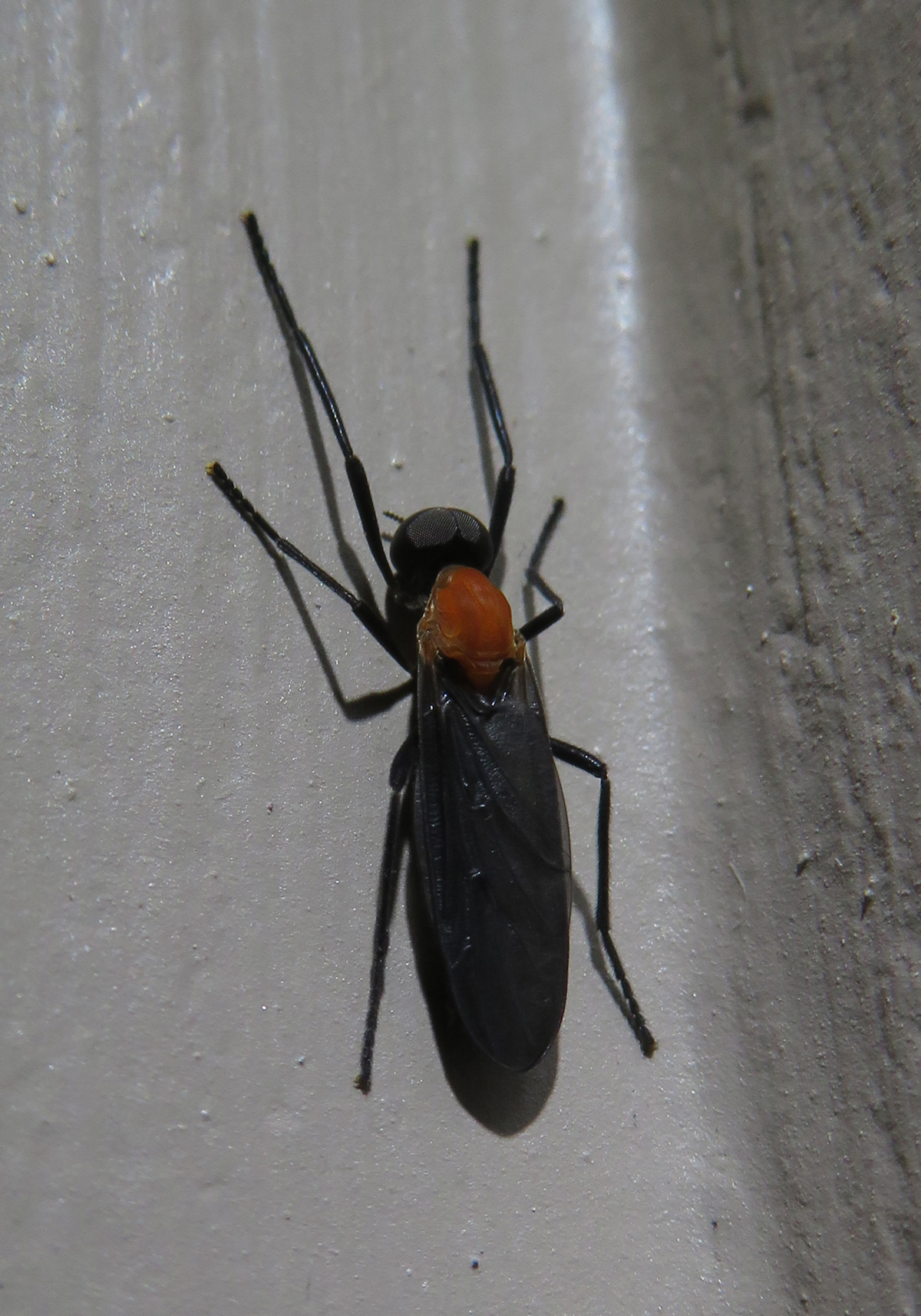
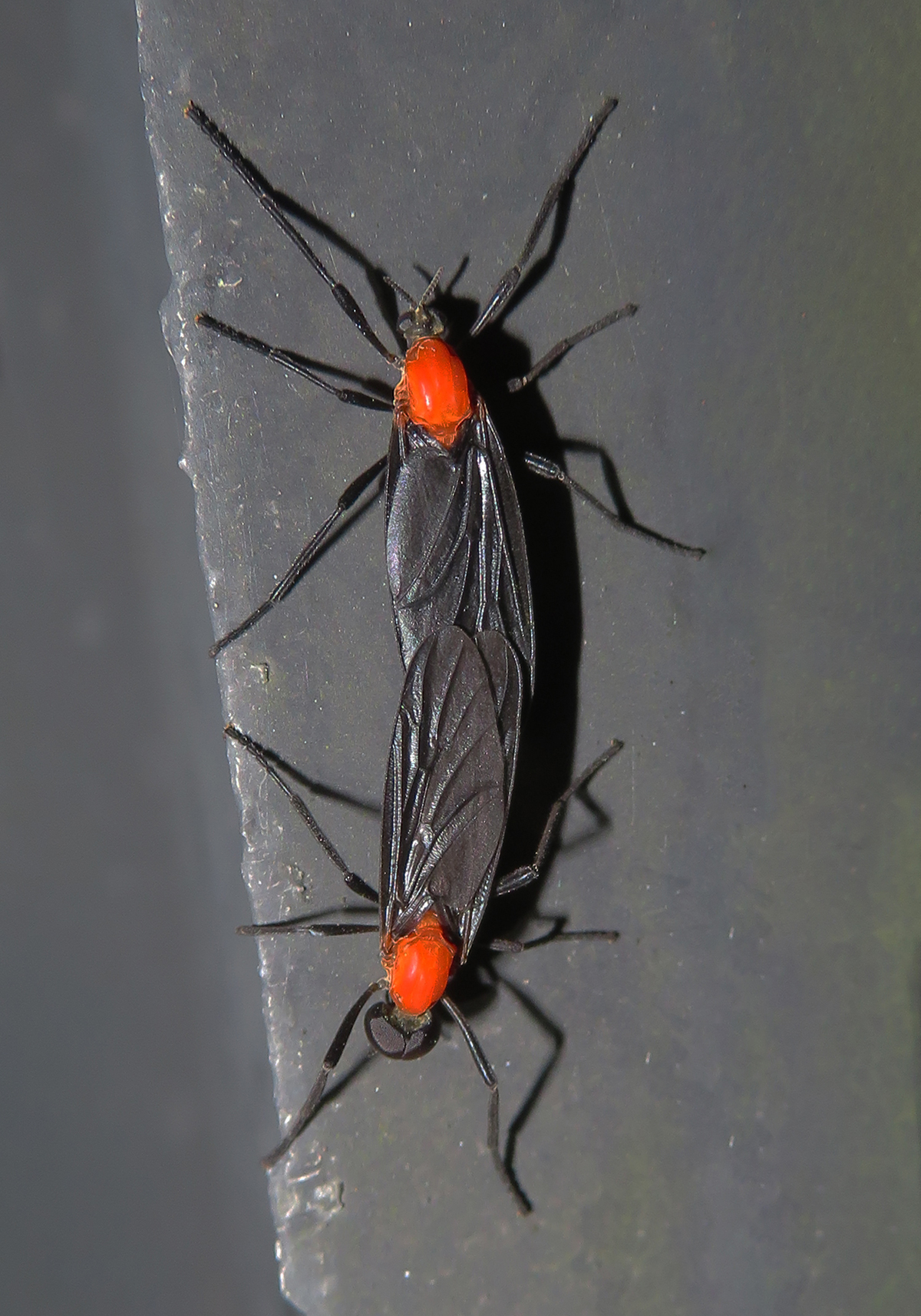
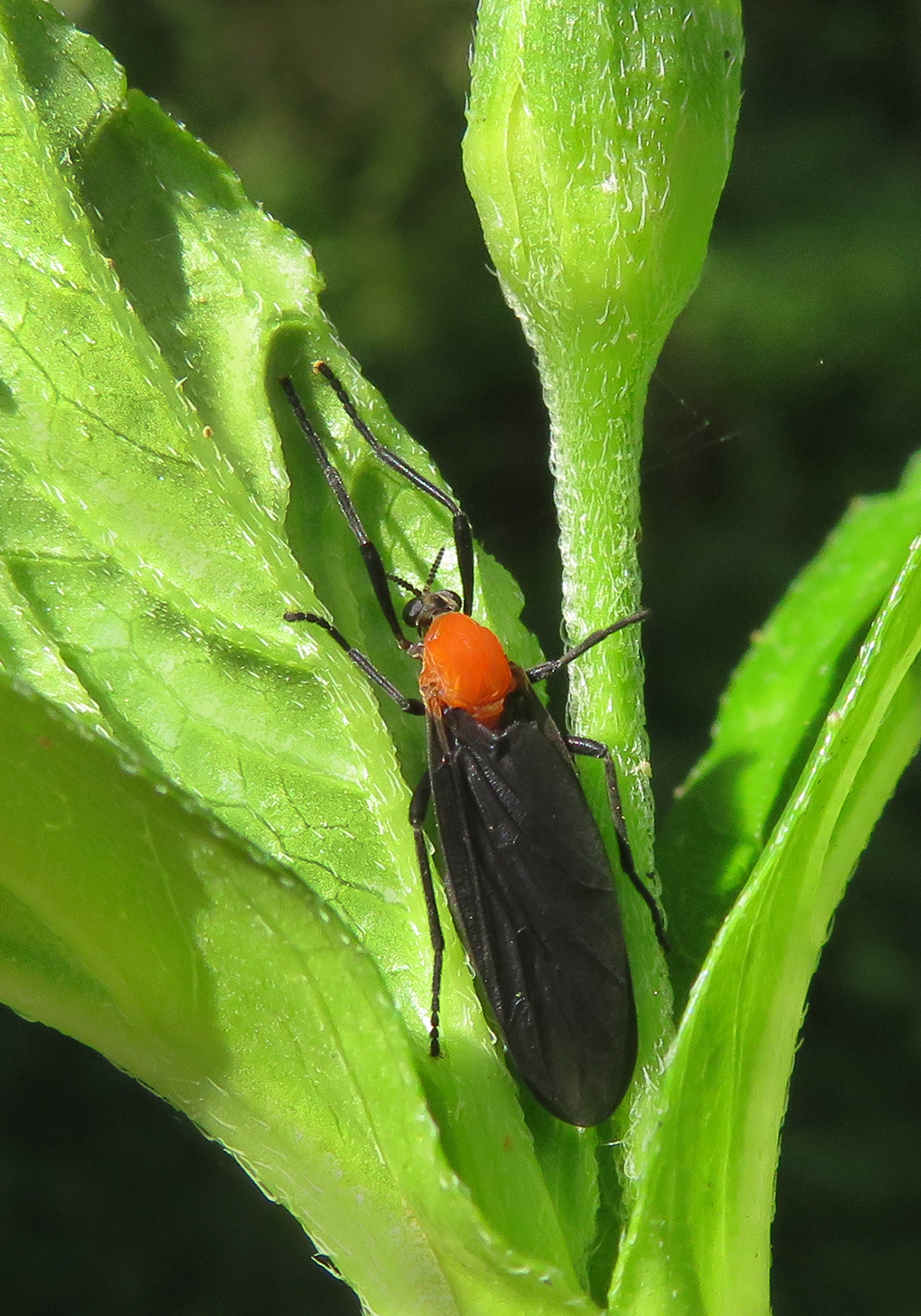
Flies of the subfamily Pleciinae are generally small to medium-sized with a somewhat robust body. Many species are dark-colored, often black with reddish or orange markings on the thorax or abdomen. The head is relatively small with large compound eyes, and the antennae are short, a characteristic feature of bibionid flies. Wings are clear and held flat over the body at rest.
A distinctive feature of Pleciinae is their mating behavior. Adults are frequently observed flying in pairs while joined together, a behavior that has led to the common name “lovebugs.” Large swarms may occur during seasonal emergence periods, particularly in warm climates.
The life cycle involves complete metamorphosis. Larvae are typically found in soil, leaf litter, or decaying organic matter, where they feed as detritivores on decomposing plant material and microorganisms. This feeding activity contributes to nutrient cycling and soil enrichment.
Adults are generally short-lived and primarily focused on reproduction. They may feed on nectar or plant fluids, though feeding is often minimal.
The subfamily includes genera such as Plecia, with Plecia nearctica being a well-known species in the southeastern United States.
Ecologically, Pleciinae play an important role in decomposition and nutrient cycling through their larval stages. While generally beneficial, large swarms of adults can become a nuisance in certain regions, especially near roads and urban areas. Despite this, they are an integral part of ecosystem processes and food webs.