Bali Wildlife
Every Spices Matter


Plecia is a genus of march flies within the subfamily Pleciinae (Family Bibionidae, Order Diptera), commonly known as lovebugs and their relatives. The genus is widely distributed, particularly in tropical and subtropical regions of the Americas, Africa, and parts of Asia. Species of Plecia are commonly found in open habitats such as grasslands, agricultural fields, roadsides, and areas with abundant organic matter.
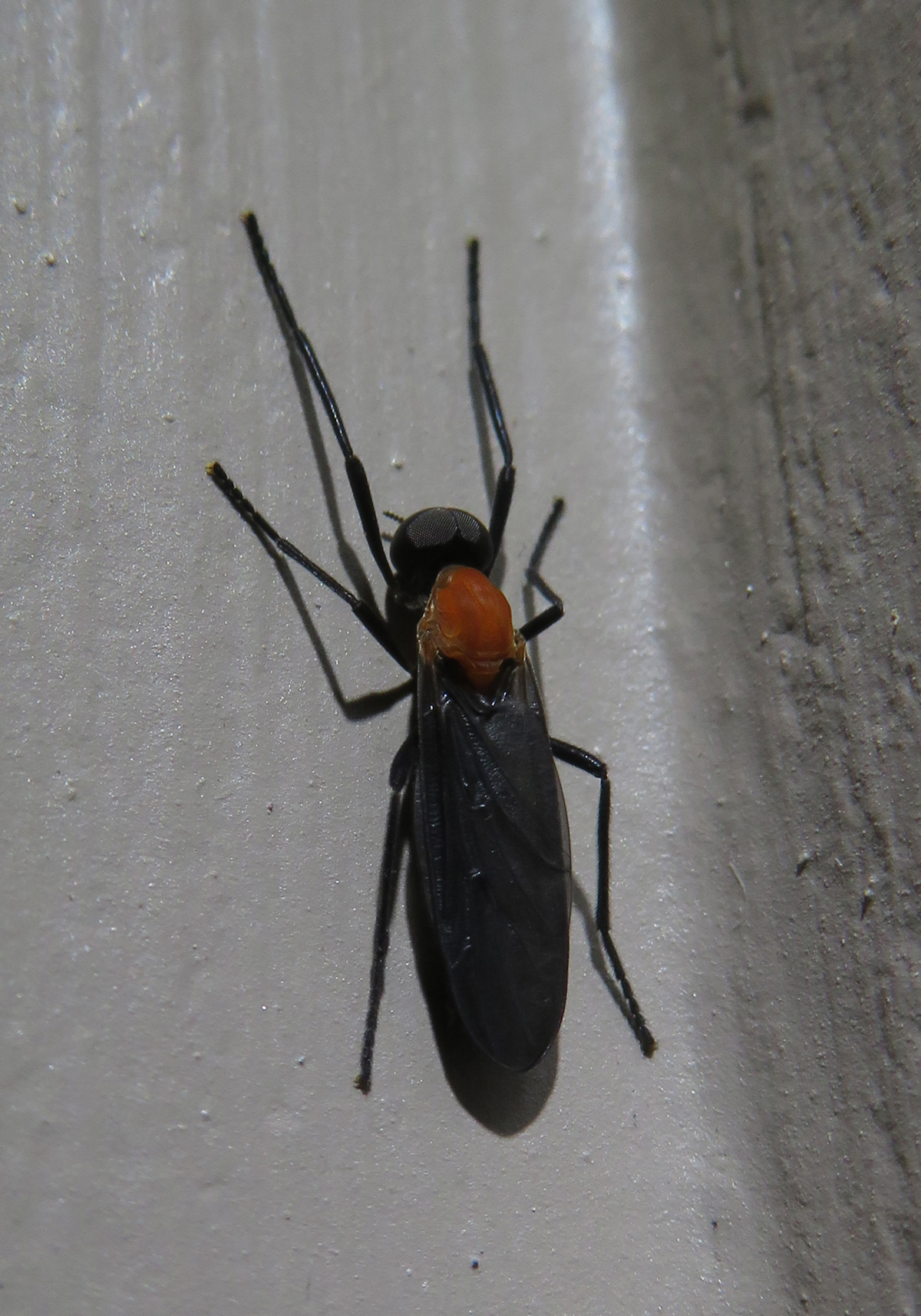
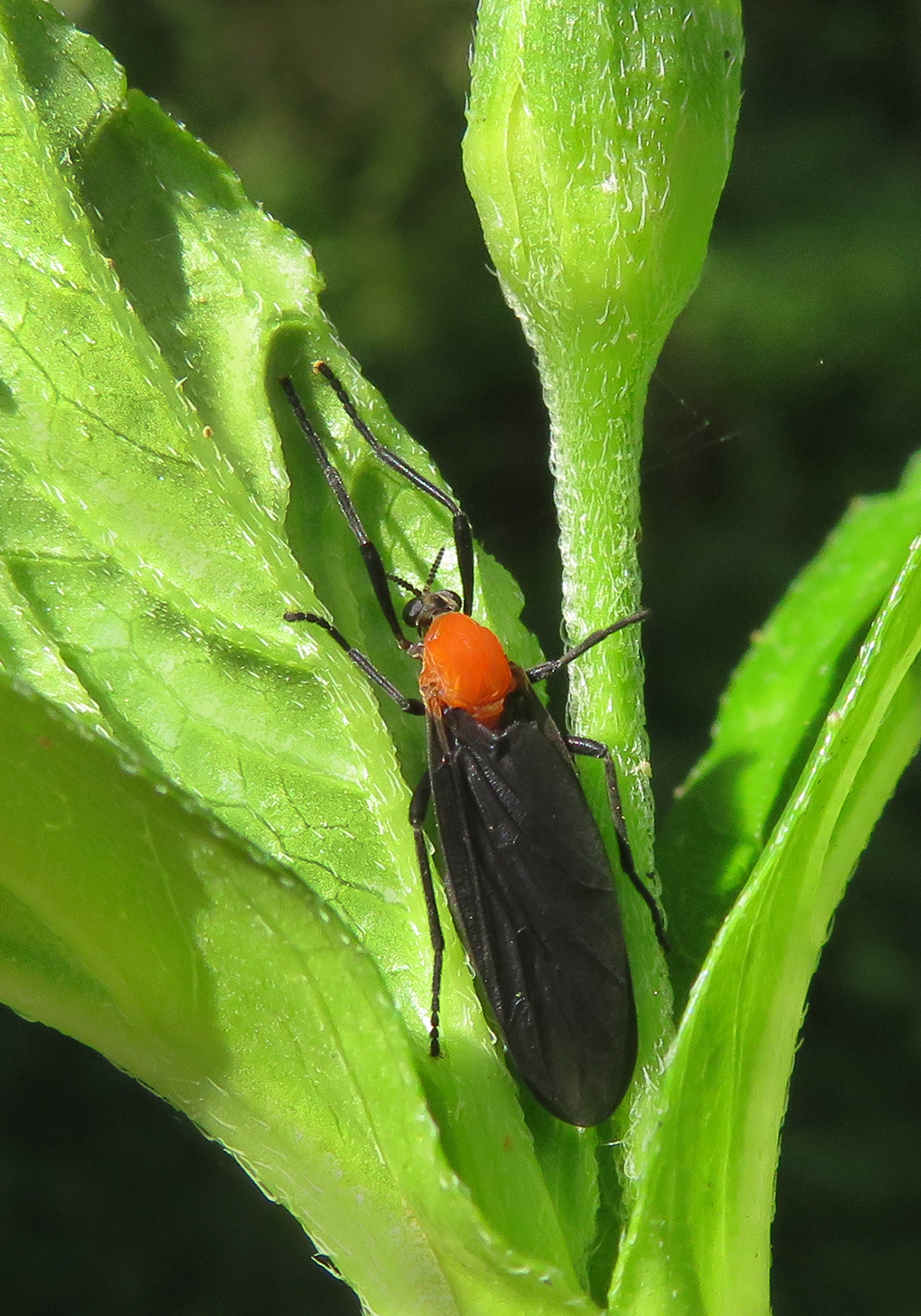
Members of the genus Plecia are small to medium-sized flies with a relatively robust body. They are often dark-colored, typically black, with reddish or orange markings on the thorax. The head is small with large compound eyes, and the antennae are short, consistent with other bibionid flies. Wings are clear and held flat over the body when at rest.
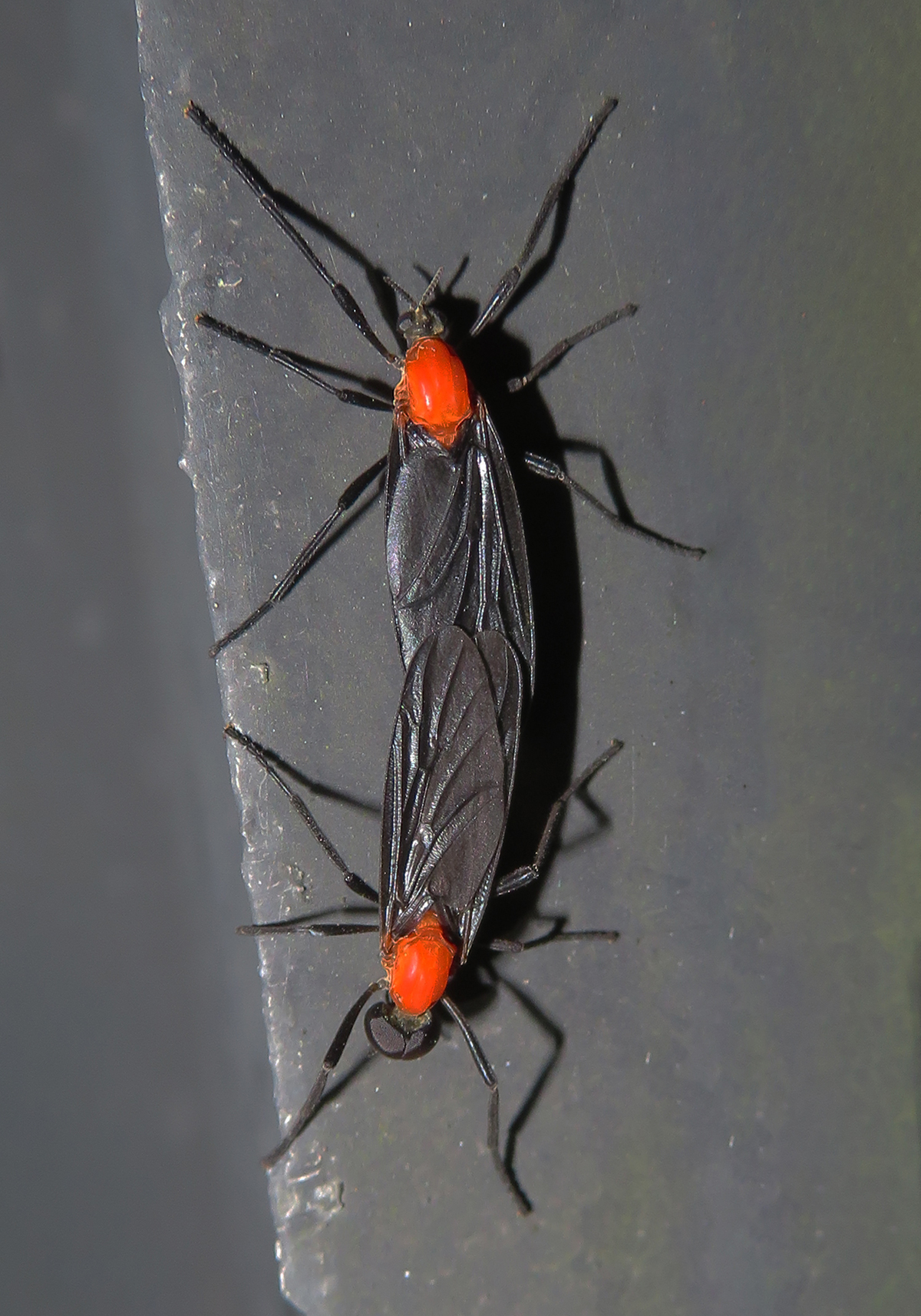
A defining feature of Plecia species is their characteristic mating behavior. Adults are frequently seen flying in pairs while joined together, a trait that gives rise to the common name “lovebugs.” These flies often emerge in large numbers, forming noticeable swarms during certain seasons.
The life cycle involves complete metamorphosis. Larvae are typically found in soil, compost, or decaying plant material, where they feed on organic matter and microorganisms. This detritivorous behavior contributes to the breakdown of organic material and nutrient recycling.
Adults are generally short-lived and focus primarily on reproduction. They may feed on nectar or plant fluids, though feeding is often limited.
The genus includes species such as Plecia nearctica, which is well known in parts of North America for its large seasonal swarms.
Ecologically, Plecia species play an important role in decomposition and soil enrichment through their larval activity. While generally beneficial, large adult populations can become a nuisance, particularly in urban or roadside areas. Despite this, they remain an important component of ecosystem processes and food webs.