Bali Wildlife
Every Spices Matter


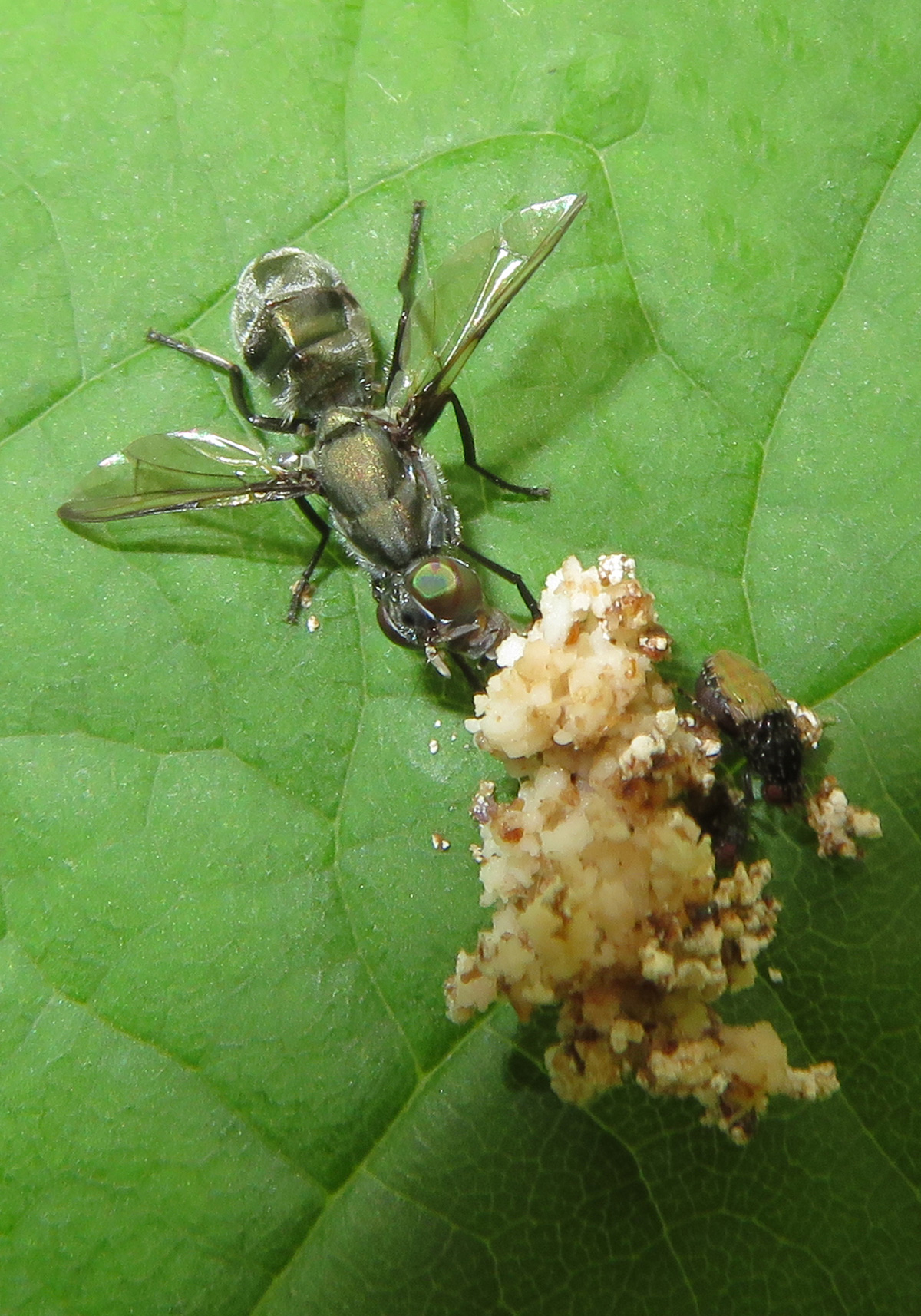
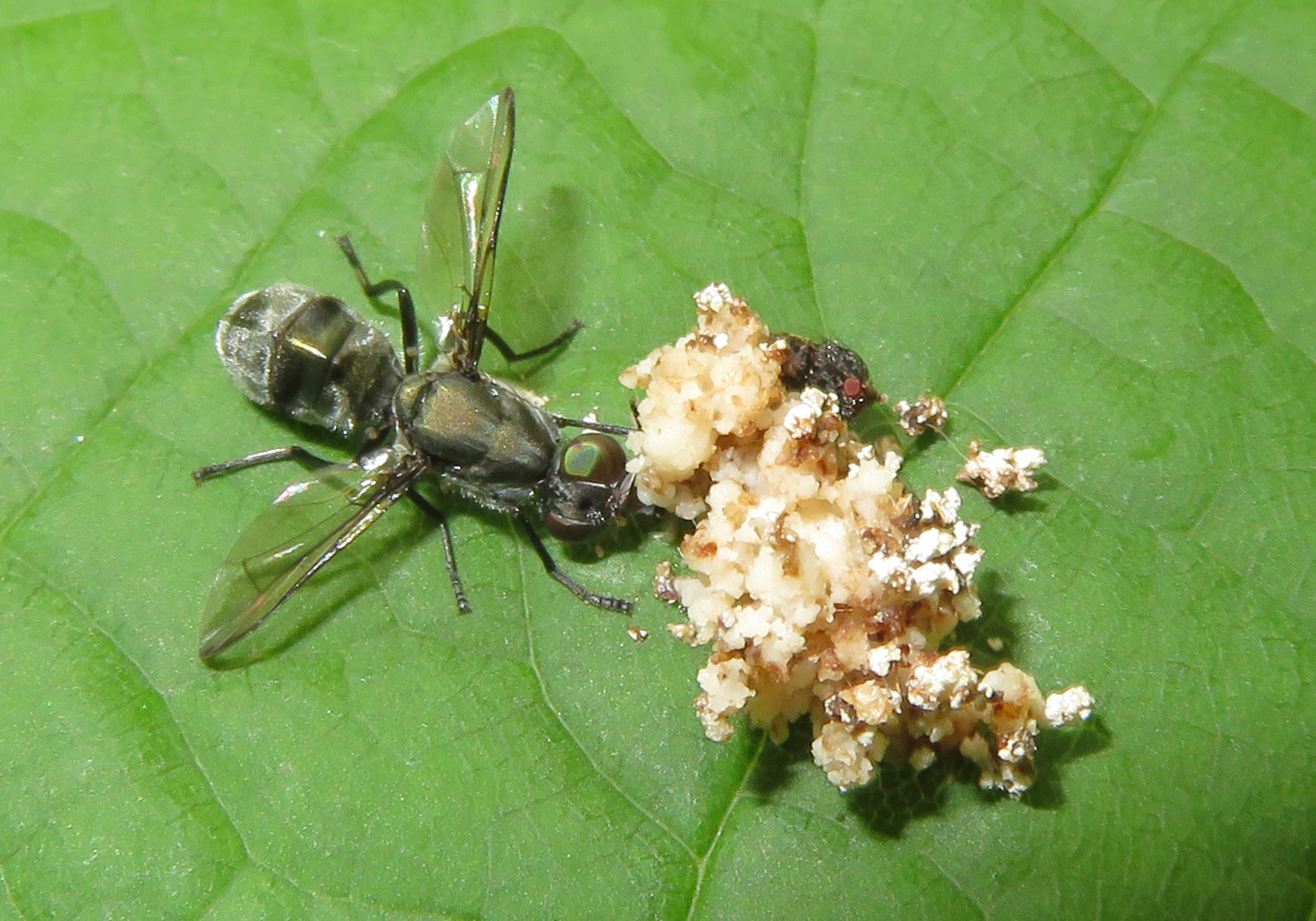
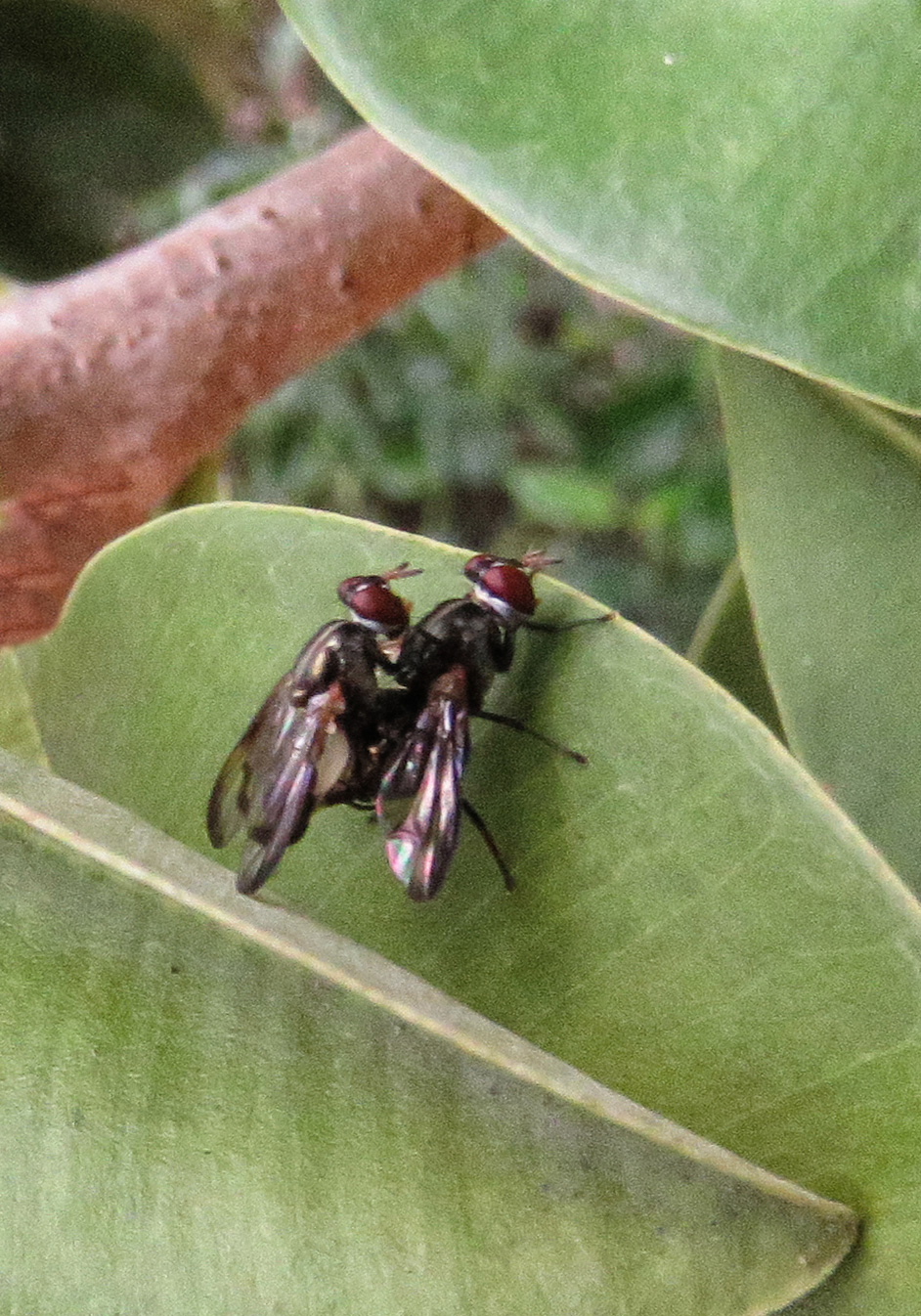
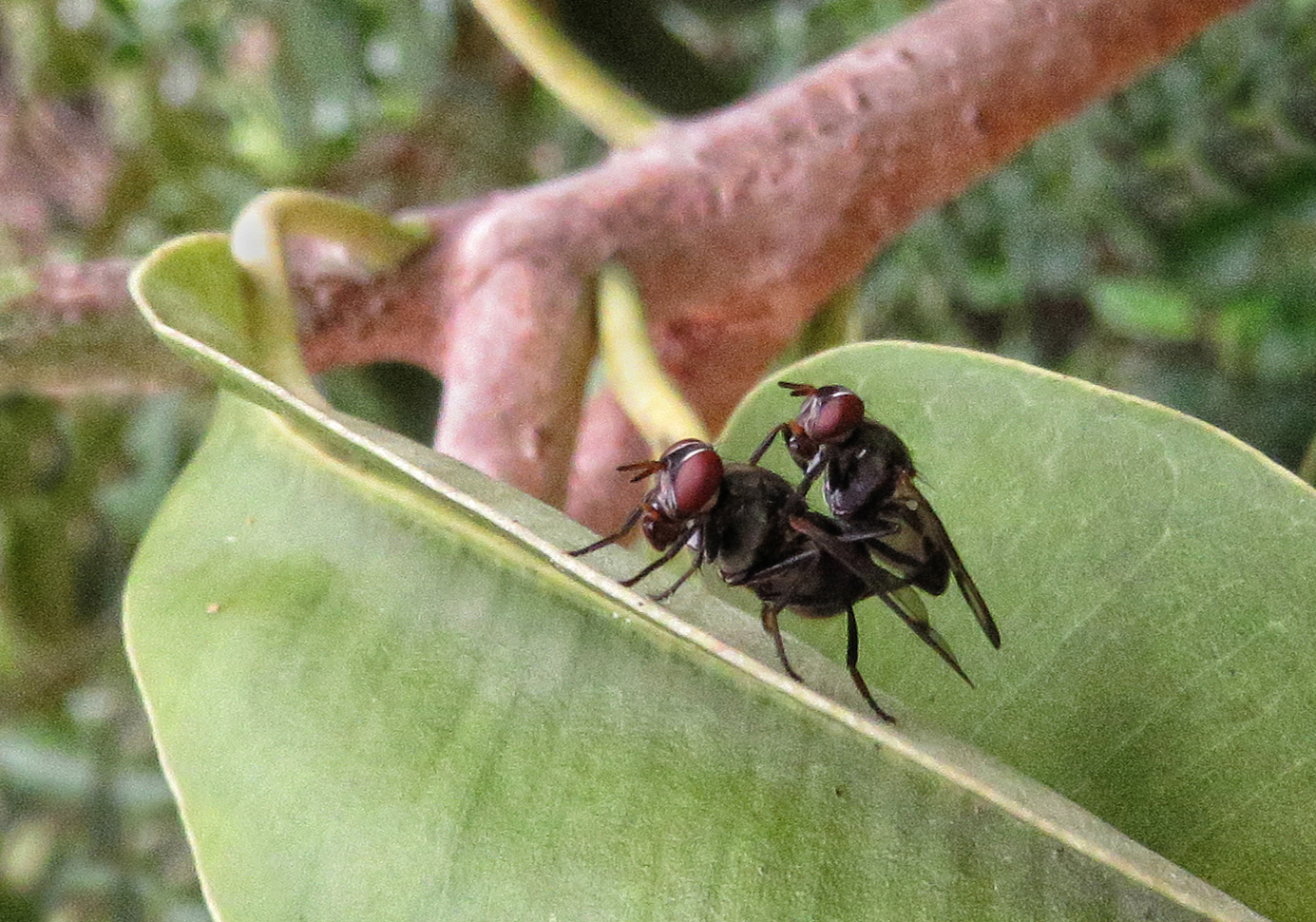
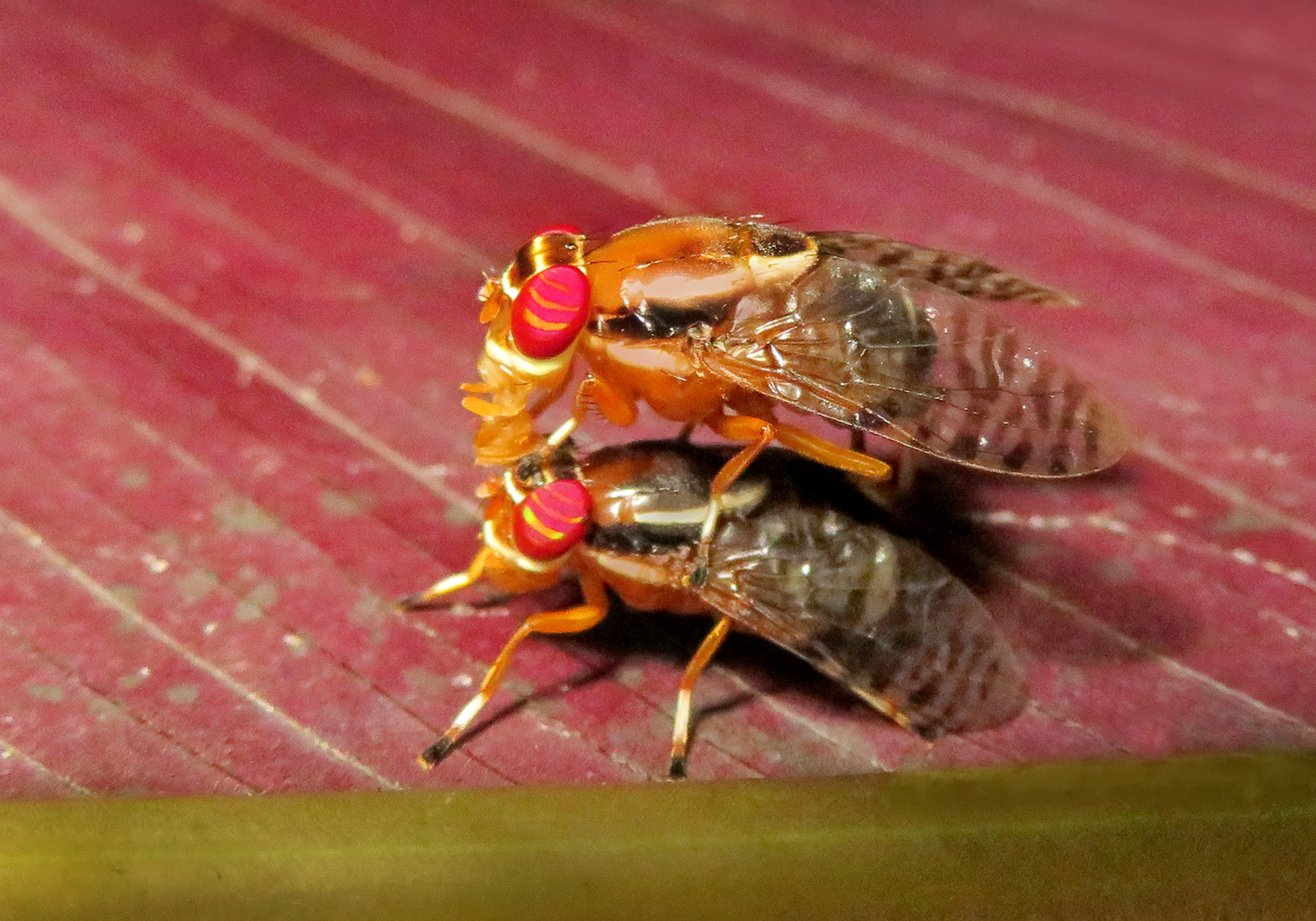
Platystomatidae, commonly known as signal flies or broad-winged flies, is a family within the superfamily Tephritoidea (Order Diptera). The family is widely distributed across the world, with the greatest diversity in tropical and subtropical regions, particularly in Africa, Asia, Australia, and the Americas. These flies are typically found in forests, grasslands, and areas rich in decaying organic material.
Members of Platystomatidae are generally small to medium-sized flies characterized by their broad wings, which often display distinctive patterns of bands, spots, or contrasting colors. These wing patterns are frequently used in communication, especially during courtship or territorial displays. Adults often hold their wings outstretched or move them in rhythmic motions, giving rise to the common name “signal flies.”
The body is typically robust, with a relatively large head, well-developed compound eyes, and short antennae bearing an arista. Coloration varies widely, ranging from dull brown or black to more striking combinations with yellow or patterned markings. The legs are usually slender, and some species exhibit distinctive postures or movements.
The life cycle involves complete metamorphosis. Larvae are typically associated with decaying organic material, such as rotting plant matter, fruit, dung, or fungi, where they feed as detritivores or saprophages. Some species may also develop in plant tissues or other specialized substrates. Pupation generally occurs in the soil or within the larval habitat.
Adults are often found on vegetation, decaying matter, or near sources of organic material. Many species feed on liquids such as nectar, honeydew, or decomposing substances. Their behavior, including wing displays and movements, plays an important role in communication and mating.
Ecologically, Platystomatidae contribute to decomposition and nutrient cycling through their larval feeding habits. While most species are not considered major pests, some may be associated with agricultural environments. Overall, they represent an important component of insect biodiversity and ecological interactions, particularly in tropical ecosystems.