Bali Wildlife
Every Spices Matter


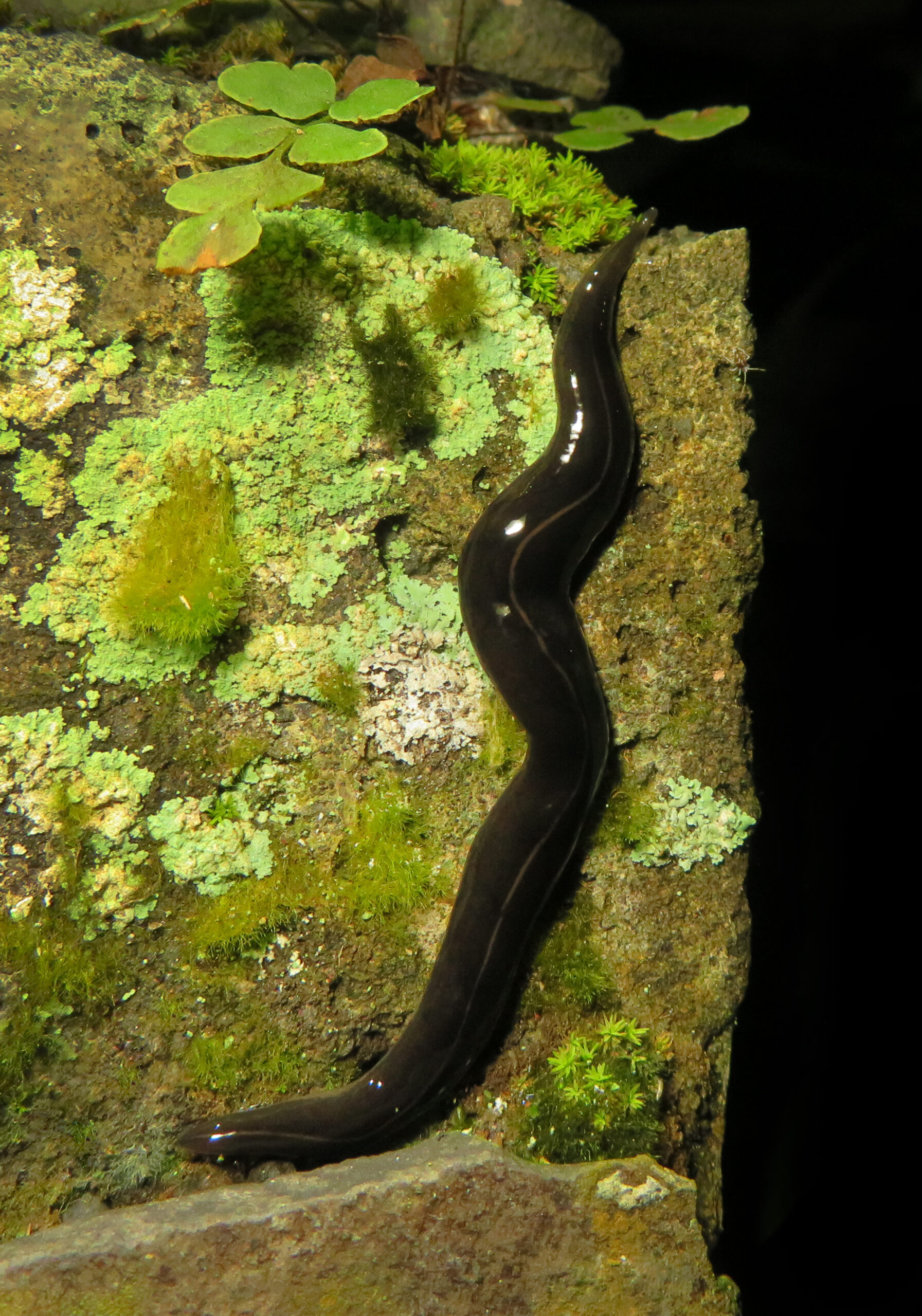
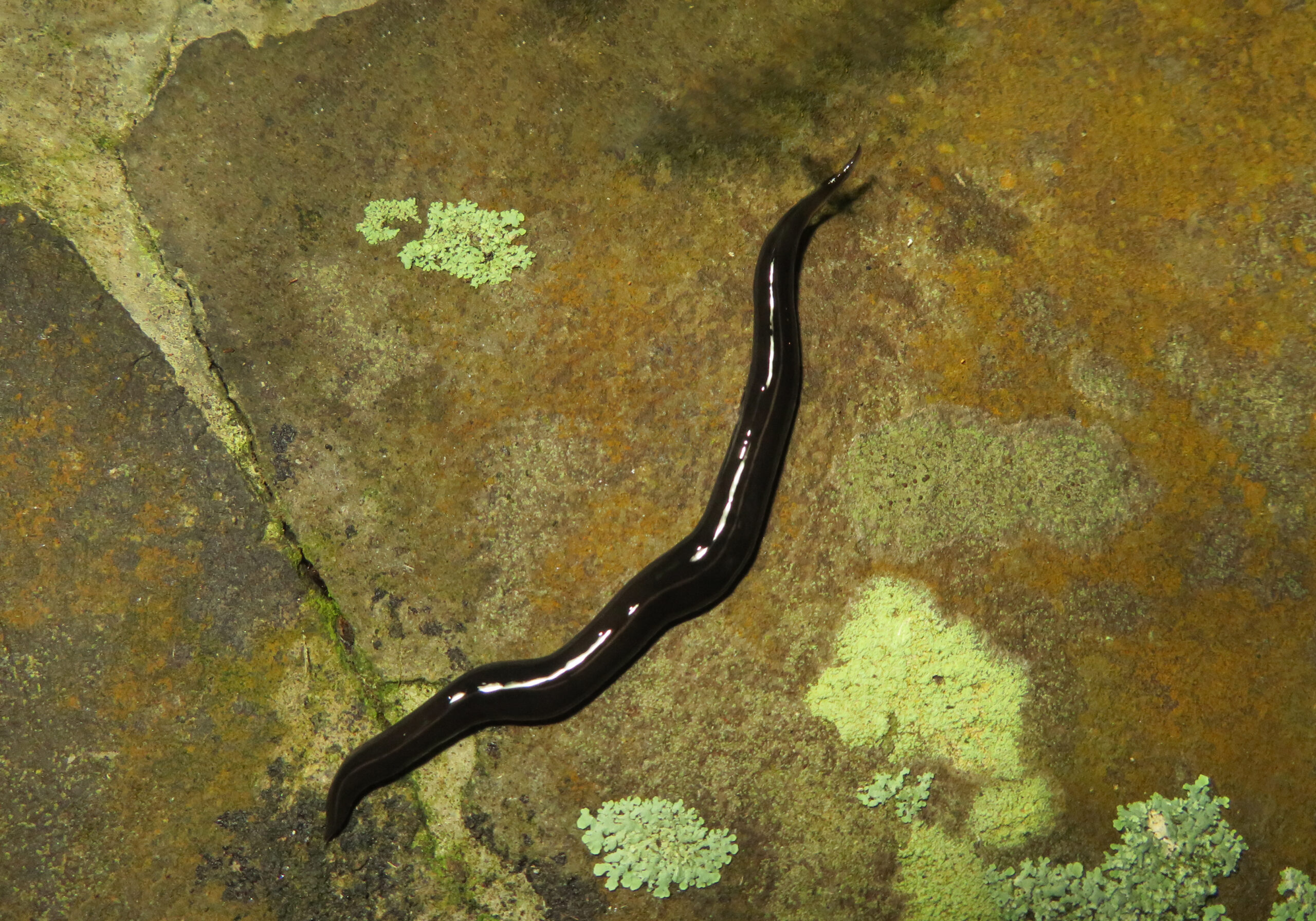
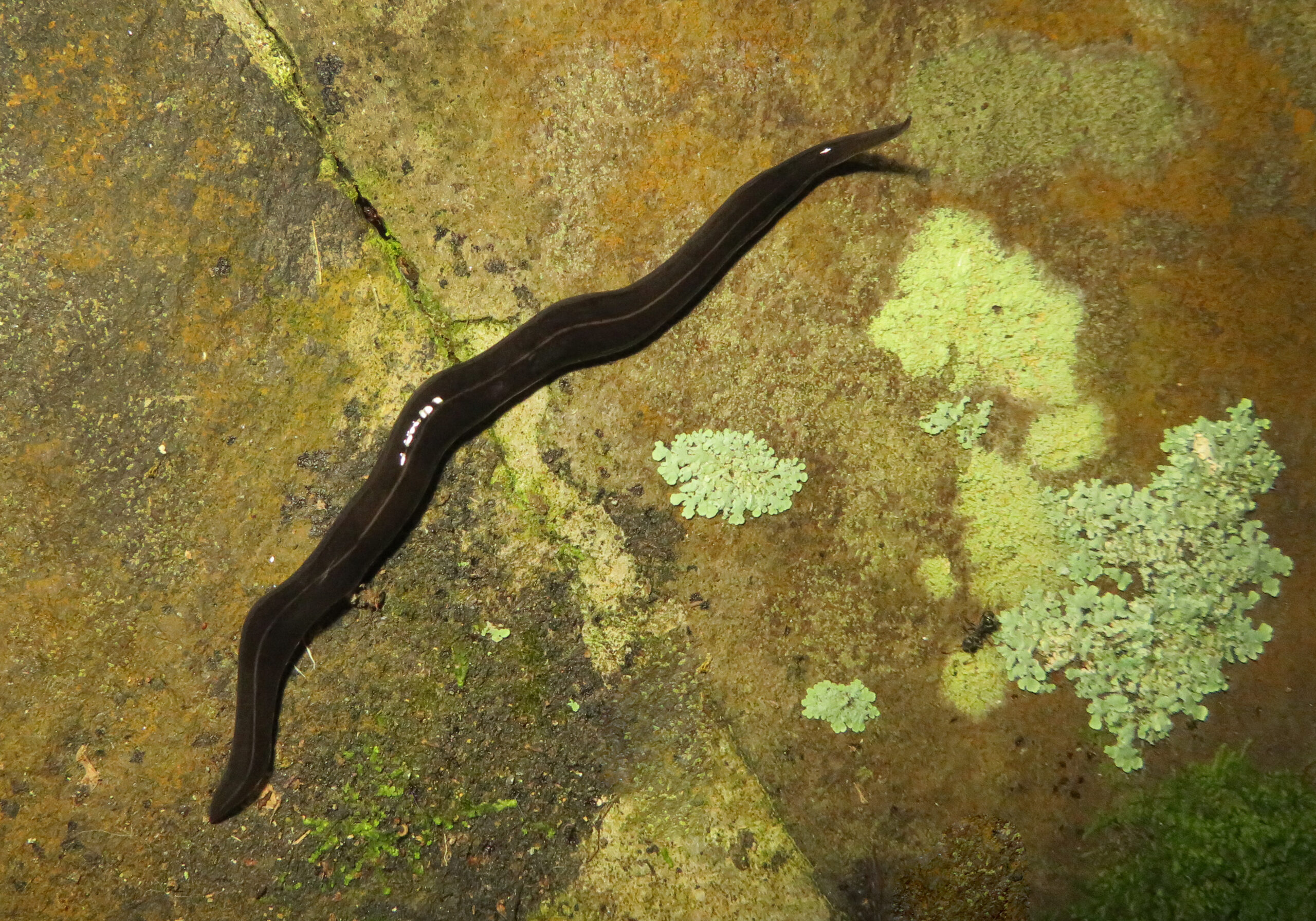
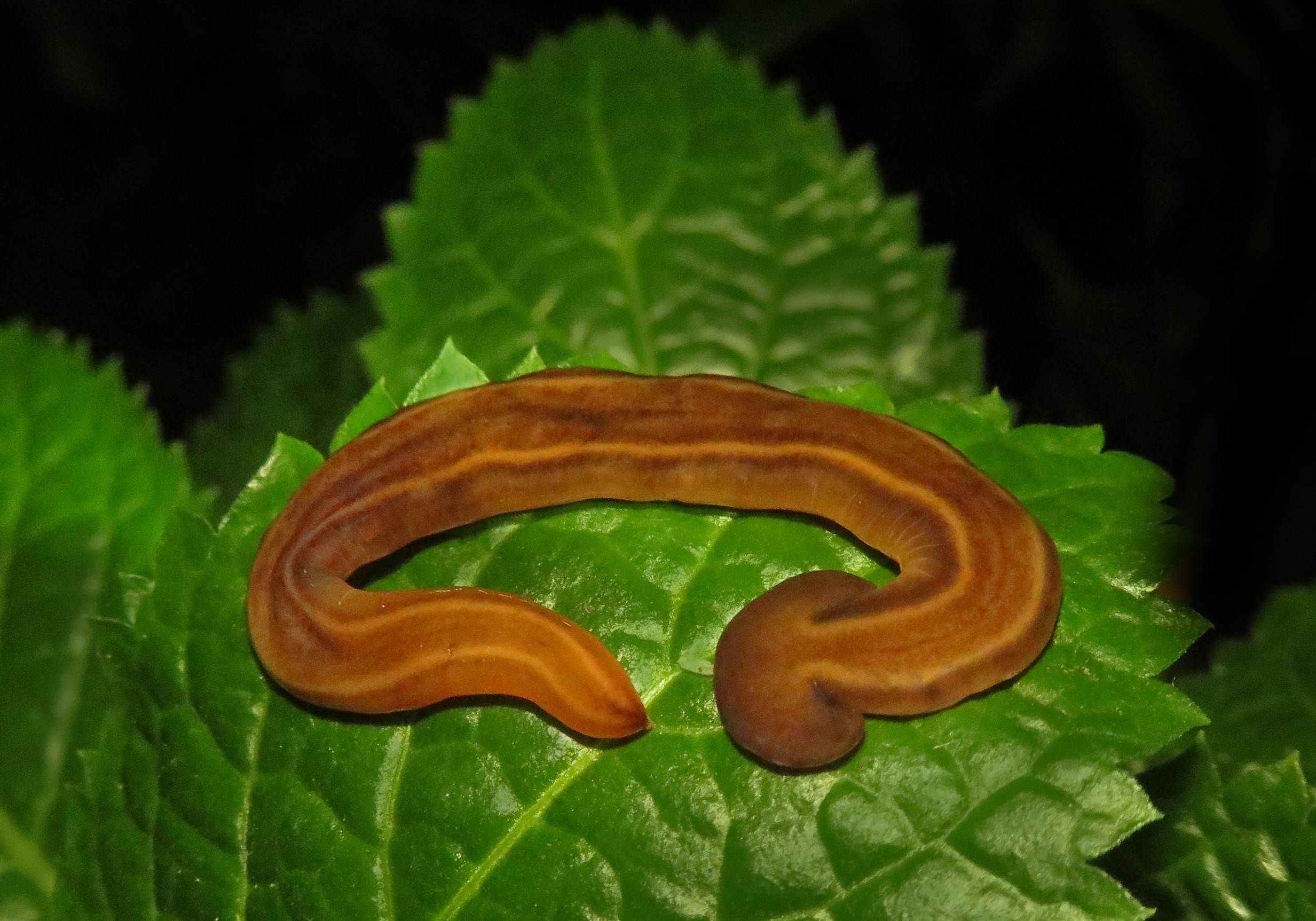
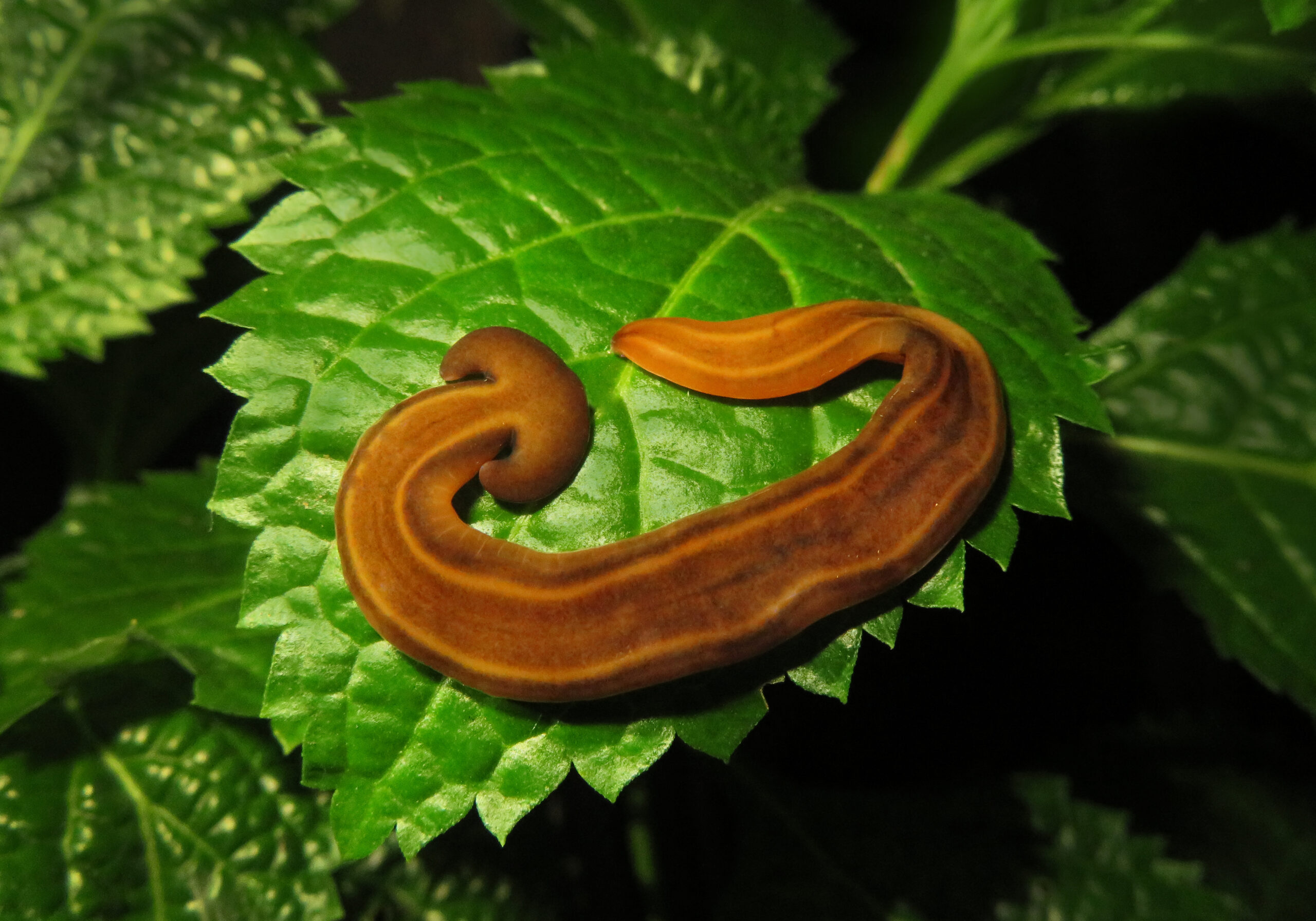
Platyhelminthes, commonly known as flatworms, is a phylum of soft-bodied, bilaterally symmetrical invertebrates characterized by a dorsoventrally flattened body. They are among the simplest triploblastic animals, possessing three germ layers (ectoderm, mesoderm, and endoderm) but lacking a true body cavity (acoelomate condition).
Flatworms vary greatly in size, from microscopic species to large tapeworms that can reach several meters in length. They do not possess specialized respiratory or circulatory systems; gas exchange occurs directly through the body surface by diffusion. Their digestive system is either incomplete (with a single opening) or entirely absent in parasitic forms such as tapeworms.
The phylum includes free-living and parasitic species and is traditionally divided into several major groups:
Flatworms have a centralized nervous system with a pair of anterior nerve cords and simple sensory organs, such as eyespots in many free-living species. Most species are hermaphroditic, possessing both male and female reproductive organs.
Ecologically, free-living flatworms play roles as predators and scavengers in aquatic and moist terrestrial ecosystems. Parasitic species are medically and economically significant, as some infect humans and livestock, causing diseases.