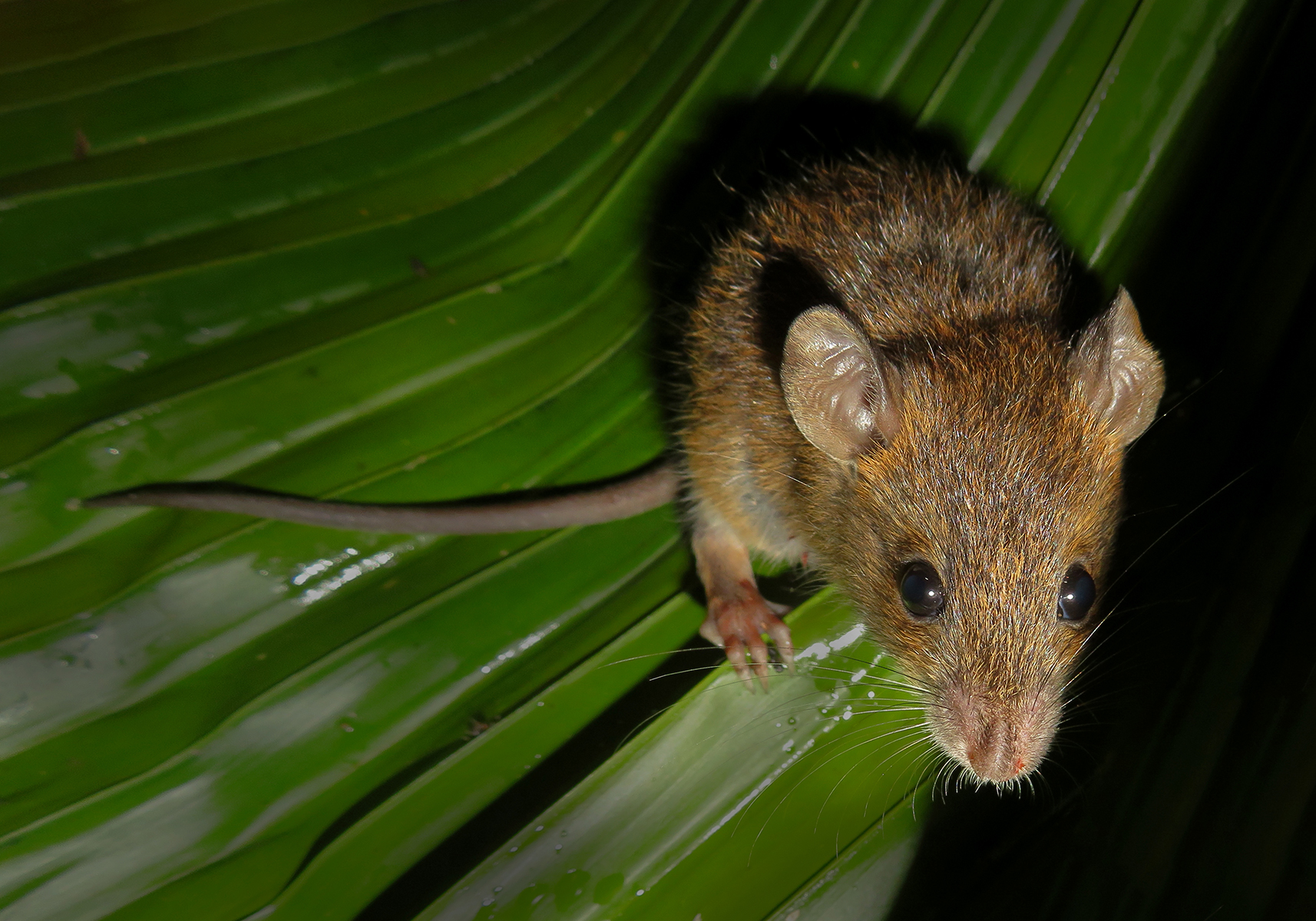
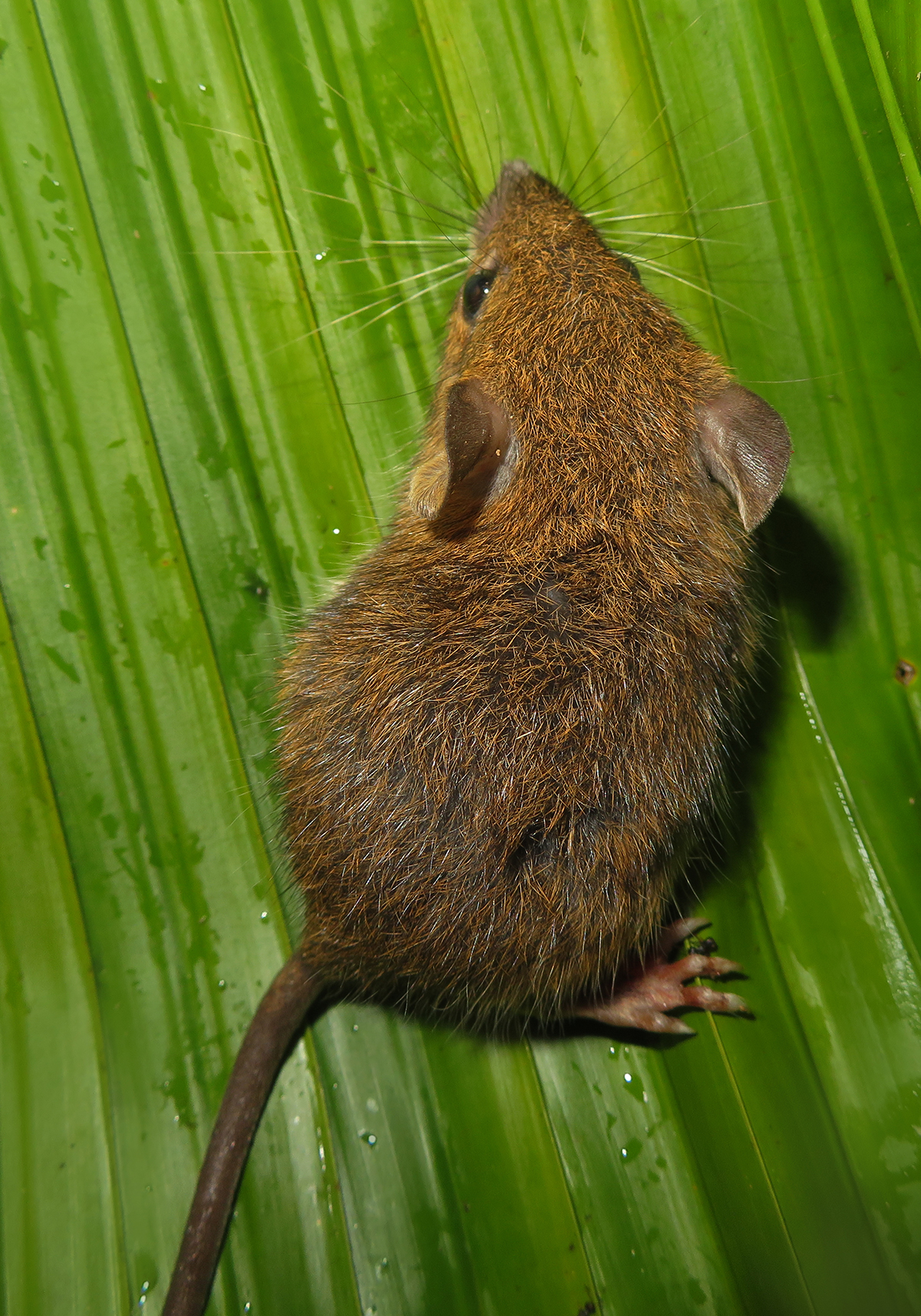
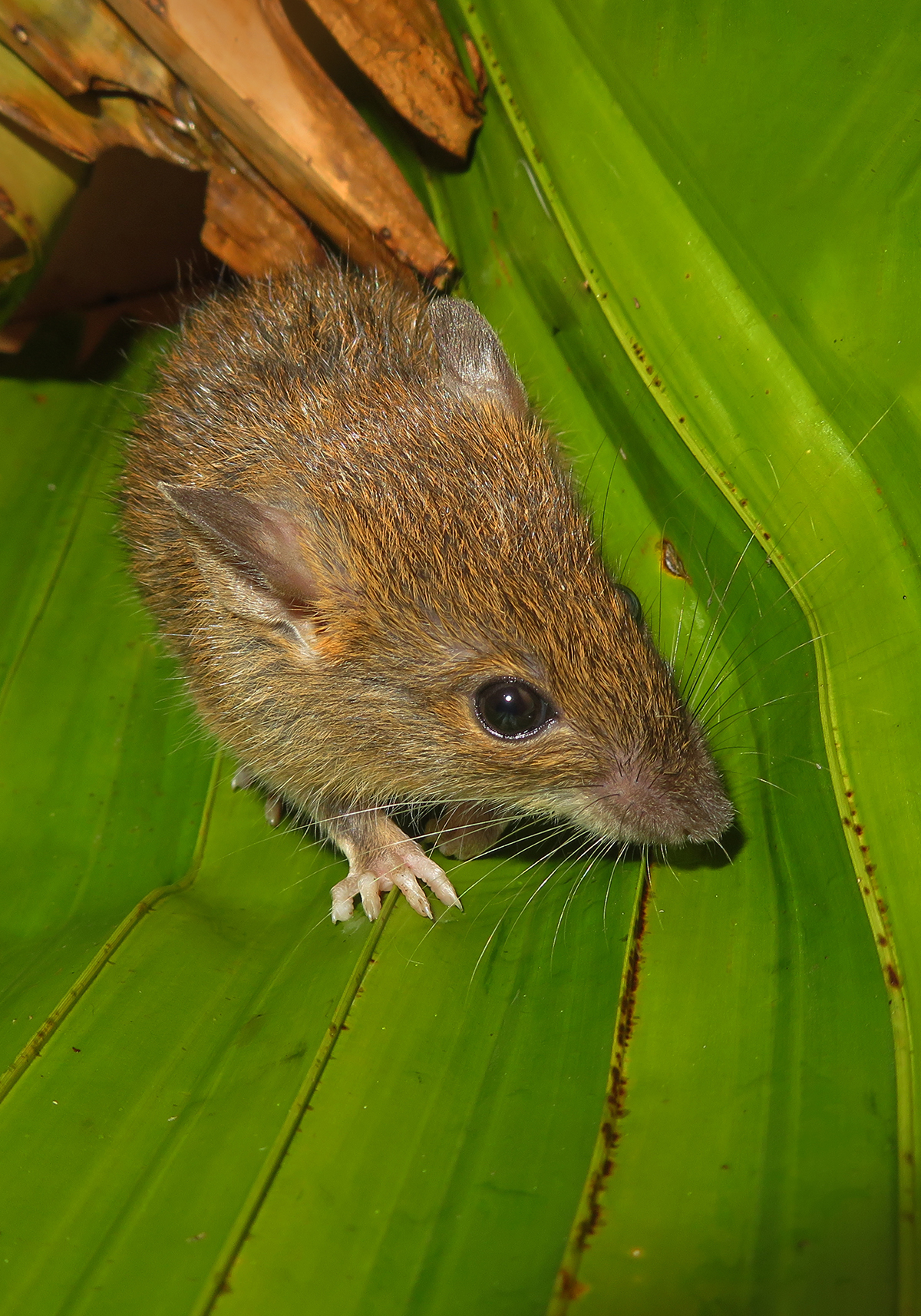
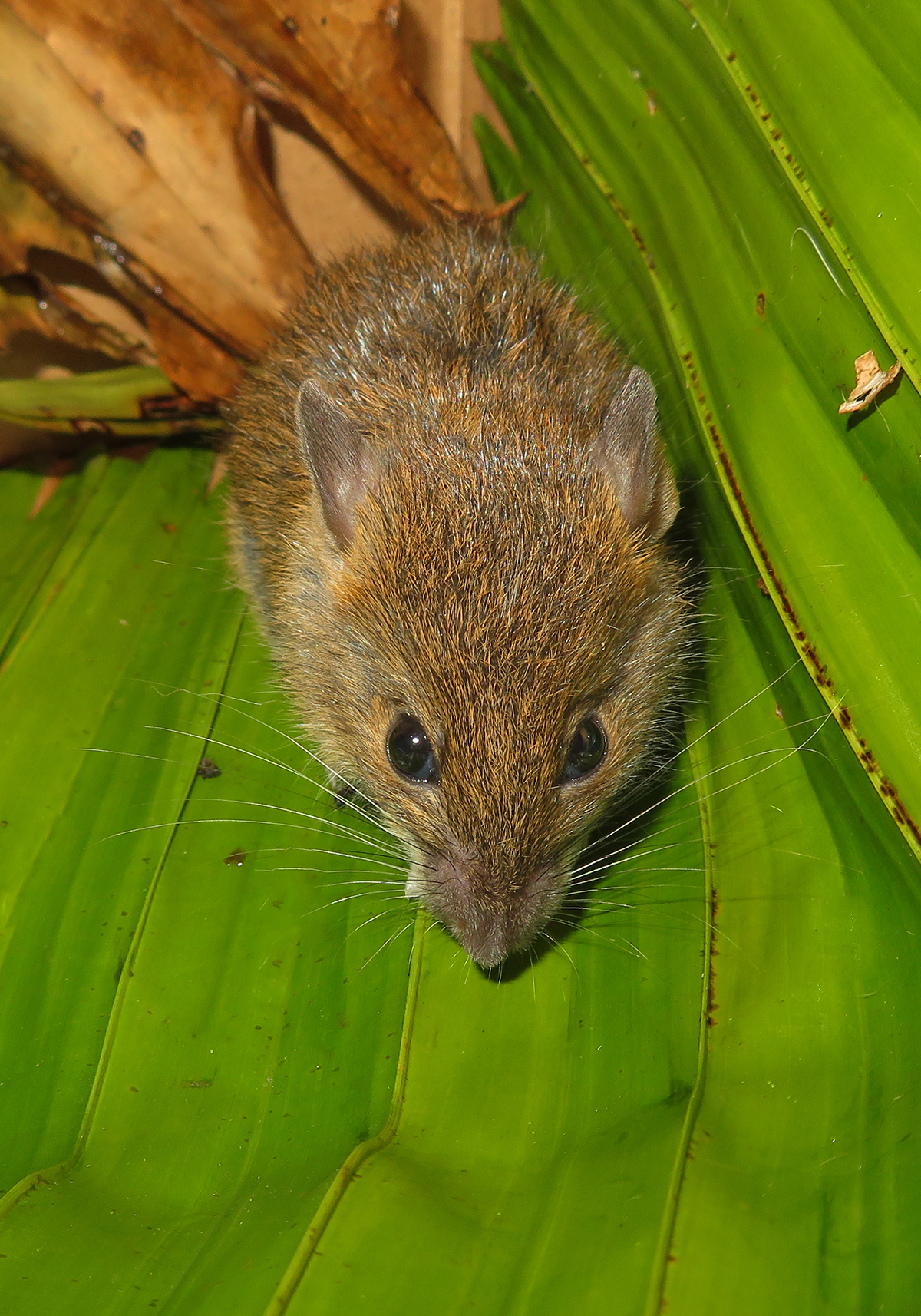
Bali Wildlife
Every Spices Matter


Placentalia is an infraclass within the subclass Theria (Class Mammalia) that comprises all placental mammals. This group includes the vast majority of living mammal species and is characterized by the presence of a complex placenta, which nourishes and supports the developing embryo within the uterus.
Placental mammals exhibit prolonged internal gestation compared to marsupials. The placenta facilitates efficient exchange of nutrients, oxygen, and waste products between mother and embryo, allowing offspring to be born at a relatively advanced stage of development.
Anatomically, placentals differ from marsupials in several ways, including the absence of epipubic bones and structural differences in the reproductive tract and ankle bones. They possess the typical mammalian traits of hair or fur, mammary glands, three middle ear bones, a neocortex, and endothermy.
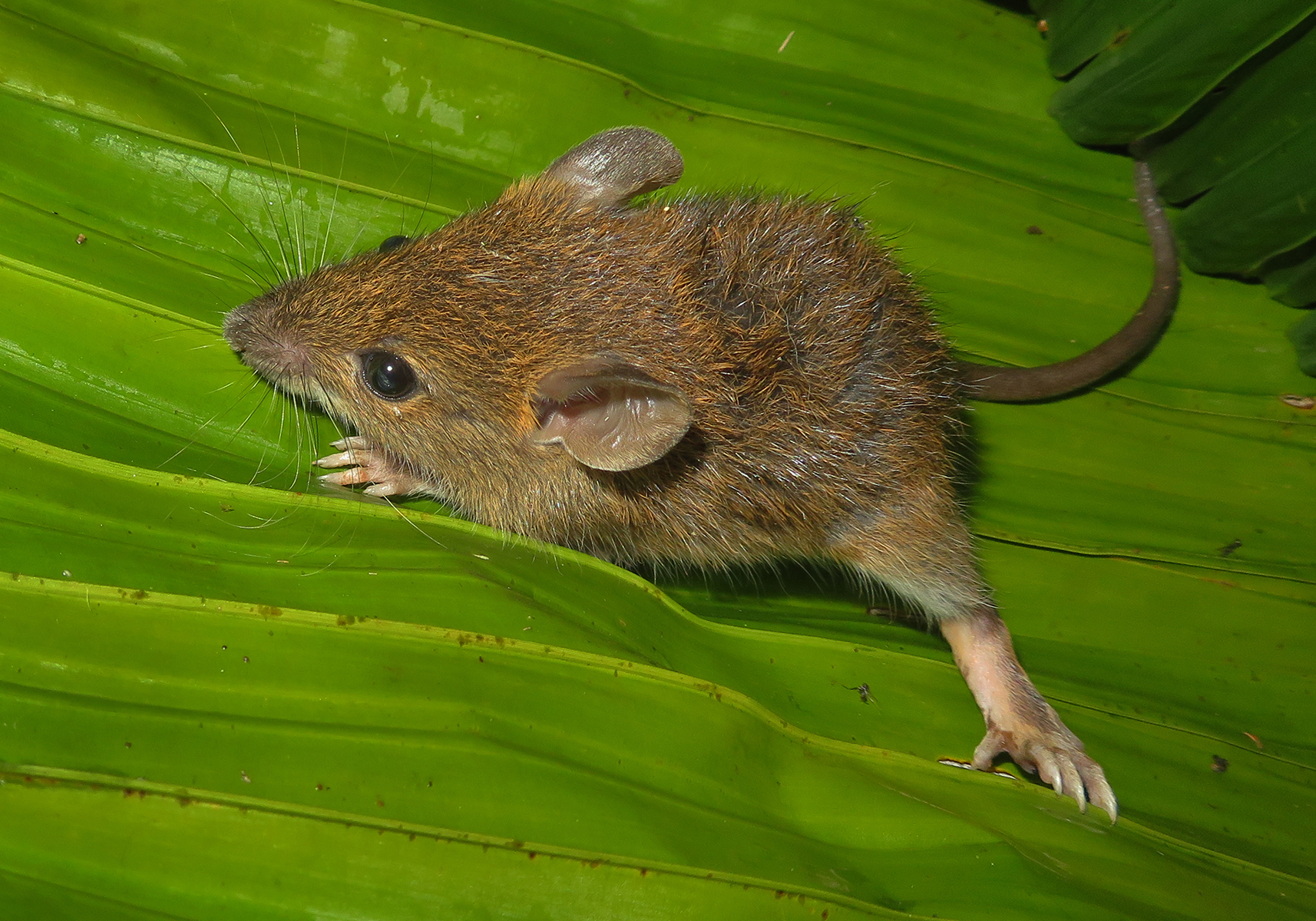
Placentalia is an extremely diverse lineage, encompassing numerous orders such as primates, carnivores, rodents, bats, cetaceans, ungulates, and many others. Members of this infraclass occupy nearly every habitat on Earth, including terrestrial, aerial, freshwater, and marine environments.
Reproductive strategies vary widely among placentals, but most species exhibit significant parental investment, particularly maternal care. Gestation periods range from a few weeks in small mammals to over a year in large species such as elephants.
Ecologically, placental mammals play crucial roles as predators, herbivores, pollinators, seed dispersers, scavengers, and ecosystem engineers. Their evolutionary success is largely attributed to advanced reproductive adaptations, complex brains, behavioral flexibility, and ecological versatility.
Infraclass Placentalia represents the most diverse and widespread group of mammals, defined by live birth supported by a well-developed placenta and extended internal embryonic development.