Bali Wildlife
Every Spices Matter


Phrynarachne decipiens is a species of crab spider belonging to the genus Phrynarachne (Family Thomisidae, Order Araneae). It is distributed across parts of South and Southeast Asia, where it inhabits tropical and subtropical forests, woodland edges, gardens, and shrub-covered habitats. Like other members of its genus, it is well known for its remarkable camouflage and ambush hunting strategy.
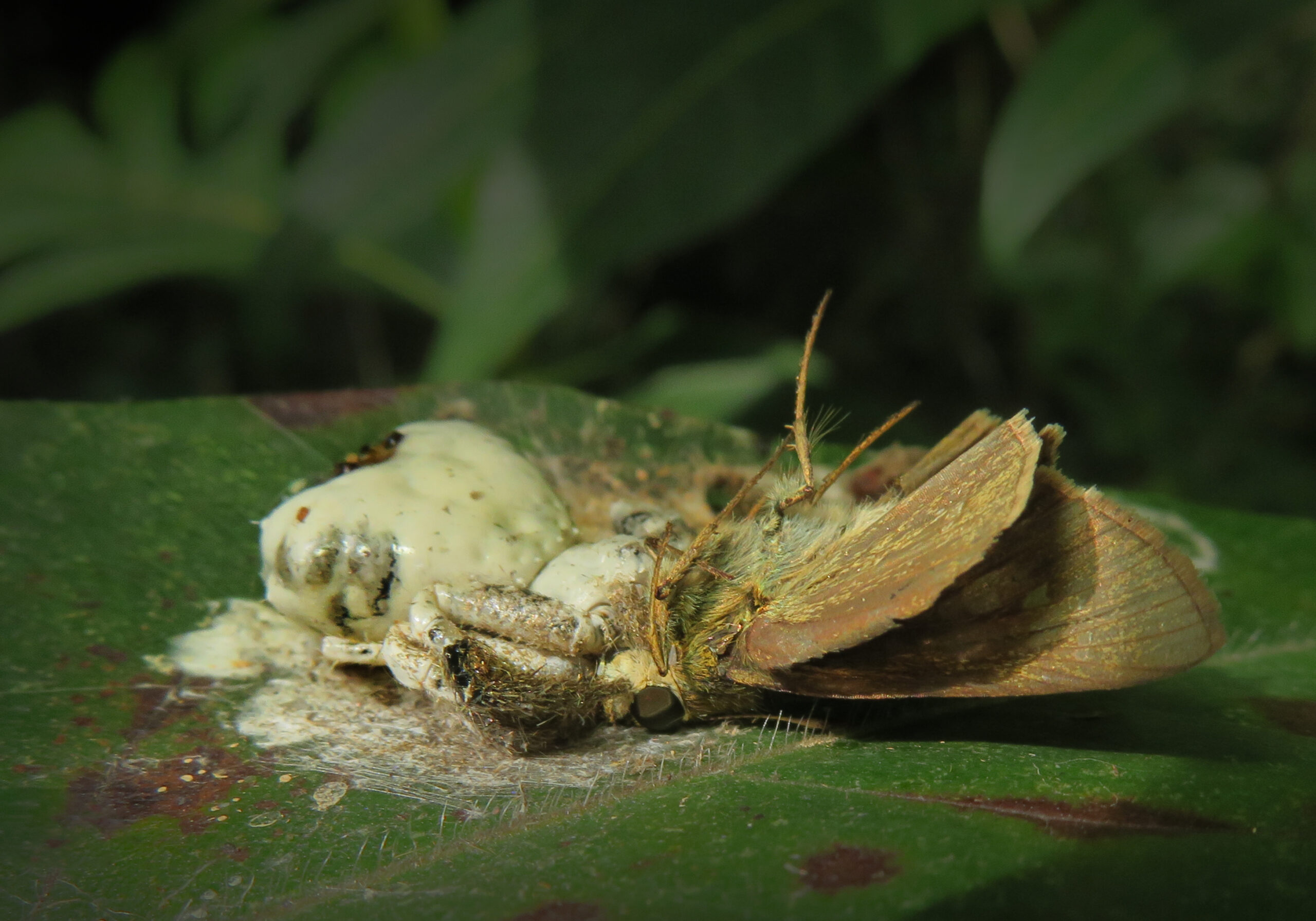
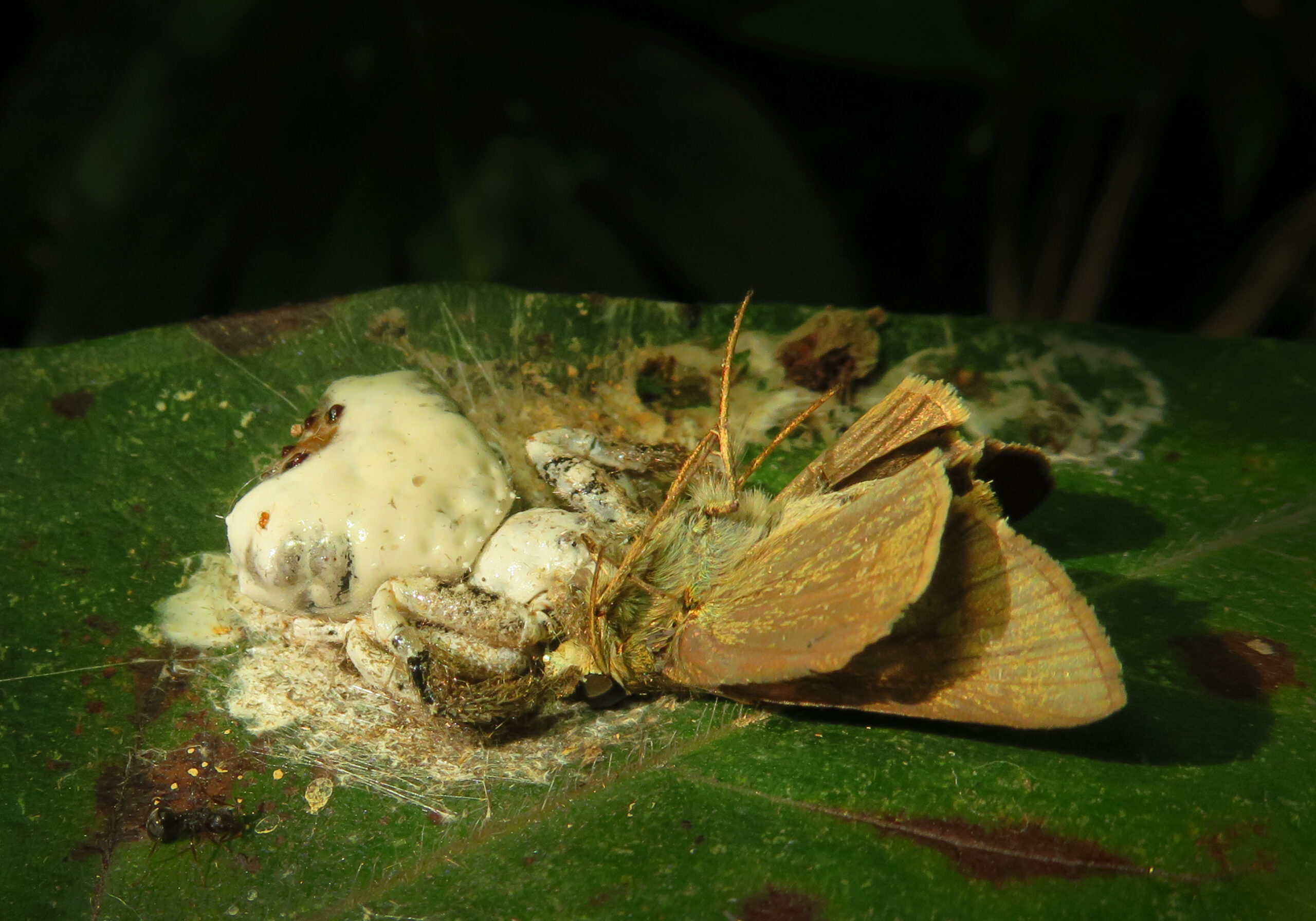
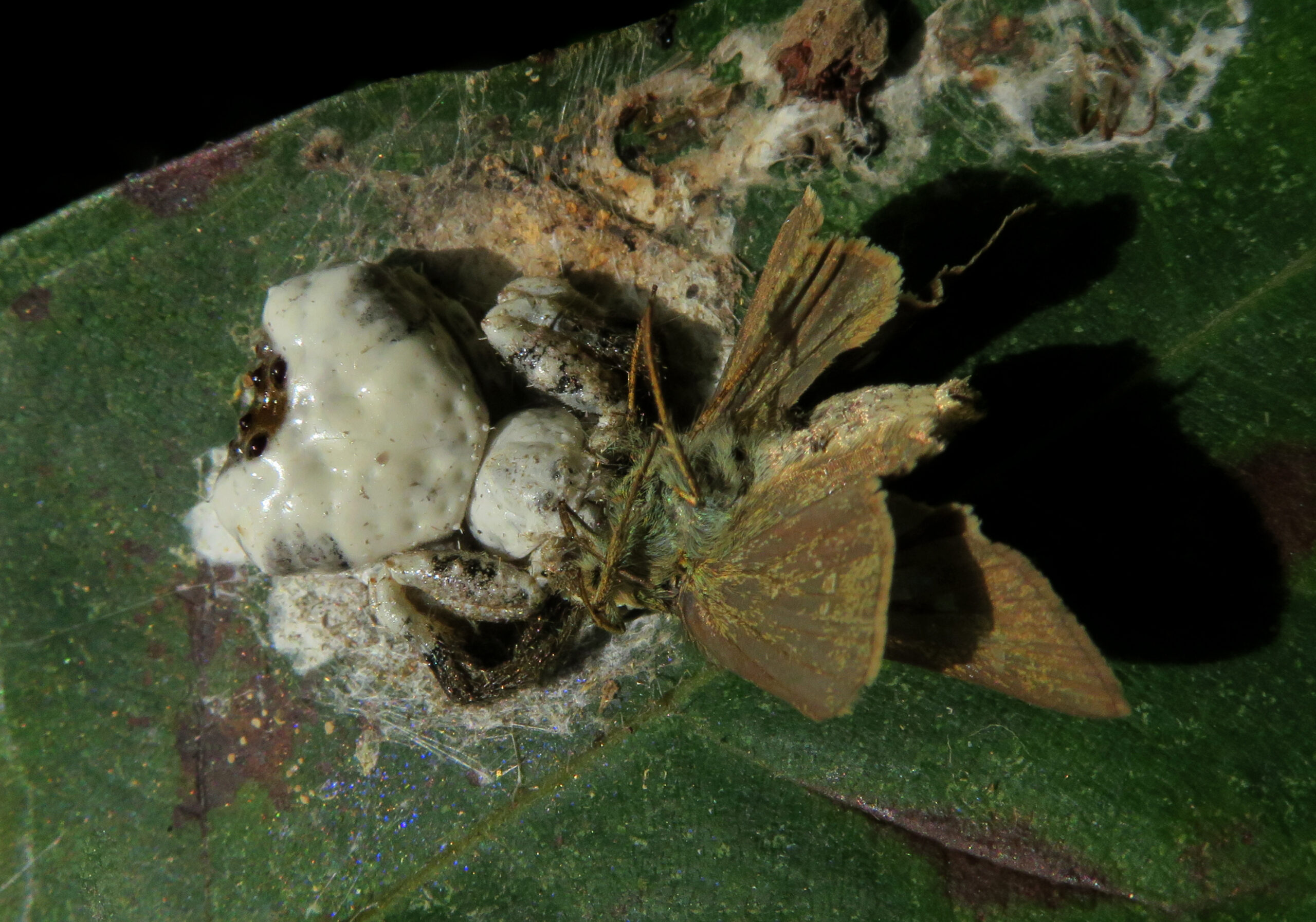
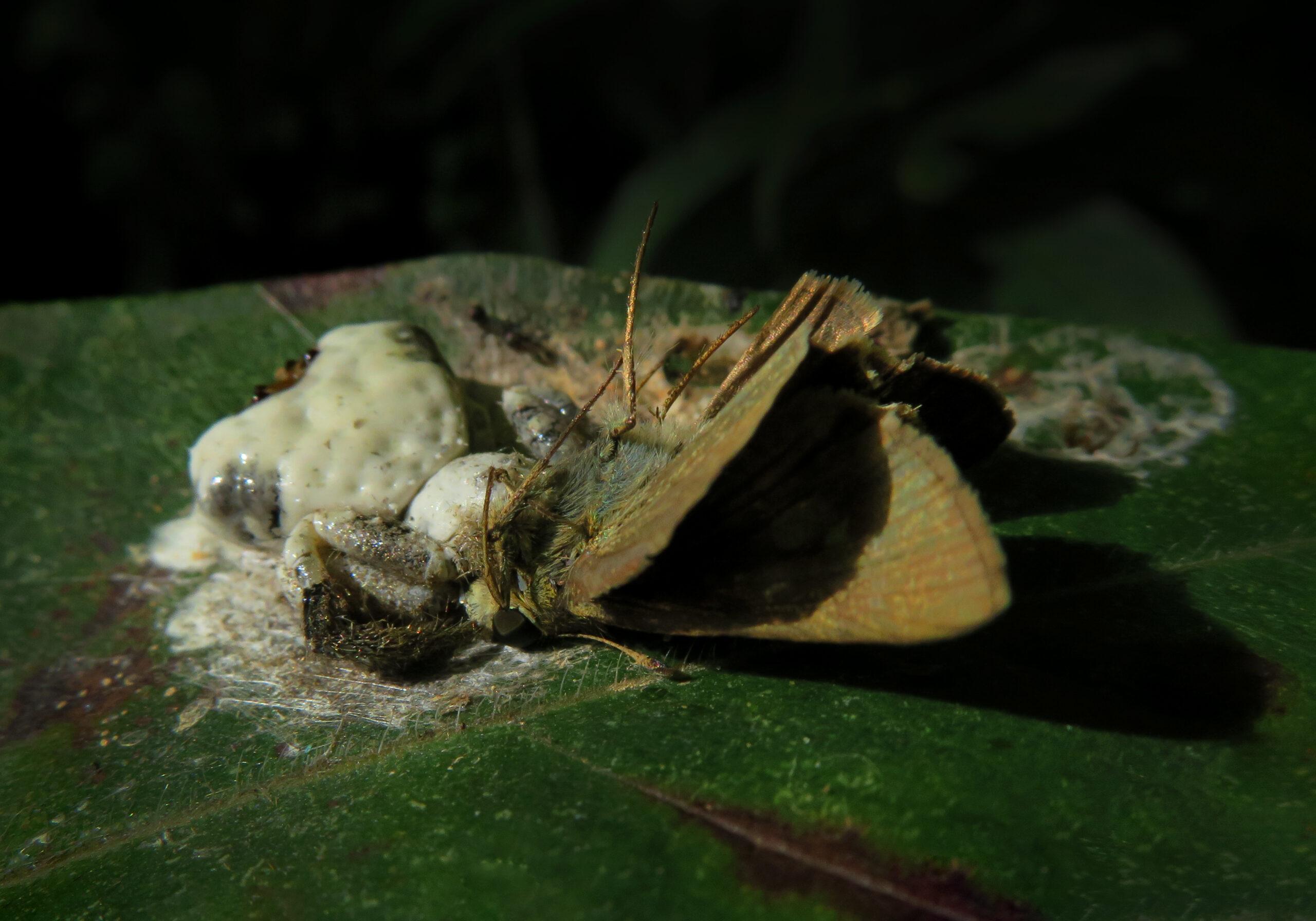
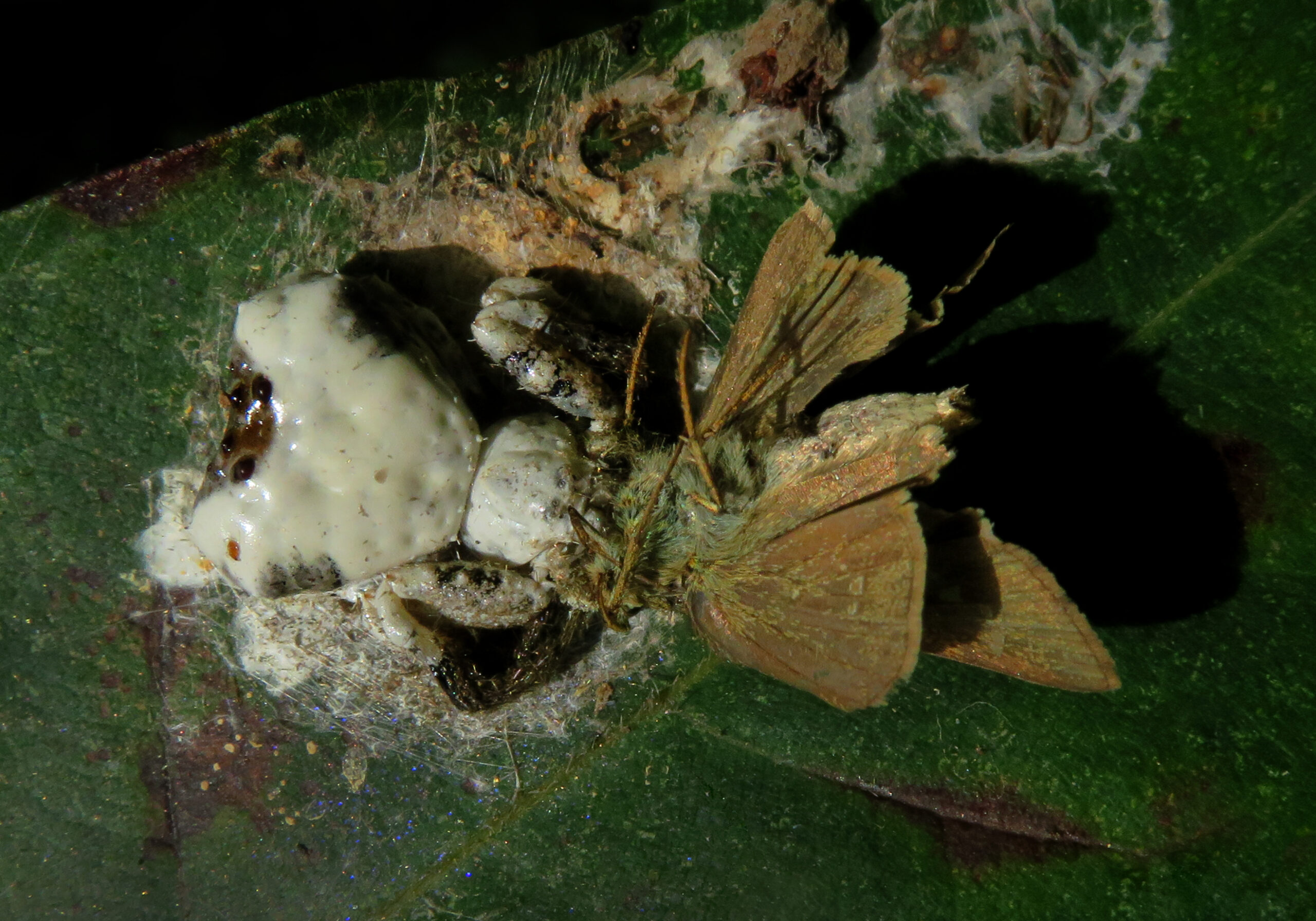
Phrynarachne decipiens is a small to medium-sized spider characterized by its broad, flattened body and irregular, warty appearance. Its coloration usually consists of combinations of white, cream, brown, gray, and black, closely resembling a fresh bird dropping. This extraordinary form of protective mimicry enables the spider to avoid detection by both predators and potential prey.
Like other crab spiders, the first two pairs of legs are enlarged and extend sideways, giving the spider a crab-like stance. Rather than constructing a prey-catching web, P. decipiens is an ambush predator. It remains motionless on leaves or branches, relying on its camouflage until an unsuspecting insect approaches within reach. The spider then rapidly seizes its prey using its powerful front legs and subdues it with venom.
Its diet consists primarily of small flying and crawling insects, including flies, bees, butterflies, moths, and other arthropods. The bird-dropping resemblance not only provides protection from predators but may also attract insects that investigate what appears to be organic material, thereby increasing hunting success.
The life cycle follows the typical pattern of spiders, consisting of egg, spiderling, juvenile, and adult stages. Females produce silk egg sacs, which are attached to vegetation and often guarded until the young emerge. Spiderlings undergo several molts before reaching maturity.
Ecologically, Phrynarachne decipiens serves as an important predator of small insects, helping regulate arthropod populations within forest ecosystems. In turn, it is preyed upon by birds, reptiles, larger spiders, and predatory insects. Its remarkable bird-dropping mimicry represents one of the most effective examples of defensive and predatory camouflage among spiders, highlighting the evolutionary diversity of the family Thomisidae.