Bali Wildlife
Every Spices Matter


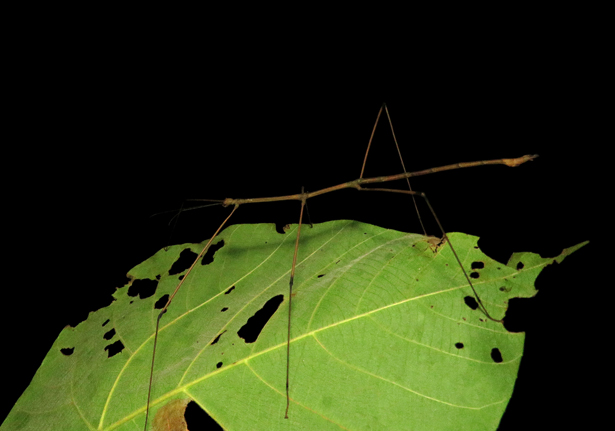
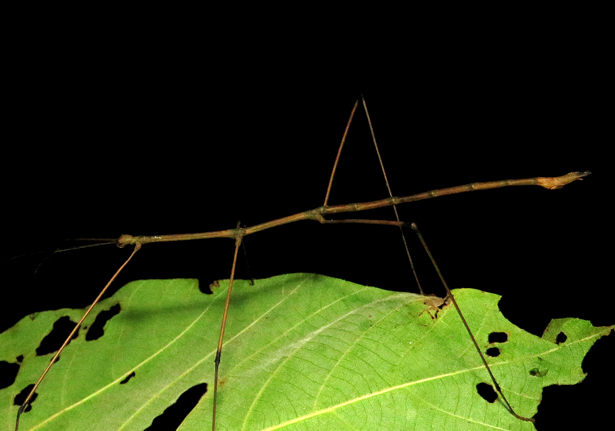
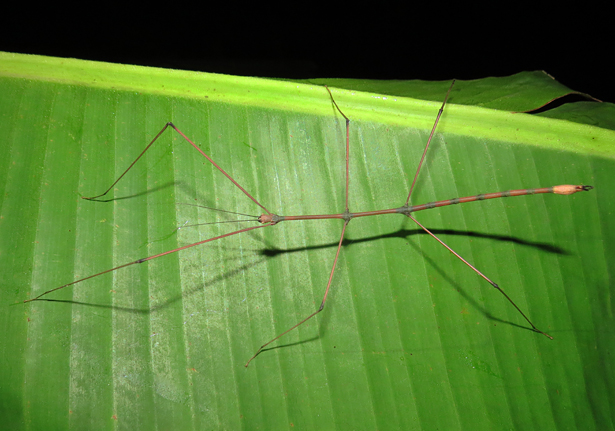
Phasmatidae is one of the largest and most diverse families within the order Phasmida, commonly known as stick insects. The family is widely distributed across tropical, subtropical, and temperate regions of the world, with its greatest diversity occurring in tropical forests, particularly in Southeast Asia, Australasia, and the Neotropics. Members of Phasmatidae are well adapted to arboreal life and are best known for their remarkable camouflage.
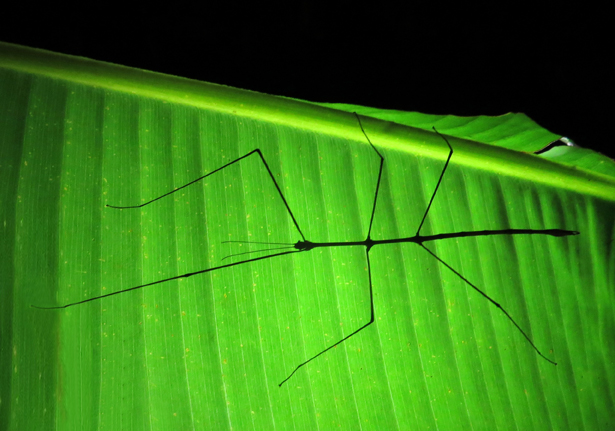
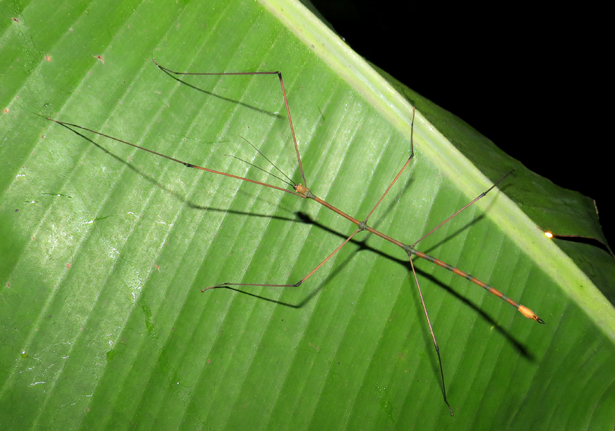
Insects of the family Phasmatidae typically have elongated, cylindrical bodies that closely resemble twigs or branches. Body size varies considerably, ranging from medium-sized species to some of the largest insects known. Coloration is usually cryptic, dominated by shades of brown, green, or gray, often with surface textures that mimic bark or woody plant material. Sexual dimorphism is common, with females generally larger, heavier-bodied, and often less mobile than males.
Wings are variably developed within Phasmatidae. Many species are wingless, while others possess reduced wings or fully developed wings capable of limited flight or gliding. In winged species, males are often more likely to be fully winged than females. Defensive strategies are diverse and include crypsis, startle displays using brightly colored hind wings, spines on the body or legs, chemical defense secretions, and the ability to shed legs (autotomy) when attacked.
Phasmatidae exhibit incomplete metamorphosis. Eggs are distinctive, often seed-like in appearance, and are usually dropped to the ground by the female, where they may remain dormant for extended periods. Nymphs resemble miniature adults and gradually develop adult features through successive molts.
Ecologically, members of Phasmatidae are strictly herbivorous, feeding on leaves of trees and shrubs. They play a role as primary consumers in forest ecosystems and form part of the diet of birds, reptiles, and other predators. While most species occur at low population densities, some can become locally abundant and may cause noticeable defoliation. The family Phasmatidae represents a highly successful lineage of insects, notable for its diversity, specialized morphology, and extraordinary adaptations for camouflage and defense.