Bali Wildlife
Every Spices Matter


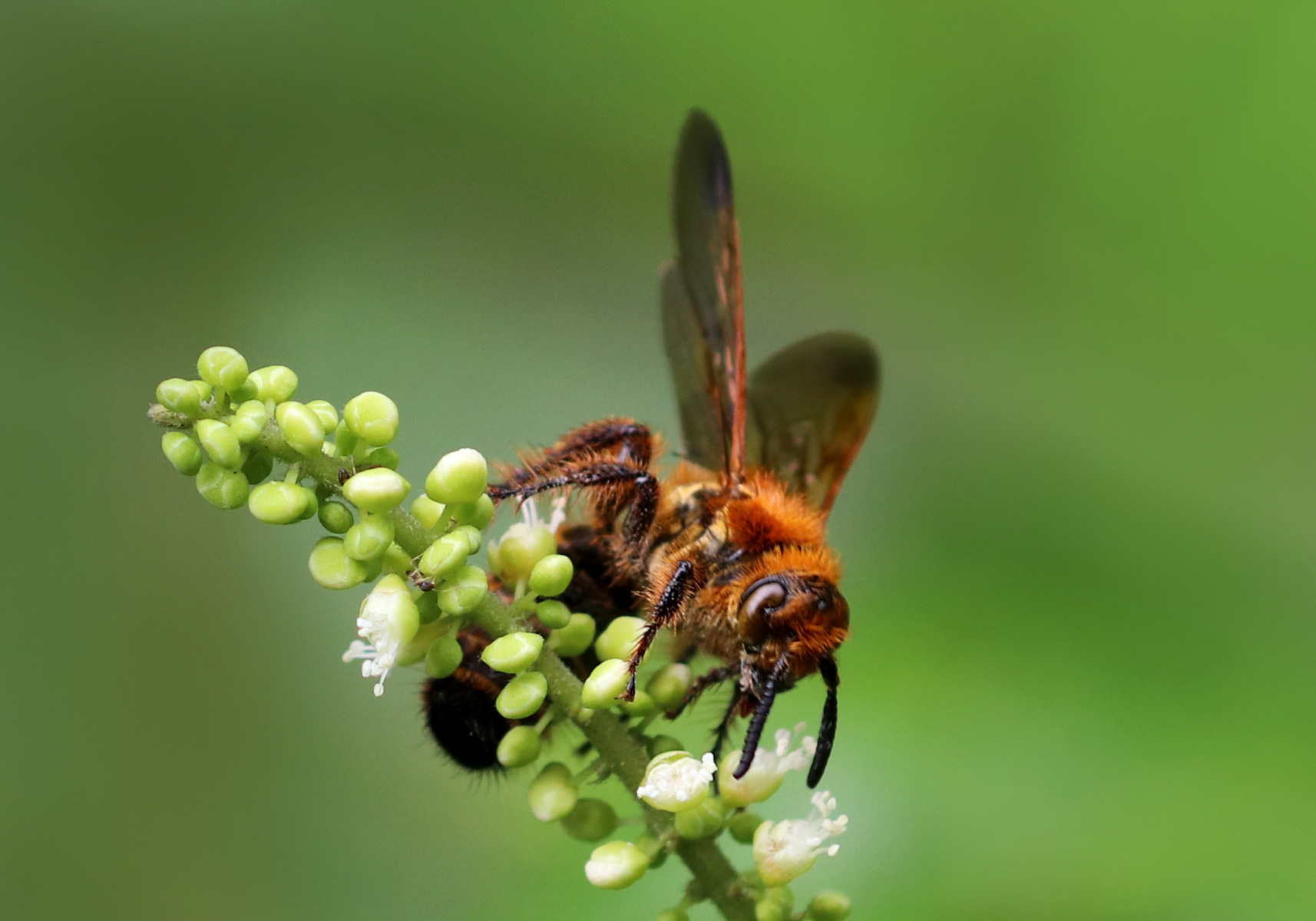
Phalerimeris is a genus of scoliid wasps within the tribe Campsomerini (Family Scoliidae, Superfamily Scolioidea, Order Hymenoptera). The genus is primarily distributed in tropical regions, particularly in parts of Africa and Asia, where suitable soil-dwelling hosts are abundant. These wasps are typically associated with open habitats such as grasslands, forest edges, and sandy or loose soils.
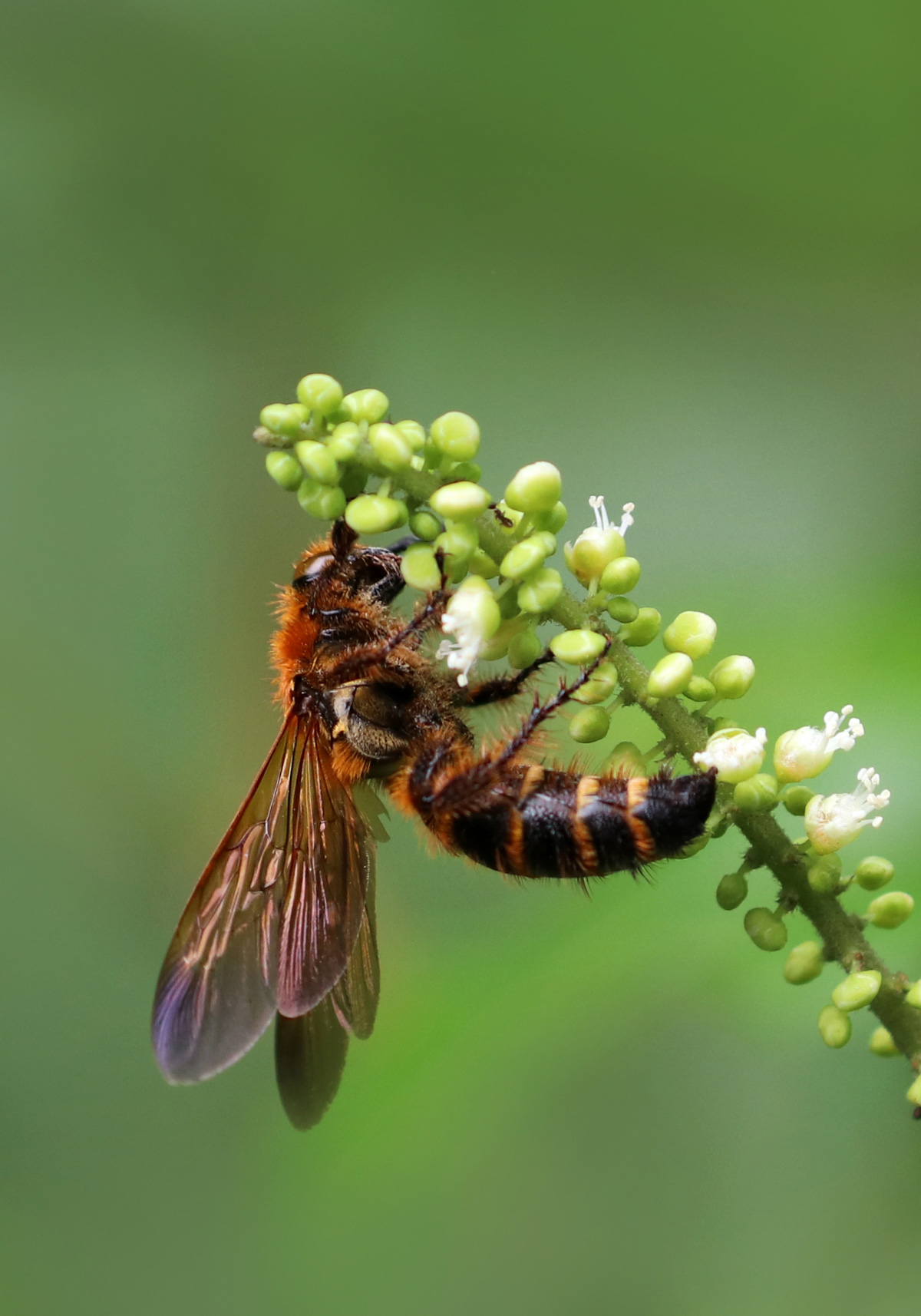
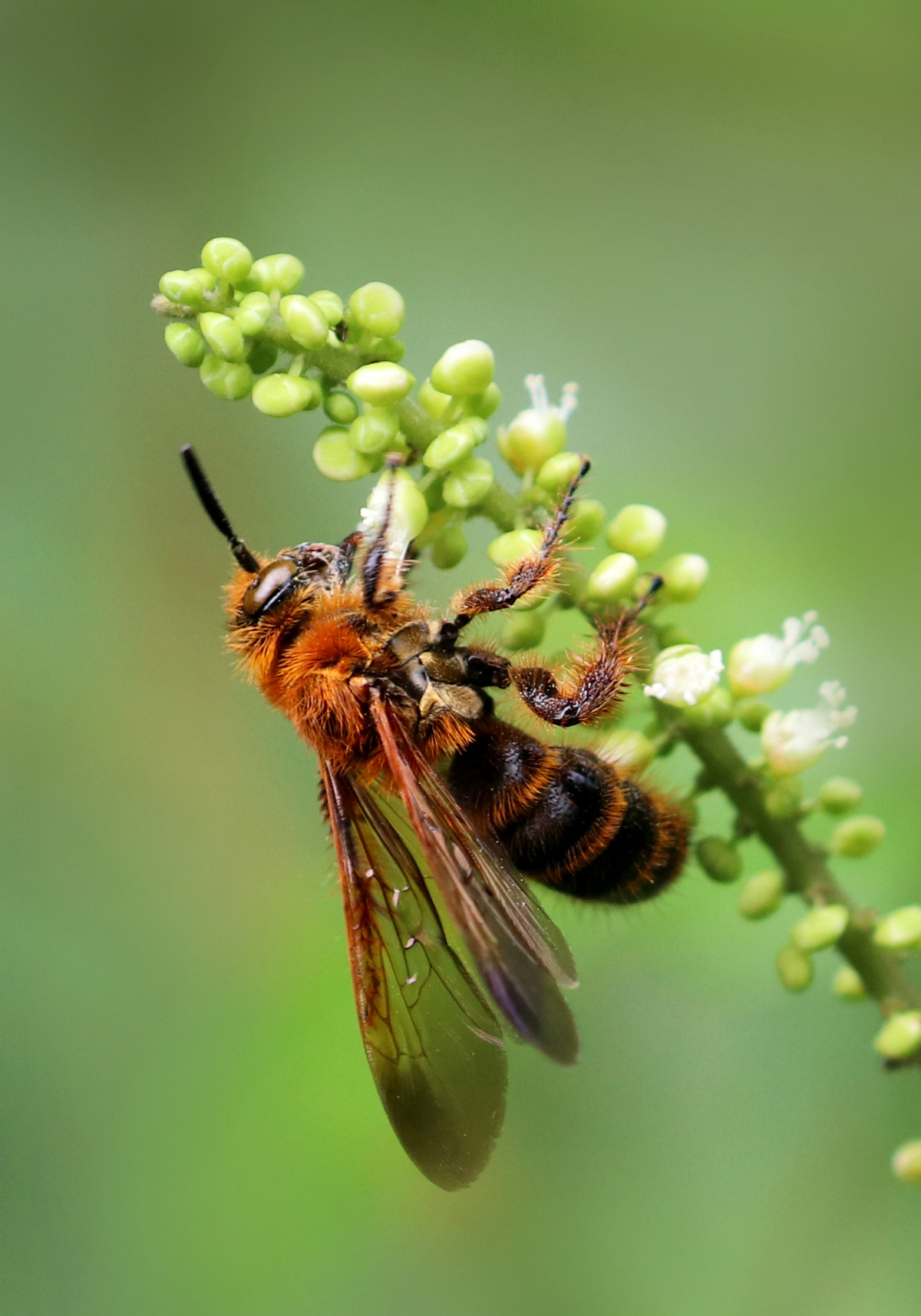
Members of the genus Phalerimeris are generally medium to large wasps with a robust and often hairy body. They commonly display contrasting coloration, typically black with yellow or pale bands or markings. The wings are often dark or show iridescent reflections. The head is well developed, with strong mandibles and large compound eyes, while the legs are adapted for digging.
Like other members of Campsomerini, Phalerimeris species are parasitoids of soil-dwelling beetle larvae, particularly those of scarab beetles. Females search for hosts in the soil, sting and paralyze them, and then lay an egg on or near the host. The developing larva feeds externally on the immobilized host, eventually consuming it before pupating in the soil.
The life cycle involves complete metamorphosis and is closely tied to the availability of suitable host larvae in the environment.
Adults typically feed on nectar and are often observed visiting flowers. They are active during warm daylight hours and are usually seen flying low over the ground while searching for hosts.
Ecologically, Phalerimeris species play an important role in regulating populations of soil-dwelling beetles, many of which can be agricultural pests. Their activity contributes to natural pest control, while their nectar-feeding behavior supports pollination. Despite their large size and striking appearance, they are generally non-aggressive and are beneficial components of their ecosystems.