Bali Wildlife
Every Spices Matter


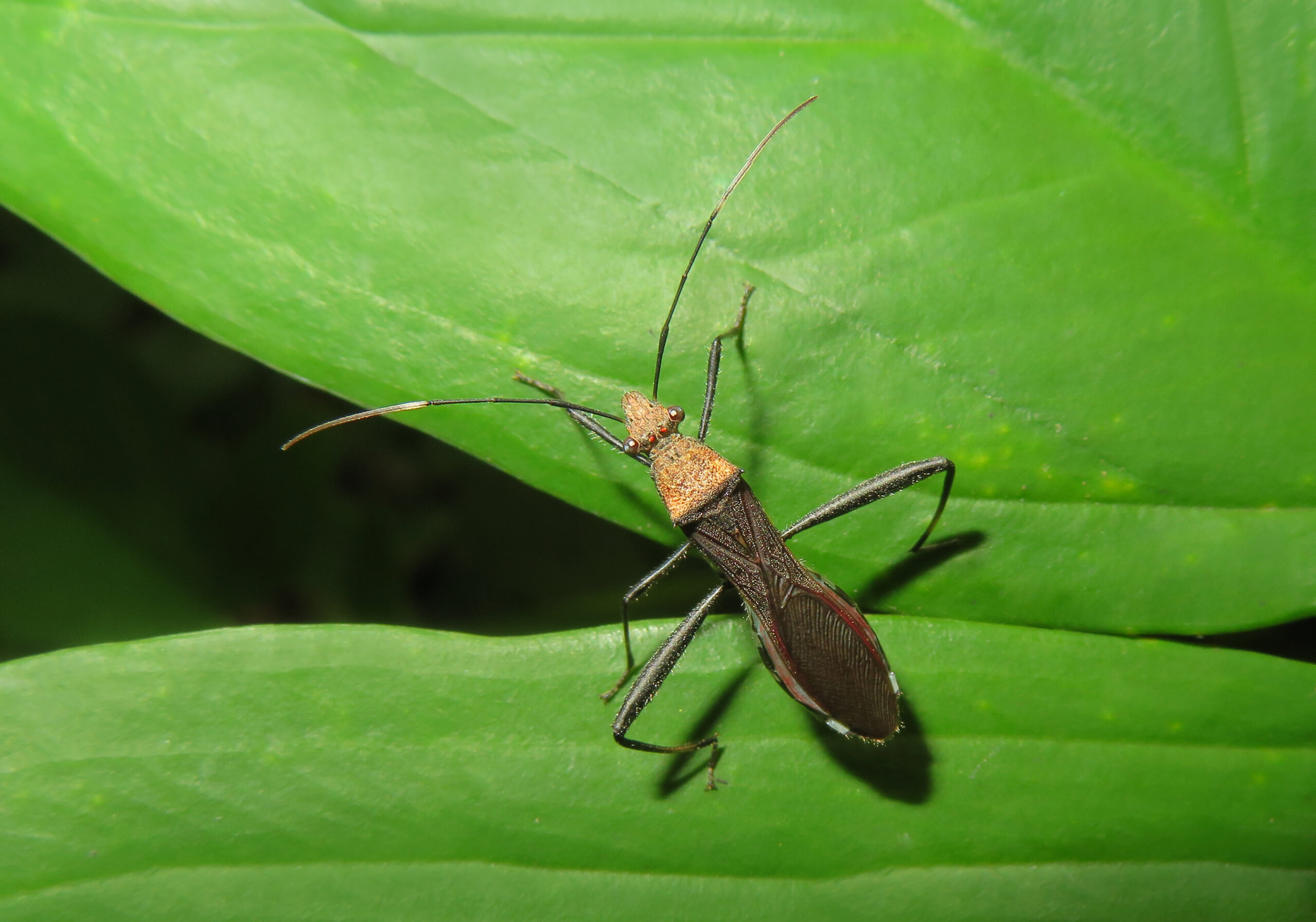
Pentatomomorpha is a major infraorder within the suborder Heteroptera, comprising a diverse assemblage of true bugs that include many well-known and ecologically significant families. Members of this infraorder are primarily terrestrial and are especially abundant on vegetation, where many species feed on plant tissues and seeds.
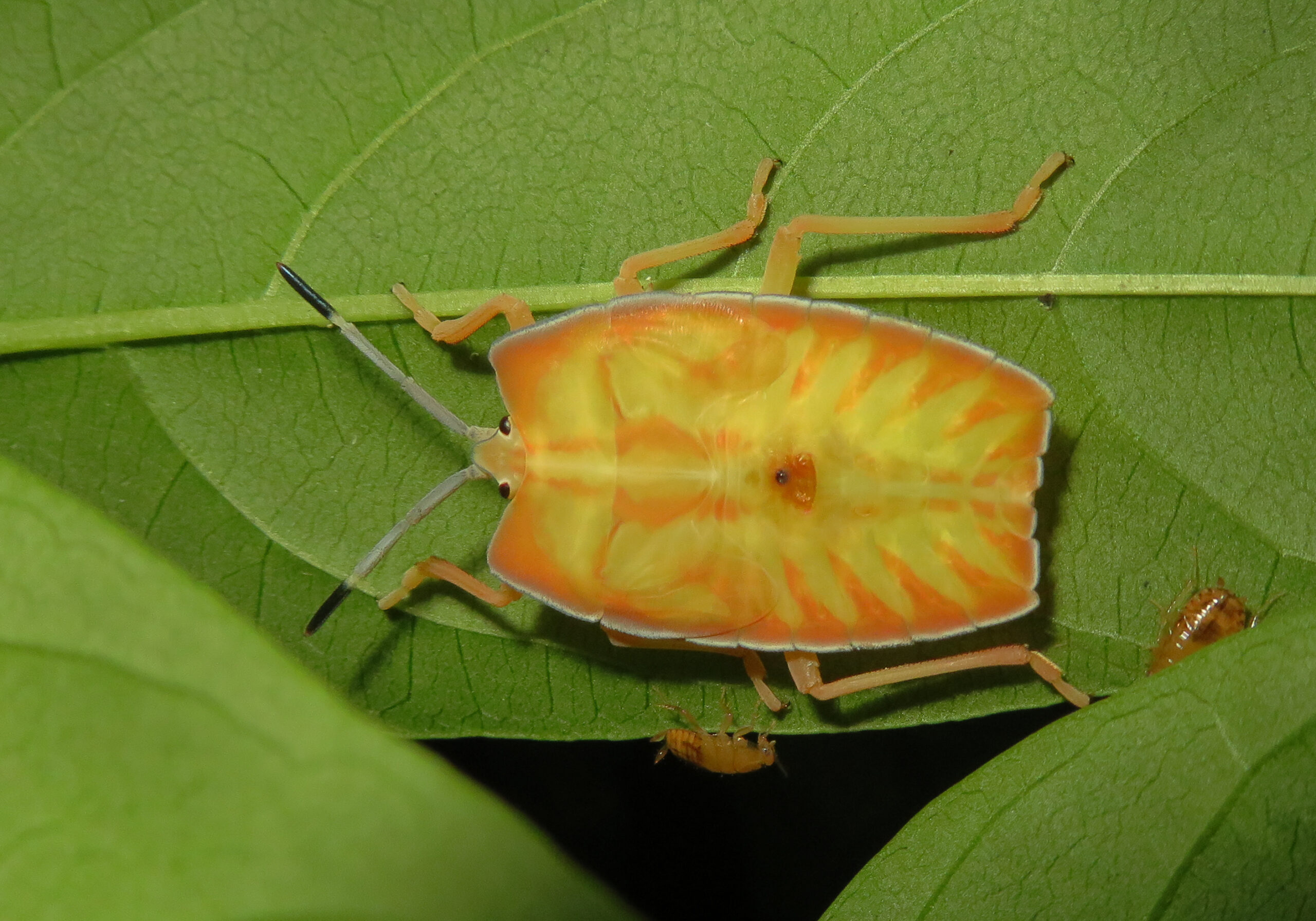
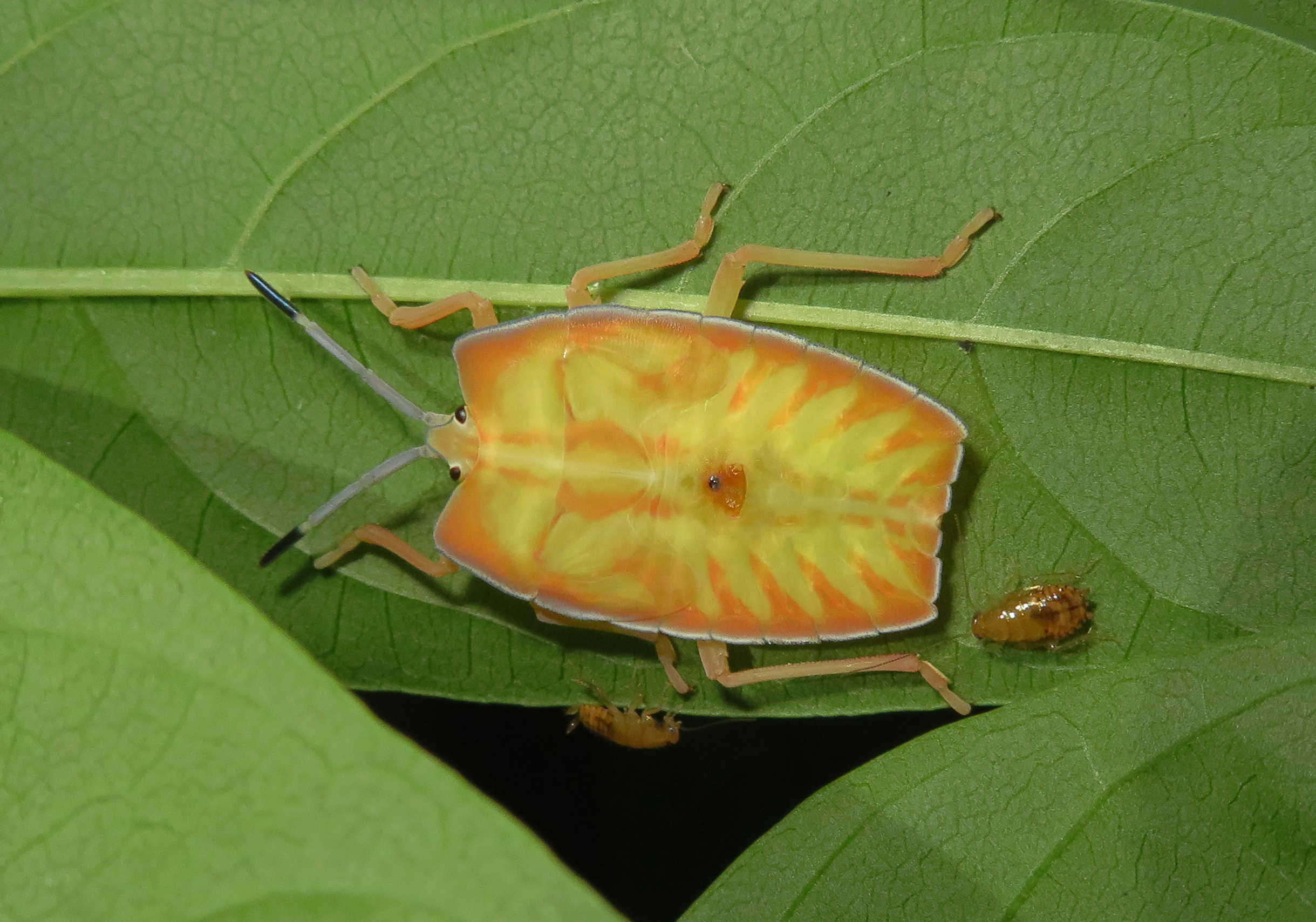
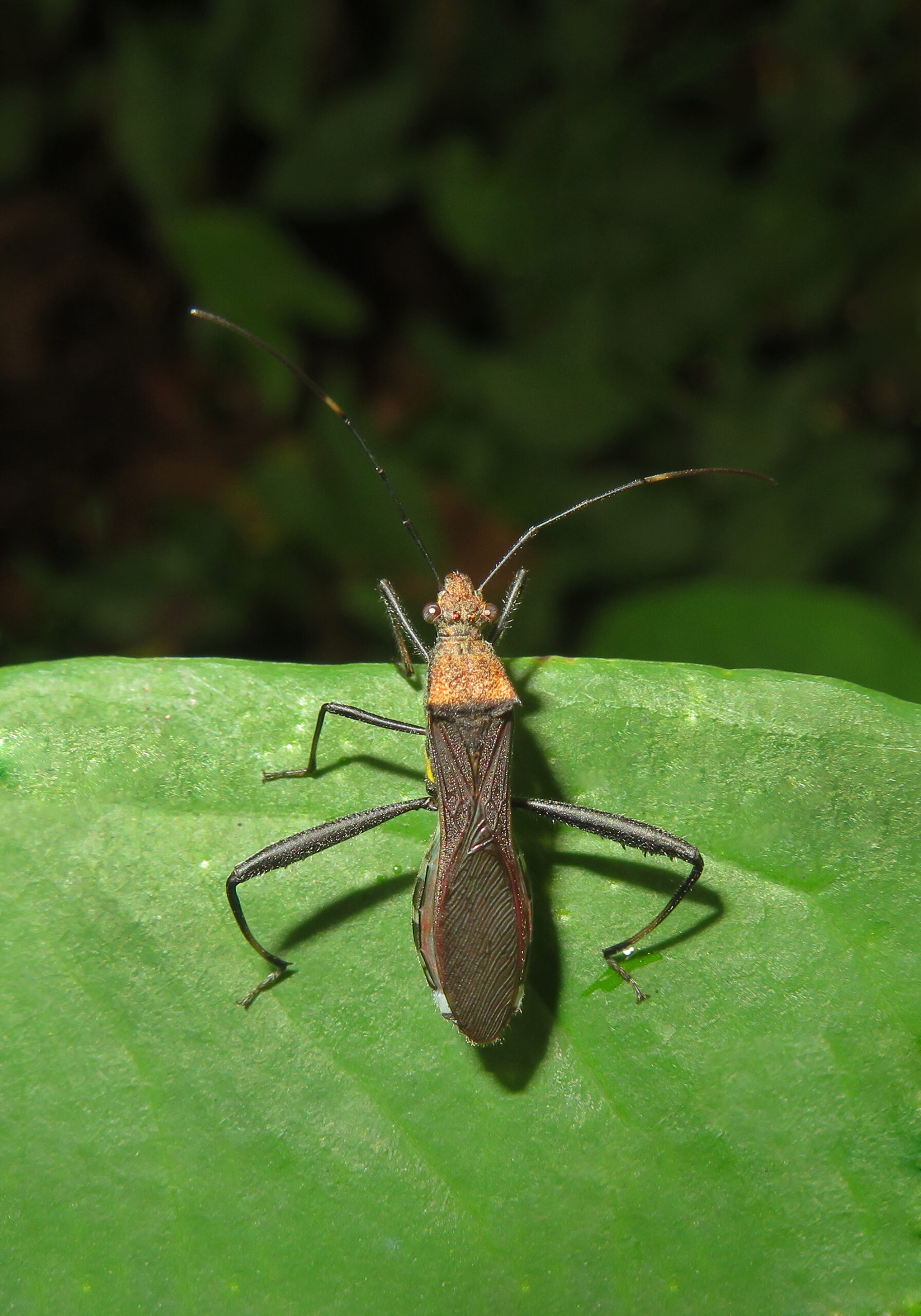
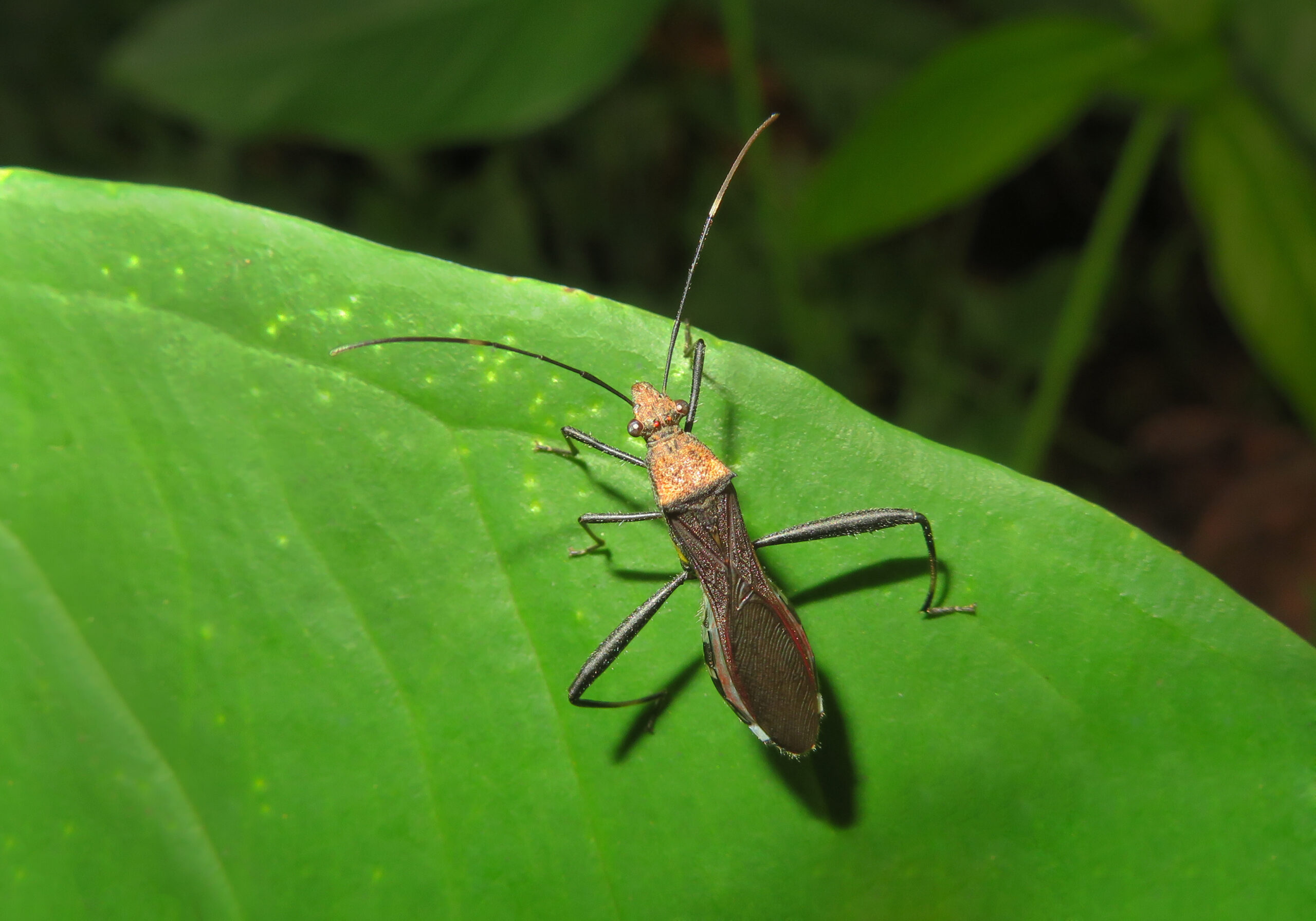
Pentatomomorphans are generally characterized by a well-developed scutellum, which may be small and triangular or greatly enlarged depending on the family, and by four-segmented antennae in most groups. The forewings are hemelytra, with a thickened basal portion and a membranous apical portion. The body shape varies from elongate to broadly oval or shield-shaped, as seen in stink bugs.
Feeding habits within Pentatomomorpha are diverse but are predominantly phytophagous, with many species specializing in feeding on seeds, fruits, or plant sap. Some groups are omnivorous or predatory. Like other heteropterans, they possess piercing–sucking mouthparts adapted to their feeding strategy and well-developed scent glands that may produce strong defensive odors.
Development is hemimetabolous, with egg, nymph, and adult stages. Nymphs resemble adults in overall form but lack wings and reproductive structures. Many species show host-plant specificity and complex interactions with their environment, including mutualisms and chemical defense mechanisms.
Pentatomomorpha includes several economically important families, such as Pentatomidae, Coreidae, Lygaeidae, and Pyrrhocoridae. Members of this infraorder play important ecological roles as herbivores, seed predators, and prey for other animals, while some species are significant agricultural pests due to their feeding damage on crops.