Bali Wildlife
Every Spices Matter


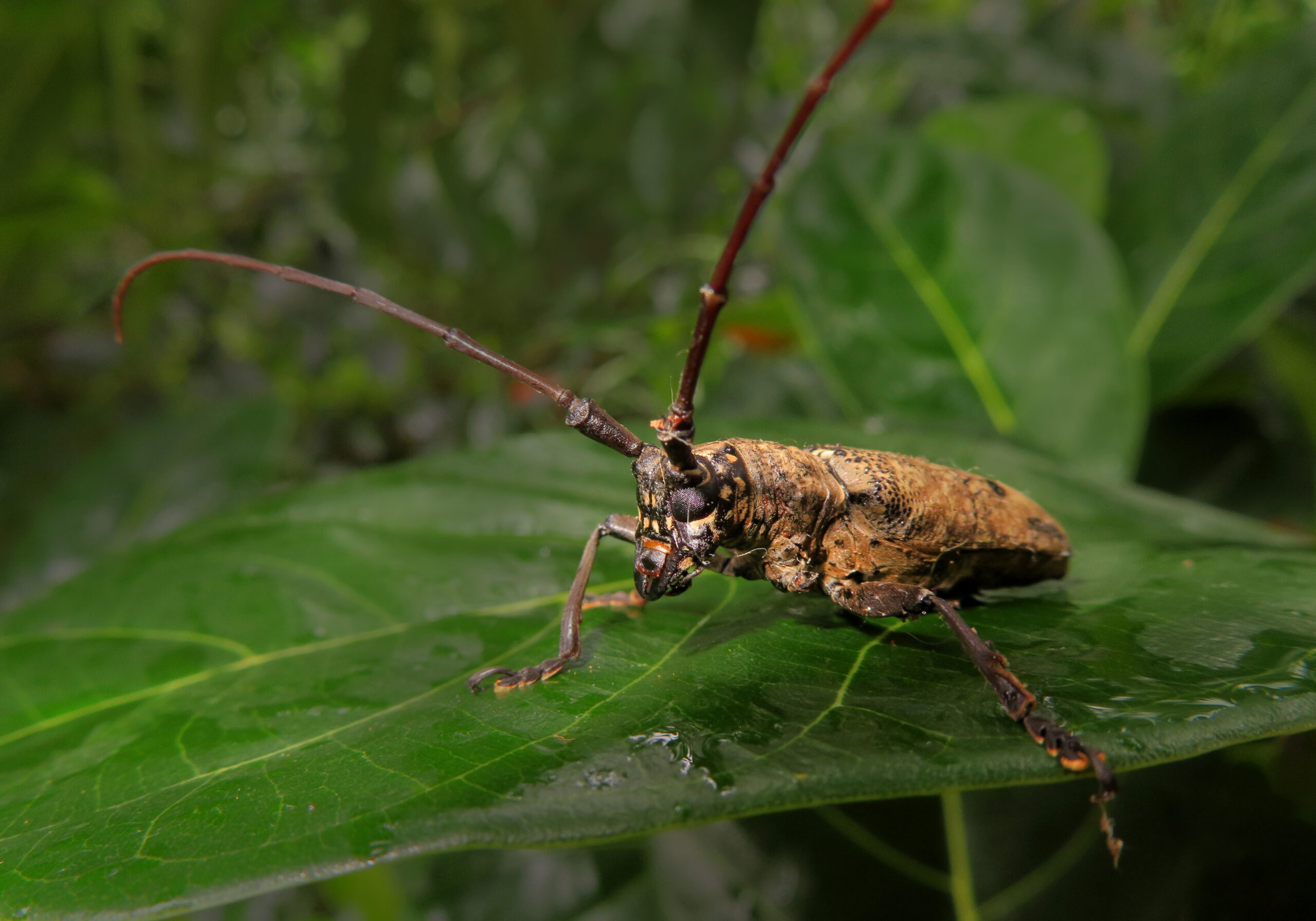
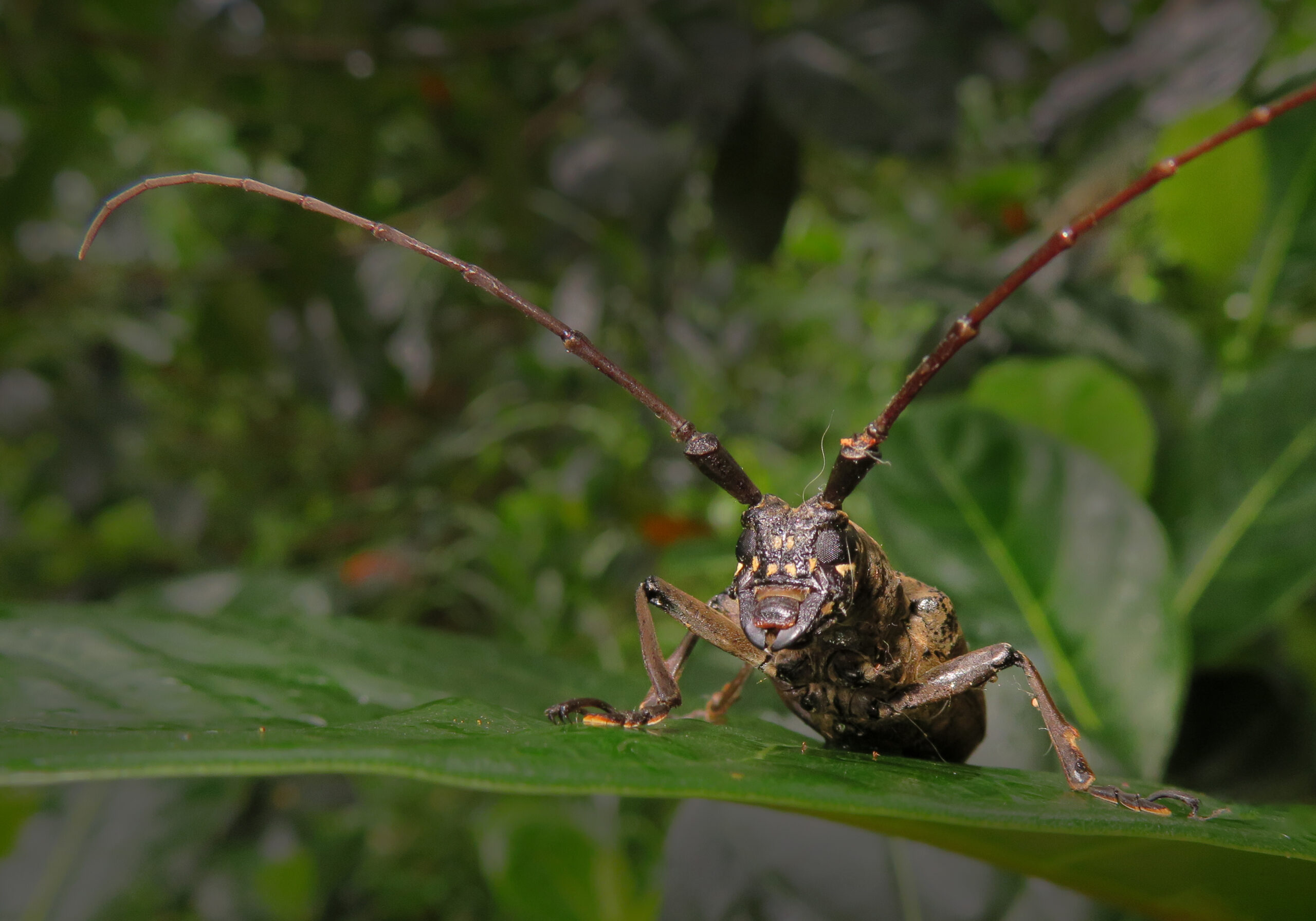
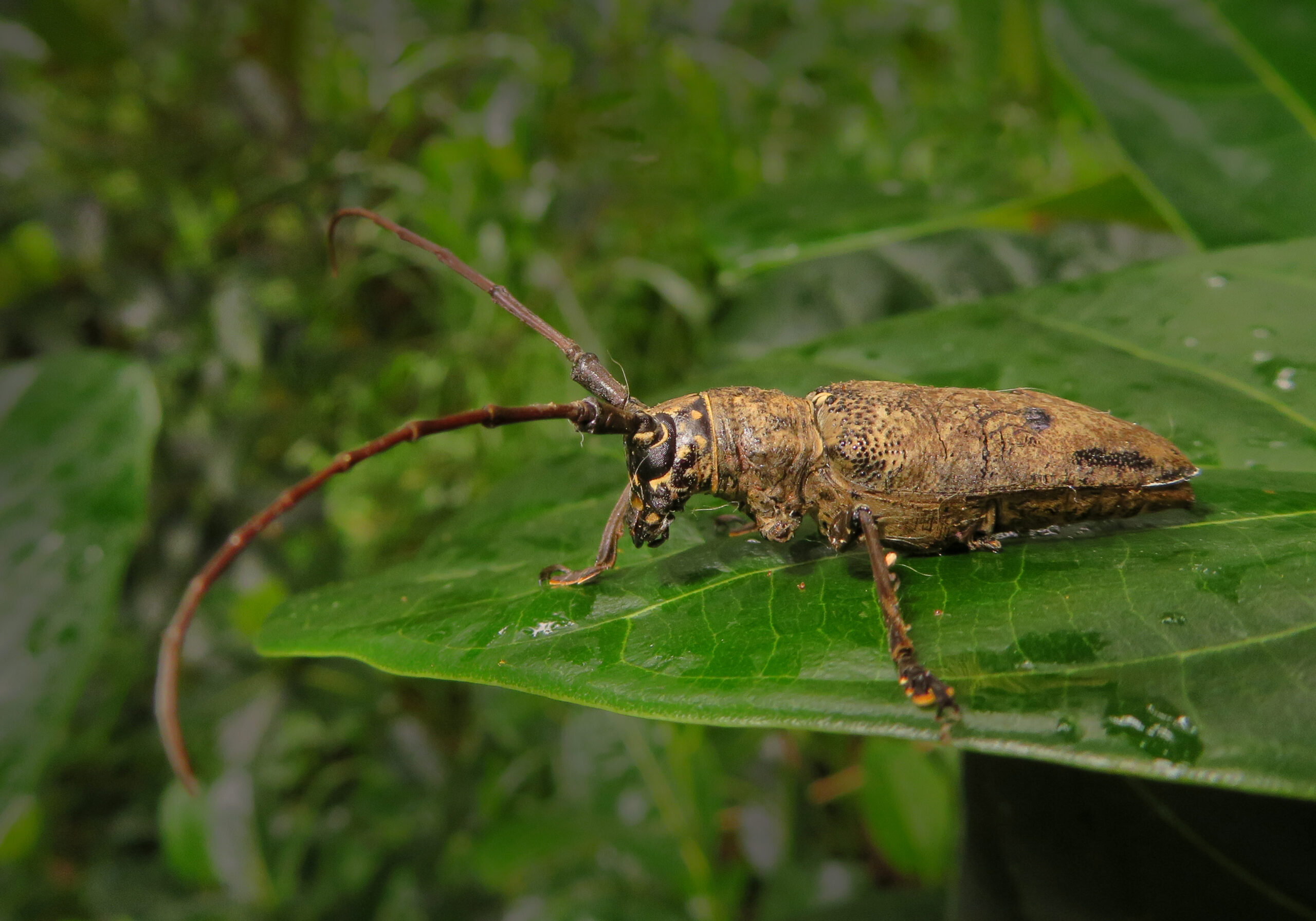
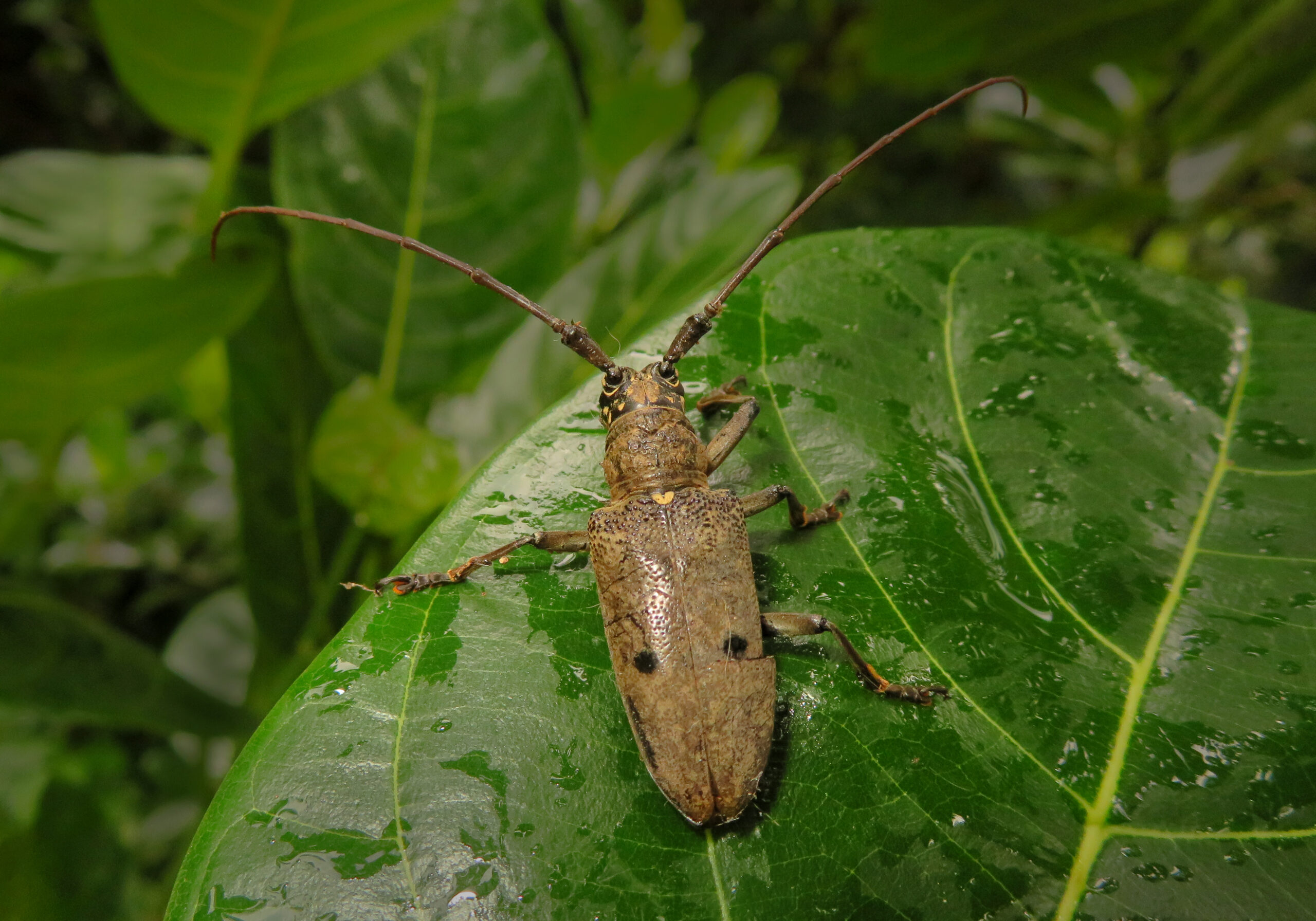
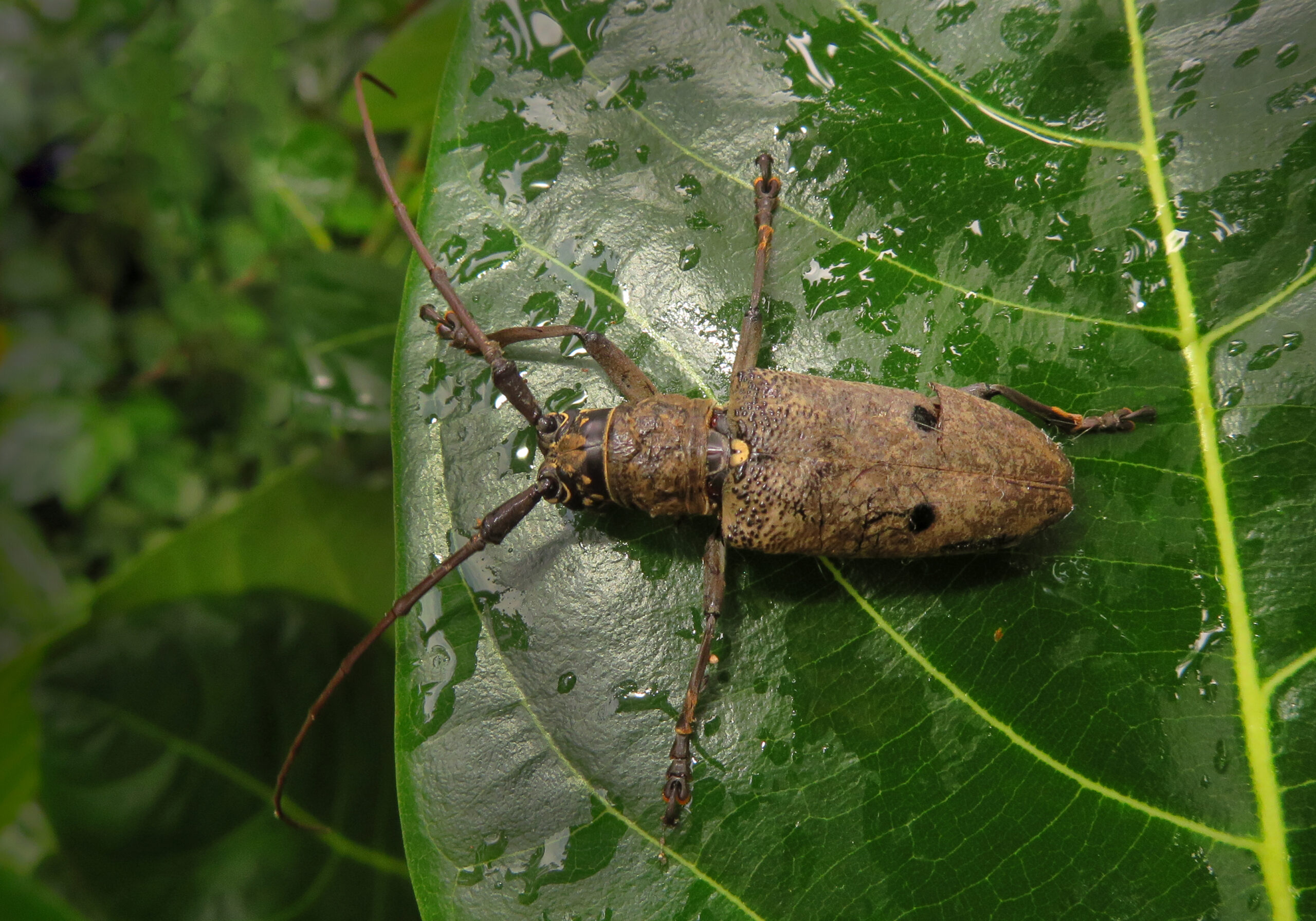
Pelargoderus is a genus of longhorn beetles within the family Cerambycidae (Subfamily Prioninae, Tribe Macrotomini, Order Coleoptera). Members of this genus are distributed primarily in South and Southeast Asia, where they inhabit tropical and subtropical forests rich in mature trees and decaying wood. They are typically associated with woodland ecosystems that provide suitable breeding and larval development sites.
Beetles of the genus Pelargoderus are generally large and robust, displaying the characteristic features of prionine longhorn beetles. Their bodies are elongated and heavily sclerotized, usually colored dark brown, reddish-brown, or black. Males often possess well-developed mandibles and longer antennae than females, giving them a distinctive appearance.
The antennae are segmented and typically long, although they may not exceed body length to the same extent seen in some other longhorn beetles. Strong legs and a sturdy body enable these beetles to move effectively across tree trunks, branches, and woody substrates.
The life cycle follows complete metamorphosis, consisting of egg, larva, pupa, and adult stages. Larvae are large wood-boring grubs that develop within dead, dying, or decaying wood. They tunnel through wood tissues while feeding, contributing to the decomposition process and nutrient recycling within forest ecosystems. Larval development may take several years depending on species and environmental conditions.
Adults are usually nocturnal and are often attracted to lights. Some species may feed on sap, plant exudates, or other nutrient sources, while others feed little during their adult life. The adult stage is primarily devoted to reproduction and dispersal.
The genus includes several impressive species noted for their large size and robust morphology, making them attractive subjects for entomological study and beetle enthusiasts.
Ecologically, Pelargoderus species play an important role in forest ecosystems. Their larvae accelerate the breakdown of dead wood and facilitate nutrient cycling, while adults serve as prey for birds, reptiles, mammals, and predatory insects. Their presence is often associated with healthy forest habitats containing abundant coarse woody debris and mature trees.