

Corsair Bugs (Subfamily Peiratinae)
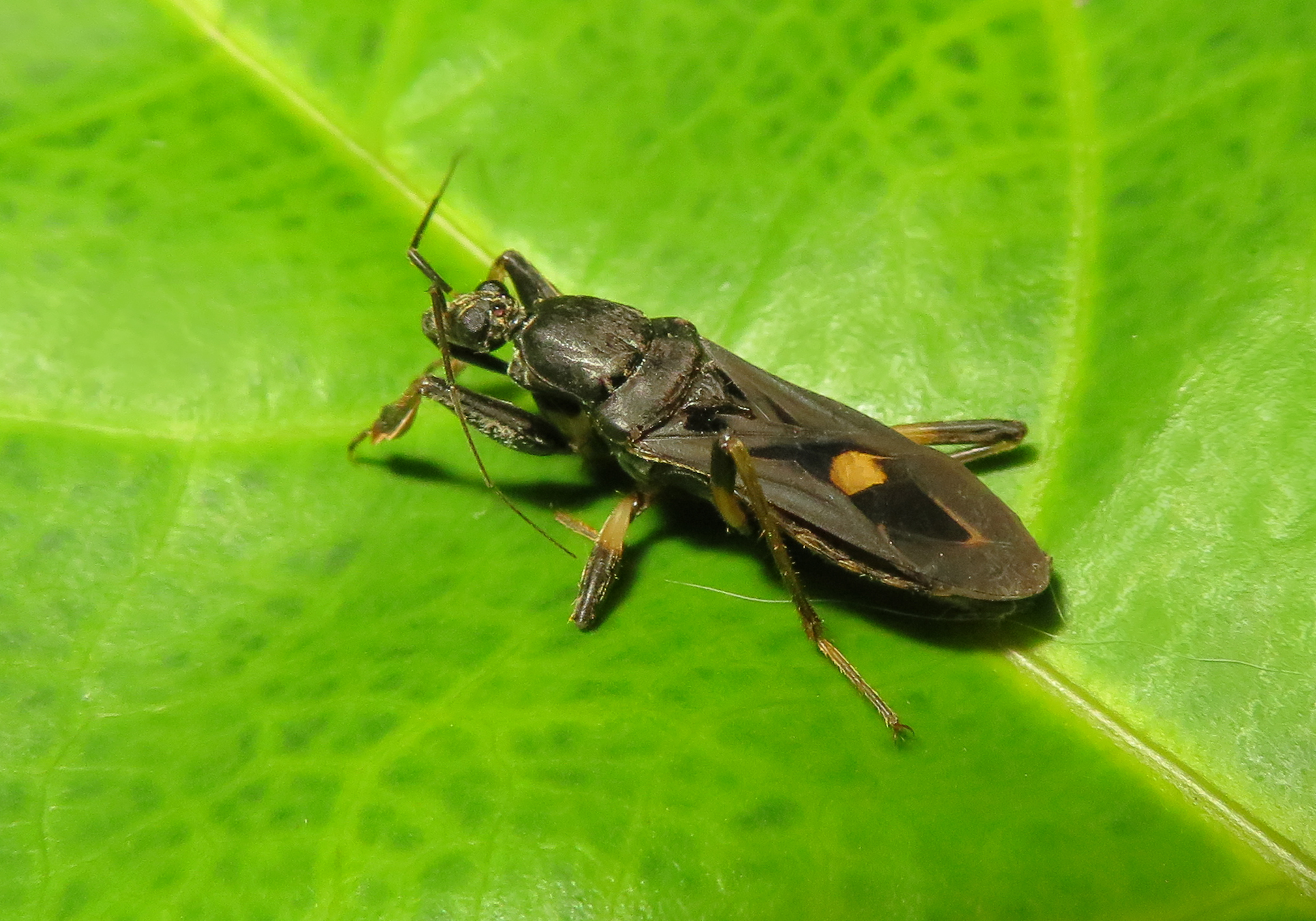
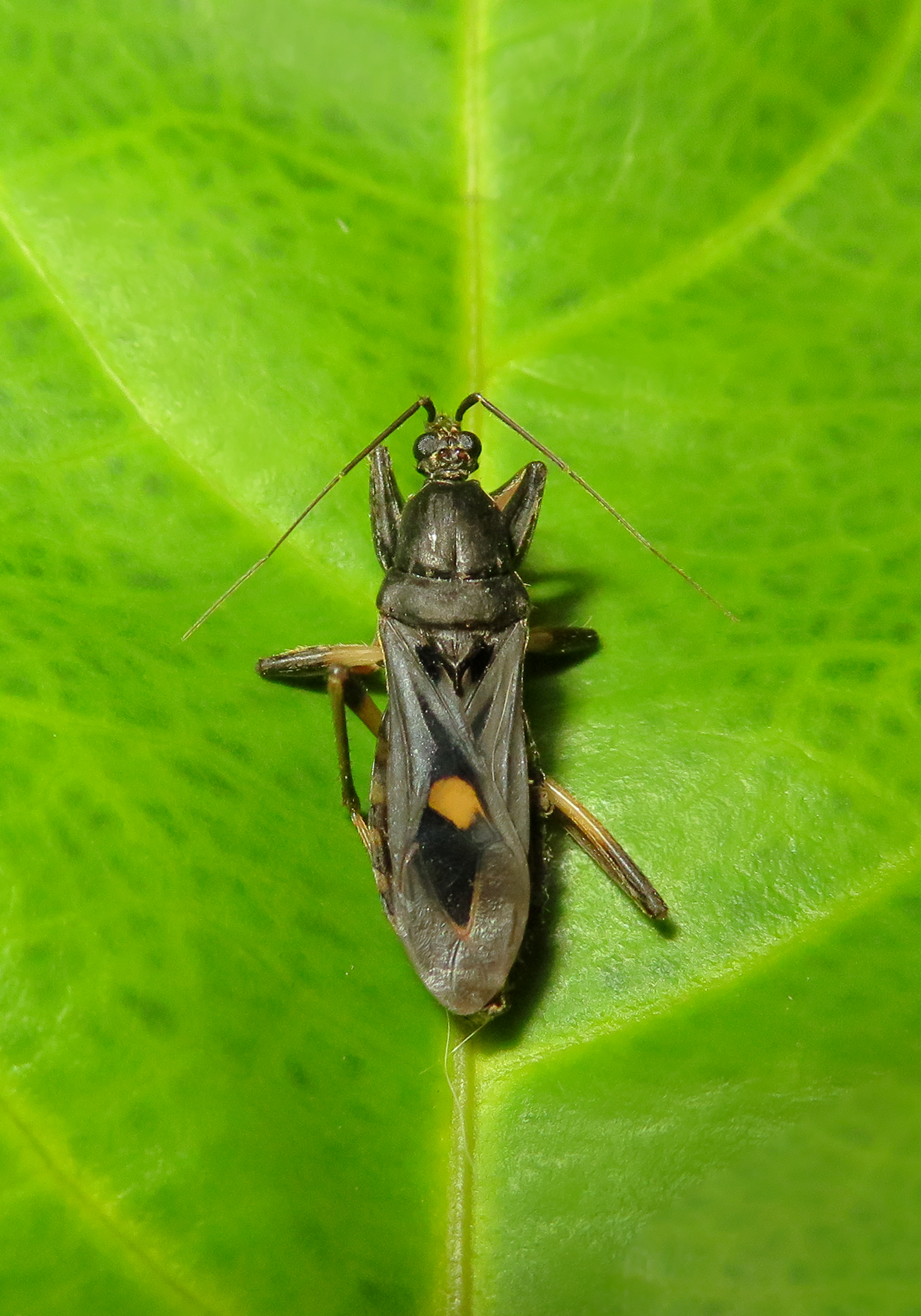
Peiratinae is a subfamily of assassin bugs within the family Reduviidae (Infraorder Cimicomorpha, Order Hemiptera). The subfamily comprises more than 300 described species distributed worldwide, with the greatest diversity occurring in tropical and subtropical regions of Africa, Asia, Australia, and the Americas. Members inhabit tropical rainforests, temperate forests, grasslands, shrublands, wetlands, agricultural fields, plantations, parks, gardens, and urban environments, where they live among leaf litter, beneath bark, under stones, and in low vegetation.
Assassin bugs of the subfamily Peiratinae are generally medium to large-sized, measuring approximately 10–35 mm in body length. They possess an elongated, somewhat flattened body, long slender legs, and a narrow head with prominent compound eyes. The characteristic piercing–sucking rostrum is short, strong, and curved beneath the head, enabling them to inject saliva into prey. Coloration is usually cryptic, consisting of black, brown, reddish-brown, orange, or yellow, often with contrasting bands or spots on the legs, thorax, or abdomen. Many species have a glossy exoskeleton that provides camouflage among bark and leaf litter.
Adults are primarily nocturnal, although some species are active during the day in shaded habitats. They are agile hunters that move rapidly across the ground, tree trunks, or vegetation in search of prey. Rather than constructing webs or traps, they rely on stealth, speed, and powerful grasping legs to capture insects. When threatened, they may raise the body, extend the rostrum, or release defensive secretions with a strong odor to deter predators.
Members of Peiratinae are strictly predatory, feeding on a wide variety of arthropods, including beetles, caterpillars, flies, termites, cockroaches, ants, crickets, and other true bugs. After seizing prey with their forelegs, they pierce it with the rostrum and inject saliva containing digestive enzymes and neurotoxic compounds. The liquefied internal tissues are then sucked out, leaving behind the empty exoskeleton. Although capable of delivering a painful defensive bite, Peiratinae are not considered medically significant to humans.
The life cycle involves incomplete metamorphosis, consisting of egg, nymph, and adult stages. Females deposit eggs in sheltered locations beneath bark, within leaf litter, or on vegetation. Wingless nymphs resemble miniature adults and undergo several molts before reaching maturity. Both nymphs and adults occupy similar habitats and feed on similar prey throughout their development.
The subfamily includes numerous genera, such as Peirates, Ectomocoris, Rasahus, Sirthenea, and Brachysandalus. Many species are important natural predators in forests and agricultural ecosystems, where they help suppress populations of herbivorous insects and other arthropods.
Ecologically, Peiratinae assassin bugs play a significant role as generalist predators, contributing to the natural regulation of insect populations and helping maintain ecological balance. They serve as prey for birds, reptiles, amphibians, spiders, and larger predatory insects. Because many species are sensitive to habitat disturbance and pesticide use, Peiratinae are valuable indicators of ecosystem health, habitat quality, and biodiversity, while also providing beneficial biological control in both natural and cultivated environments.