

Perching Birds (Order Passeriformes)
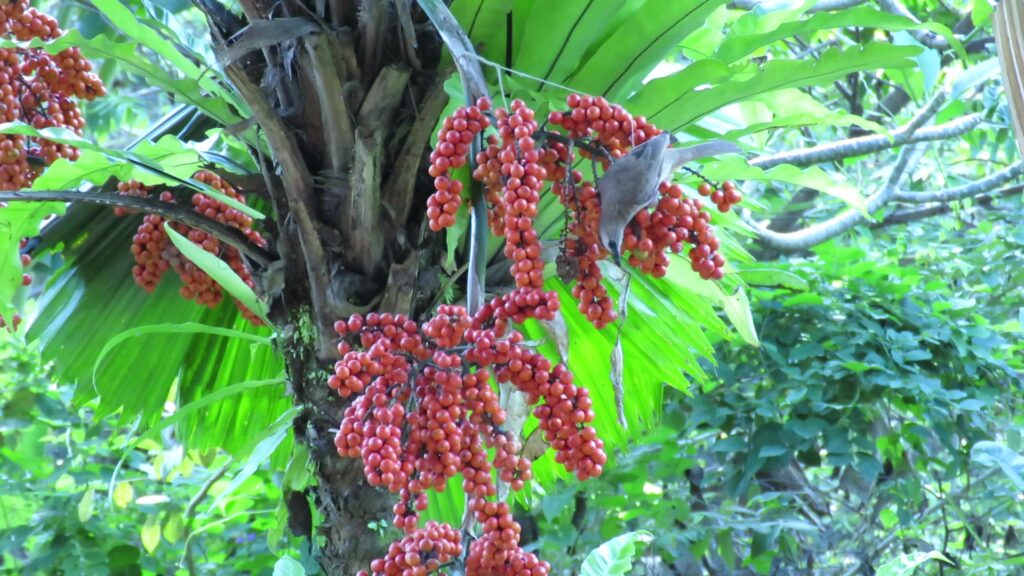
Order Passeriformes is the largest order of birds, comprising more than half of all living bird species. Commonly known as perching birds or passerines, its members belong to the class Aves and occur in nearly every terrestrial habitat worldwide, including tropical rainforests, grasslands, wetlands, deserts, mountains, and urban environments. The order includes a remarkable diversity of birds, such as sparrows, finches, crows, ravens, swallows, thrushes, warblers, flycatchers, and birds-of-paradise. Most passerines possess feet adapted for grasping branches, typically with three toes directed forward and one backward, allowing them to perch securely on twigs and other narrow surfaces. Their bodies vary considerably in size, coloration, beak shape, and behavior, reflecting adaptations to diverse ecological niches. Many species are known for their complex vocalizations, including songs and calls used for communication, territorial defense, mate attraction, and warning signals. Feeding habits are equally diverse, with species consuming insects, seeds, fruits, nectar, small vertebrates, or a combination of food sources. Passerines generally reproduce by laying eggs in nests constructed from materials such as grass, twigs, leaves, feathers, and mud, although nesting strategies vary widely among families. Many species exhibit parental care, with one or both adults incubating eggs and feeding the young until they become independent. Migration is common in numerous passerine groups, allowing them to exploit seasonal changes in food availability and breeding conditions. Ecologically, these birds play important roles in insect population regulation, seed dispersal, pollination, and the maintenance of terrestrial food webs. Their diversity and abundance also make them valuable indicators of environmental change. Despite their adaptability, many passerine species face threats from habitat destruction, agricultural intensification, pesticide exposure, invasive predators, climate change, and collisions with buildings and other structures. Through their extraordinary diversity, specialized behaviors, and ecological contributions, Passeriformes represents one of the most evolutionarily successful and ecologically significant orders of modern birds.