Bali Wildlife
Every Spices Matter


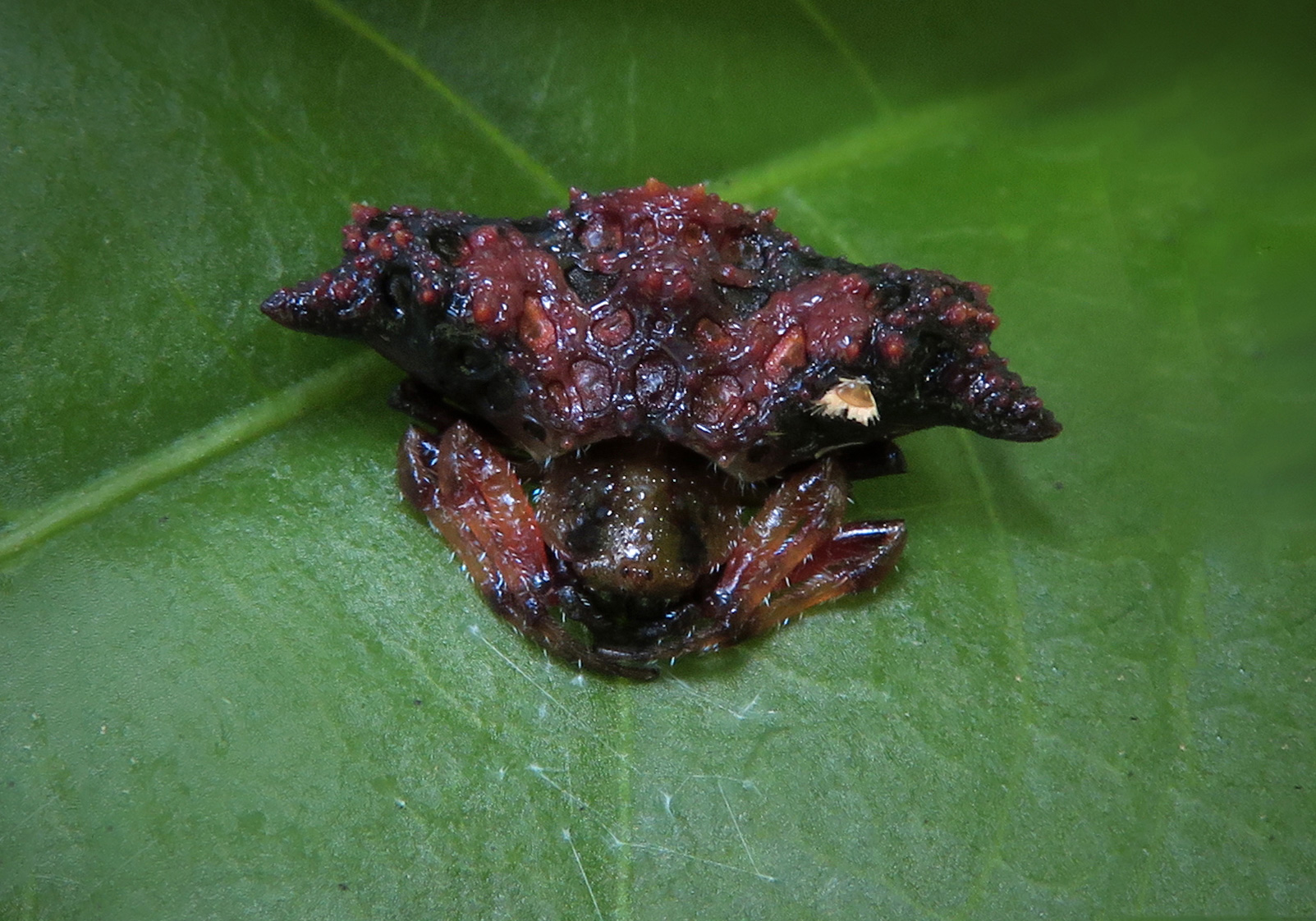
Pasilobus is a genus of orb-weaving spiders belonging to the family Araneidae and subfamily Cyrtarachninae. The genus is distributed mainly in tropical and subtropical regions of Africa, South and Southeast Asia, and parts of Australasia. Species of Pasilobus are typically found in forests, forest edges, shrublands, and gardens, where they inhabit vegetation and open spaces suitable for their specialized hunting strategies.
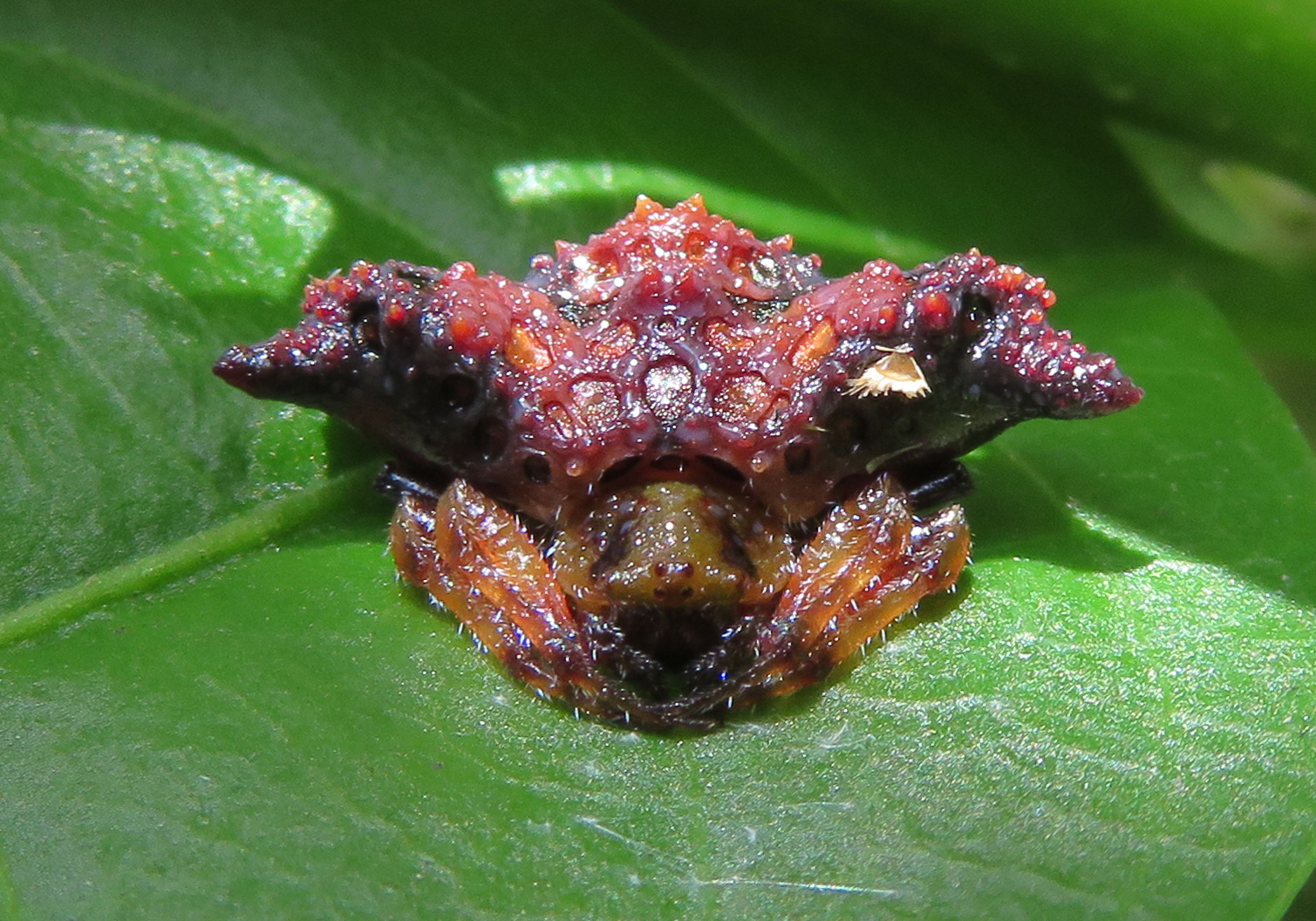
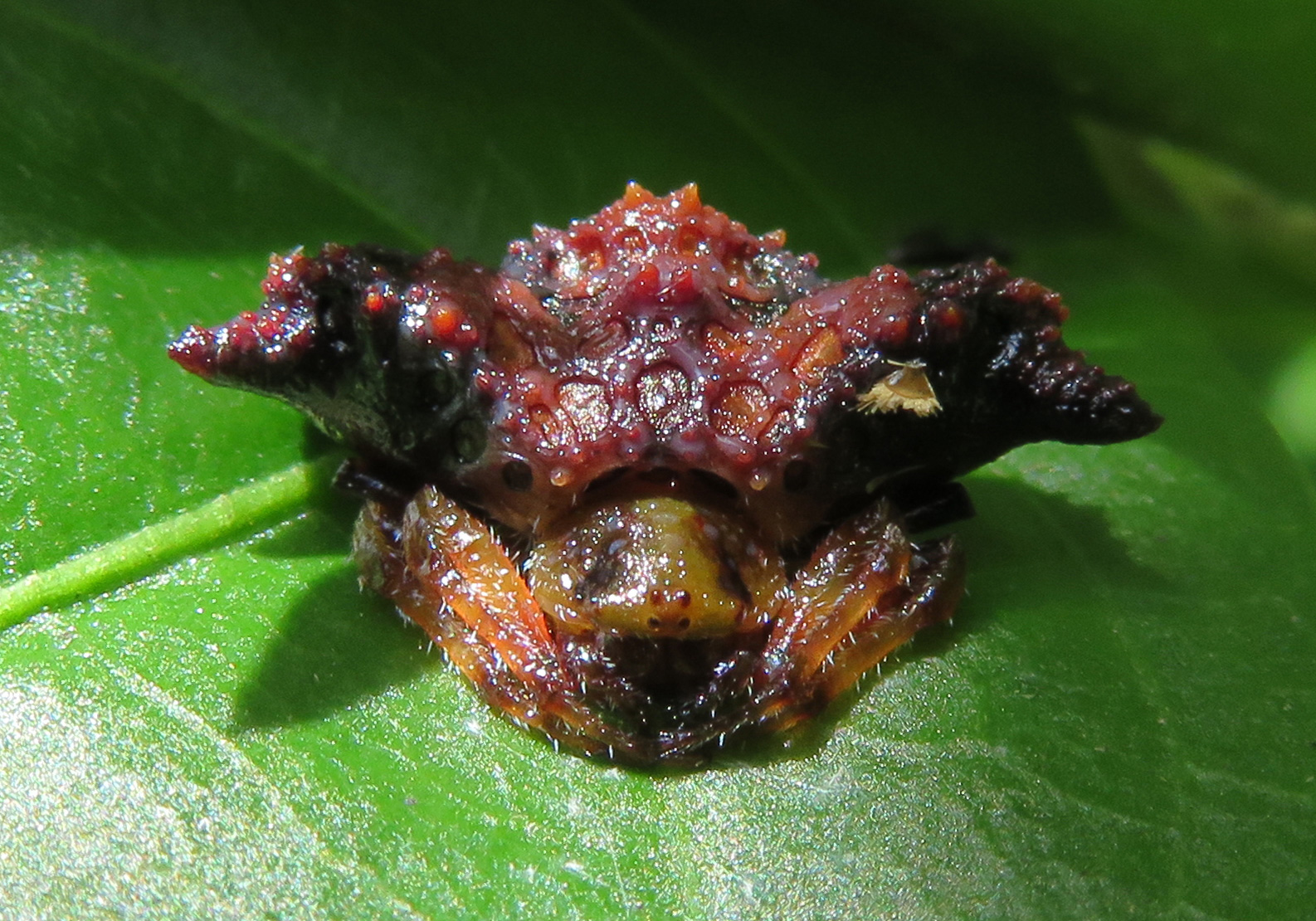
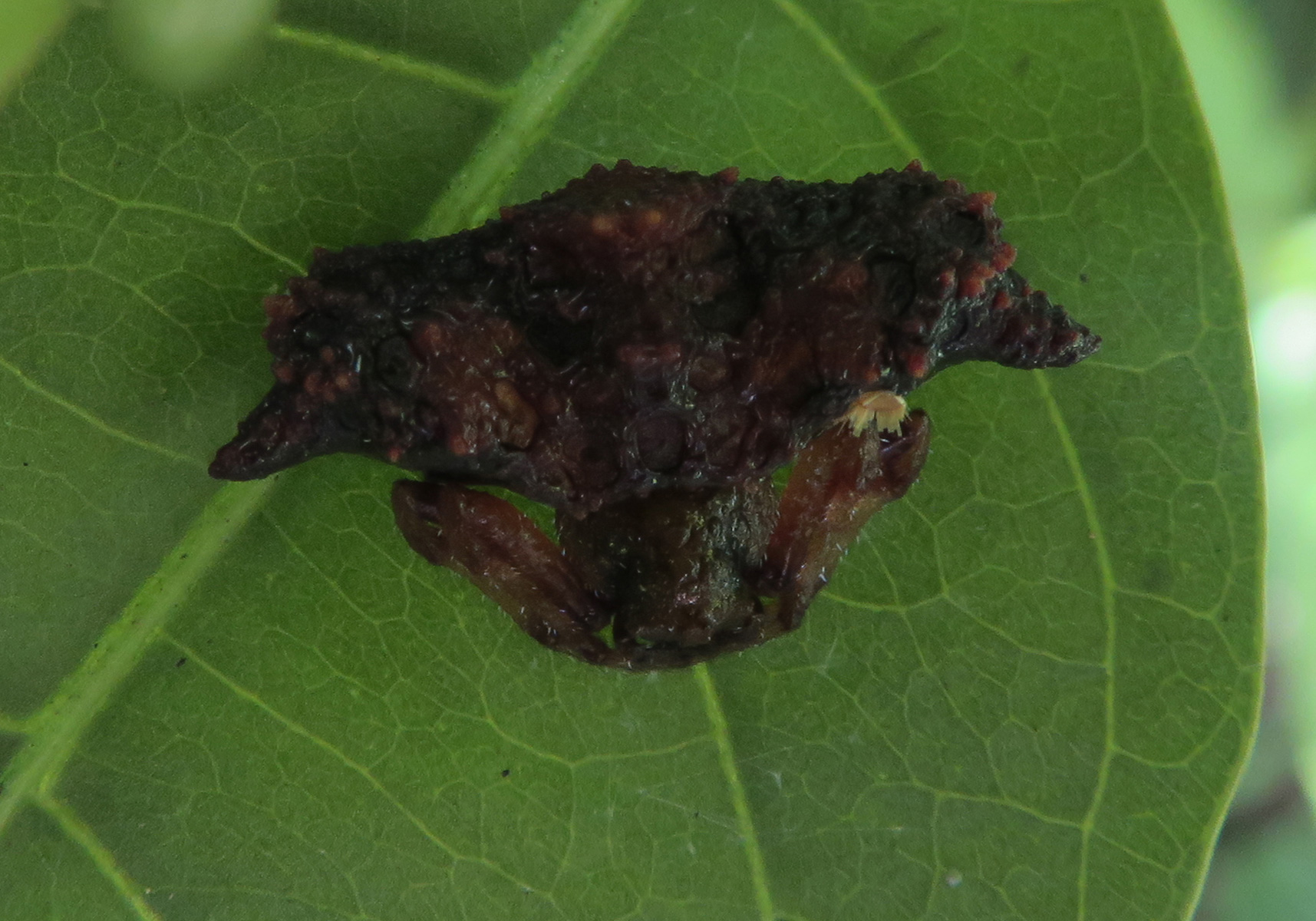
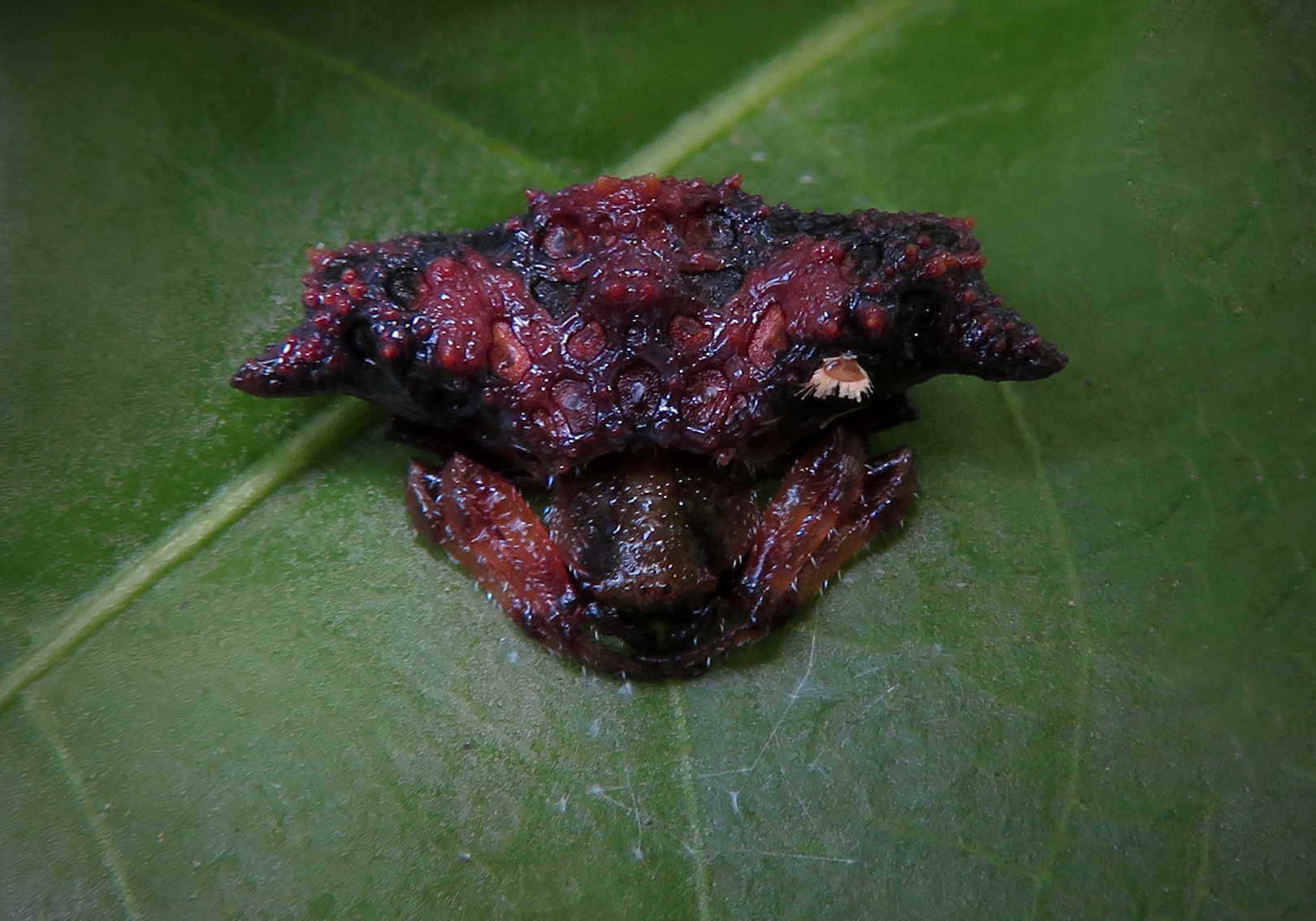
Members of the genus Pasilobus are medium to relatively large-sized spiders characterized by a robust body and a distinctly broad, often flattened abdomen. The abdomen frequently bears prominent lobes or projections, giving individuals an unusual and often leaf-like or shield-shaped appearance that provides effective camouflage among foliage. Coloration is usually cryptic, consisting of browns, yellows, and muted greens, often with mottled or patterned surfaces.
Morphologically, Pasilobus species differ from typical orb-weavers in their web construction and body proportions. The legs are relatively long and may be held extended or tucked close to the body when at rest. Diagnostic characters for species identification are found in the structure of the male palpal organs and the female epigyne, as in other araneids, but the overall body shape is often sufficient to recognize the genus in the field.
Behaviorally, Pasilobus spiders are primarily nocturnal. Instead of building complete orb webs, they construct highly modified or reduced webs, often using a small number of sticky silk threads to capture prey. Some species employ a bolas-like hunting method, swinging or holding a sticky silk droplet to ensnare flying insects, particularly moths. During the day, individuals remain motionless on vegetation, relying on camouflage to avoid detection.
Ecologically, species of Pasilobus are specialized predators of flying insects and play a role in controlling nocturnal insect populations. Their distinctive morphology and unique hunting behavior make Pasilobus one of the most recognizable and biologically intriguing genera within the subfamily Cyrtarachninae.