Bali Wildlife
Every Spices Matter


Papilionoidea is the superfamily that comprises the true butterflies, one of the most recognizable and widely studied groups within the order Lepidoptera. Members of this superfamily are distributed worldwide and occur in nearly all terrestrial habitats, including forests, grasslands, wetlands, mountains, deserts, agricultural landscapes, and urban gardens.
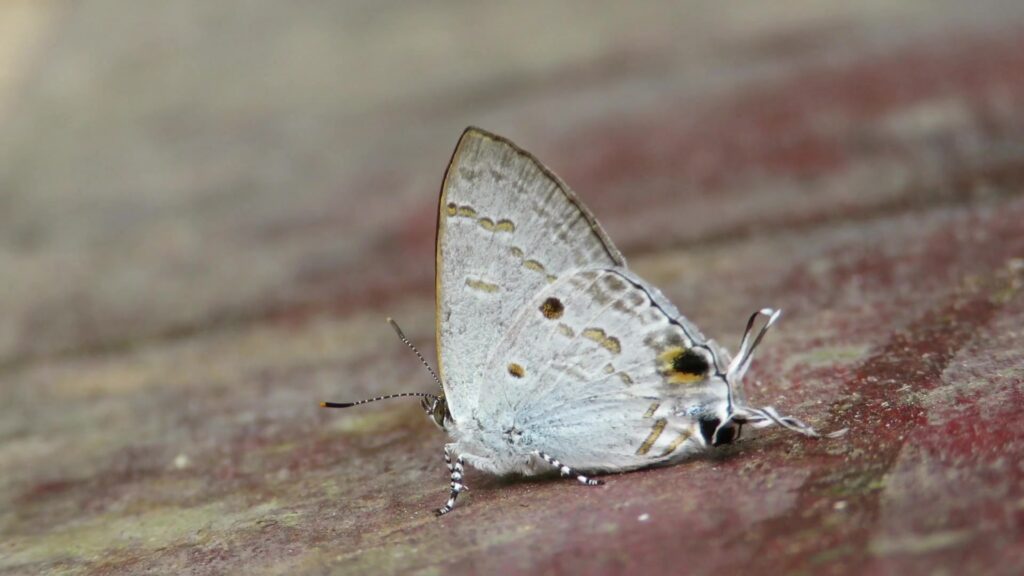
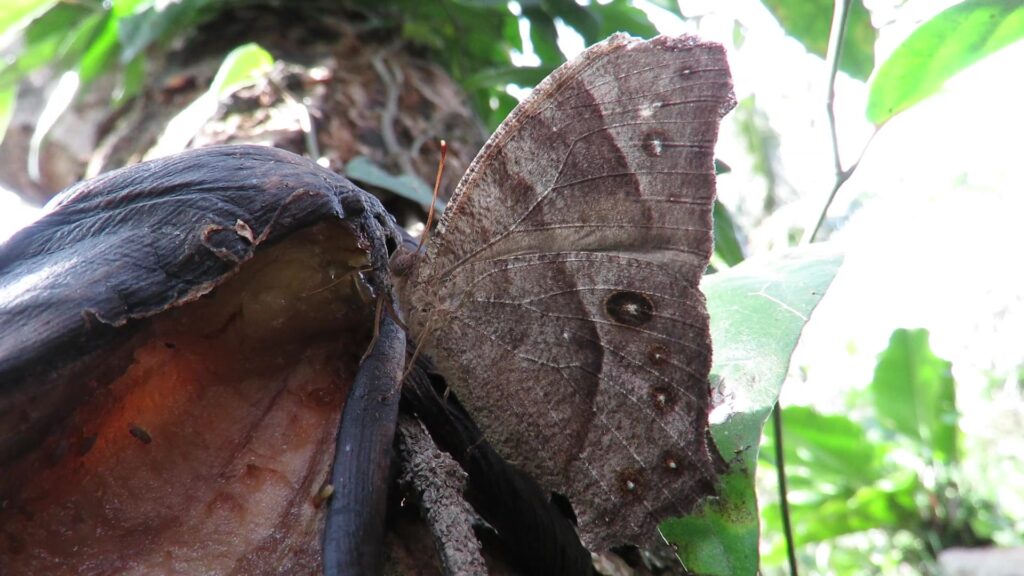
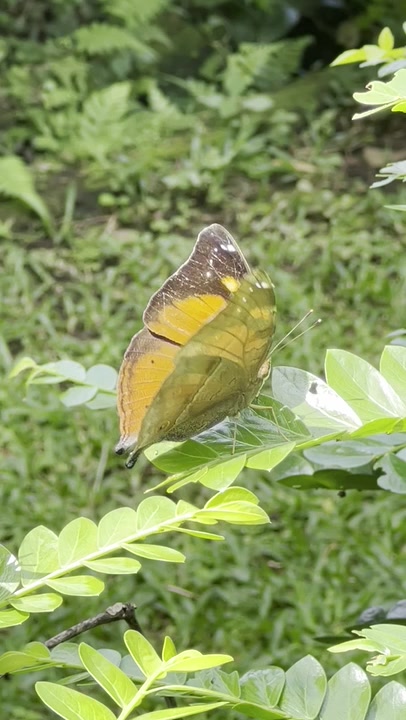
Butterflies of the superfamily Papilionoidea are generally characterized by their slender body, clubbed antennae, and brightly colored wings covered with microscopic scales. Unlike most moths, butterflies are primarily diurnal and are often seen flying during sunny conditions. When at rest, many species hold their wings upright over the body, a behavior typical of true butterflies.
The head bears large compound eyes and a long coiled proboscis used for feeding on nectar and other liquid food sources. Coloration and wing patterns vary enormously, ranging from cryptic browns and greens to vivid combinations of blue, yellow, orange, red, and black. These patterns may function in camouflage, warning coloration, mimicry, or mate recognition.
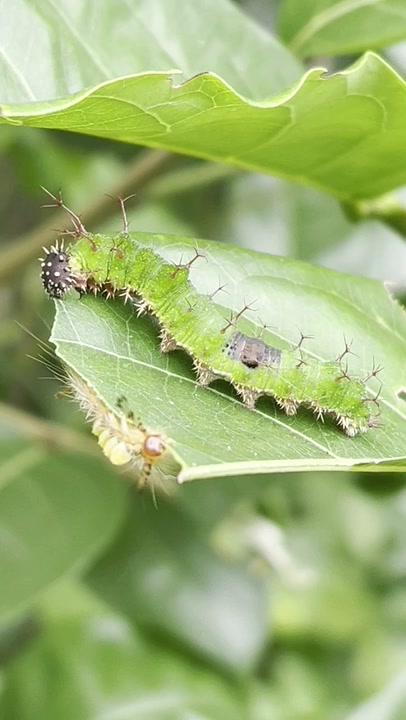
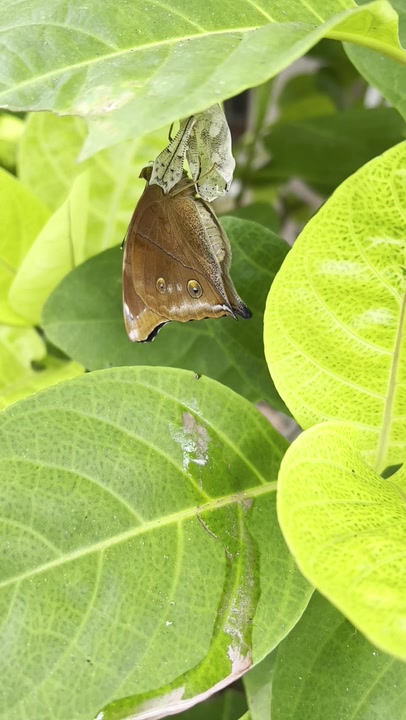
The life cycle involves complete metamorphosis with four stages: egg, larva (caterpillar), pupa (chrysalis), and adult. Caterpillars are primarily herbivorous and feed on specific host plants. After a period of growth, they pupate in a chrysalis before emerging as winged adults.
Papilionoidea includes several major families, such as Papilionidae (swallowtails), Pieridae (whites and yellows), Nymphalidae (brush-footed butterflies), Lycaenidae (blues and hairstreaks), and Riodinidae (metalmarks). Together, these families represent the vast majority of butterfly diversity worldwide.
Ecologically, butterflies are important pollinators and contribute to the reproduction of many flowering plants. Caterpillars serve as a major food source for birds, reptiles, spiders, and other animals, while adults participate in complex ecological interactions involving pollination, mimicry, and predator-prey relationships. Because many species are sensitive to environmental changes, butterflies are also widely used as indicators of ecosystem health and biodiversity.