Bali Wildlife
Every Spices Matter


Papilionidae is a family of butterflies within the superfamily Papilionoidea (Order Lepidoptera), commonly known as the swallowtails and birdwings. The family comprises approximately 600 described species distributed worldwide, with the greatest diversity occurring in tropical and subtropical regions of Asia, Africa, and the Americas. Members inhabit a wide range of environments, including tropical rainforests, temperate woodlands, montane forests, grasslands, wetlands, riverbanks, gardens, and agricultural landscapes.
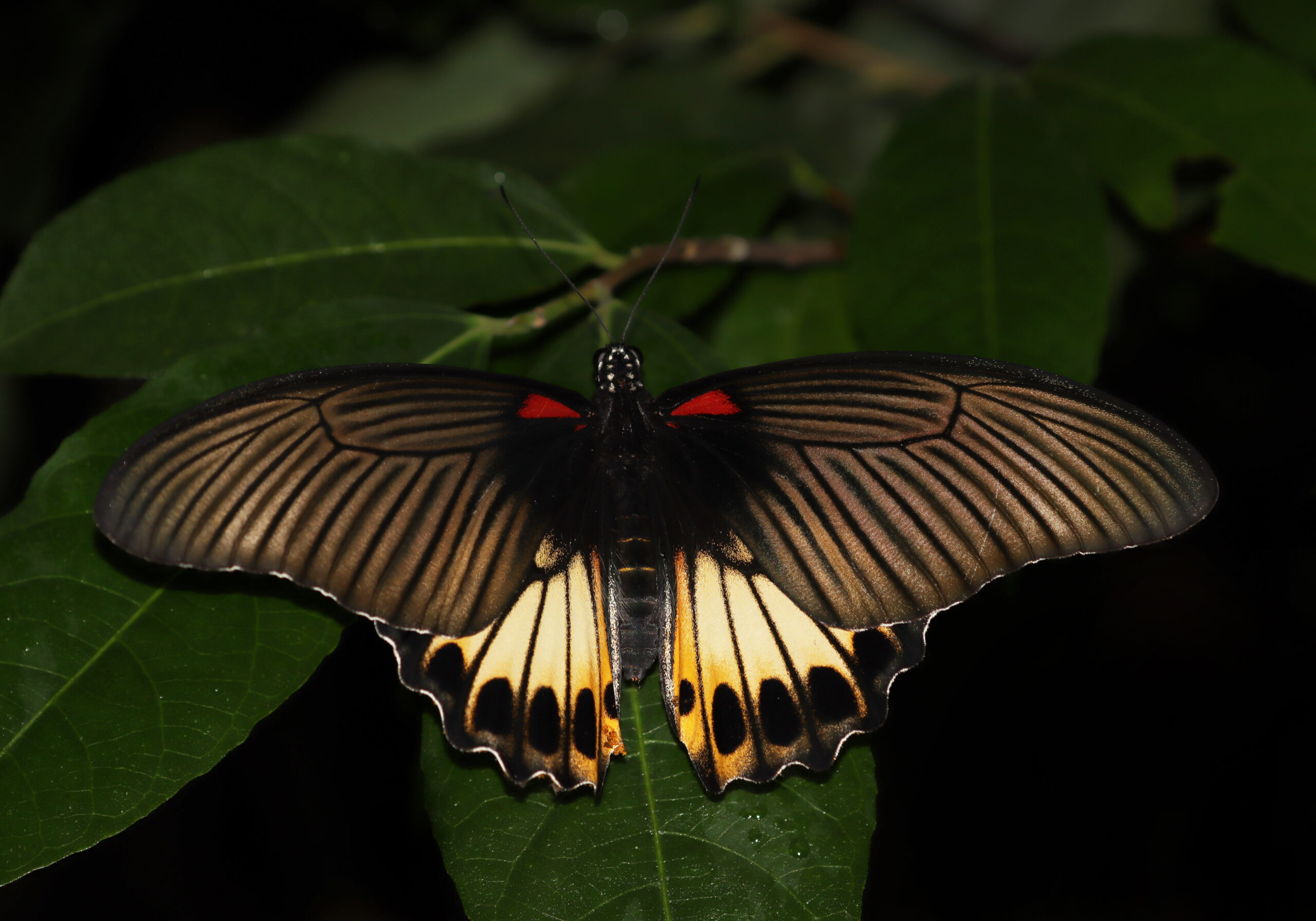
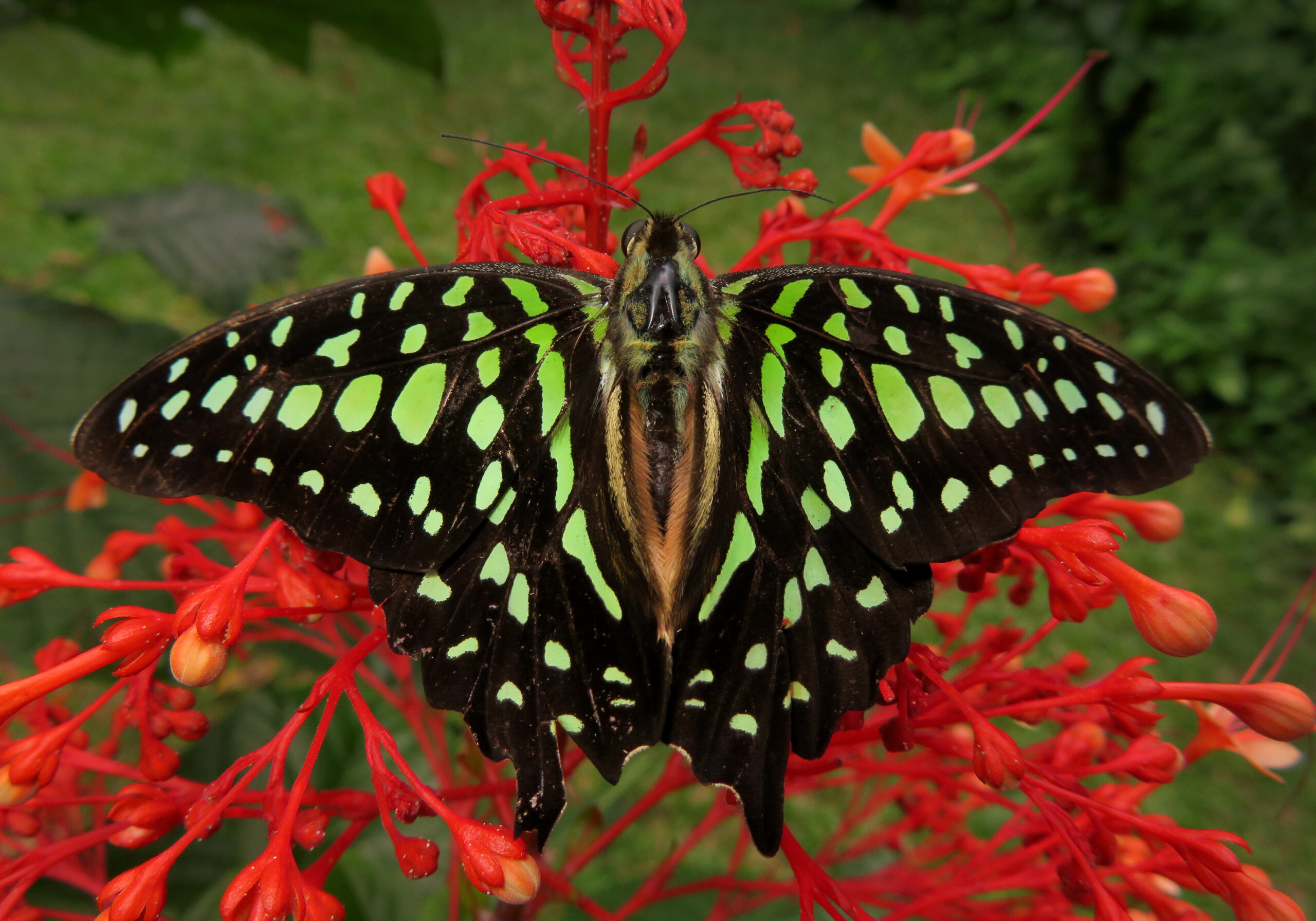
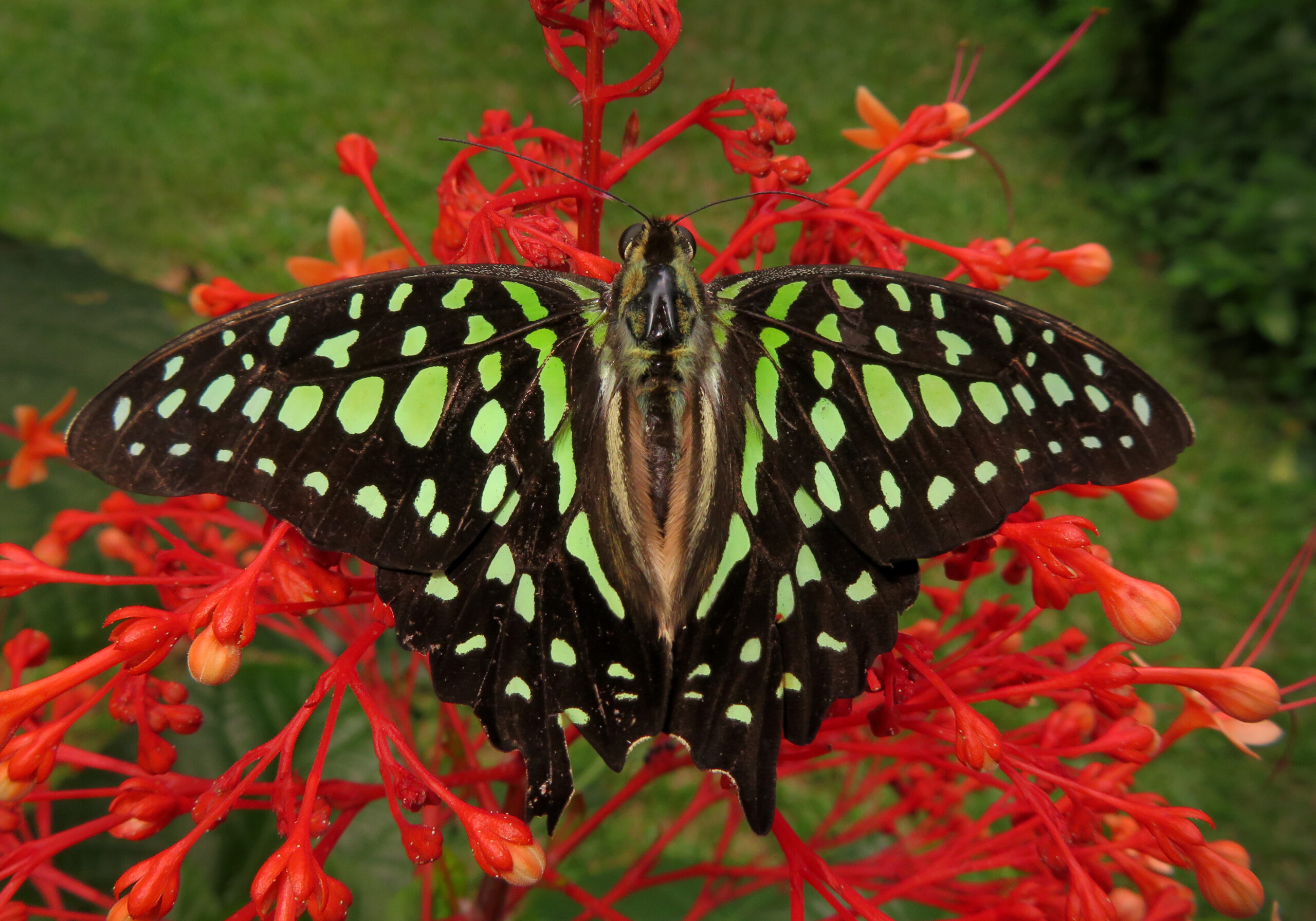
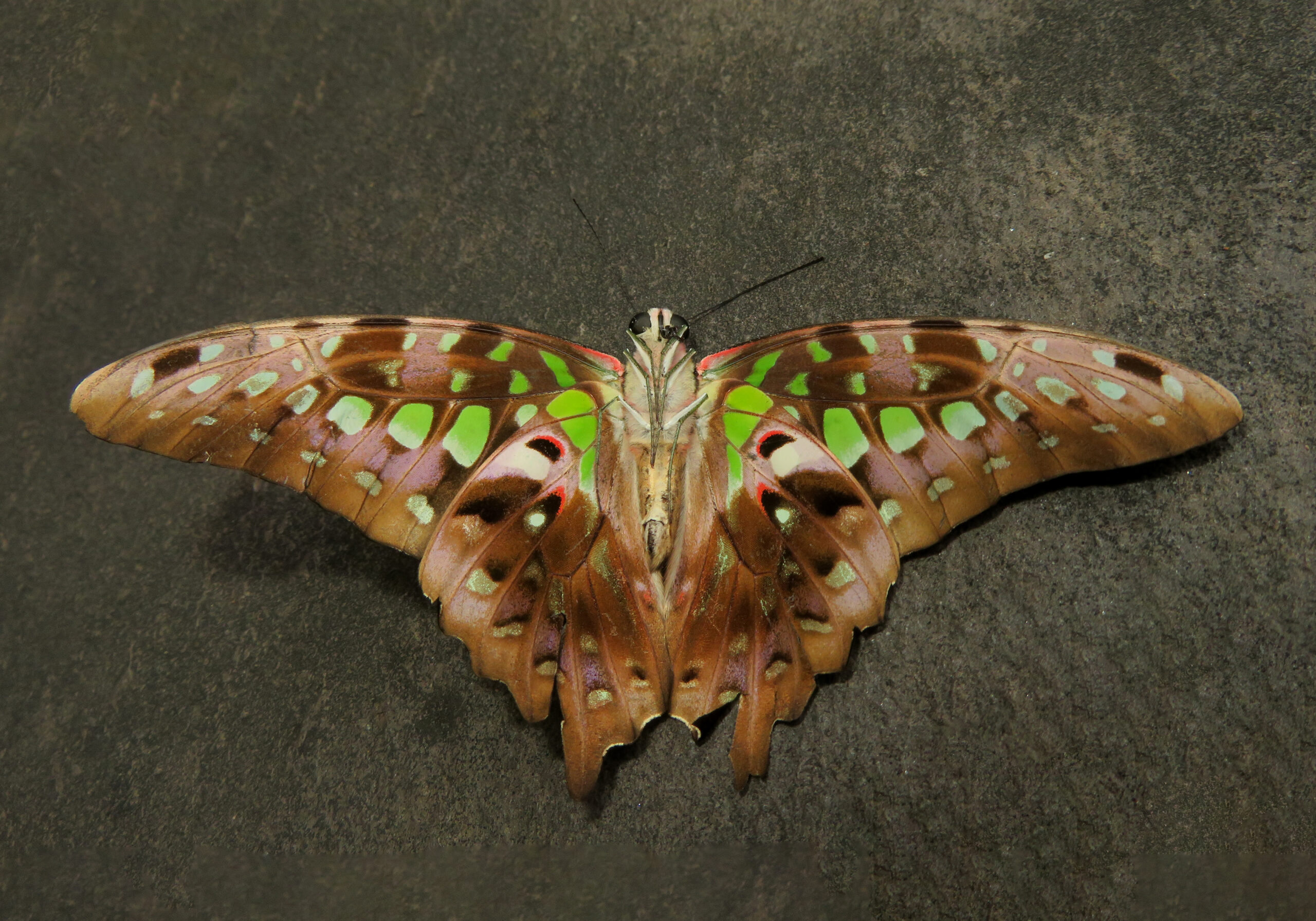
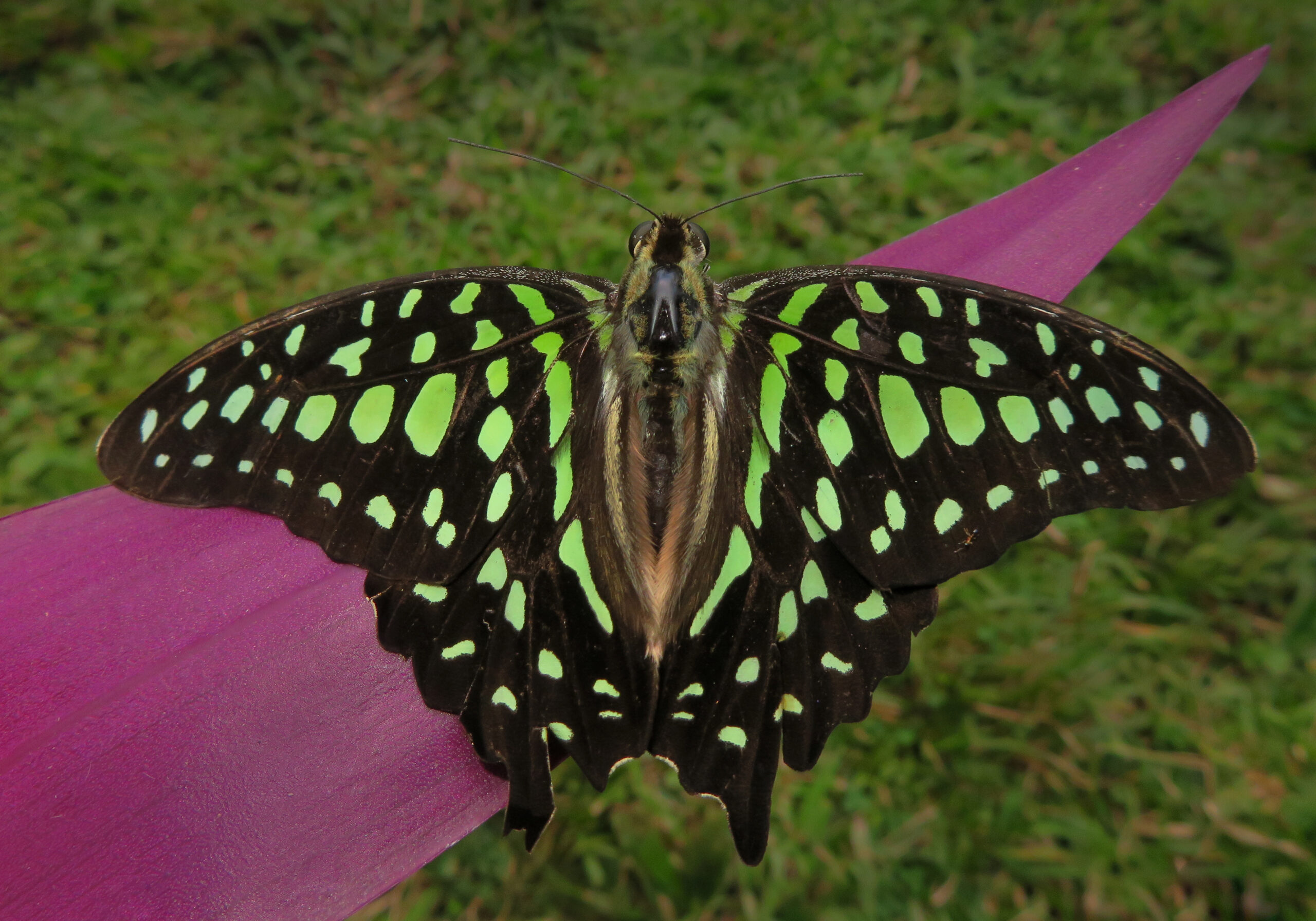
Butterflies of the family Papilionidae are generally medium to very large in size and are among the most spectacular butterflies in the world. Many species possess the characteristic tail-like extensions on the hindwings that give swallowtails their common name, although these tails are absent in some genera. Wing coloration is highly variable and includes striking combinations of black, yellow, green, blue, white, orange, and red, often with iridescent scales and intricate patterns.
Adults have robust bodies, broad wings, and a long, coiled proboscis adapted for feeding on nectar from a wide variety of flowering plants. They are strong, agile fliers and are mostly active during the day. Many species exhibit territorial behavior, while others undertake seasonal migrations or regularly visit moist ground to obtain minerals in a behavior known as mud-puddling, especially males.
The life cycle involves complete metamorphosis, consisting of egg, larva (caterpillar), pupa (chrysalis), and adult stages. Caterpillars are usually solitary and feed on leaves of specific host plants, commonly belonging to the families Rutaceae, Aristolochiaceae, Lauraceae, Annonaceae, and Apiaceae, depending on the species. A distinctive feature of papilionid caterpillars is the presence of an eversible, forked gland called the osmeterium, located behind the head. When threatened, the osmeterium is extended and releases pungent defensive chemicals that deter predators.
The family includes numerous well-known genera, such as Papilio, Graphium, Troides, Atrophaneura, Pachliopta, Parnassius, and Battus. Several species are internationally protected because of their rarity, restricted distributions, or pressure from habitat loss and illegal collection.
Ecologically, Papilionidae butterflies are important pollinators of many flowering plants and contribute significantly to plant reproduction. Their caterpillars play key roles in plant–herbivore interactions, while both larvae and adults serve as prey for birds, reptiles, spiders, predatory insects, and parasitoids. Their sensitivity to habitat quality and climate change makes swallowtails valuable indicators of ecosystem health and biodiversity, and their striking beauty has made them among the most celebrated butterflies in the world.