Bali Wildlife
Every Spices Matter


Panorpidae, commonly known as common scorpionflies, is the largest family within the order Mecoptera. Members of this family are widely distributed across the Northern Hemisphere and parts of Asia, and are especially common in temperate regions. They are typically found in moist, shaded habitats such as forests, woodland edges, and areas near streams or dense vegetation.
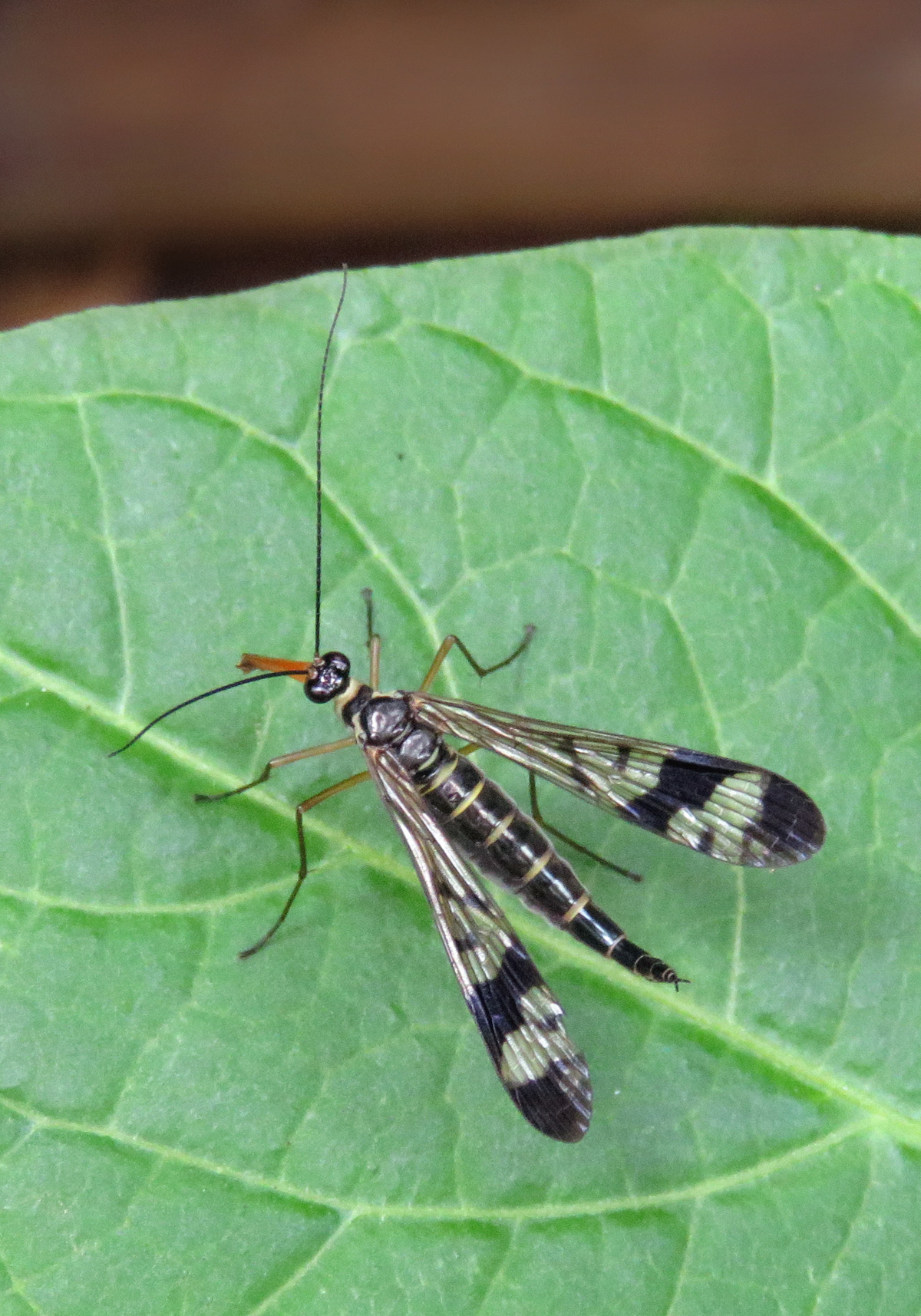
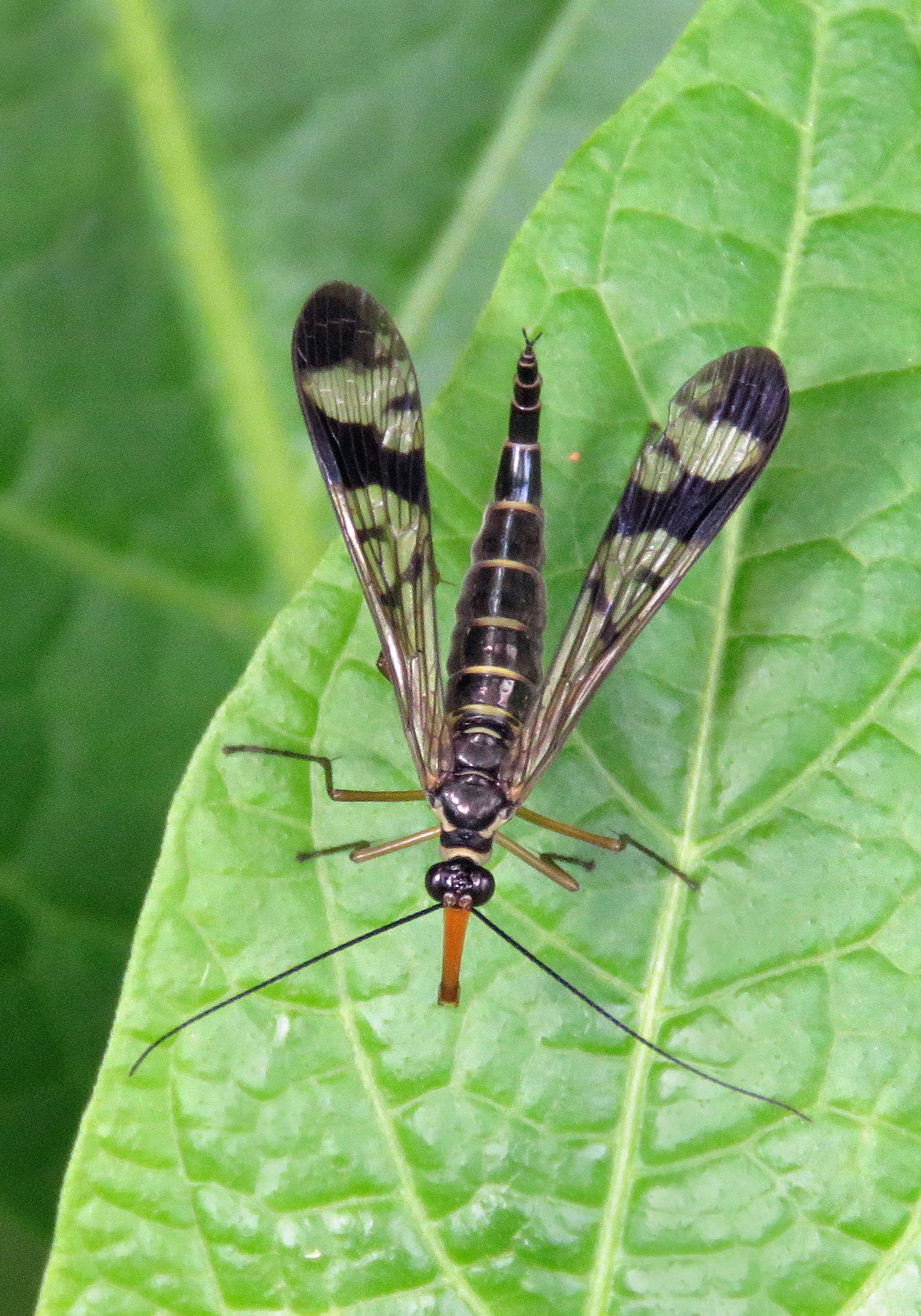
Panorpidae are small to medium-sized insects characterized by an elongated head forming a beak-like rostrum, which bears the chewing mouthparts. The head has large compound eyes and long, filiform antennae. They possess two pairs of membranous wings with a dense network of veins, often marked with dark spots or bands, and typically held roof-like over the body at rest.
A distinctive feature of many species is the male abdomen, which curves upward and ends in enlarged genital structures resembling a scorpion’s stinger. Despite this appearance, scorpionflies are harmless and do not sting.
The life cycle involves complete metamorphosis. Larvae are caterpillar-like, with a well-developed head and thoracic legs, and are usually found in soil or leaf litter. They are typically scavengers or herbivores, feeding on decaying plant material and organic matter.
Adult Panorpidae are primarily scavengers, feeding on dead insects, carrion, and decaying organic material. Some species may also consume nectar, pollen, or plant juices. Their feeding behavior contributes to nutrient recycling in their habitats.
The family includes the genus Panorpa, which contains many well-known species. Members of this genus are often studied for their unique mating behaviors, including the use of nuptial gifts such as prey items or salivary secretions.
Ecologically, Panorpidae play an important role in decomposition and nutrient cycling, particularly through scavenging. They also contribute to food webs as prey for other animals. Although not of major economic importance, they are notable for their distinctive morphology and behavior, making them an interesting component of insect biodiversity.