Bali Wildlife
Every Spices Matter


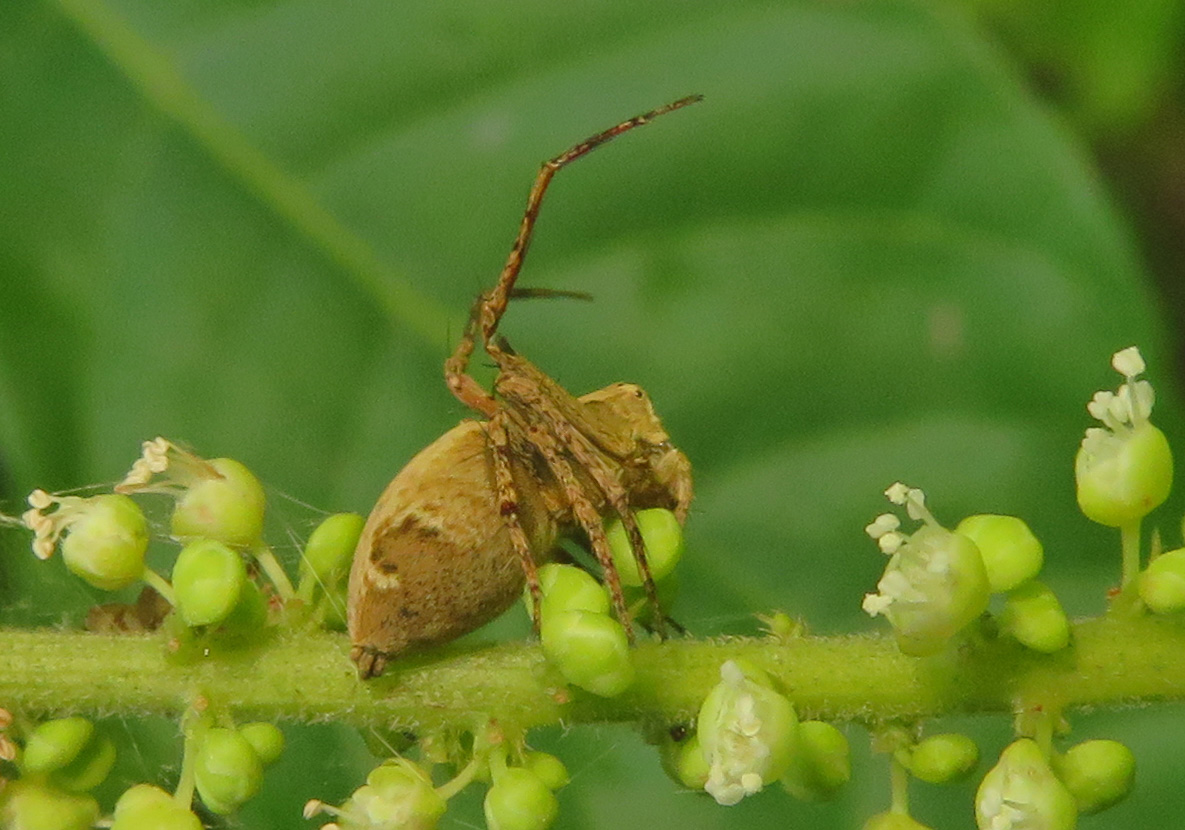
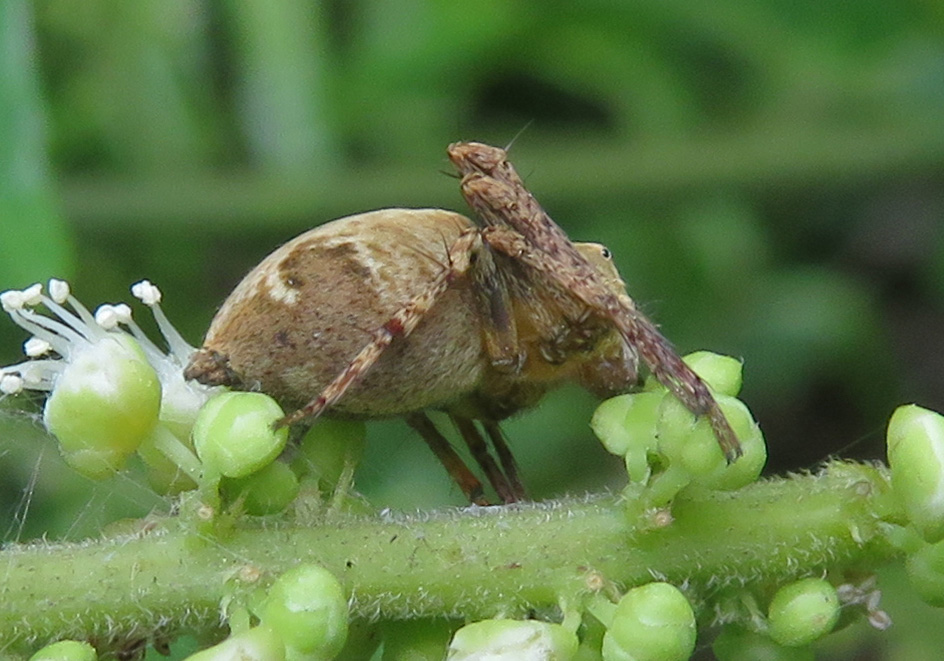
Oxyopidae, commonly known as lynx spiders, is a family within the superfamily Lycosoidea (Order Araneae, Infraorder Entelegynae) and part of the RTA clade of spiders. The family has a worldwide distribution, with greatest diversity in tropical and subtropical regions. Oxyopid spiders are typically found on grasses, shrubs, crops, and low vegetation in open habitats such as fields, forest edges, and gardens.
Members of Oxyopidae are medium-sized, slender spiders characterized by their long, spiny legs and agile, active behavior. A distinctive feature of the family is the hexagonal eye arrangement, with six eyes forming a hexagon on the top of the prosoma and two smaller eyes below. This eye pattern provides good all-around vision, aiding their predatory lifestyle. As RTA clade spiders, males possess a retrolateral tibial apophysis on the pedipalp, and females have a well-developed entelegyne epigyne.
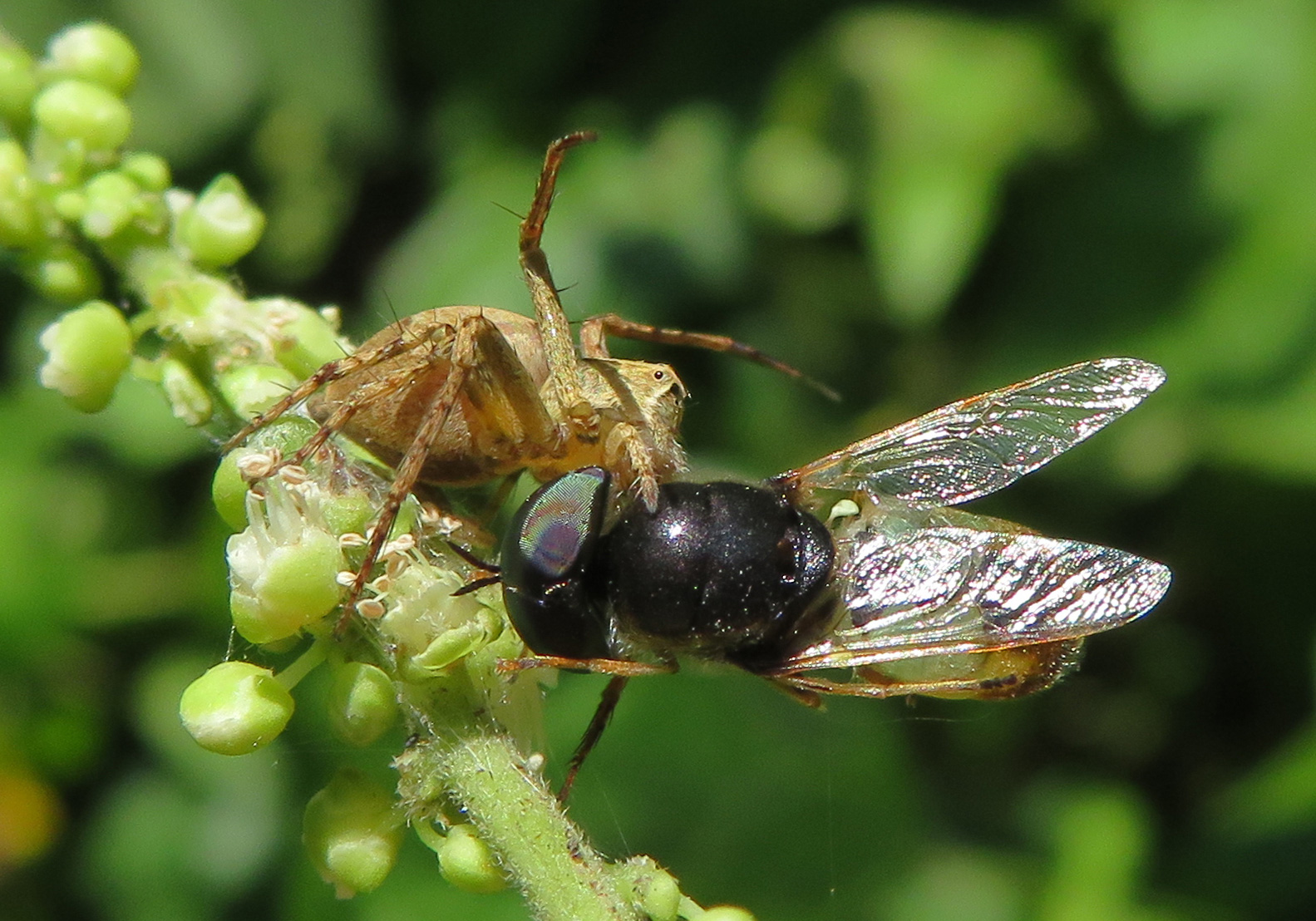
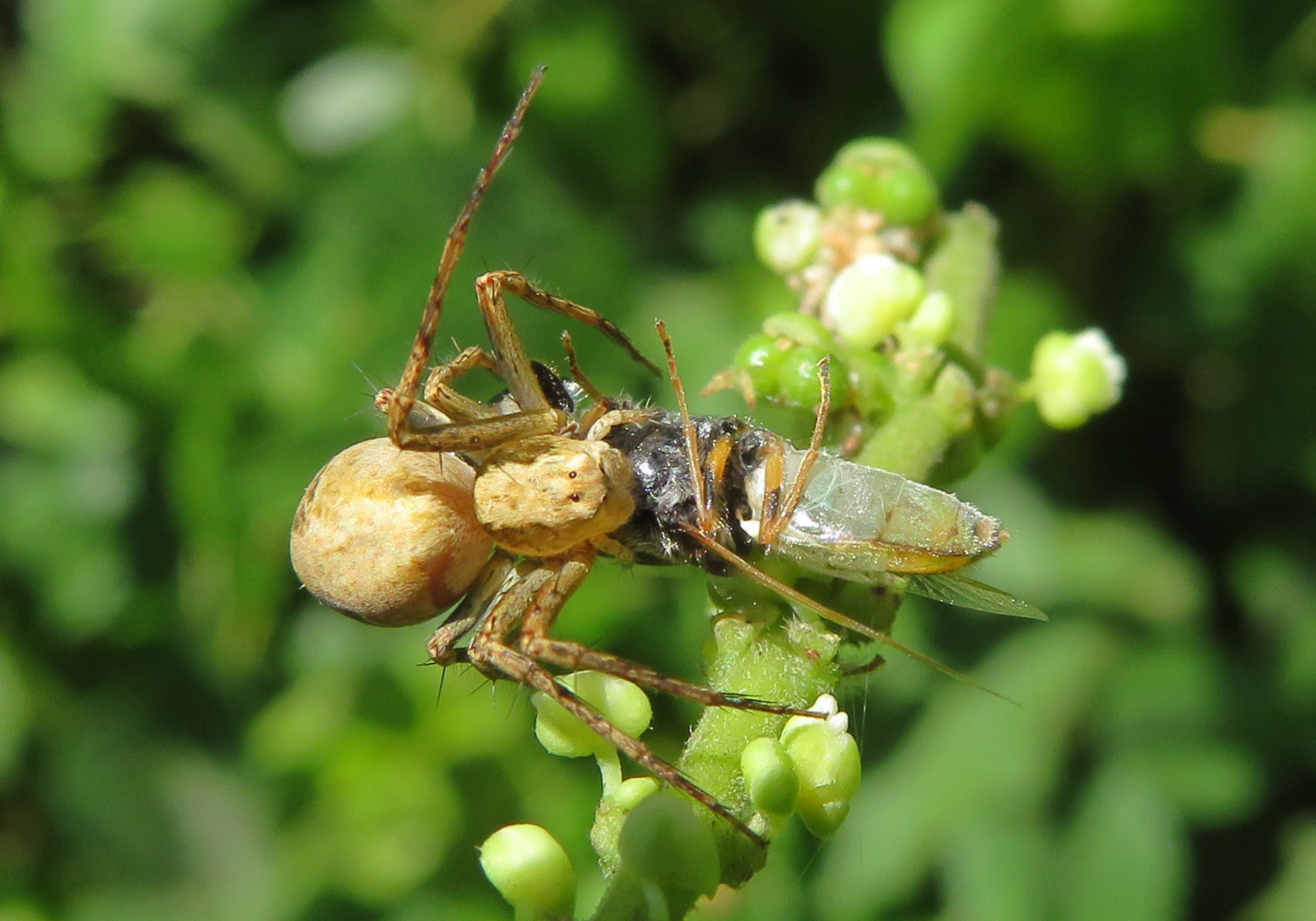
Oxyopidae are cursorial hunters and do not build capture webs. Instead, they rely on speed, agility, and sharp vision to stalk and ambush prey, often leaping onto insects from vegetation. Silk is mainly used for safety draglines, molting shelters, retreats, and egg sacs rather than for prey capture.
Coloration in lynx spiders is often green, brown, or yellowish, sometimes with longitudinal stripes or patterns that provide camouflage among foliage. The body is typically elongated, and the legs are armed with conspicuous spines that assist in prey capture and defense.
Reproduction in Oxyopidae includes the construction of egg sacs that are often attached to leaves or stems. Females commonly guard the egg sac and may remain nearby to protect newly emerged spiderlings. Courtship behavior involves visual and vibrational cues.
Ecologically, Oxyopidae are important predators of insects, including many agricultural pests, and are considered beneficial in natural and managed ecosystems. The family includes genera such as Oxyopes and Peucetia and represents a highly specialized lineage of fast-moving, visually oriented spiders adapted to life on vegetation.