

Grass Lynx Spiders (Genus Oxyopes)
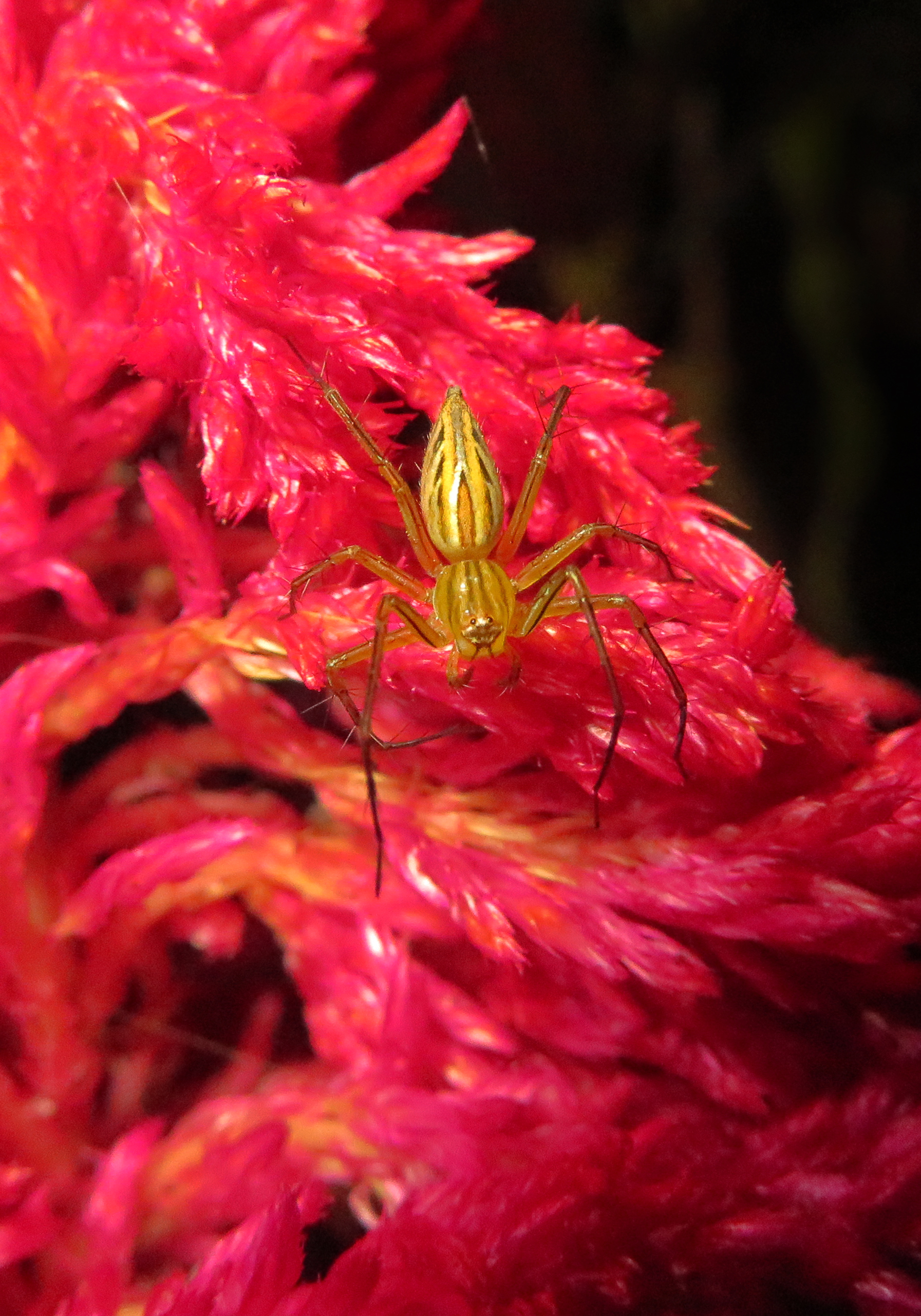
Oxyopes is a genus of lynx spiders within the family Oxyopidae (Order Araneae, Class Arachnida). The genus comprises more than 300 described species distributed throughout tropical, subtropical, and temperate regions worldwide. Members are especially diverse in Asia, Africa, and the Americas, where they inhabit grasslands, forests, shrublands, agricultural fields, orchards, gardens, wetlands, and other vegetation-rich environments.
Spiders of the genus Oxyopes are generally small to medium-sized and are distinguished by their slender body, long legs, and numerous prominent spines covering the legs. These spines assist in capturing prey and are a characteristic feature of lynx spiders. The cephalothorax is relatively high, and the abdomen is elongated or oval. Body coloration varies among species and may include shades of green, brown, gray, yellow, cream, or reddish-brown, often with longitudinal stripes, spots, or mottled patterns that provide excellent camouflage among grasses and foliage.
Unlike orb-weaving spiders, Oxyopes species do not construct prey-catching webs. Instead, they are active diurnal hunters that rely on exceptional eyesight, speed, and agility to stalk or ambush prey. They move rapidly through vegetation and capture insects with swift leaps, using their spiny legs to secure struggling prey before delivering a venomous bite. Their diet includes flies, mosquitoes, leafhoppers, moths, butterflies, grasshoppers, aphids, and many other small arthropods.
The life cycle involves simple metamorphosis, consisting of egg, spiderling, juvenile, and adult stages. Females produce silken egg sacs that are attached to leaves, stems, or other vegetation. In many species, the female remains nearby to guard the egg sac until the spiderlings emerge. Juveniles resemble miniature adults and grow through a series of molts before reaching maturity.
The genus includes numerous widespread species, such as Oxyopes javanus, Oxyopes lineatipes, Oxyopes sertatus, and Oxyopes salticus. Many species are abundant in agricultural ecosystems, where they are recognized as important natural predators of crop pests.
Ecologically, Oxyopes spiders play a significant role in regulating insect populations in both natural and cultivated habitats. They are valuable biological control agents, helping to suppress agricultural pests without the use of chemical pesticides. In turn, they serve as prey for birds, reptiles, amphibians, larger spiders, and predatory insects. Their abundance, sensitivity to pesticide use, and close association with vegetation make Oxyopes species useful indicators of habitat quality, ecological balance, and biodiversity.