Bali Wildlife
Every Spices Matter


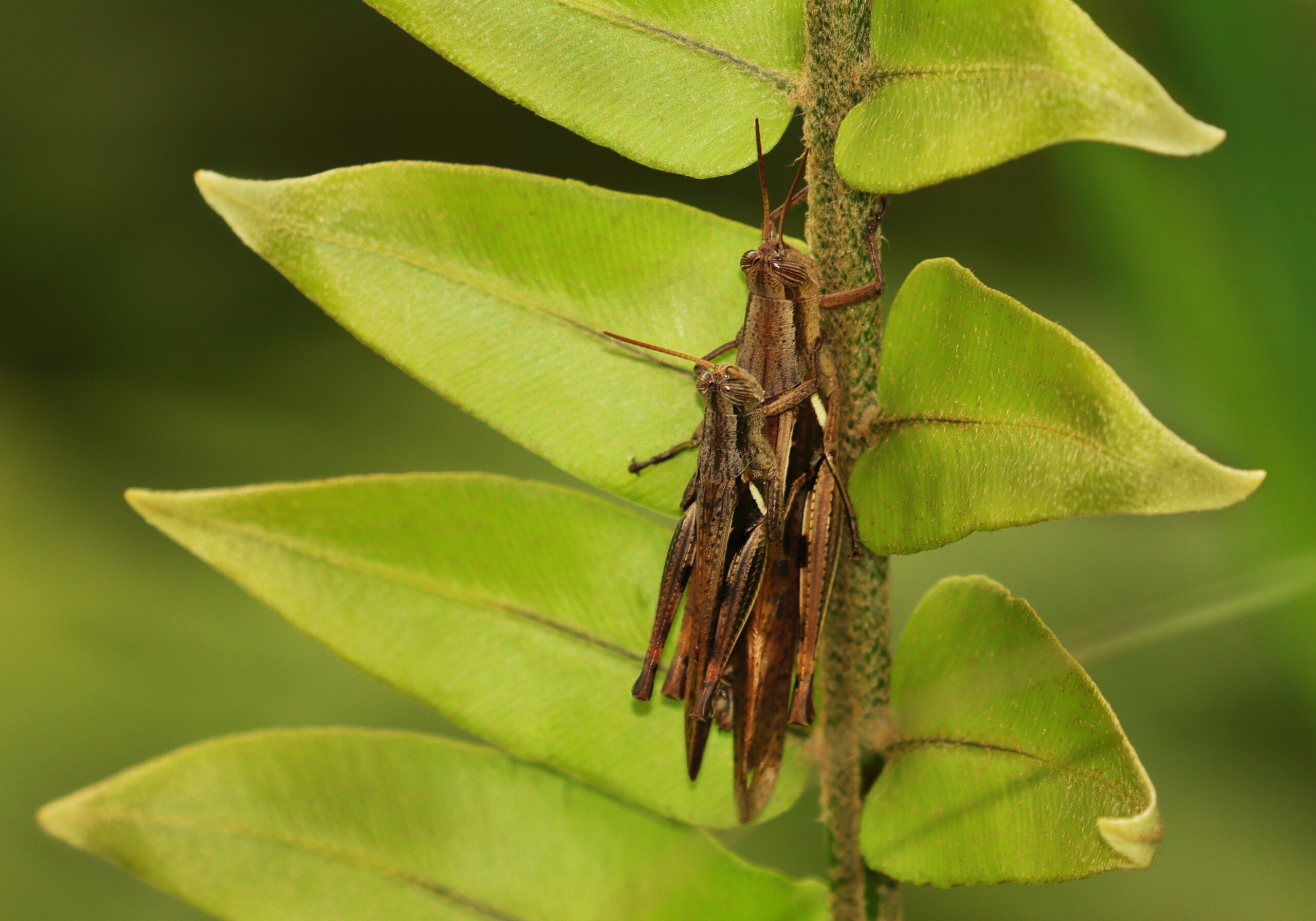
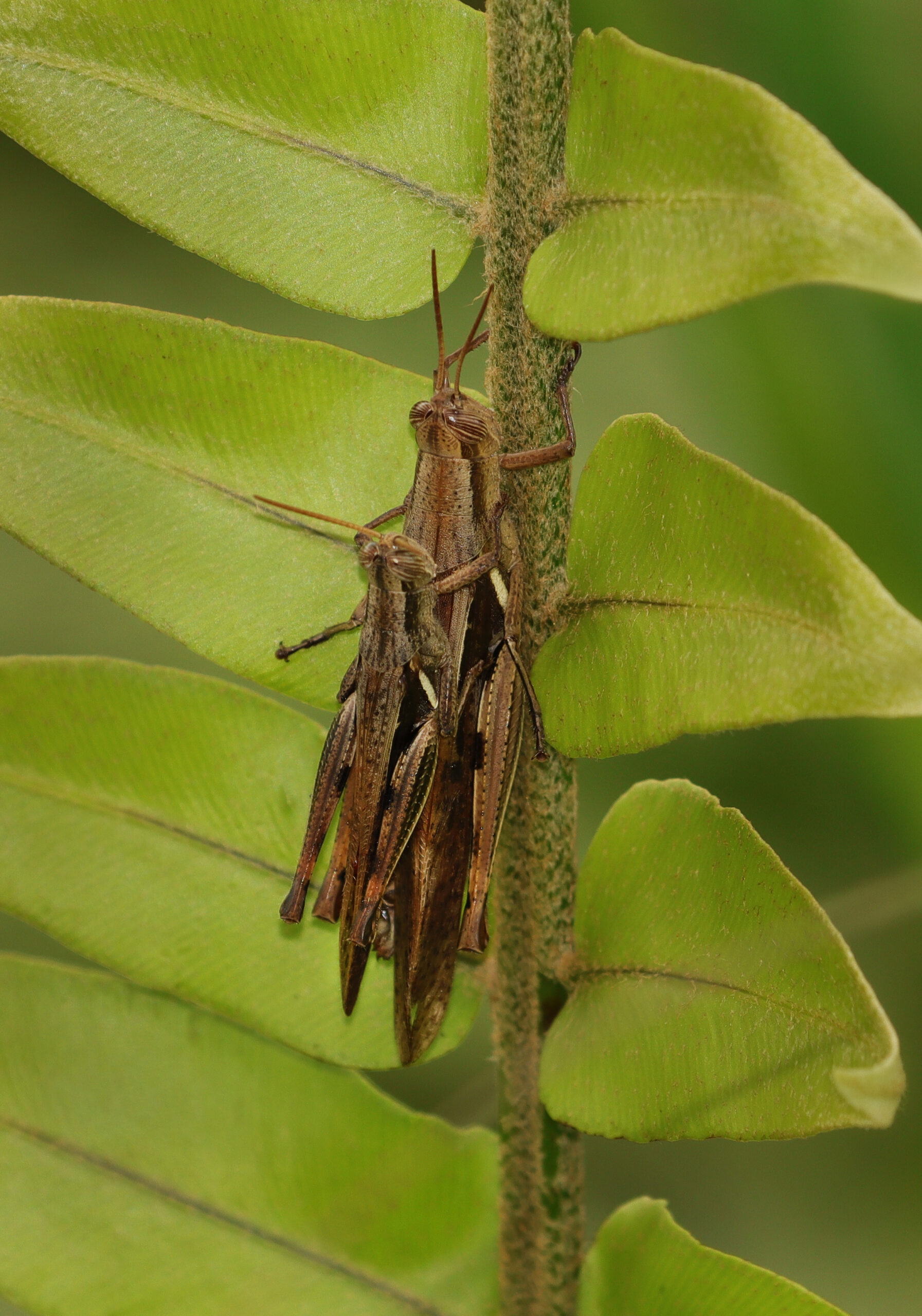
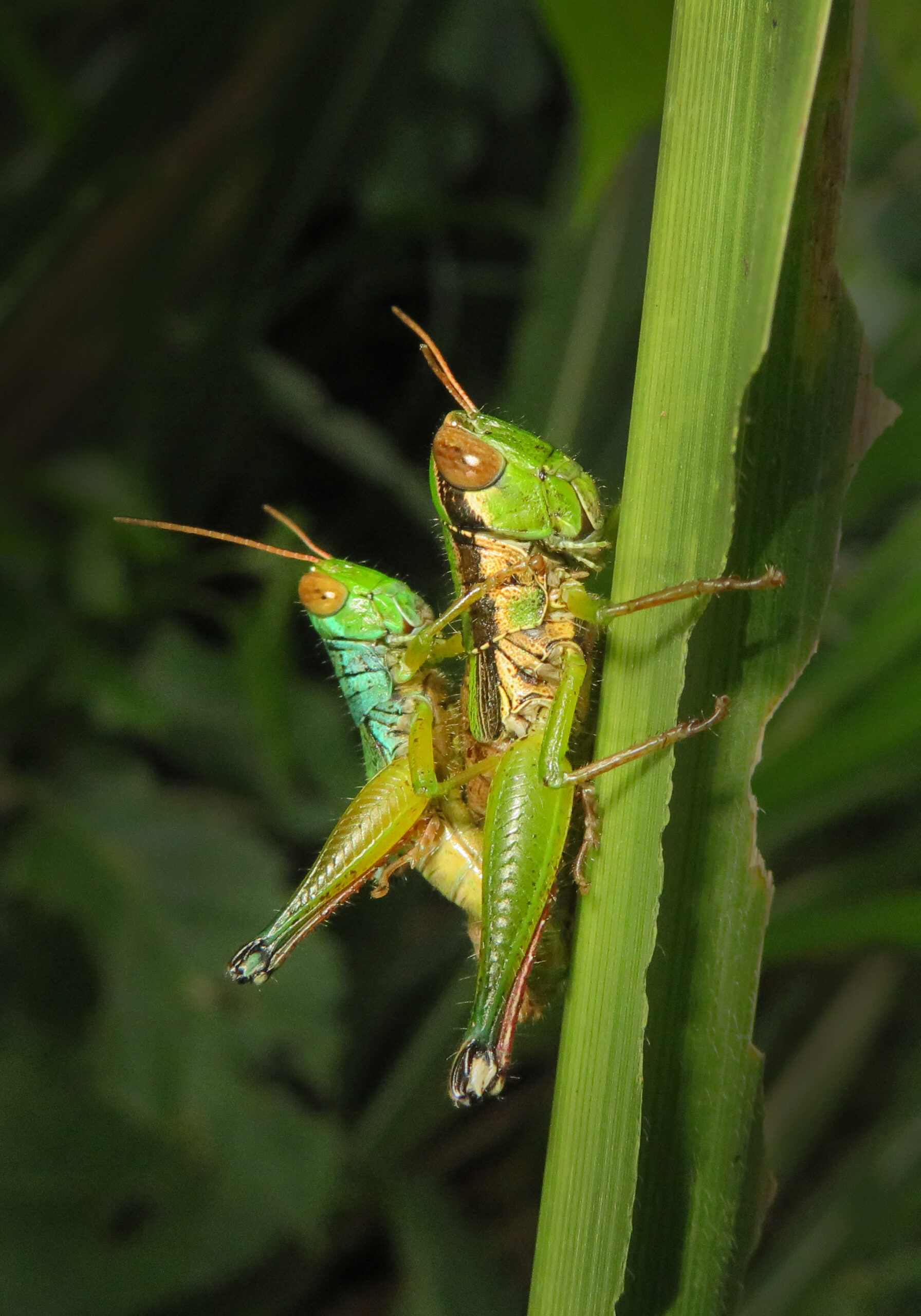
Orthoptera is an order of insects that includes grasshoppers, locusts, crickets, katydids, and their relatives. Members of this order are widely distributed across terrestrial habitats worldwide, from grasslands and forests to deserts and agricultural landscapes. Orthopterans are best known for their jumping ability and, in many species, for producing sound through stridulation.
Orthopterans typically have an elongate body divided into the head, thorax, and abdomen. The head bears strong mandibulate mouthparts adapted mainly for chewing plant material, though some species are omnivorous or predatory. Antennae may be short and stout, as in grasshoppers, or long and filamentous, as in crickets and katydids. The hind legs are characteristically enlarged and muscular, specialized for jumping.
Most Orthoptera possess two pairs of wings. The forewings are usually narrow and leathery, forming protective tegmina, while the hindwings are broad, membranous, and folded beneath the forewings at rest. Many species produce sounds by rubbing body parts together, typically the forewings or legs, and perceive sound through tympanal organs located on the abdomen or legs.
Development in Orthoptera is hemimetabolous, with egg, nymph, and adult stages. Nymphs resemble adults but lack fully developed wings and reproductive organs. Life cycles and behaviors are often closely linked to seasonal and environmental conditions.
Ecologically, orthopterans play important roles as herbivores, influencing plant community structure, and as prey for numerous predators. Some species, particularly locusts, can form large swarms and cause severe agricultural damage, while others are important components of natural ecosystems and are culturally significant as sources of food and sound-producing insects.