Bali Wildlife
Every Spices Matter


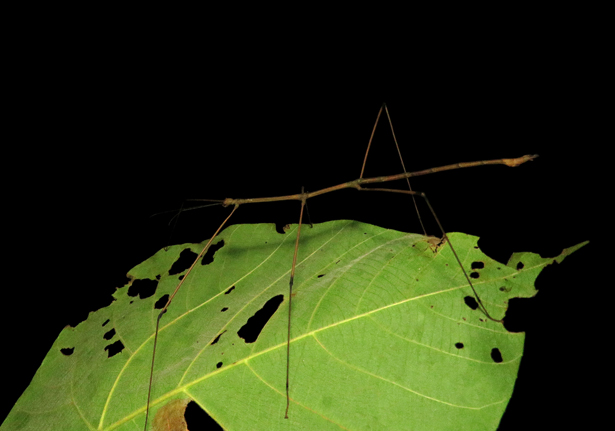
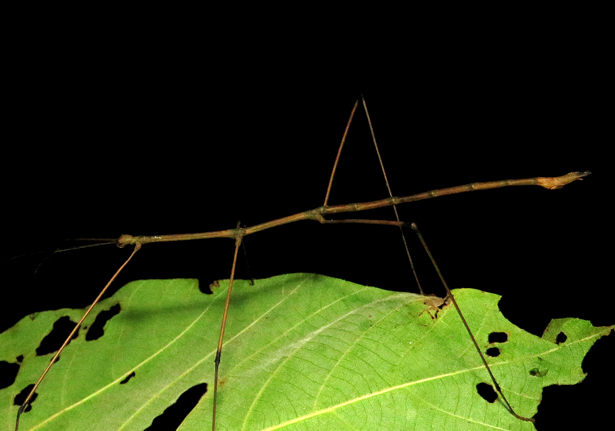
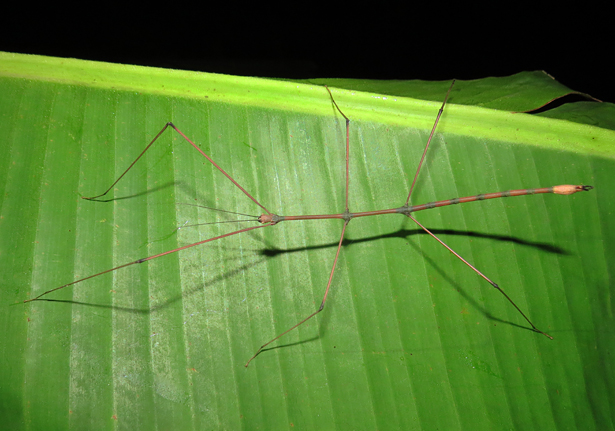
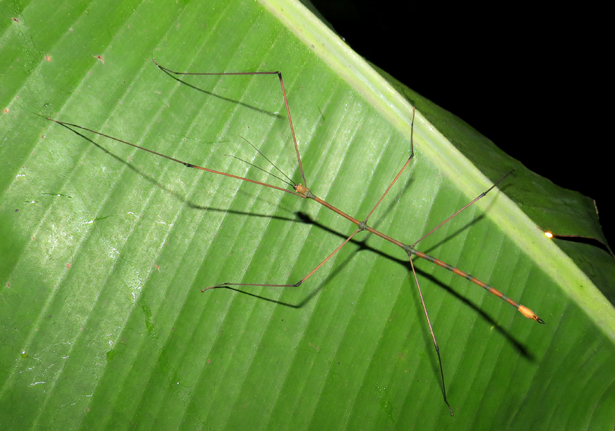
Phasmida, commonly known as stick insects and leaf insects, is an order of herbivorous insects renowned for their exceptional camouflage and mimicry. The order is distributed worldwide, with greatest species diversity in tropical and subtropical regions, particularly in Southeast Asia, Australia, and the Neotropics. Members of Phasmida primarily inhabit forests, shrubs, and other vegetation-rich environments.
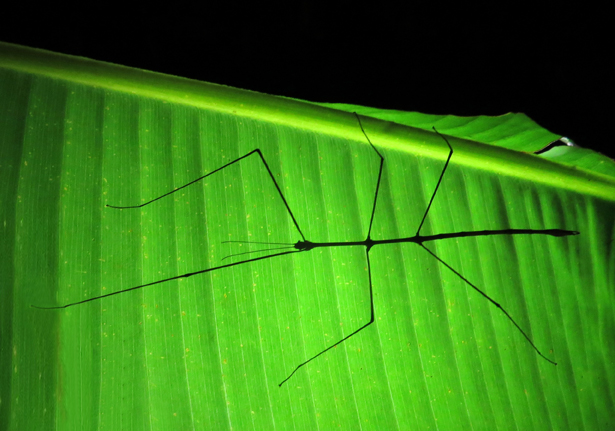
Insects of this order are characterized by elongated or flattened bodies that closely resemble twigs, branches, leaves, or even moss, providing effective concealment from predators. Body size varies widely, ranging from small, slender species to some of the largest insects in the world. Most phasmids possess long, slender legs and antennae, and their coloration typically matches surrounding vegetation, often in shades of green, brown, or gray.
Wings are variably developed within the order. Some species are fully winged, others have reduced wings, and many are completely wingless. When present, wings may be used for short flights or defensive displays. Defensive strategies in Phasmida include crypsis, sudden startle displays, chemical sprays, spines, and the ability to autotomize (shed) legs to escape predators.
Phasmids undergo incomplete metamorphosis (hemimetabolous development). Eggs are often distinctive in shape and structure, sometimes resembling plant seeds, and are usually dropped to the ground rather than placed directly on host plants. Nymphs closely resemble adults but lack fully developed wings and reproductive structures.
Ecologically, Phasmida are important herbivores, feeding mainly on leaves of trees and shrubs. While most species occur at low densities, some can become locally abundant and may cause noticeable defoliation. Despite this, they are primarily components of natural ecosystems and play a role in food webs as both consumers and prey.
The order Phasmida includes several families, such as Phasmatidae, Diapheromeridae, and Phylliidae, reflecting the remarkable morphological diversity and specialization within the group. Their extraordinary adaptations for mimicry and defense make Phasmida one of the most distinctive and fascinating orders of insects.