Bali Wildlife
Every Spices Matter


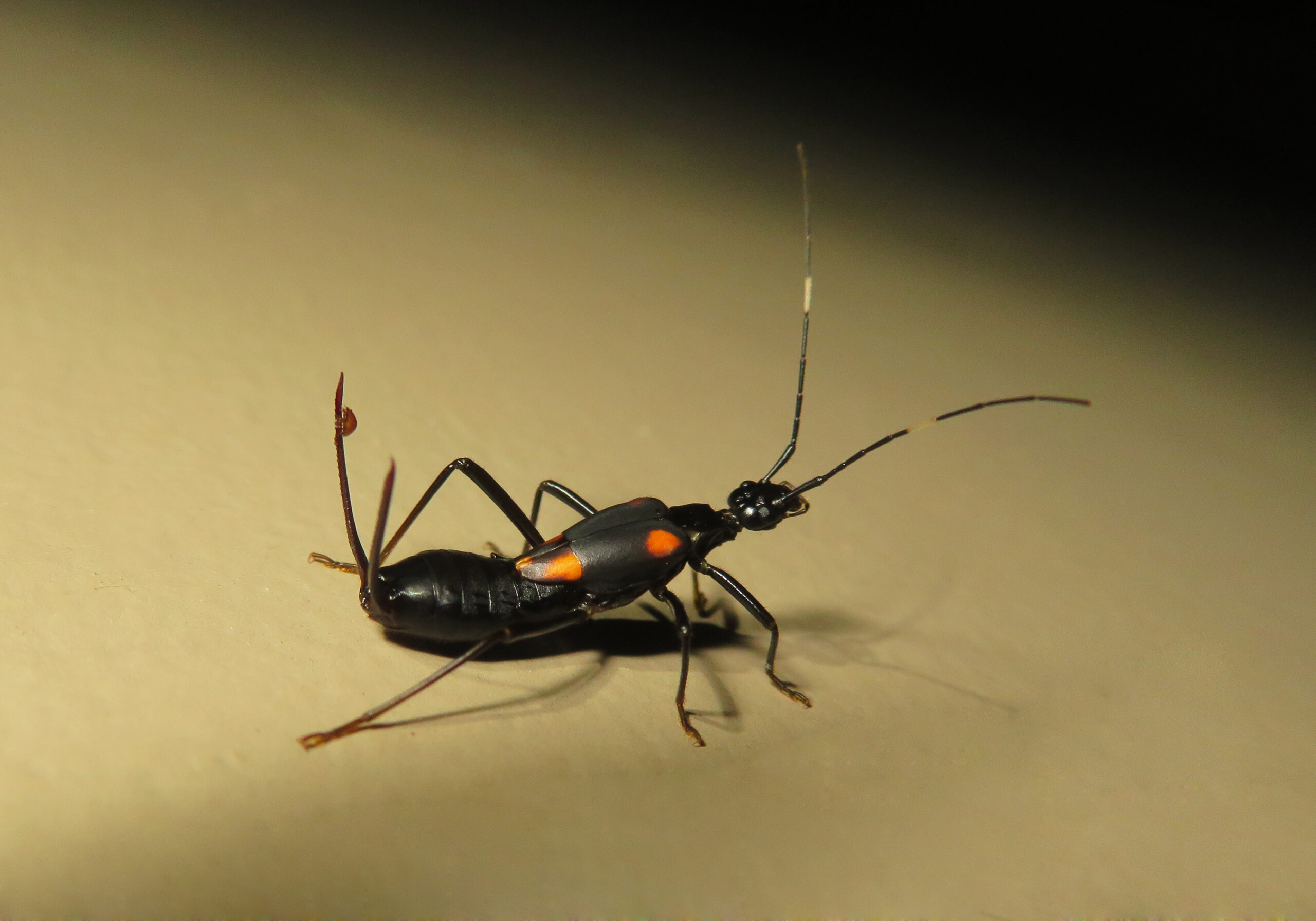
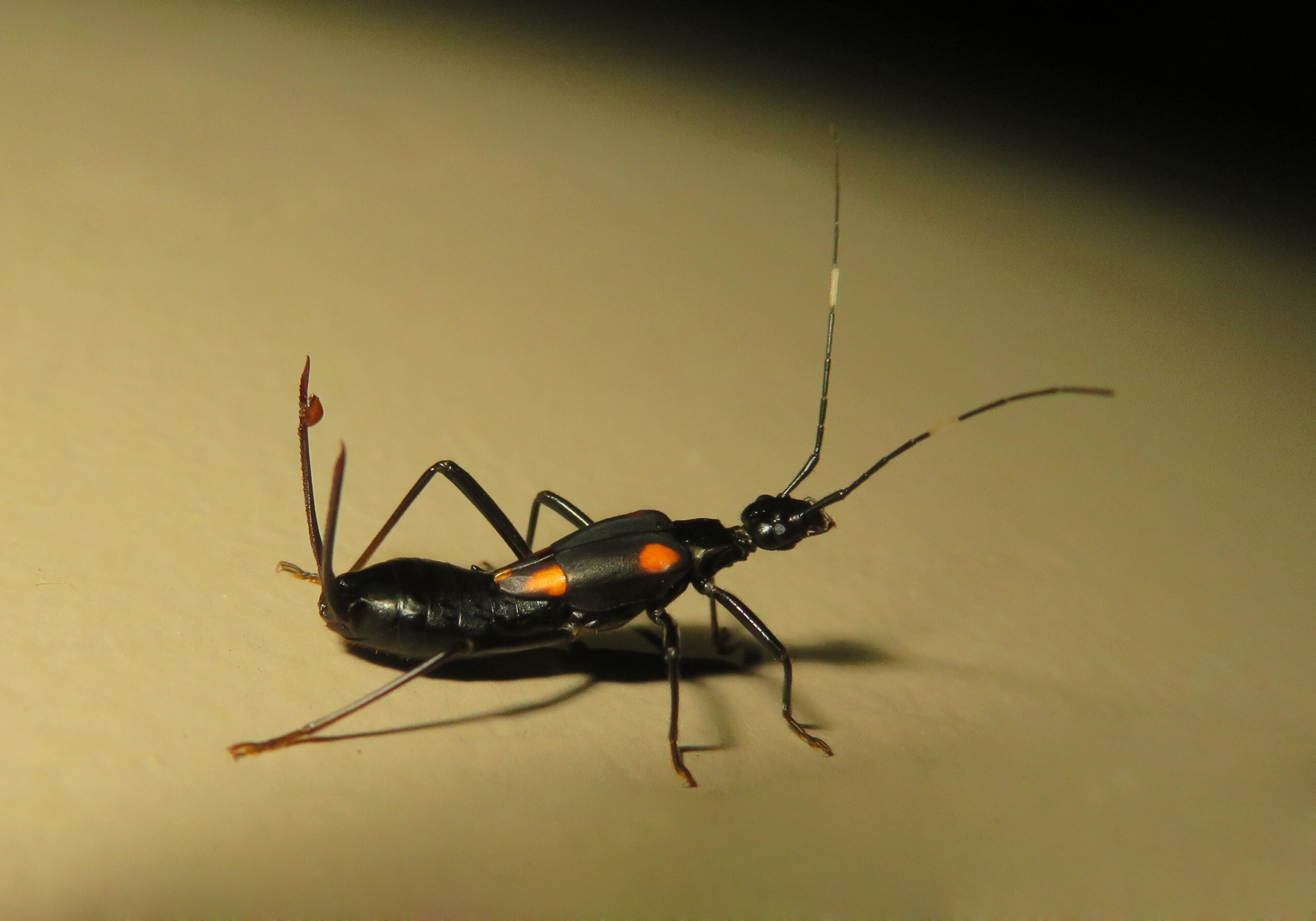
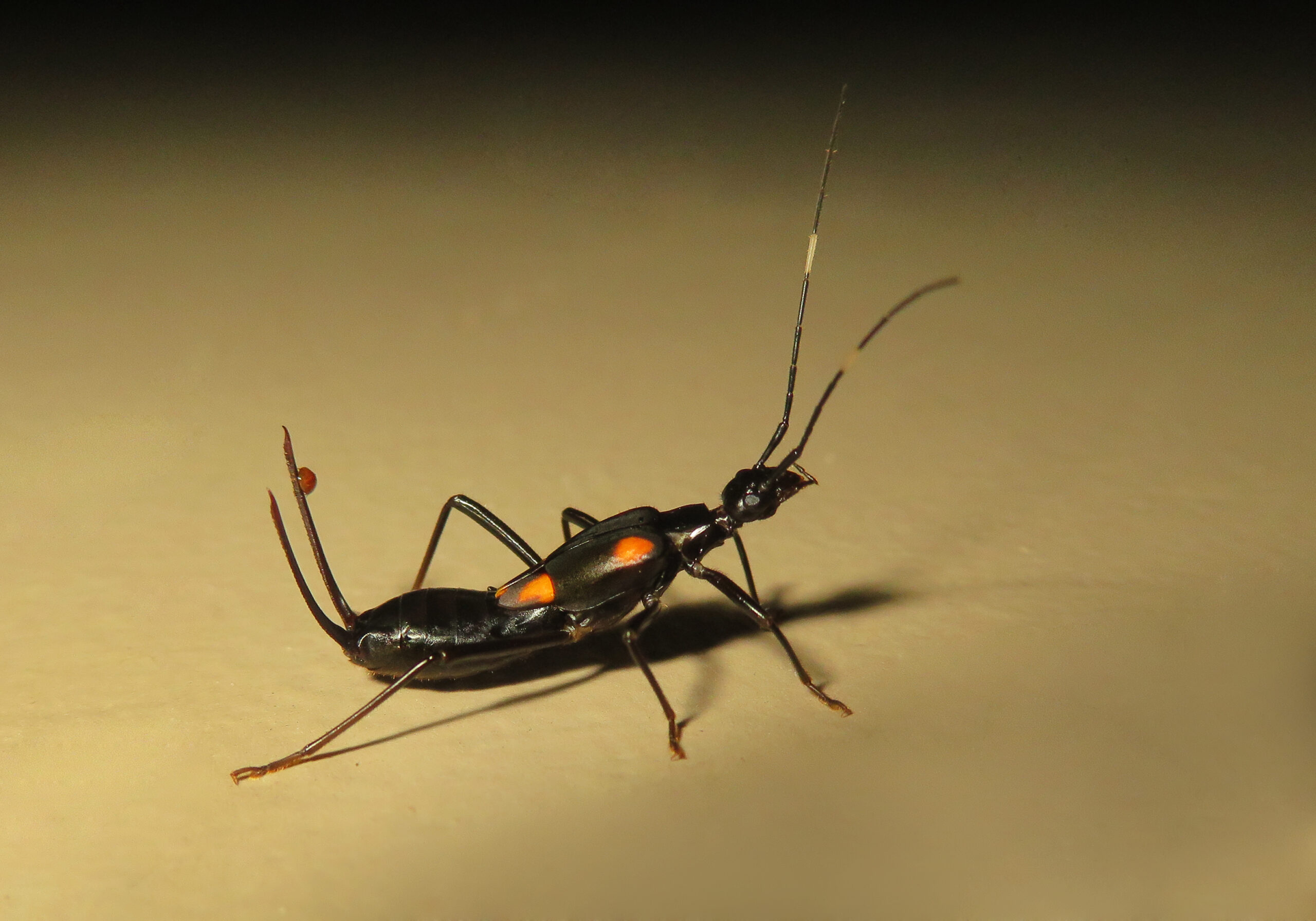
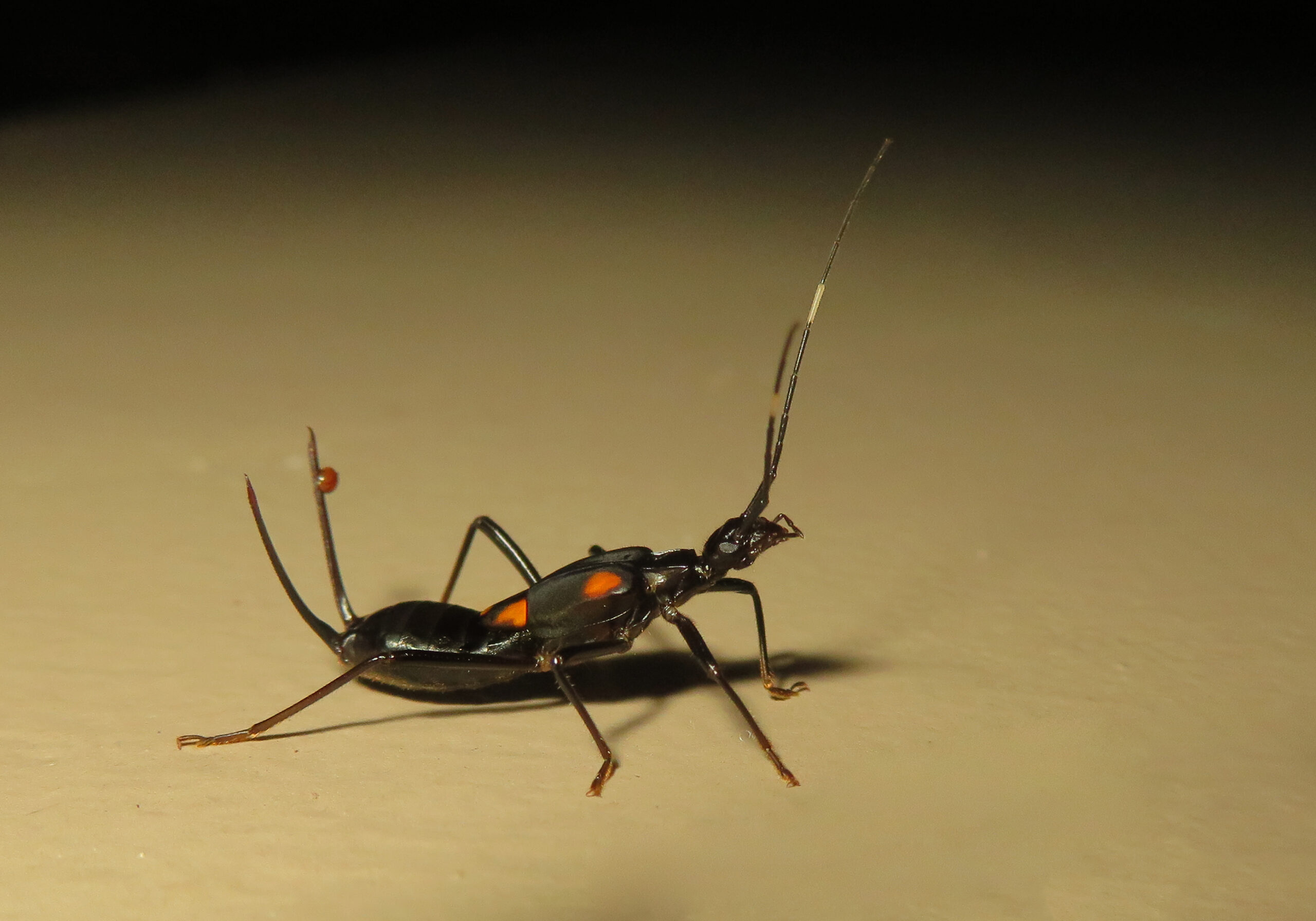
Opisthocosmiinae is a subfamily within the family Forficulidae (Superfamily Forficuloidea, Order Dermaptera), comprising a diverse group of earwigs primarily distributed throughout tropical and subtropical regions of Asia, Africa, and Australasia. Members of this subfamily are commonly found in forests, grasslands, agricultural areas, gardens, and other habitats with abundant shelter and moisture.
Earwigs of the subfamily Opisthocosmiinae are generally small to medium-sized and possess the characteristic elongated, flattened body typical of earwigs. They are usually brown, reddish-brown, or dark-colored, providing effective camouflage among leaf litter, bark, and soil. The abdomen terminates in a pair of forceps-like cerci, which are often more curved and robust in males than in females.
The head bears chewing mouthparts and long, segmented antennae adapted for exploring their surroundings. Most species are nocturnal, spending the day hidden in crevices, beneath bark, under stones, or within leaf litter before emerging at night to forage.
Like other earwigs, Opisthocosmiinae undergo incomplete metamorphosis, consisting of egg, nymph, and adult stages. Females commonly exhibit maternal care by guarding and cleaning their eggs and protecting young nymphs during early development.
Feeding habits are generally omnivorous. Species feed on decaying plant material, fungi, algae, fruits, seeds, and small invertebrates. Some species also prey on aphids, mites, and other soft-bodied arthropods, contributing to natural pest control.
The subfamily includes numerous genera adapted to a variety of ecological niches, particularly in tropical environments where earwig diversity is highest.
Ecologically, Opisthocosmiinae plays an important role in decomposition, nutrient recycling, and the regulation of small arthropod populations. As both scavengers and predators, they contribute to ecosystem balance and serve as prey for birds, reptiles, amphibians, and mammals. Although they are often overlooked due to their secretive habits, they are important components of terrestrial biodiversity.