Bali Wildlife
Every Spices Matter


Oestroidea is a major superfamily within the zoosubsection Calyptratae (Zoosection Schizophora, Infraorder Cyclorrhapha, Order Diptera). It comprises a diverse group of robust flies that includes blowflies, flesh flies, bot flies, and their relatives. Members of Oestroidea are distributed worldwide and occupy a wide range of habitats, from natural ecosystems to areas closely associated with humans and animals.
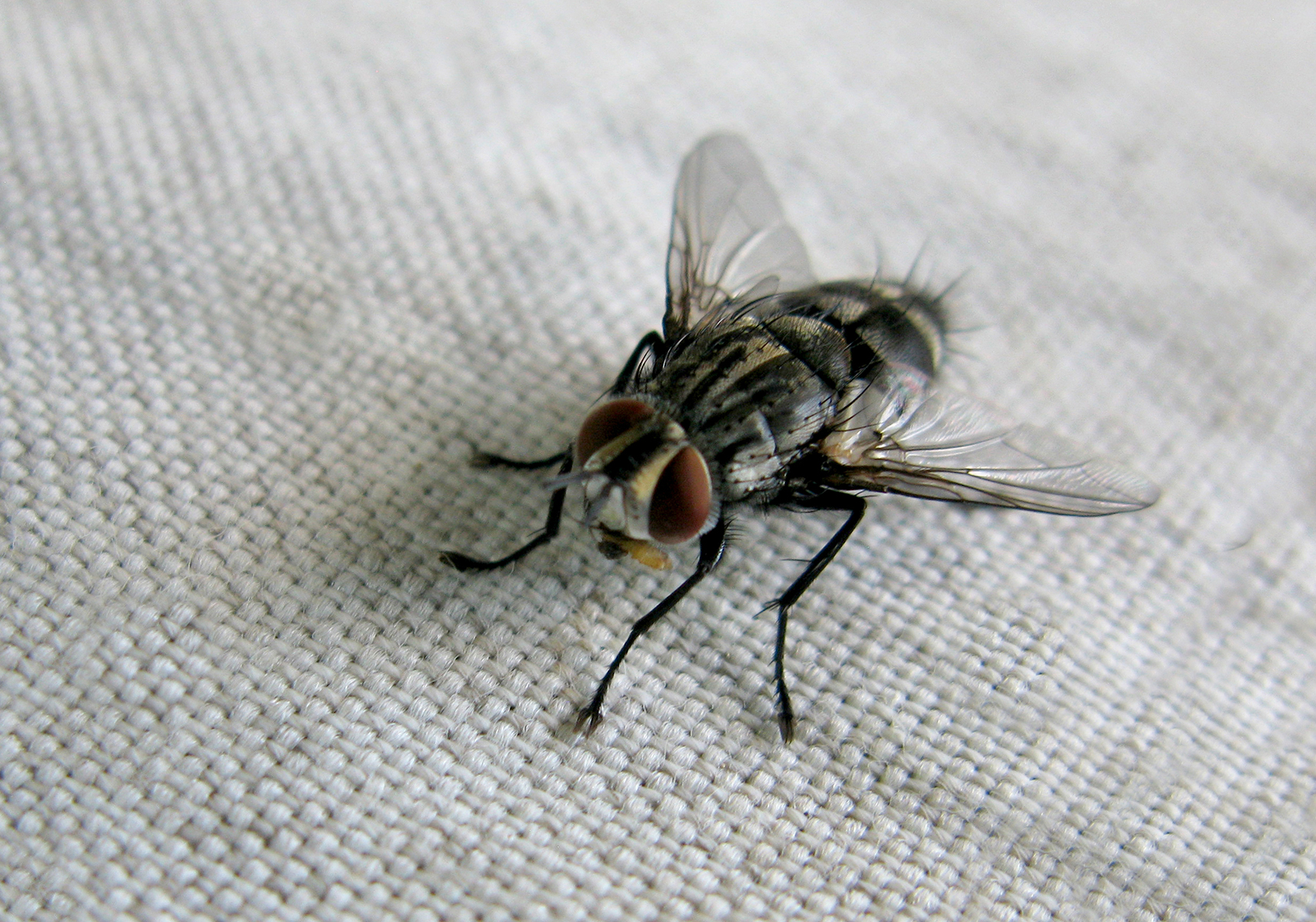
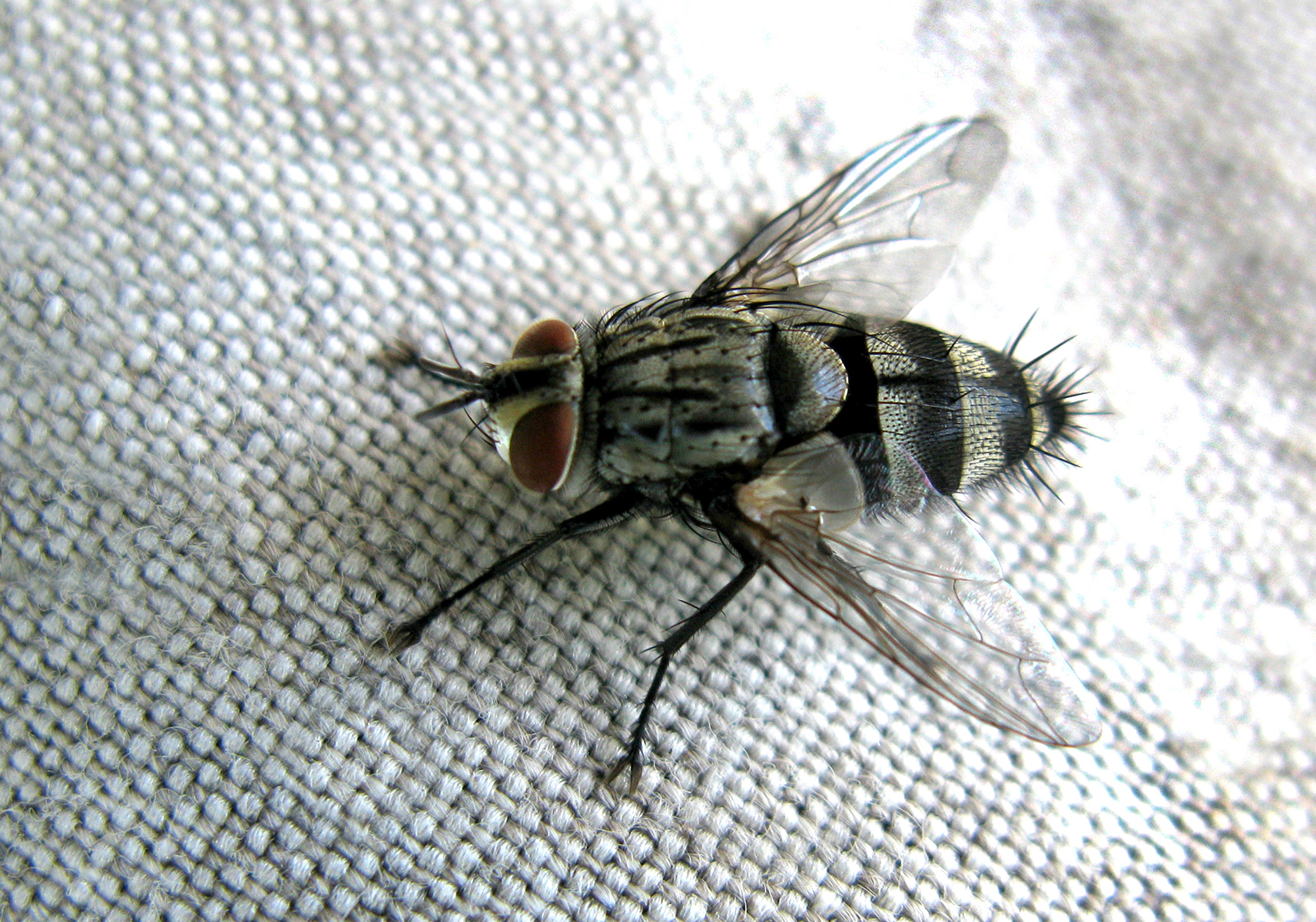
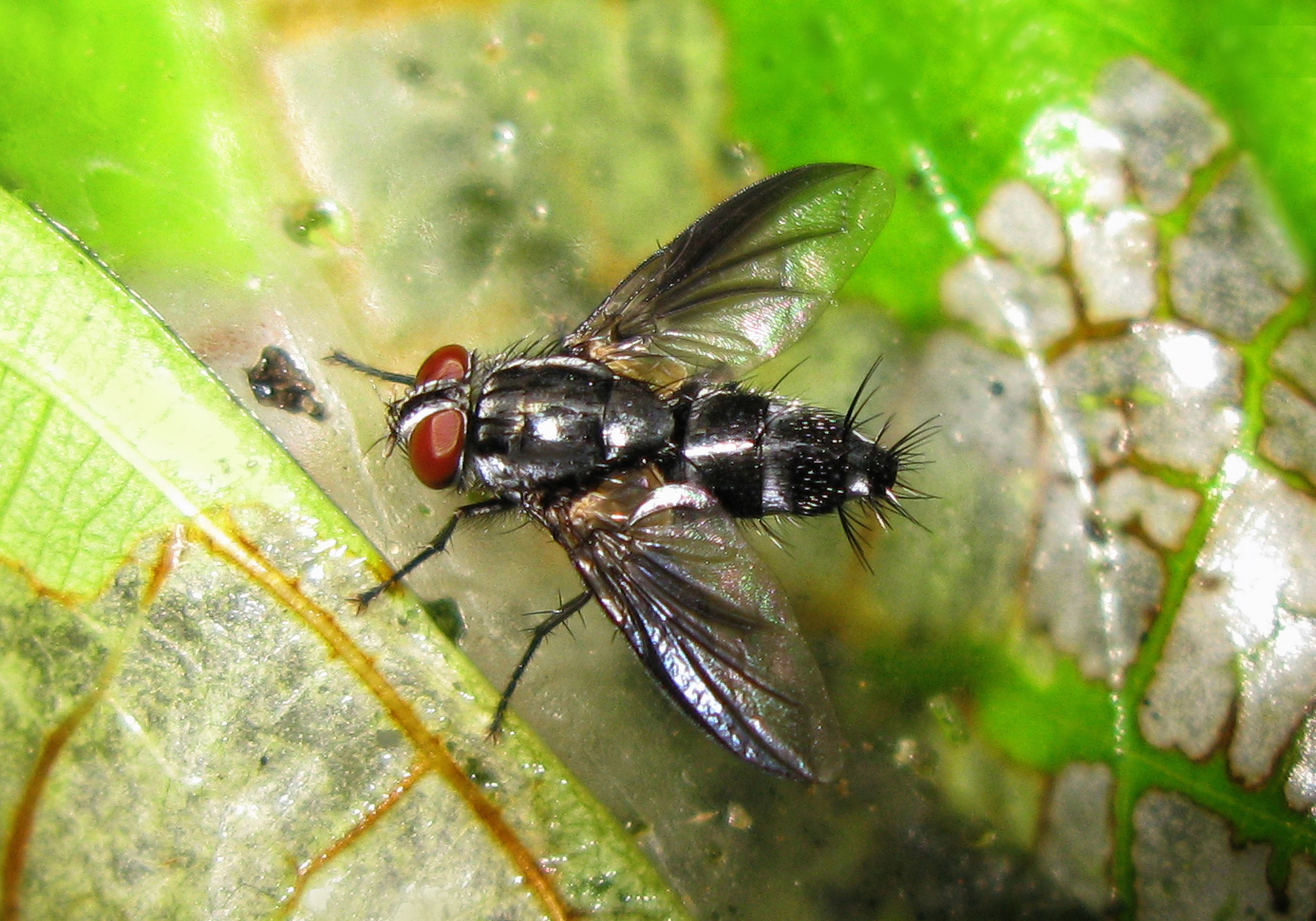
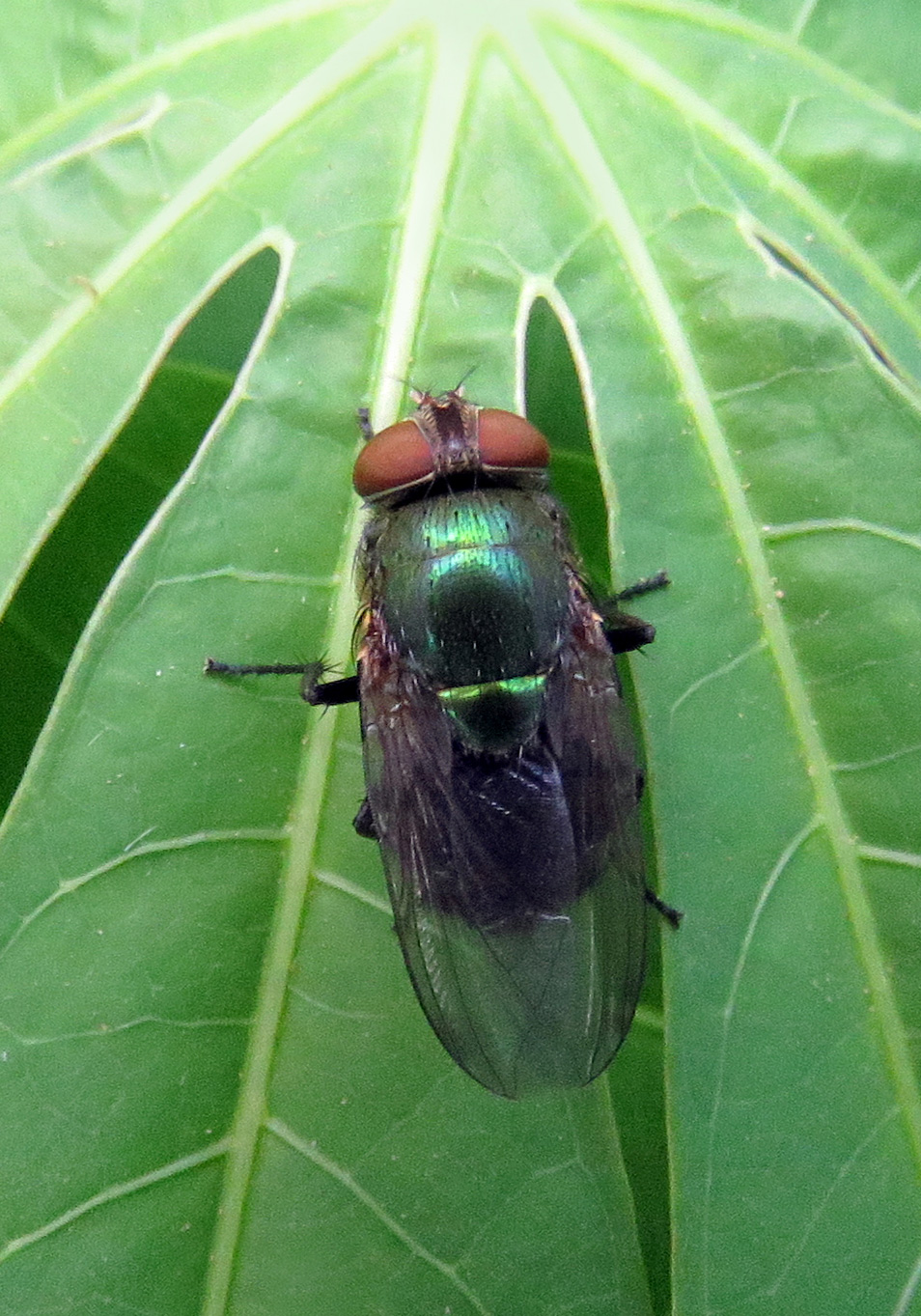
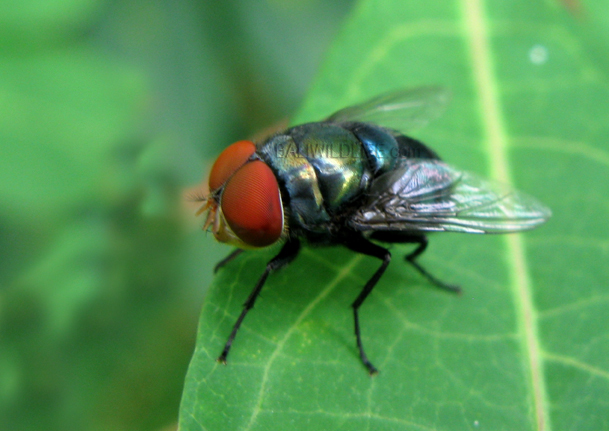
Flies of the superfamily Oestroidea are generally medium to large in size and are often robust and bristly. Many species have well-developed thoracic bristles (setae), which are important for identification. Coloration varies widely, ranging from dull gray or black to bright metallic blue, green, or bronze, especially in blowflies. The head is typically large with prominent compound eyes and short antennae bearing an arista.
Like other calyptrate flies, oestroids possess well-developed calypters at the base of the wings and a ptilinal suture on the head. They are strong fliers and often highly active. Mouthparts are usually adapted for sponging liquids, though feeding habits vary widely among groups.
The life cycle involves complete metamorphosis. Larvae are legless maggots and exhibit a wide range of ecological strategies. Many species are saprophagous, developing in carrion, dung, or decaying organic matter. Others are parasitic or parasitoid, developing within living hosts. For example, bot flies (family Oestridae) are obligate parasites of mammals, while tachinid flies are parasitoids of other insects.
Oestroidea includes several important families, such as Calliphoridae (blowflies), Sarcophagidae (flesh flies), Tachinidae (parasitoid flies), Oestridae (bot flies), and related groups. These families differ greatly in life history and ecological roles.
Ecologically, Oestroidea plays a crucial role in decomposition and nutrient cycling, particularly through species that feed on carrion and waste. They are also important in biological control (e.g., Tachinidae) and forensic science (e.g., blowflies used to estimate time of death). However, some members are of medical and veterinary importance, as they can transmit pathogens or cause parasitic infestations (myiasis) in humans and animals. The superfamily Oestroidea represents one of the most ecologically significant and functionally diverse groups of flies.