

Genus Oeonistis

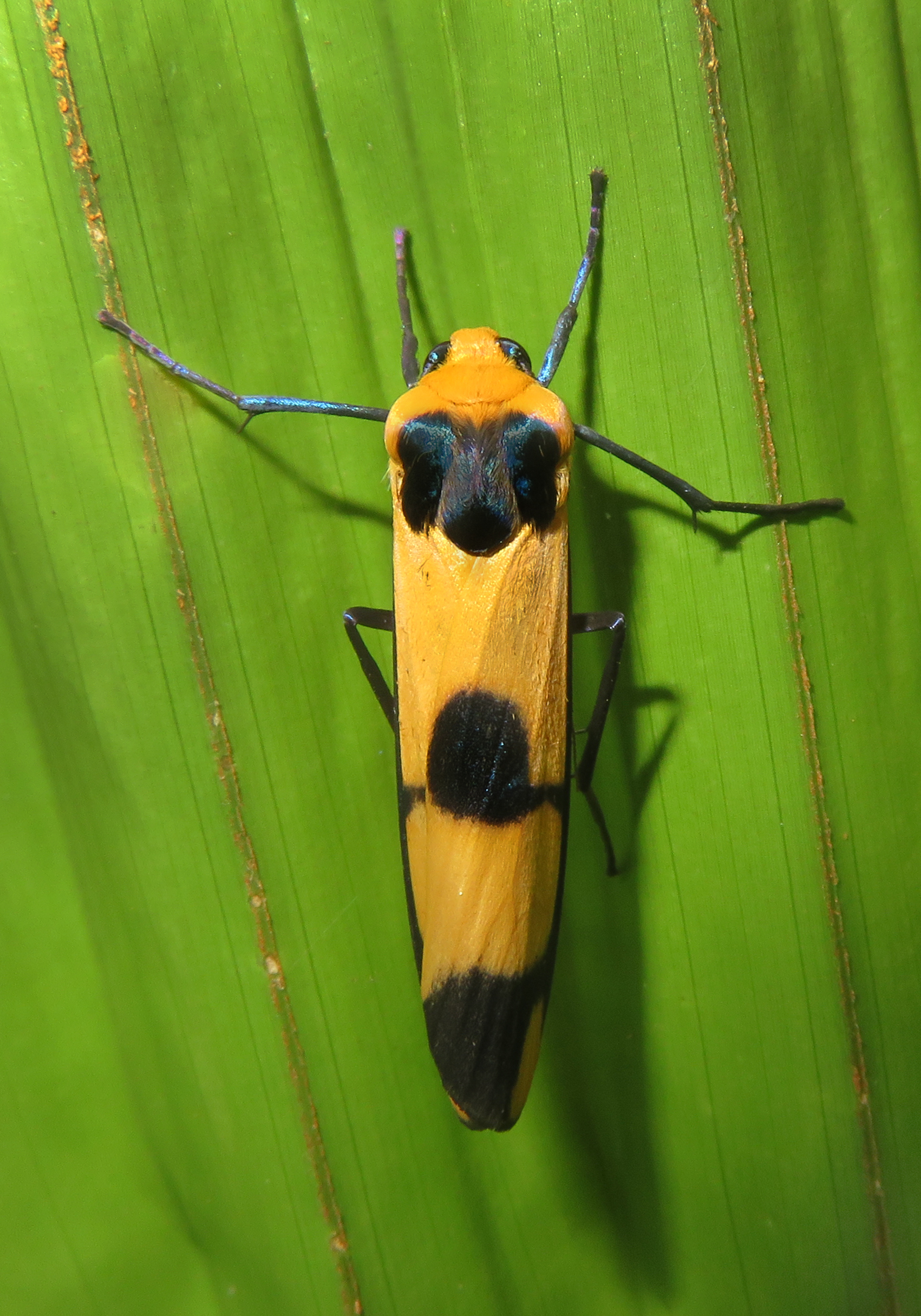
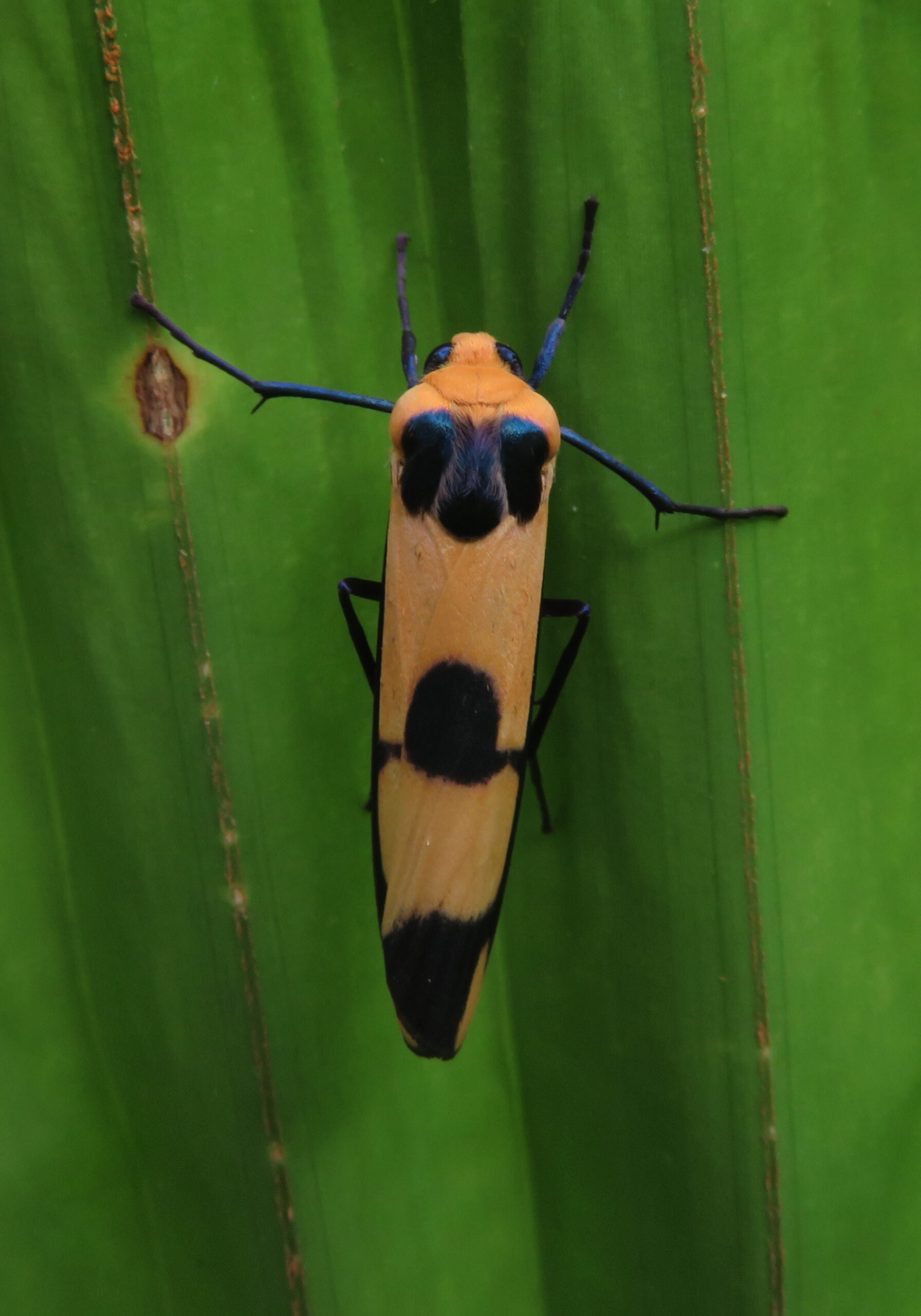
Oeonistis is a genus of lichen moths within the tribe Lithosiini (Subfamily Arctiinae, Family Erebidae, Superfamily Noctuoidea, Order Lepidoptera). The genus is distributed in tropical regions of South and Southeast Asia, where its species inhabit tropical rainforests, secondary forests, woodland edges, plantations, and other well-vegetated habitats. Adults are most commonly encountered in forested environments and are frequently attracted to artificial lights at night.
Moths of the genus Oeonistis are generally small to medium-sized and possess a slender body with narrow, elongated wings typical of many lichen moths. Their wing coloration commonly consists of combinations of white, cream, yellow, orange, gray, or brown, often marked with contrasting black lines, spots, or bands. These patterns provide effective camouflage against lichen-covered bark, mosses, and tree trunks, while in some species the brighter coloration may function as aposematic (warning) coloration associated with chemical defenses.
Adults are primarily nocturnal, becoming active after dusk and resting on tree trunks, branches, or foliage during daylight hours. They are readily attracted to artificial lights and possess a well-developed coiled proboscis for feeding on nectar, honeydew, tree sap, and other sugar-rich plant exudates. Their quiet behavior and cryptic resting posture make them difficult to detect in their natural habitats.
The life cycle involves complete metamorphosis, consisting of egg, larva (caterpillar), pupa, and adult stages. Females lay eggs on bark or vegetation where suitable larval food sources occur. Although the early stages of most Oeonistis species remain poorly documented, the caterpillars are believed to feed primarily on lichens, algae, mosses, and other epiphytic growths, consistent with the feeding habits of many members of the tribe Lithosiini. Pupation occurs within a loose silken cocoon, often concealed beneath bark, among leaf litter, or on lichen-covered surfaces.
The genus contains a relatively small number of described species and remains less thoroughly studied than many other lithosiine genera. Species are primarily associated with humid forest habitats and are typically recorded through nocturnal light-trapping surveys.
Ecologically, Oeonistis moths contribute to forest ecosystems by participating in lichen and algal grazing during the larval stage and by occasionally assisting in pollination as adults. Both caterpillars and adults form part of forest food webs, serving as prey for birds, bats, reptiles, spiders, predatory insects, and parasitoids. Their close association with mature forests and lichen-rich habitats makes Oeonistis species useful indicators of forest quality, environmental stability, and regional biodiversity.