

Typical Weaver Ants (Genus Oecophylla)
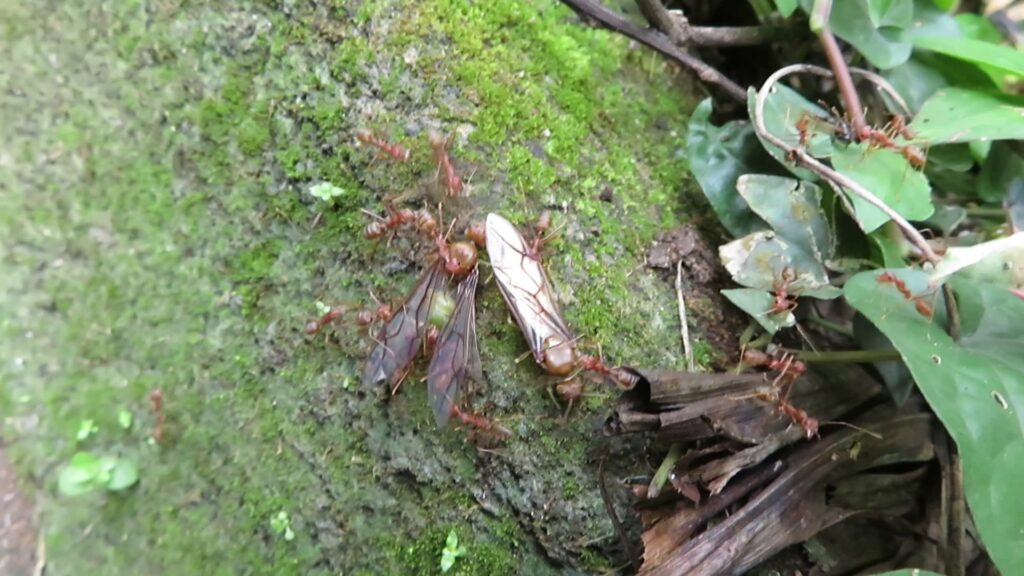
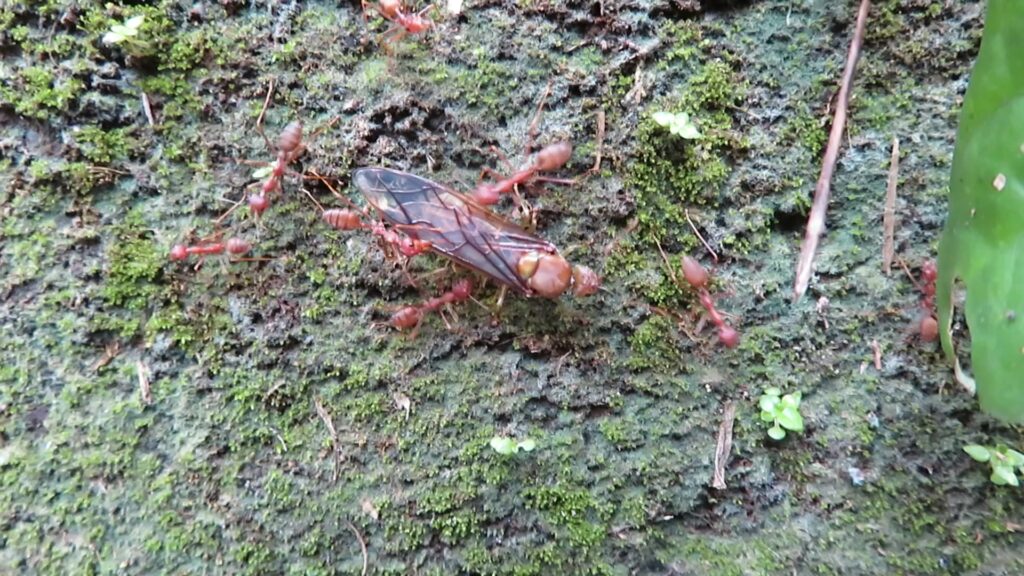
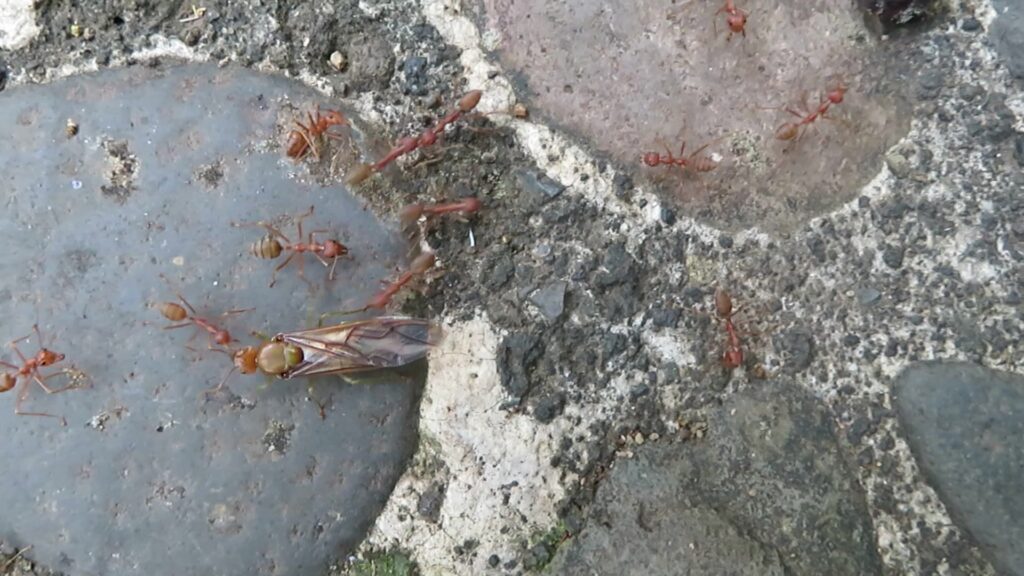
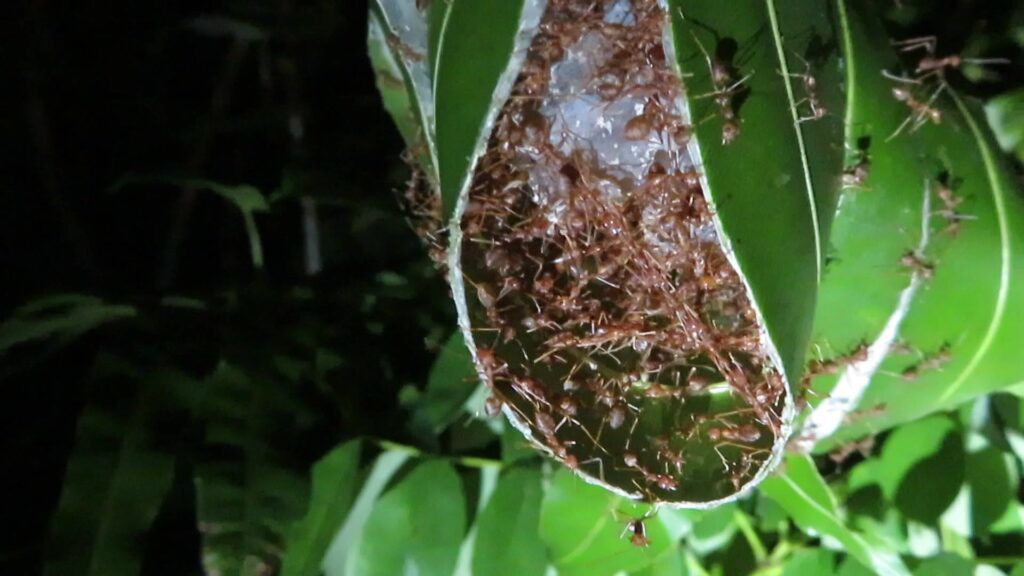
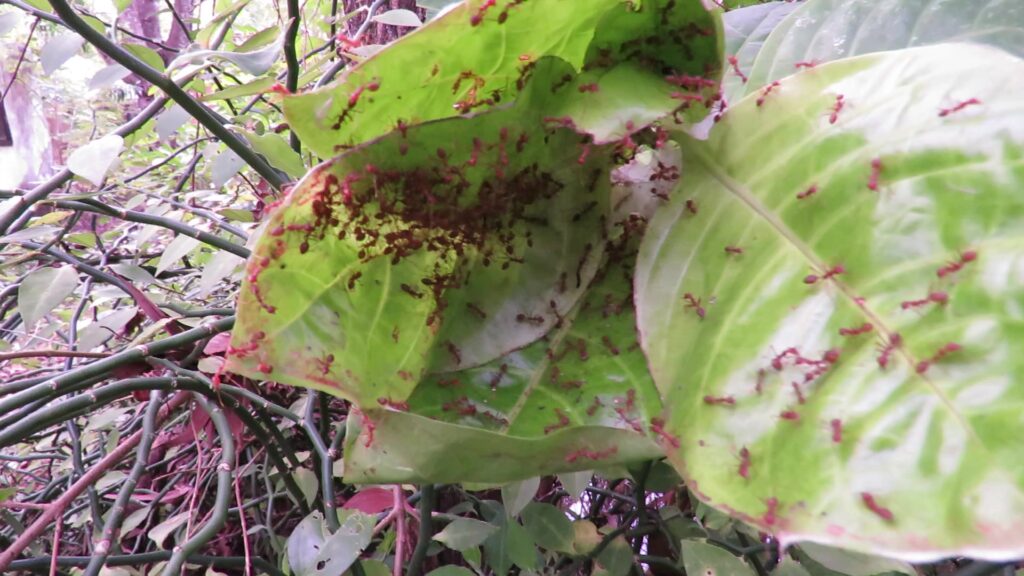
The genus Oecophylla comprises the remarkable weaver ants, a group of arboreal ants belonging to the family Formicidae and subfamily Formicinae. These ants are famous for constructing nests by fastening living leaves together with silk produced by their larvae. They are among the most conspicuous and ecologically influential ants in tropical forests, woodlands, orchards, and agricultural landscapes. The genus contains two living species: the Asian weaver ant (Oecophylla smaragdina) and the African weaver ant (Oecophylla longinoda). Both are known for their cooperative nest construction, aggressive territorial defense, and highly organized colonies.
Weaver ants have elongated bodies, long legs, strong mandibles, and well-developed antennae that allow them to navigate branches, detect food, and communicate with nestmates. Their coloration is typically yellowish orange, reddish orange, or reddish brown, although the exact appearance varies between species, castes, and populations. The abdomen is often darker or differently shaded from the head and thorax. Workers are agile climbers capable of moving rapidly along tree trunks, branches, and leaves. Their powerful jaws help them grasp prey, defend their colonies, and hold leaf edges together during nest construction.
Like other social ants, Oecophylla colonies contain reproductive queens, males during breeding periods, and numerous female workers. Workers perform different tasks according to their age, condition, and the needs of the colony. These tasks include caring for eggs and larvae, gathering food, constructing nests, and defending the colony’s territory. A colony may occupy several nests distributed across one or more trees, with workers traveling along established routes between them. Chemical signals, especially pheromones, allow workers to recruit nestmates to food sources, communicate danger, and coordinate collective responses. The resulting cooperation enables a colony to function as an integrated social unit.
The most distinctive feature of Oecophylla is its unusual method of nest construction. Rather than building nests underground or excavating cavities in wood, workers create enclosed shelters by pulling living leaves together. They may form chains by gripping one another with their mandibles and legs, gradually bringing separate leaves into contact. Other workers carry larvae to the leaf margins and gently press them against the surfaces to release silk. The larvae produce silk from their labial glands, and the workers guide them back and forth to bind the leaves together. Multiple leaves may be joined into a single nest, creating a protected chamber for brood development and shelter.
The genus is restricted naturally to tropical and subtropical regions of the Old World. Oecophylla smaragdina occurs across South and Southeast Asia and parts of the Indo-Australian region, including many islands of the Malay Archipelago. Oecophylla longinoda is native to tropical Africa. Both species favor habitats with sufficient trees and shrubs to support their nests and provide interconnected routes for foraging. They are frequently found in tropical forests, forest margins, plantations, gardens, and orchards. The availability of leafy vegetation, prey, and suitable nesting sites strongly influences their local distribution and colony density.
Weaver ants are primarily diurnal, with workers commonly active during daylight when they patrol foliage and search for food. Their colonies establish territories around occupied trees or groups of trees, and workers aggressively confront intruders that approach nest sites or food resources. When disturbed, they may bite repeatedly with their mandibles and release formic acid as a chemical defense. Workers also recruit nestmates through pheromone trails, allowing a relatively small number of ants to rapidly mobilize a much larger defensive force. Their coordinated aggression can deter many competing ants and predatory arthropods, making them dominant occupants of some tropical tree canopies.
The diet of Oecophylla consists mainly of insects and other small arthropods, supplemented by sugary liquids and occasional scavenged food. Workers hunt caterpillars, flies, beetles, termites, spiders, and other insects, often overwhelming larger prey through coordinated attacks. Their predatory activity can be particularly intense on trees where colonies maintain well-established foraging trails. Weaver ants also collect honeydew from sap-feeding insects, including aphids, scale insects, and treehoppers. In exchange for these sugary secretions, they may protect the insects from predators and parasitoids. This mutualistic relationship can benefit the ants but sometimes creates agricultural problems when the protected insects damage crops.
Reproduction and colony development follow the general pattern of ants. During reproductive periods, winged males and virgin queens leave their colonies for mating flights. After mating, a queen establishes a new colony and begins producing eggs. The first workers develop under her care, after which they assume the main responsibilities of foraging, nest construction, and brood care. As the colony grows, workers build additional nests and expand the area they defend. Colonies may persist for extended periods under favorable conditions, although lifespan, colony size, and reproductive output vary with habitat, food availability, and environmental pressures.
The ecological importance of Oecophylla is especially evident in tropical forest canopies and agricultural systems. As active predators, weaver ants consume large numbers of herbivorous insects and influence the abundance and behavior of other arthropods. Their territorial presence may alter which insects and competing ant species can occupy a tree. They also form part of the food web, serving as prey for some birds, reptiles, and other ant-eating animals. Their interactions with honeydew-producing insects illustrate how a single ant genus can influence several layers of ecological relationships, from plant-feeding insects to predators and parasitoids.
Weaver ants have a long history of use in biological pest management. In parts of Asia and Africa, farmers have encouraged their colonies in crops such as mango, citrus, cashew, and other fruit trees to reduce damage caused by insect pests. Their persistent patrols and coordinated attacks can help suppress certain caterpillars and fruit-feeding insects, sometimes reducing the need for chemical insecticides. However, their benefits depend on the crop and local pest community. Their aggressive behavior can complicate harvesting, and their protection of honeydew-producing insects may increase the abundance of some agricultural pests. Effective management therefore requires understanding the balance between their predatory benefits and their other ecological interactions.
Despite their adaptability, Oecophylla ants can be affected by deforestation, habitat fragmentation, pesticide exposure, and the removal of suitable trees. In agricultural landscapes, broad-spectrum insecticides may kill workers directly or reduce the prey populations that colonies depend on. Loss of connected vegetation can also limit access to nesting sites and food. Maintaining trees and shrubs, preserving habitat corridors, and using targeted pest-management methods can help retain their ecological benefits. Because weaver ants are conspicuous and socially complex, they are also valuable subjects for research on animal communication, cooperation, collective behavior, and the evolution of social organization.
Overall, the genus Oecophylla represents an exceptional example of social adaptation among insects. Its members combine cooperative silk-based nest construction, coordinated hunting, chemical communication, and aggressive territorial defense to thrive in tropical tree canopies. Their nests demonstrate how animal architecture can emerge from the coordinated activities of many individuals, while their predatory behavior gives them considerable ecological and agricultural importance. As both dominant canopy inhabitants and natural enemies of crop pests, weaver ants occupy a distinctive position in tropical ecosystems.