Bali Wildlife
Every Spices Matter


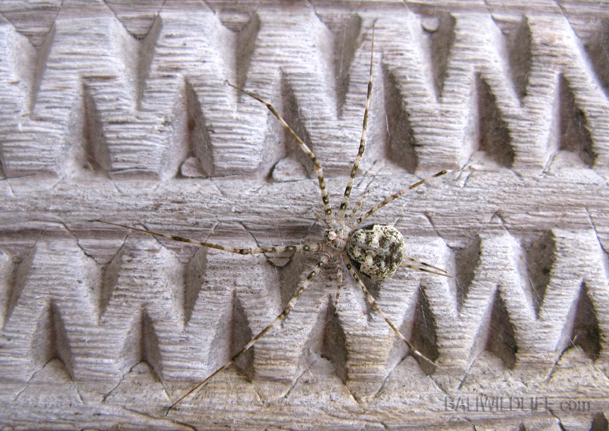
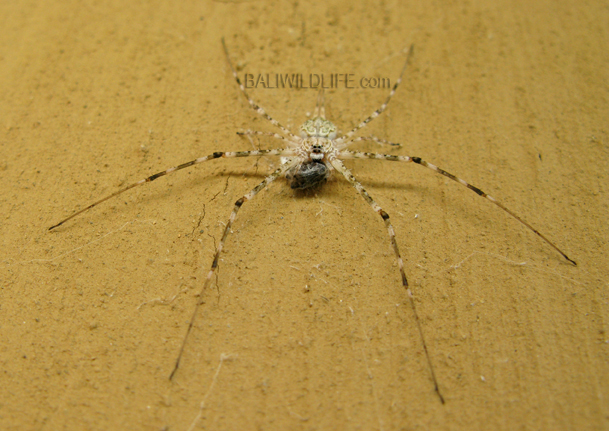
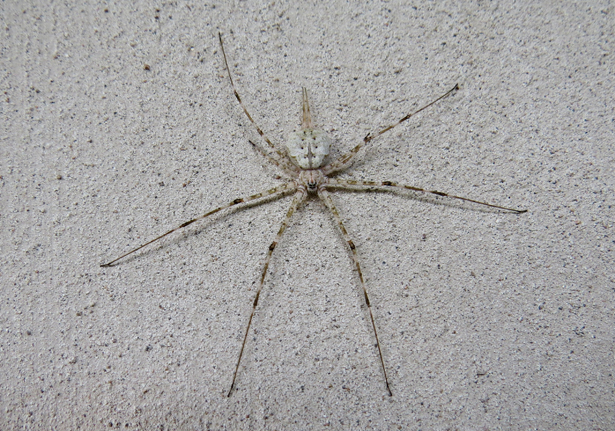
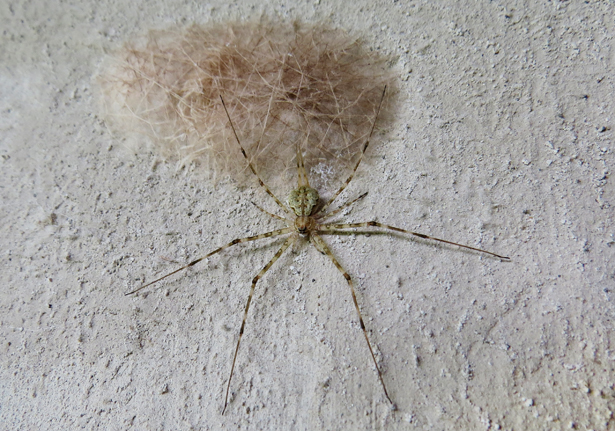
Oecobioidea is a superfamily of spiders within the infraorder Araneomorphae (Order Araneae). Members of this superfamily are generally small, cryptic spiders adapted to life on hard surfaces such as rocks, tree bark, and walls of buildings. Oecobioidea has a worldwide distribution, with species occurring in tropical, subtropical, and temperate regions, often in dry or sheltered microhabitats.
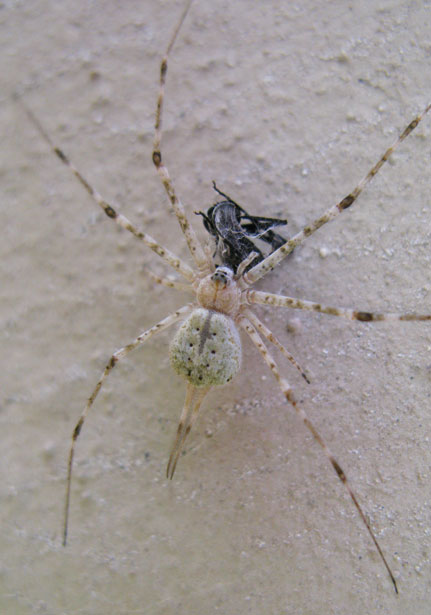
Spiders of the superfamily Oecobioidea are typically small and flattened, with compact bodies that allow them to hide in crevices and narrow spaces. The cephalothorax is low and broad, and the abdomen is oval to rounded. Coloration is usually subdued, consisting of grays, browns, and pale tones that provide camouflage against stone, bark, or plaster surfaces. Legs are relatively short to moderate in length and adapted for quick, agile movements.
Morphologically, Oecobioidea are characterized by features such as a distinctive arrangement of spinnerets and specialized silk glands used to produce cribellate or non-cribellate silk, depending on the family. The eyes are typically arranged in two compact rows, and the chelicerae and mouthparts are suited for capturing small arthropod prey. Male palpal organs and female genital structures provide the primary diagnostic characters for distinguishing families and species within the superfamily.
Behaviorally, many Oecobioidea species exhibit unique hunting strategies. Some are active hunters that use silk to immobilize prey by rapidly encircling it, while others rely on small, irregular webs or retreats rather than large capture webs. Several species are well adapted to living in close association with humans and are frequently found on walls and ceilings of buildings.
Ecologically, Oecobioidea spiders play an important role as predators of small insects such as flies, ants, and other arthropods, particularly in dry or structurally complex habitats. The superfamily includes families such as Oecobiidae and related groups, and represents a specialized and ecologically distinct lineage within the araneomorph spiders.