Bali Wildlife
Every Spices Matter


Neopanorpinae is a subfamily within the family Panorpidae (Order Mecoptera), comprising a group of scorpionflies primarily distributed in Asia, especially in East and Southeast Asia. Members of this subfamily are typically associated with moist, forested environments such as mountainous regions, shaded valleys, and areas with abundant leaf litter and vegetation.
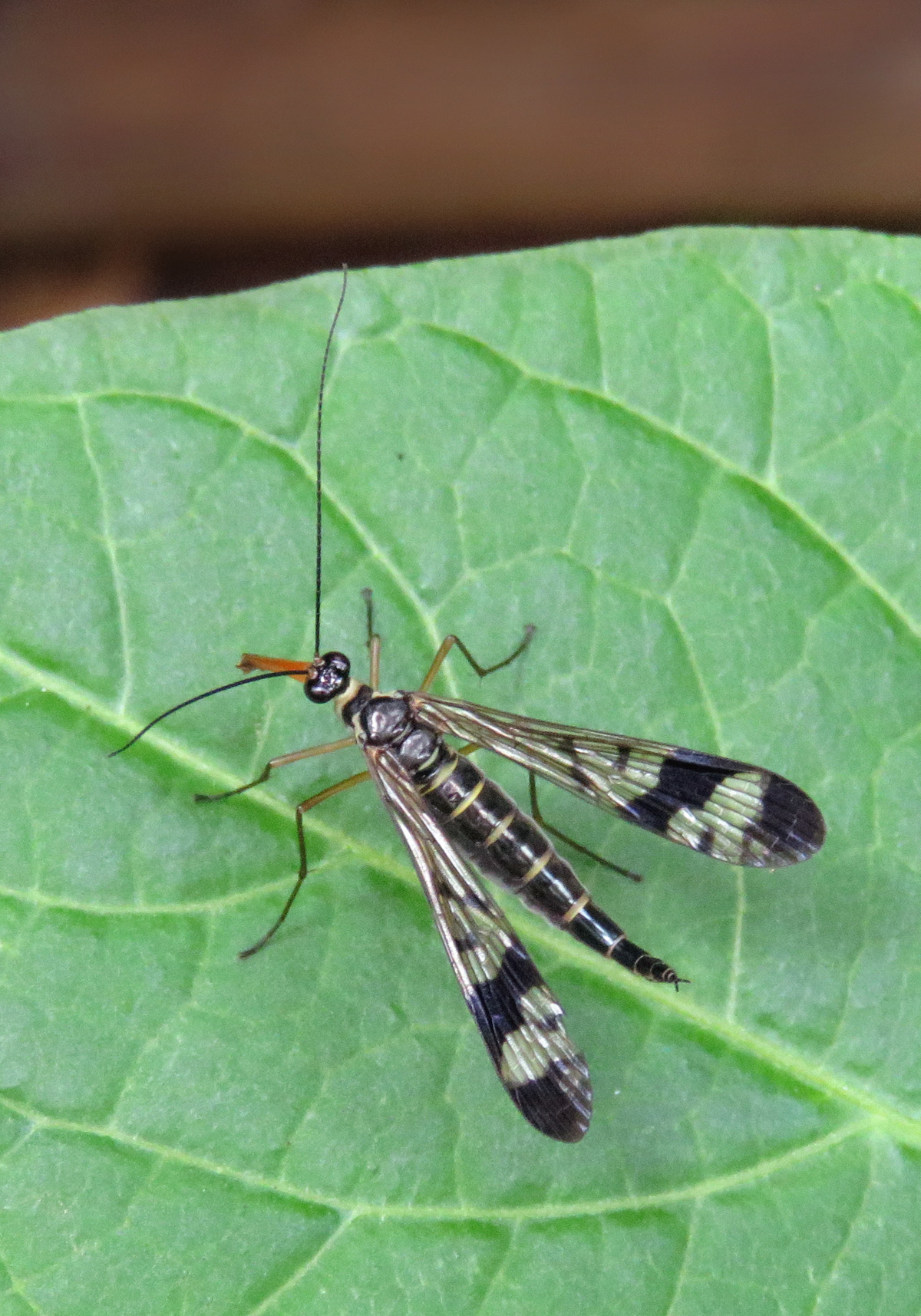
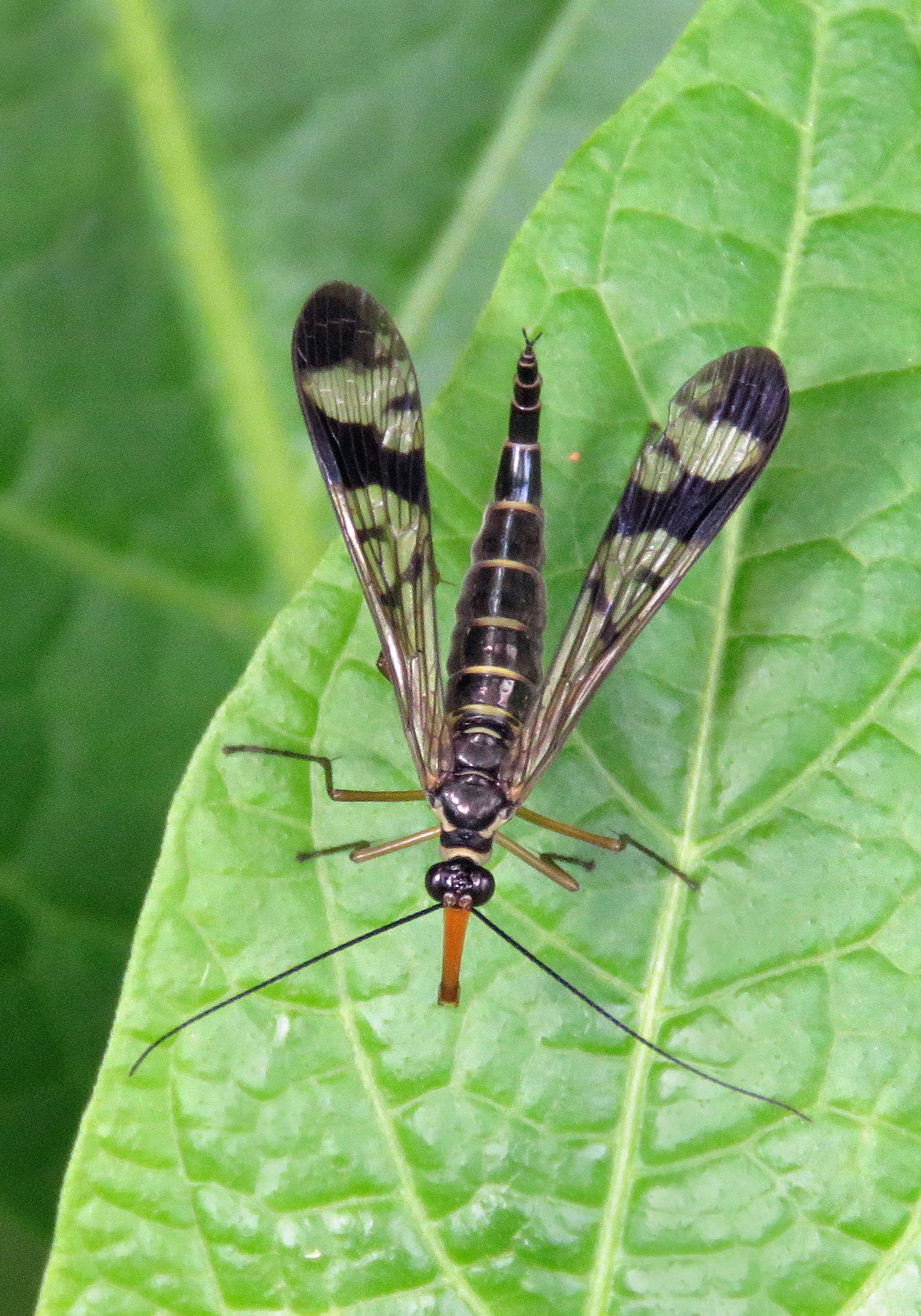
Scorpionflies of the subfamily Neopanorpinae are generally small to medium-sized insects with a slender body. Like other panorpids, they possess an elongated head forming a beak-like rostrum with chewing mouthparts. The head also features large compound eyes and long, filamentous antennae.
The wings are membranous with a complex network of veins and often display distinct patterns such as spots or bands. These wings are typically held roof-like over the body when at rest. Males often exhibit the characteristic upward-curved abdomen resembling a scorpion’s tail, although it is harmless and used primarily in mating.
The life cycle involves complete metamorphosis. Larvae are caterpillar-like and typically inhabit soil or leaf litter, where they feed on decaying organic material or plant matter. Pupation occurs within the soil.
Adults are mainly scavengers, feeding on dead insects, decaying organic matter, and occasionally plant fluids or nectar. Their behavior often includes resting on vegetation or moving slowly through leaf litter in shaded habitats.
The subfamily includes genera such as Neopanorpa, which are among the most studied representatives due to their diversity and distribution in Asian regions.
Ecologically, Neopanorpinae plays a role in decomposition and nutrient cycling by feeding on organic matter. They also contribute to forest ecosystem dynamics as part of the detritivore community and as prey for other organisms. Their diversity and habitat specialization make them an important component of forest biodiversity.