Bali Wildlife
Every Spices Matter


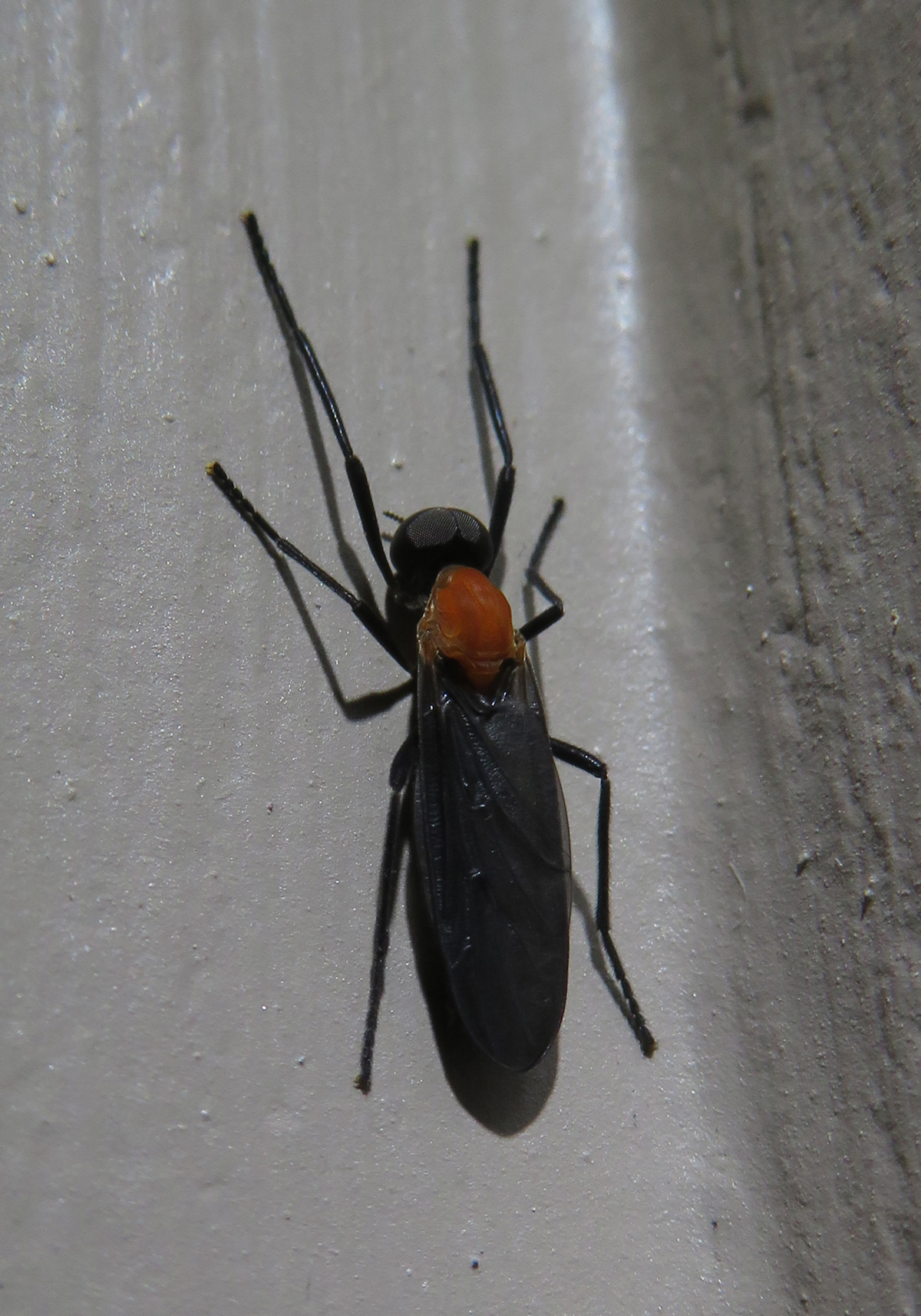
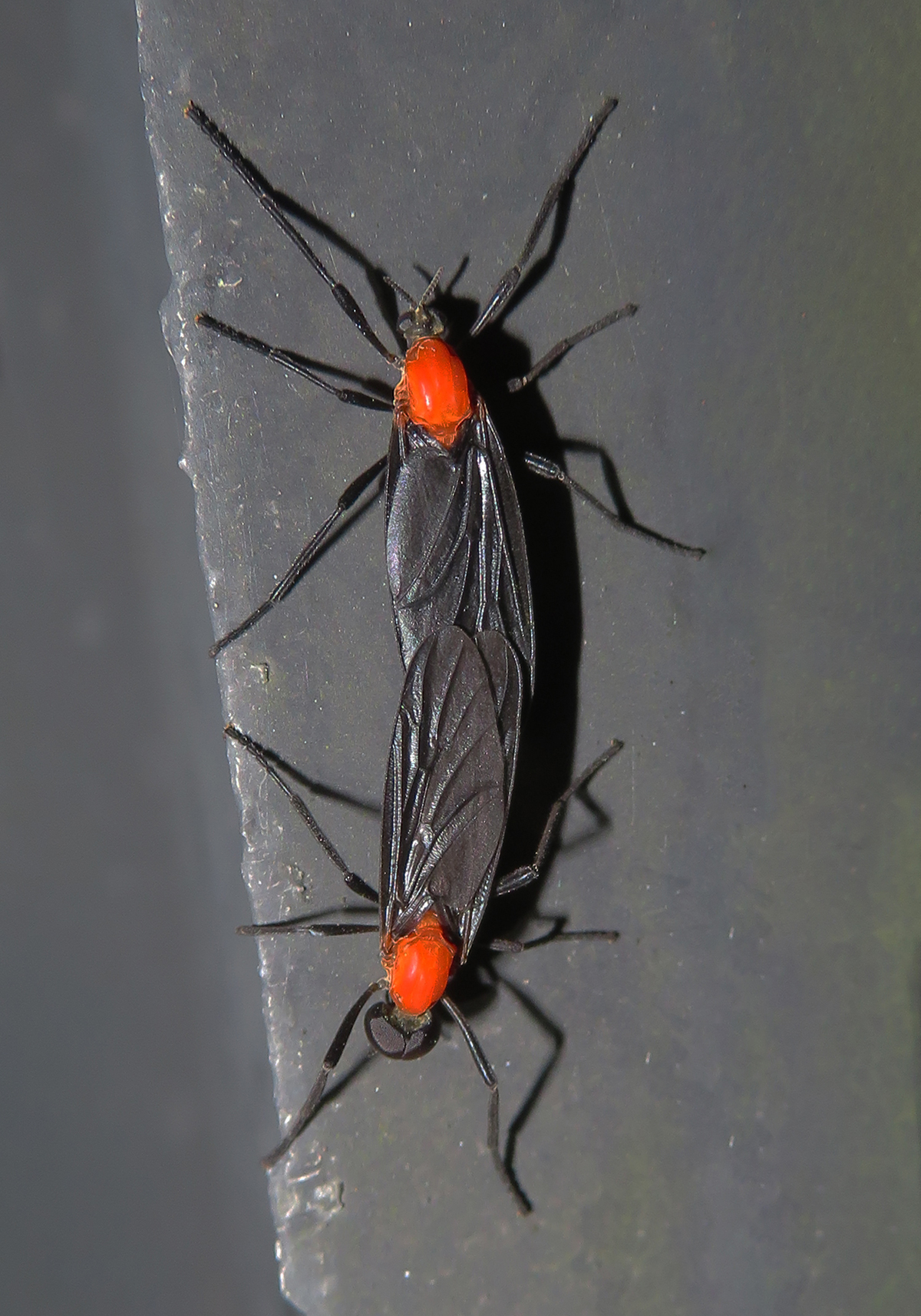
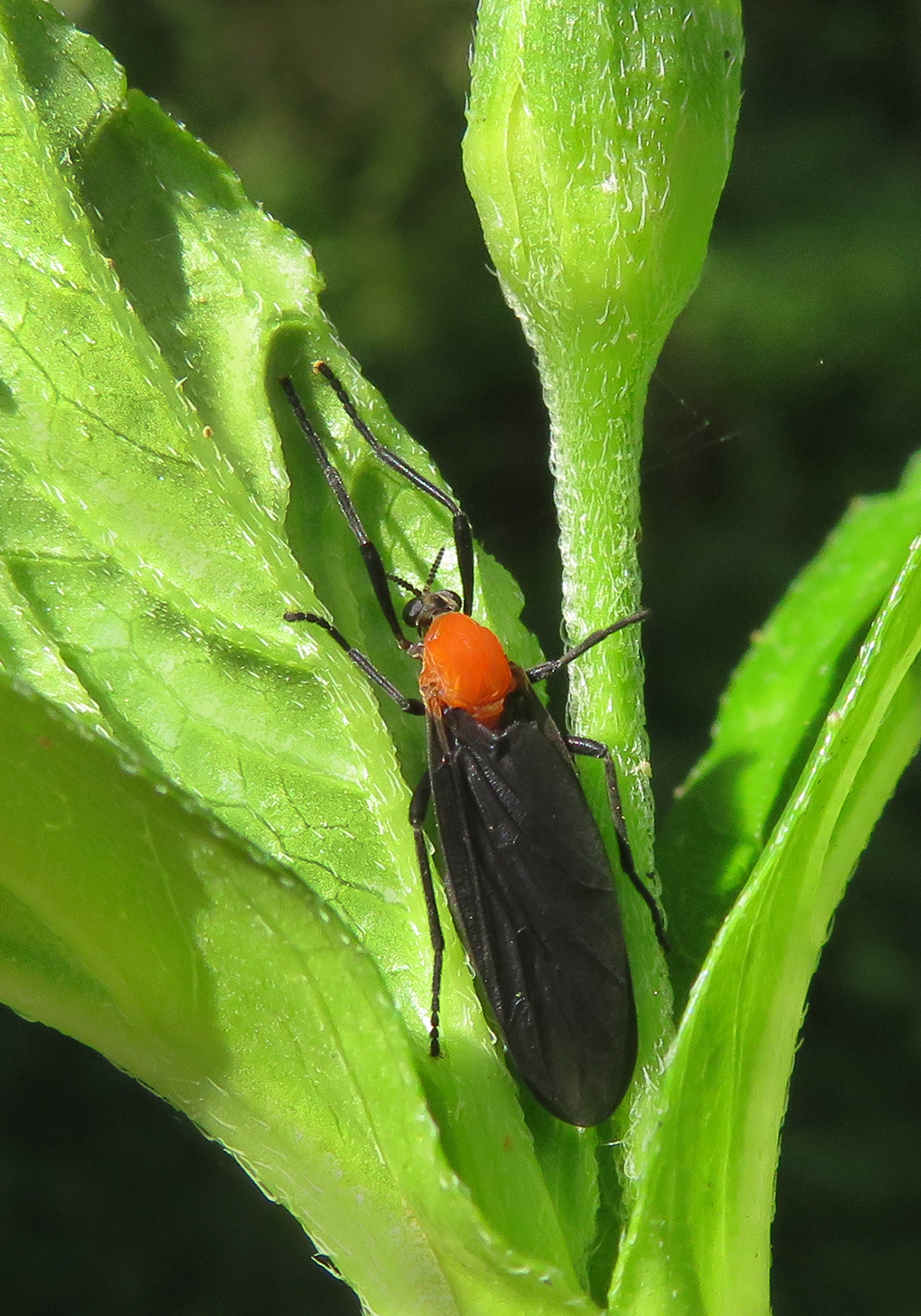
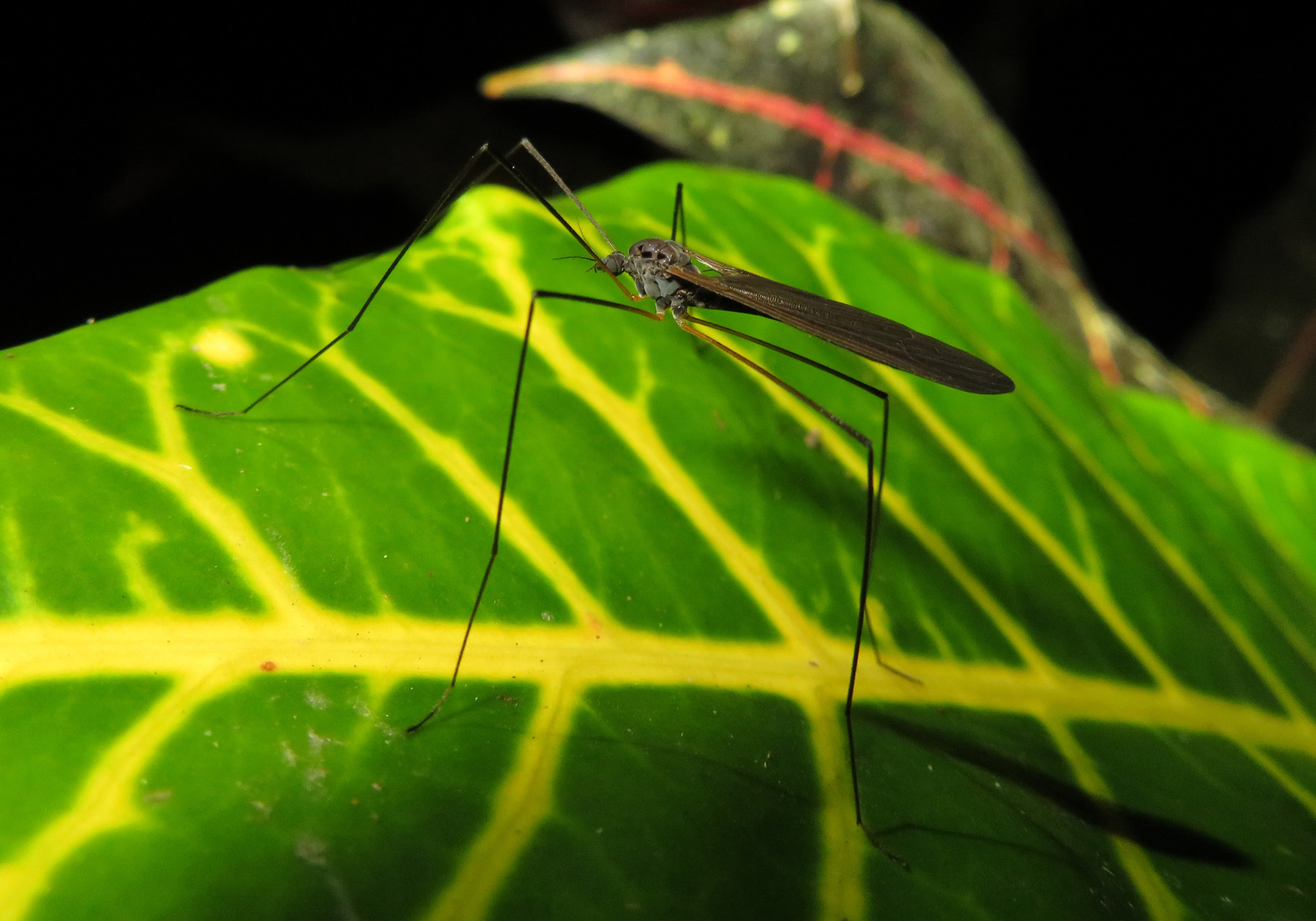
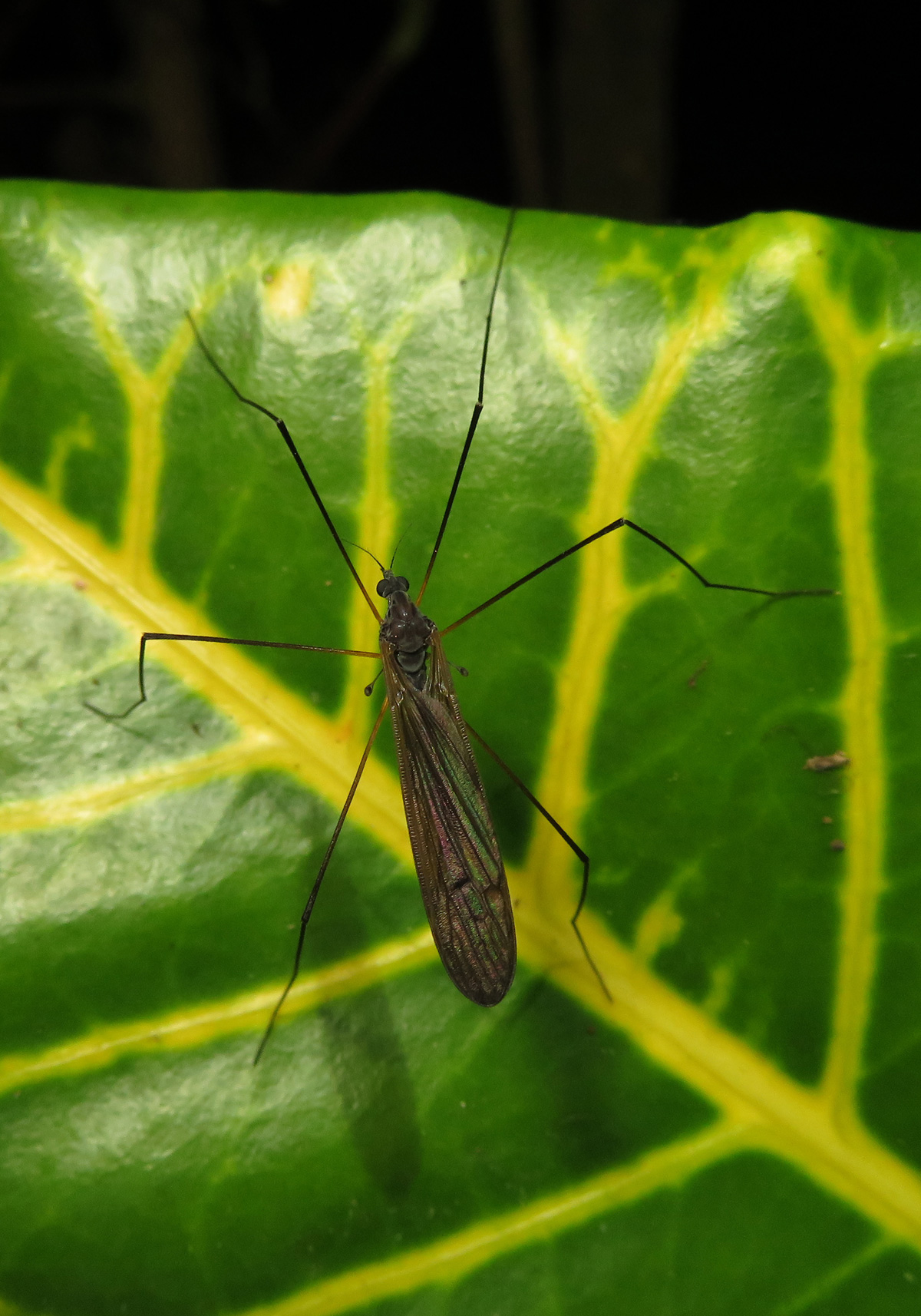
Nematocera is a traditional suborder within the order Diptera (true flies), comprising a diverse assemblage of insects commonly known as long-horned flies. This group includes mosquitoes, crane flies, midges, and gnats. Members of Nematocera are distributed worldwide and are especially abundant in moist environments such as wetlands, forests, freshwater habitats, and areas with high humidity.
Nematocerous flies are typically characterized by their slender, delicate bodies and long, multi-segmented antennae, which often have more than six segments and may be feathery or filamentous. This feature distinguishes them from the short, three-segmented antennae of Brachycera. The legs are usually long and thin, and the wings are narrow and membranous, often held flat or slightly angled over the body at rest.
The head is relatively small, with well-developed compound eyes. Mouthparts vary depending on feeding habits and may be adapted for piercing and sucking (as in mosquitoes) or for non-biting feeding on nectar or organic matter.
Nematocera undergo complete metamorphosis, with egg, larval, pupal, and adult stages. Larvae are typically elongate and may have a well-developed head capsule. They inhabit a wide range of environments, including aquatic habitats, moist soil, decaying organic matter, fungi, or plant tissues.
The suborder includes several important families, such as Culicidae (mosquitoes), Tipulidae (crane flies), Chironomidae (non-biting midges), and Sciaridae (fungus gnats). These families exhibit a wide range of ecological roles and behaviors.
Ecologically, Nematocera play significant roles in ecosystems. Many species are important in nutrient cycling, particularly through the decomposition of organic material in aquatic and terrestrial habitats. Some serve as food for other animals, including fish, birds, and other insects. However, certain groups, especially mosquitoes, are of major medical importance as vectors of diseases such as malaria, dengue, and other pathogens.