Bali Wildlife
Every Spices Matter


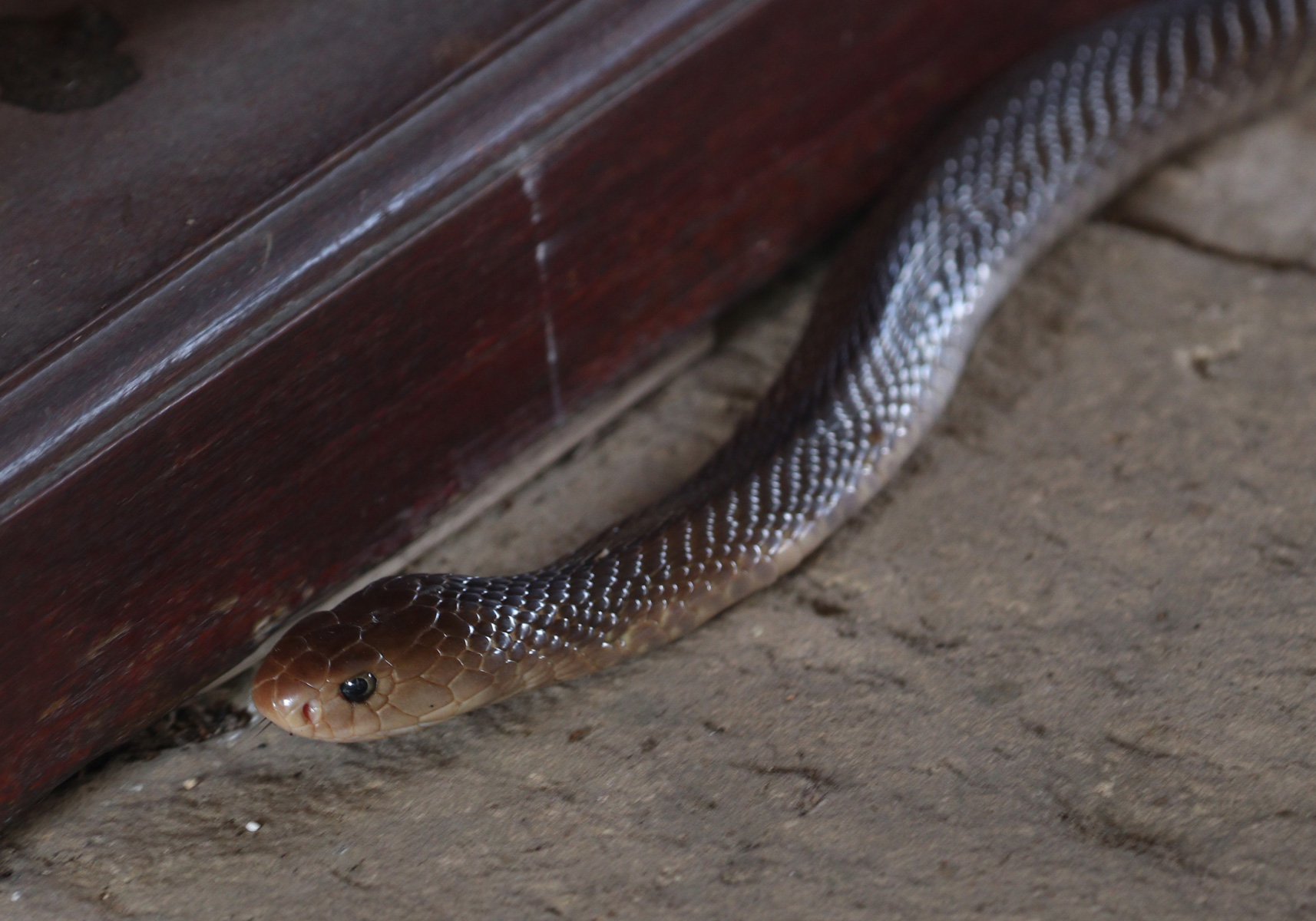
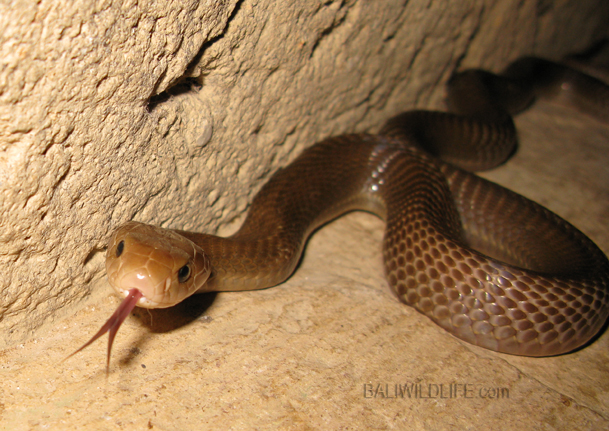
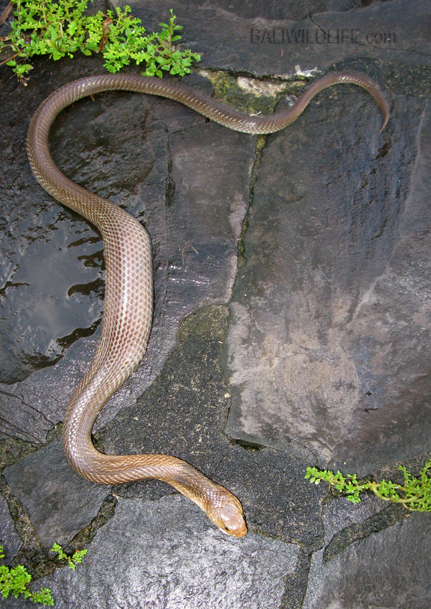
Naja is a genus of venomous snakes within the family Elapidae, commonly known as true cobras. Species in this genus are best recognized by their ability to expand the neck ribs to form a distinctive hood when threatened, a defensive display used to deter predators.
Cobras possess short, fixed front fangs and produce predominantly neurotoxic venom, though some species also contain cytotoxic components that cause local tissue damage. Members of the genus Naja typically have smooth scales, a moderately slender body, and a head that is only slightly distinct from the neck when the hood is not expanded.
Cobras are found across Africa, the Middle East, South Asia, and Southeast Asia, occupying a wide variety of habitats including forests, savannas, grasslands, agricultural areas, and human settlements. Most species are terrestrial, though some may be semi-aquatic.
Diet consists mainly of small vertebrates such as rodents, amphibians, reptiles (including other snakes), birds, and eggs. Several species, known as spitting cobras, can eject venom accurately toward the eyes of a perceived threat as a defensive mechanism.
Ecologically, cobras function as important predators that help regulate prey populations. While generally cautious and non-aggressive, cobras will defend themselves vigorously when threatened, making them medically significant to humans.