Bali Wildlife
Every Spices Matter


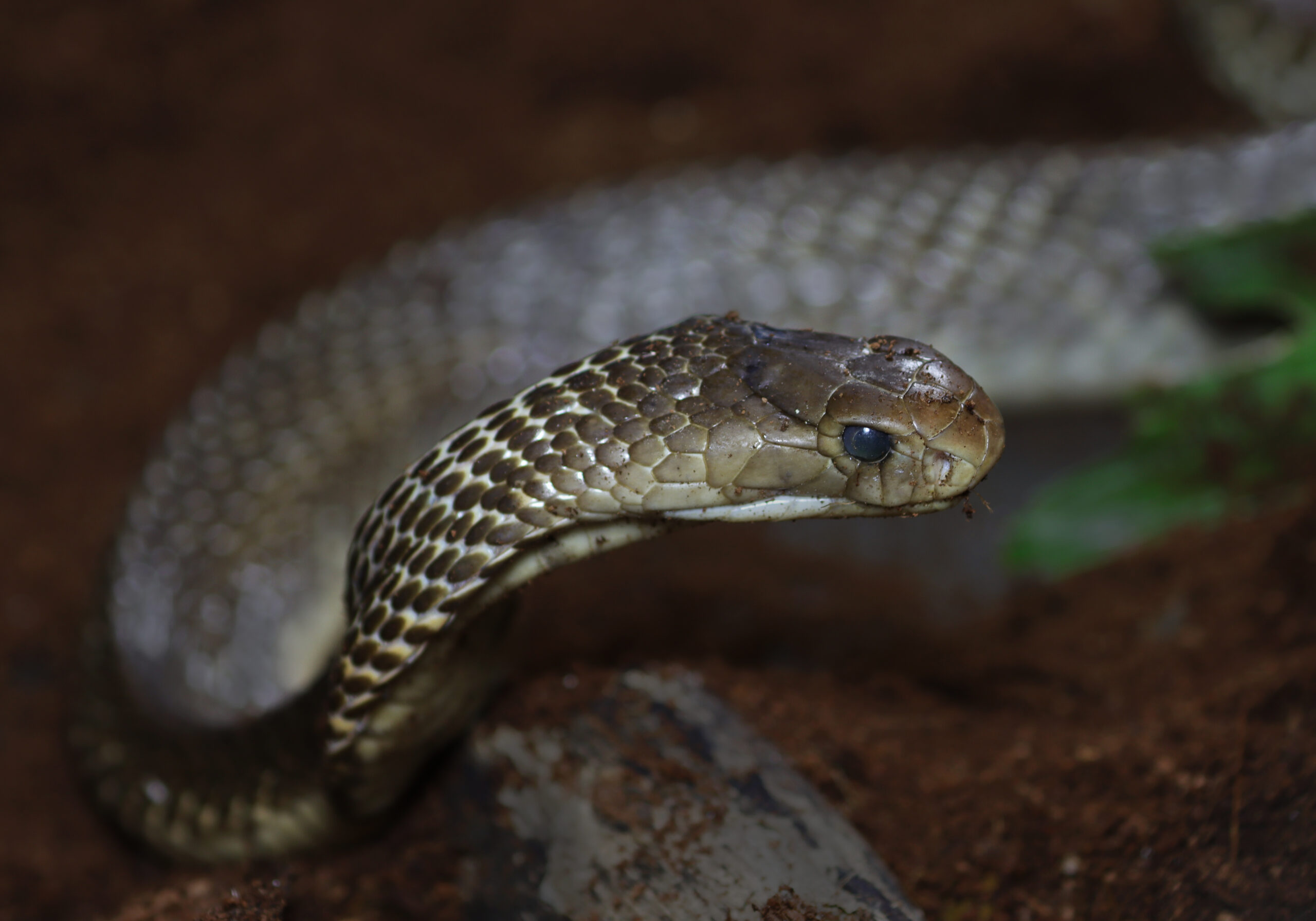
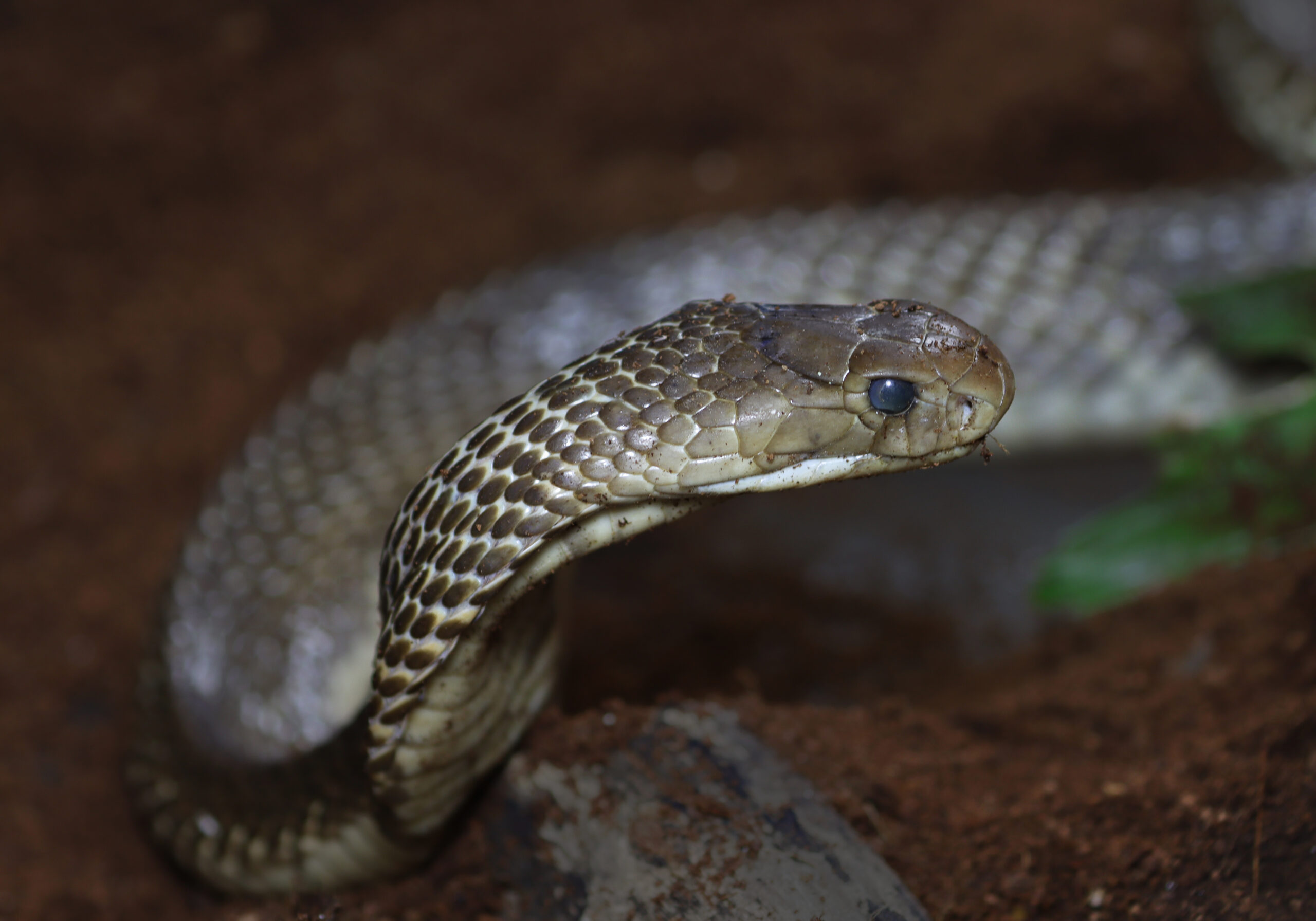
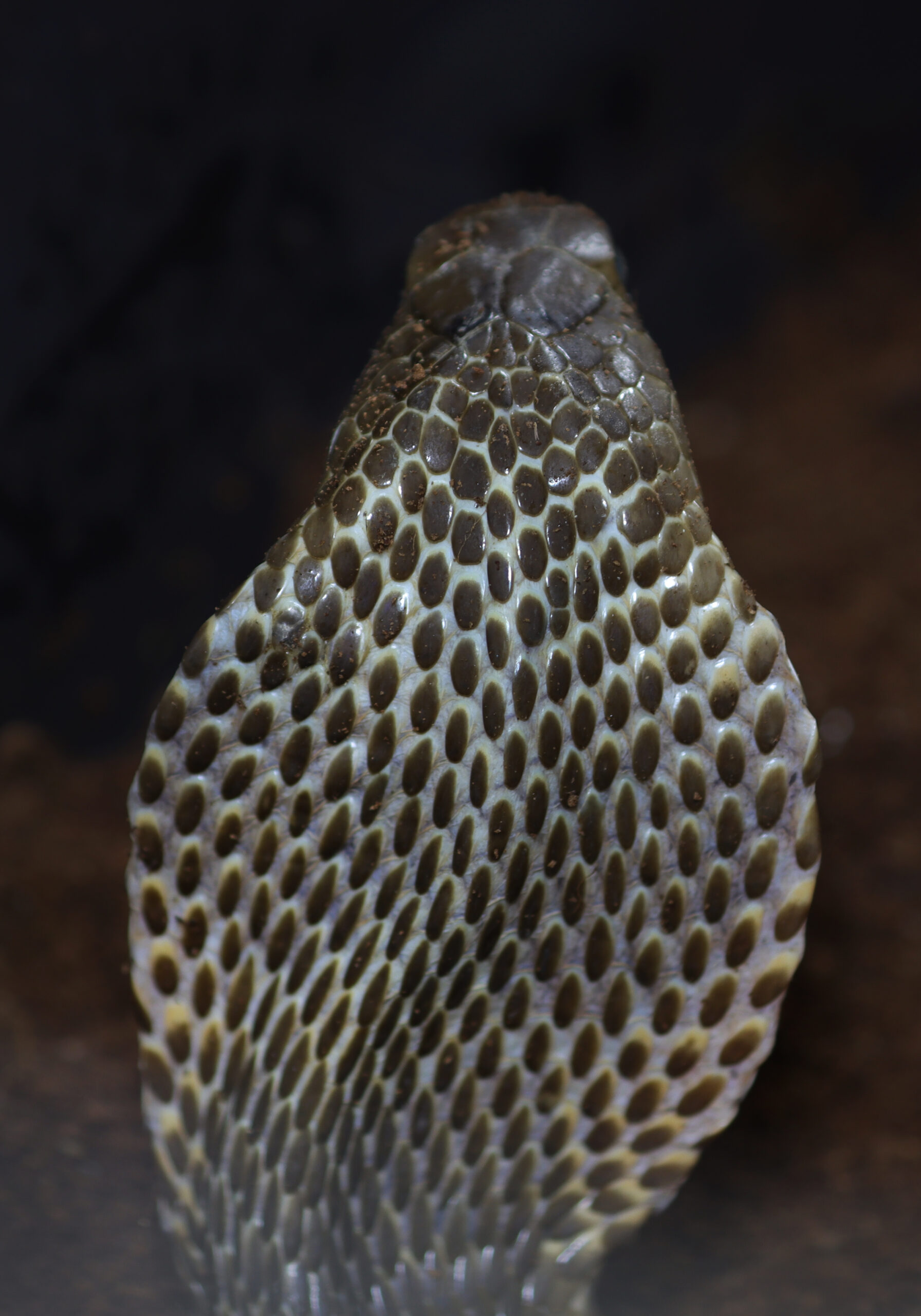
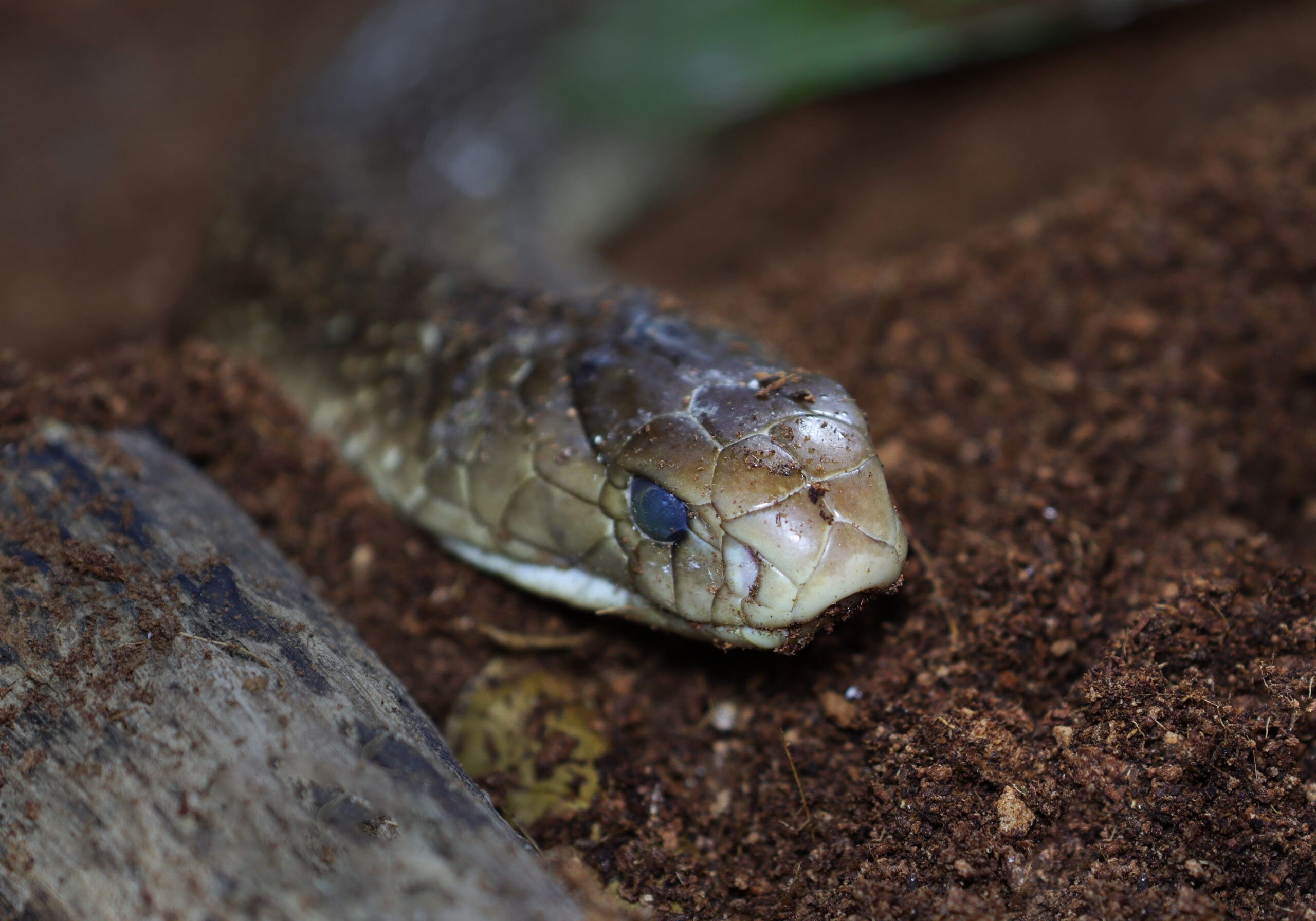
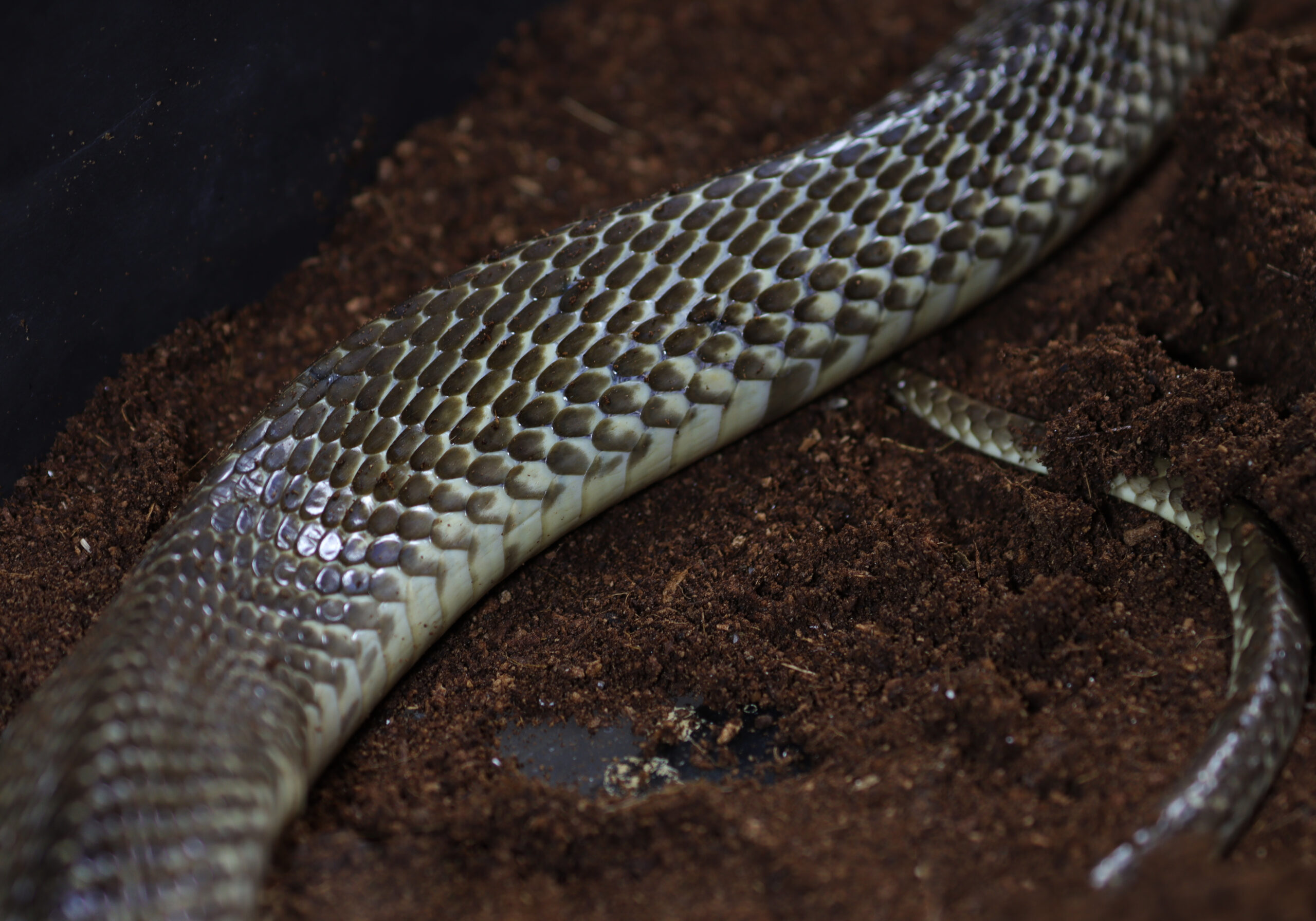
Naja sputatrix is a medium- to large-sized elapid distributed across several islands in Indonesia. Adults commonly reach 1.2–1.5 m in total length, with some individuals surpassing 2 m. Dorsal coloration varies from brown to gray or black, sometimes with faint banding and a lighter ventral surface. Like other Asian spitting cobras, the species possesses modified anterior fangs capable of projecting venom toward the eyes of perceived threats. Defensive displays include hood expansion, elevated anterior body posture, hissing, and venom projection.
This species is native to Java, Bali, Lombok, Sumbawa, Flores, Komodo, Alor, and adjacent smaller islands within the Lesser Sunda region.
Naja sputatrix occupies lowland to mid-elevation habitats, typically from 0–600 m, and up to approximately 700 m in some areas of Bali. It occurs in rainforest, monsoon forest, dry open areas, savanna, and agricultural landscapes. It is adaptable and tolerant of human-modified environments.
The species is both diurnal and nocturnal, exhibiting activity across a wide temporal range. It is primarily terrestrial, though capable of limited arboreal behavior. Defensive behavior is pronounced; when threatened, individuals elevate the forebody, spread the hood, and expel venom toward the eyes of an intruder. Ocular envenomation may result in severe irritation and potential temporary blindness.
Naja sputatrix is a carnivorous generalist. Documented prey includes:
Foraging occurs both during the day and night.
The species is oviparous. Reproduction typically peaks in November. Clutches contain 13–19 eggs, with an incubation period of approximately 88 days. Hatchlings measure 24–28 cm in total length at emergence and are fully independent at birth.
The venom is strongly neurotoxic, with potential systemic effects including paralysis and respiratory compromise. The species is also capable of ocular venom spitting, which can cause acute ocular pain and, without treatment, temporary visual impairment.
Although generally defensive rather than actively aggressive, N. sputatrix poses a significant medical risk due to its potent venom and spitting capability. Encounters often occur in agricultural or peri-urban areas where the species persists.
According to the IUCN Red List, Naja sputatrix is categorized as Least Concern due to its wide distribution and adaptability.
Threats include exploitation for the skin trade, which may contribute to localized declines, although the global population is currently considered stable.