Bali Wildlife
Every Spices Matter


Myrmarachnini is a tribe of jumping spiders within the family Salticidae and subfamily Salticinae. The tribe is widely distributed across tropical and subtropical regions of the world, with greatest diversity in South and Southeast Asia, Africa, and Australasia. Members of Myrmarachnini are most commonly found in habitats where ants are abundant, including forests, grasslands, gardens, plantations, and urban environments.
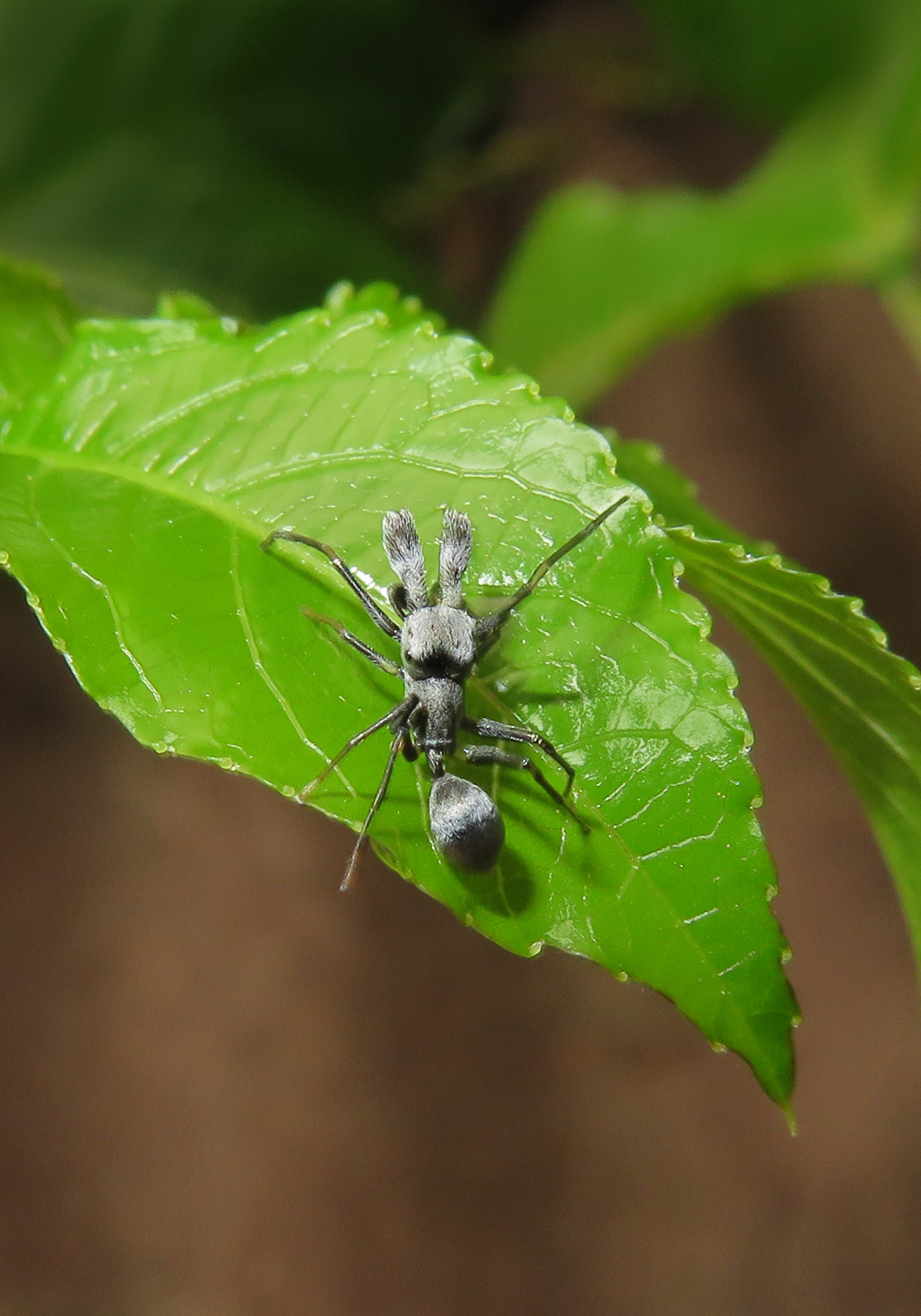
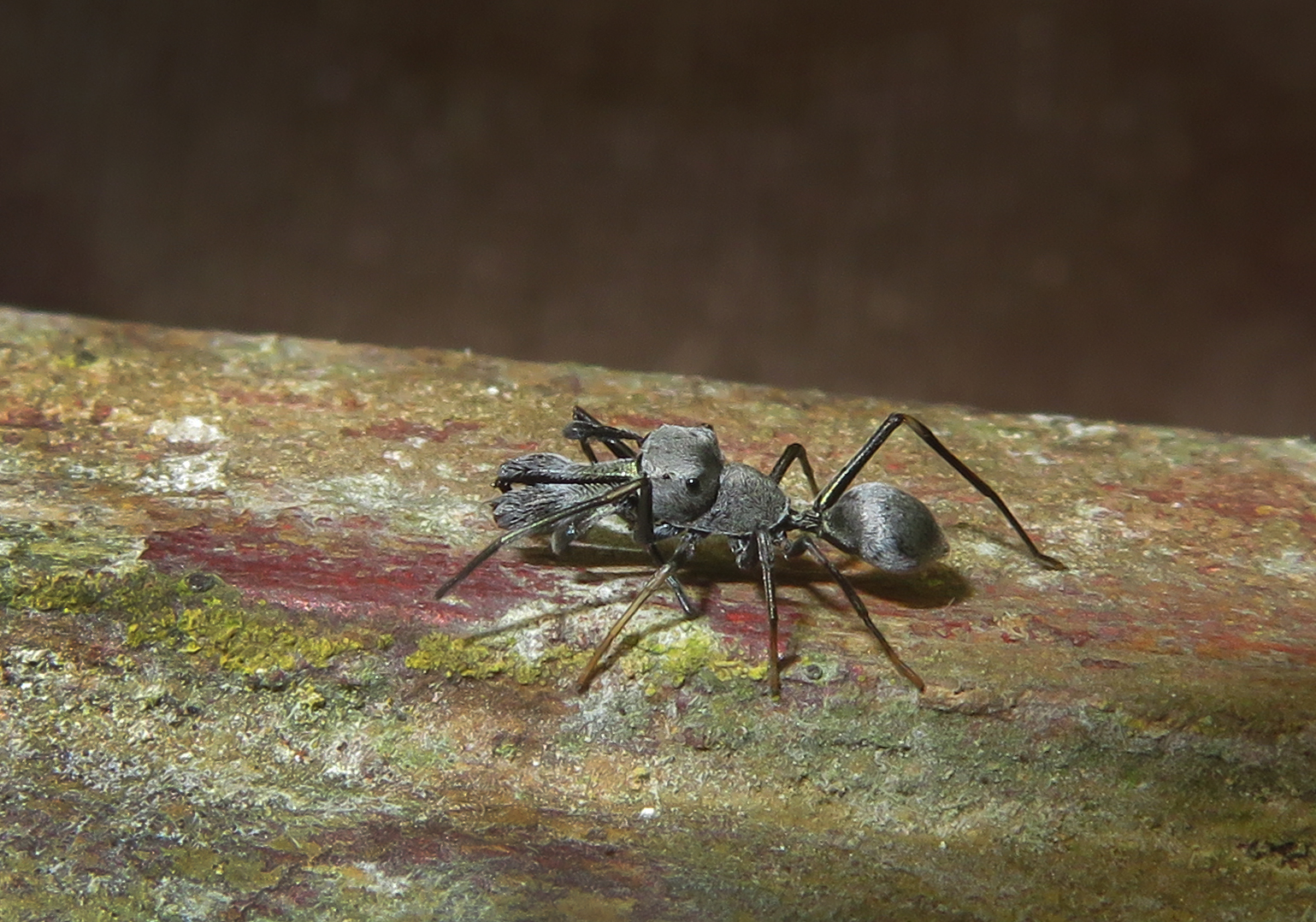
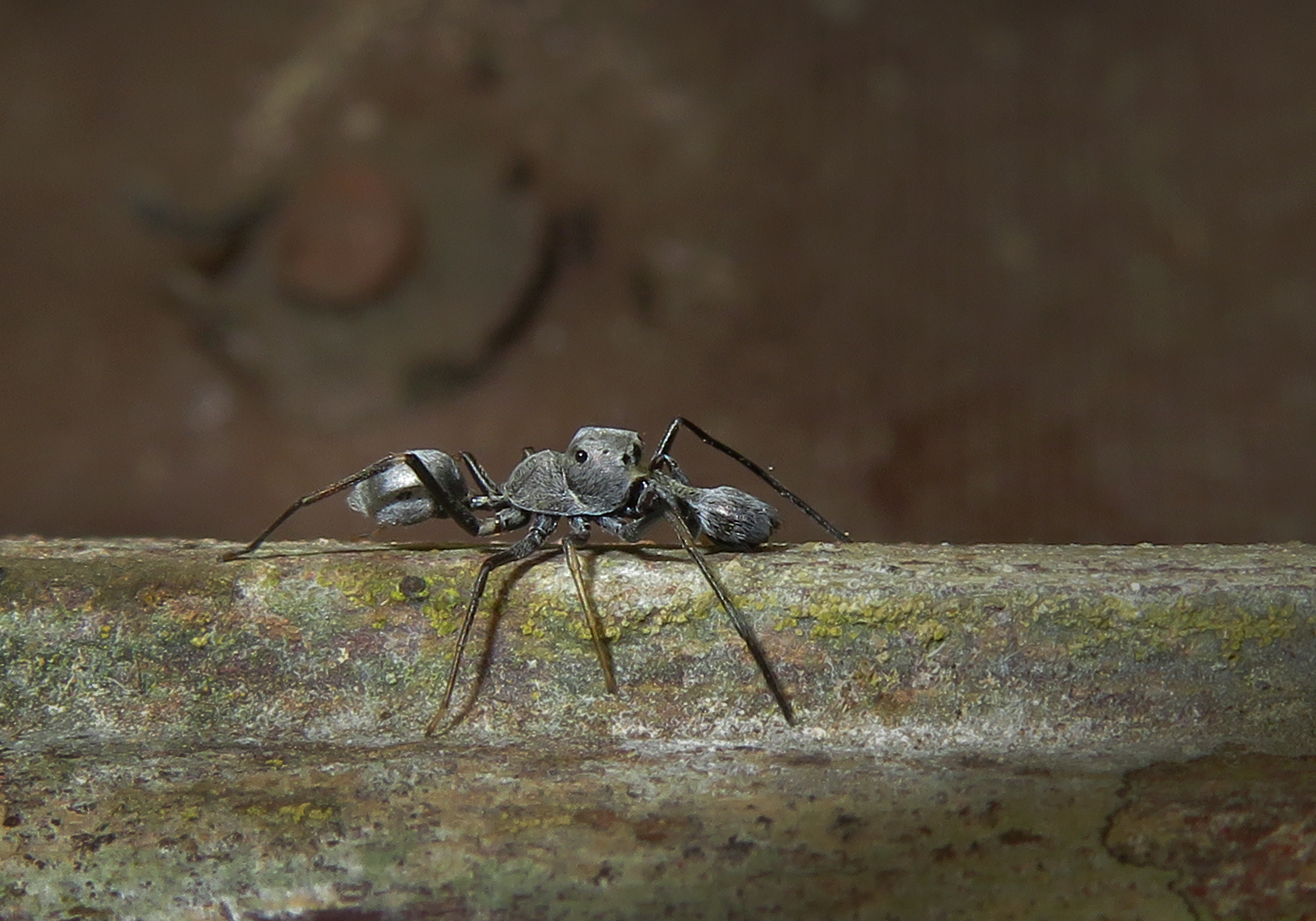
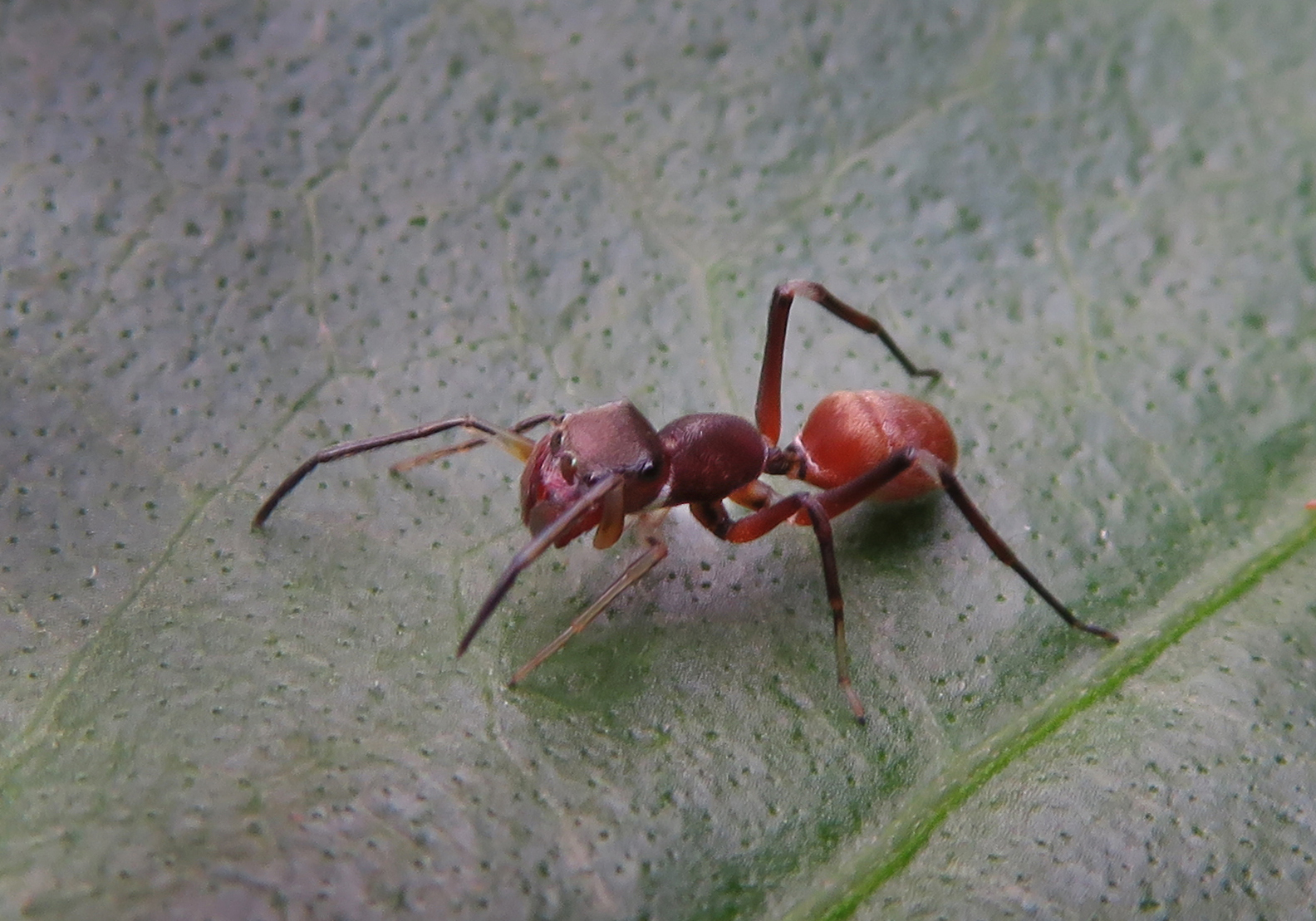
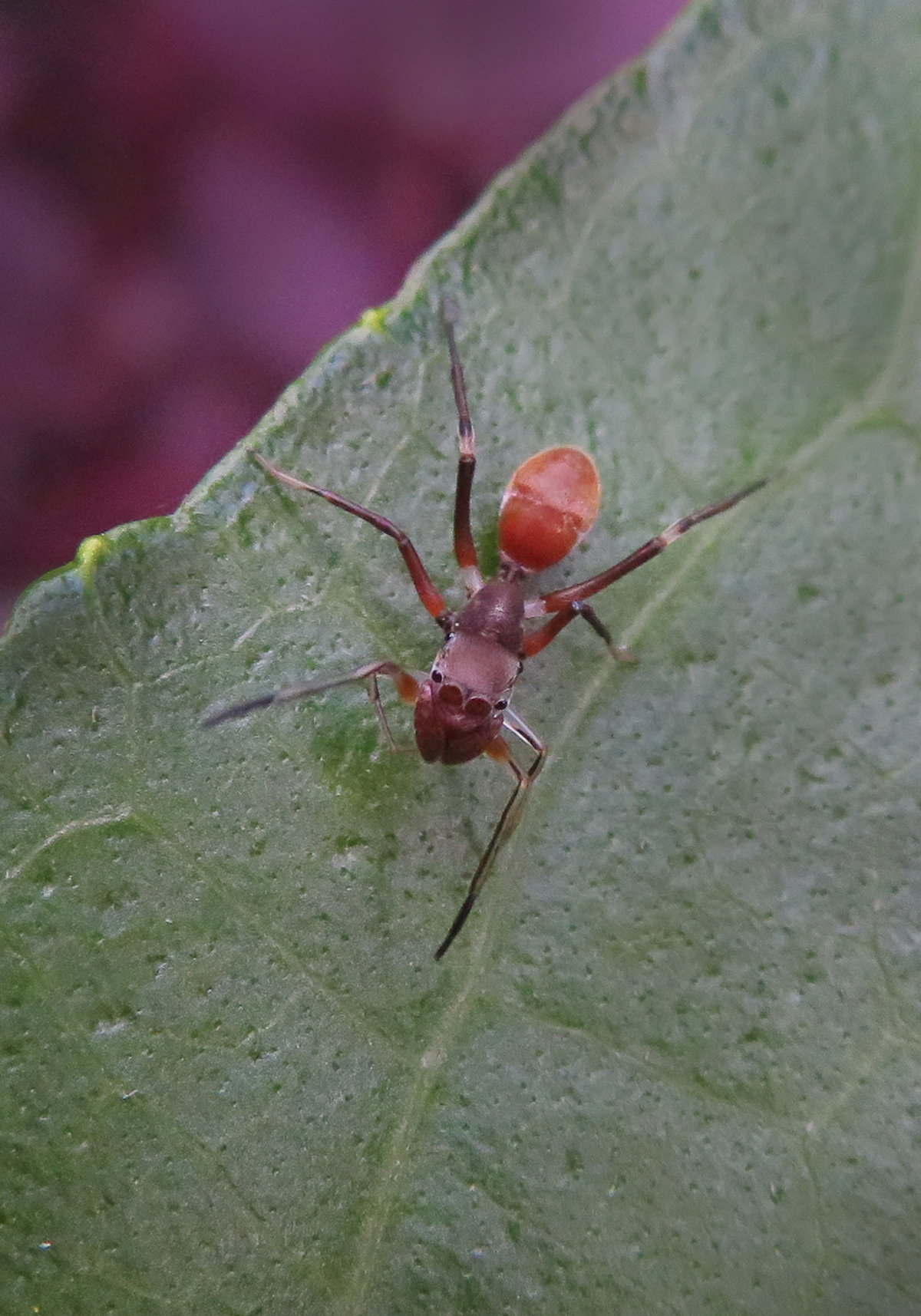
Spiders of the tribe Myrmarachnini are best known for their remarkable ant-mimicking appearance and behavior. Their bodies are typically elongated and constricted, with narrow waists that resemble the segmented form of ants. Coloration often closely matches that of sympatric ant species, including shades of black, brown, red, or orange. The front pair of legs is frequently held aloft and moved in a manner that mimics ant antennae, enhancing the illusion.
Morphologically, Myrmarachnini exhibit numerous adaptations associated with ant mimicry. The cephalothorax is often elongated, the abdomen narrow, and the legs long and slender. Male palpal organs and female epigynes display tribe-specific configurations used for taxonomic identification, though these structures are often more subtle externally due to the ant-like body form. Sexual dimorphism is common, and males of some species possess enlarged chelicerae that resemble mandibles of ants.
Behaviorally, members of Myrmarachnini are active, diurnal hunters that rely on visual cues. Despite their ant-like appearance, they are true jumping spiders and capture prey by stalking and leaping rather than by using webs. Many species live in close proximity to ants, gaining protection from predators through aggressive mimicry, while avoiding direct conflict with the ants themselves.
Ecologically, Myrmarachnini play an important role as predators of small arthropods and are a classic example of evolutionary mimicry and adaptation. The tribe includes well-known genera such as Myrmarachne and related forms and represents one of the most distinctive and intensively studied lineages within the jumping spiders.