Bali Wildlife
Every Spices Matter


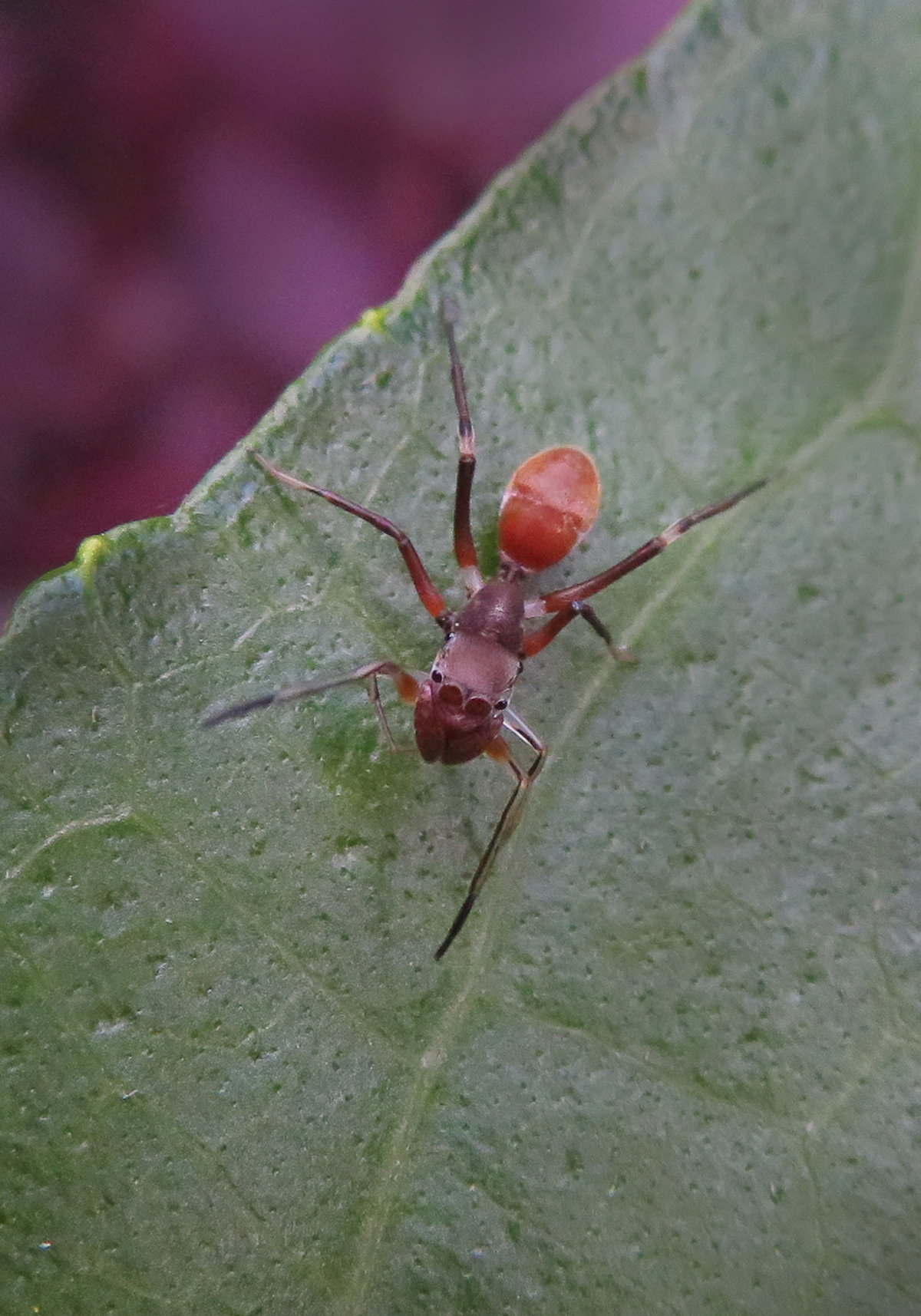
Myrmarachnina is a subtribe of jumping spiders within the family Salticidae, subfamily Salticinae, and tribe Myrmarachnini. The subtribe is widely distributed across tropical and subtropical regions, with its greatest diversity in South and Southeast Asia, Africa, and Australasia. Members of Myrmarachnina are closely associated with ant-rich habitats and are commonly found in forests, grasslands, plantations, gardens, and urban environments.
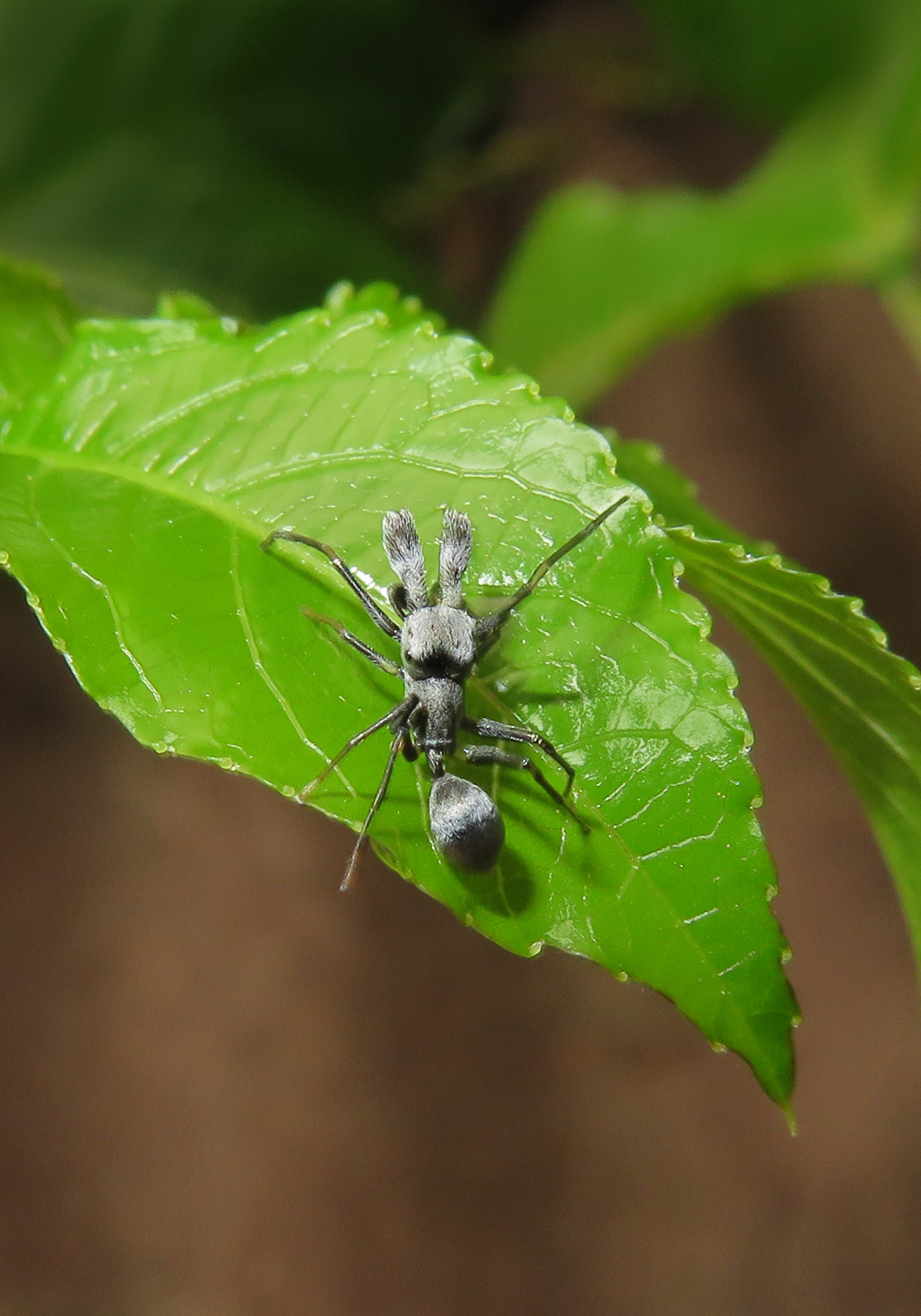
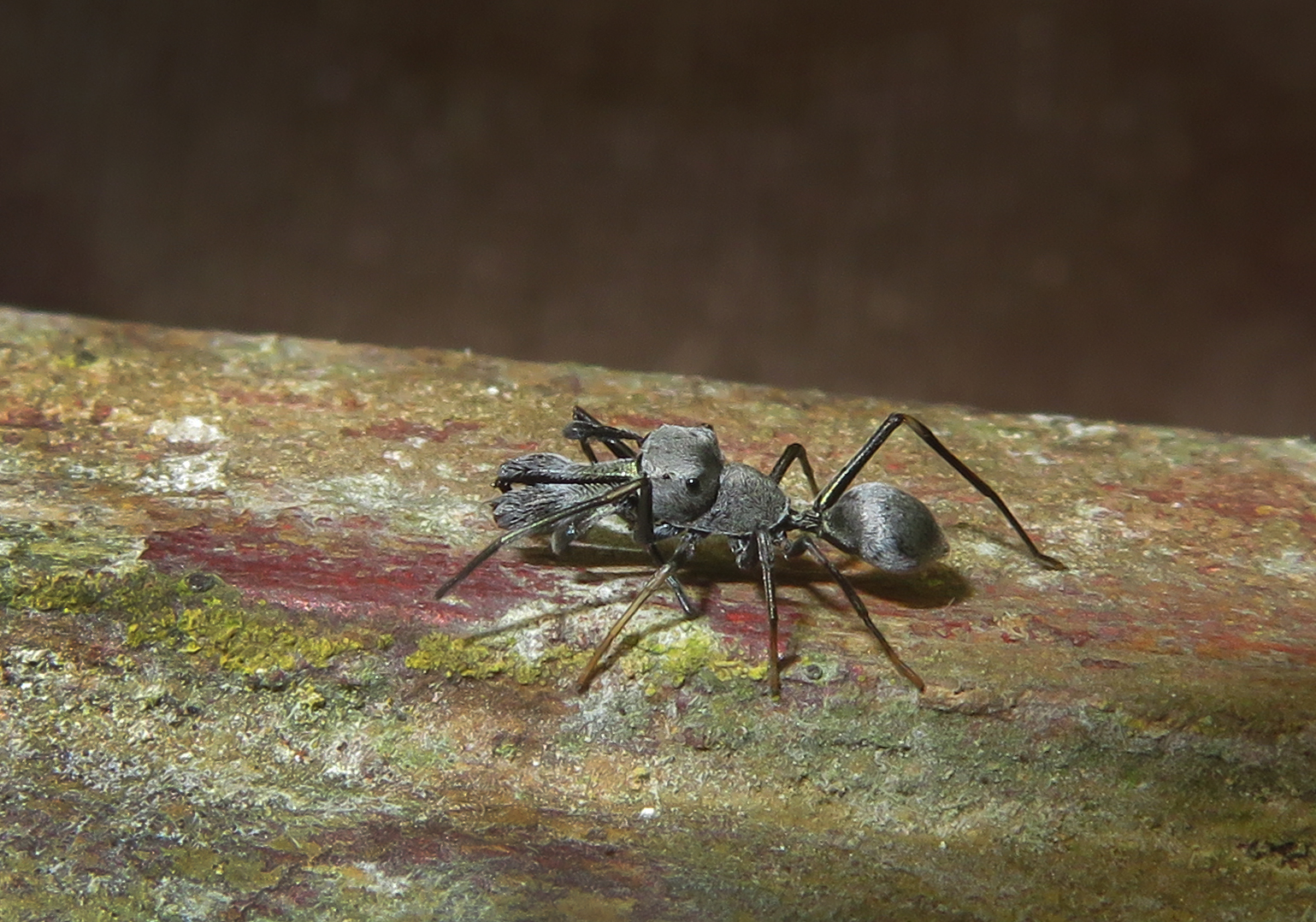
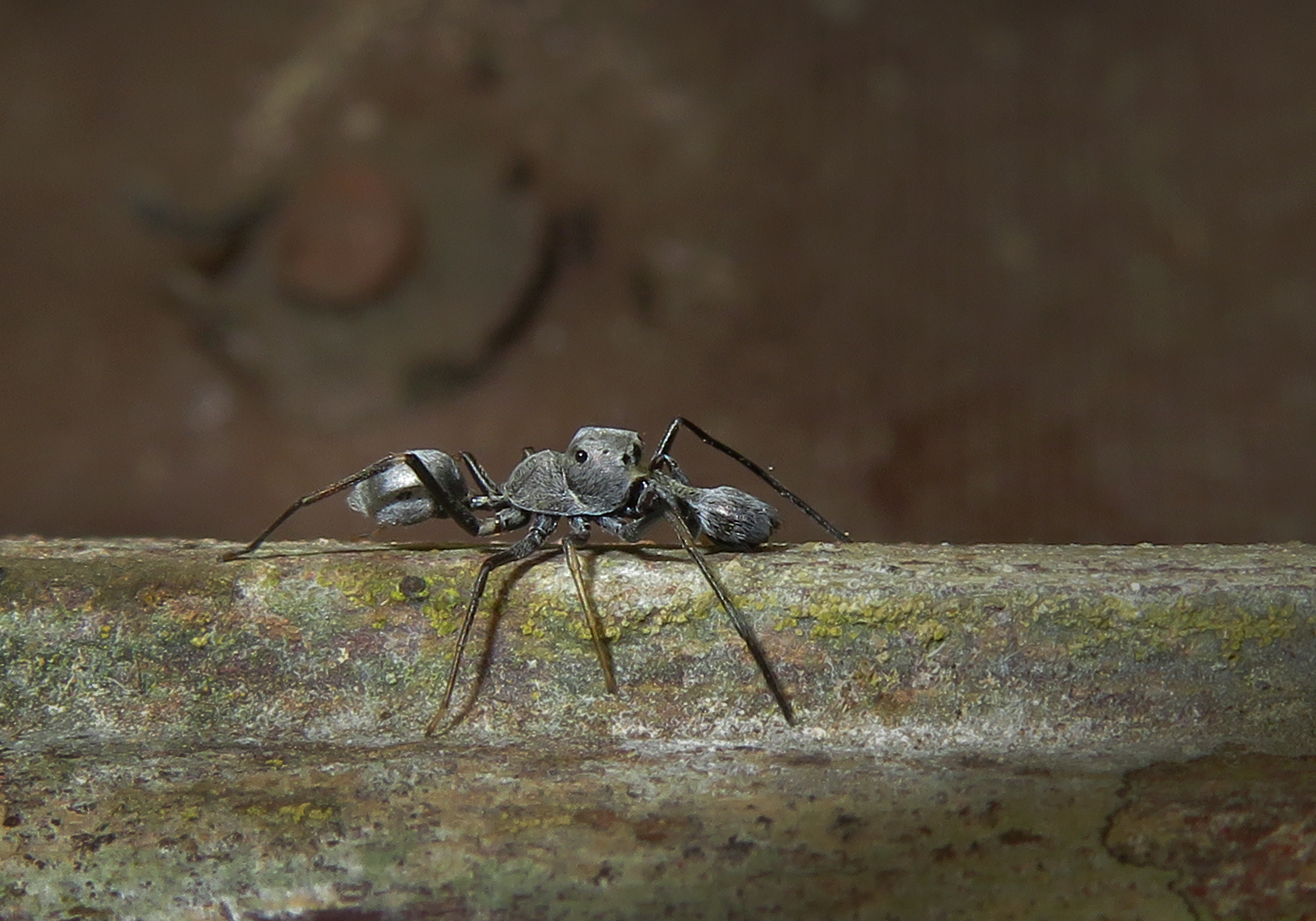
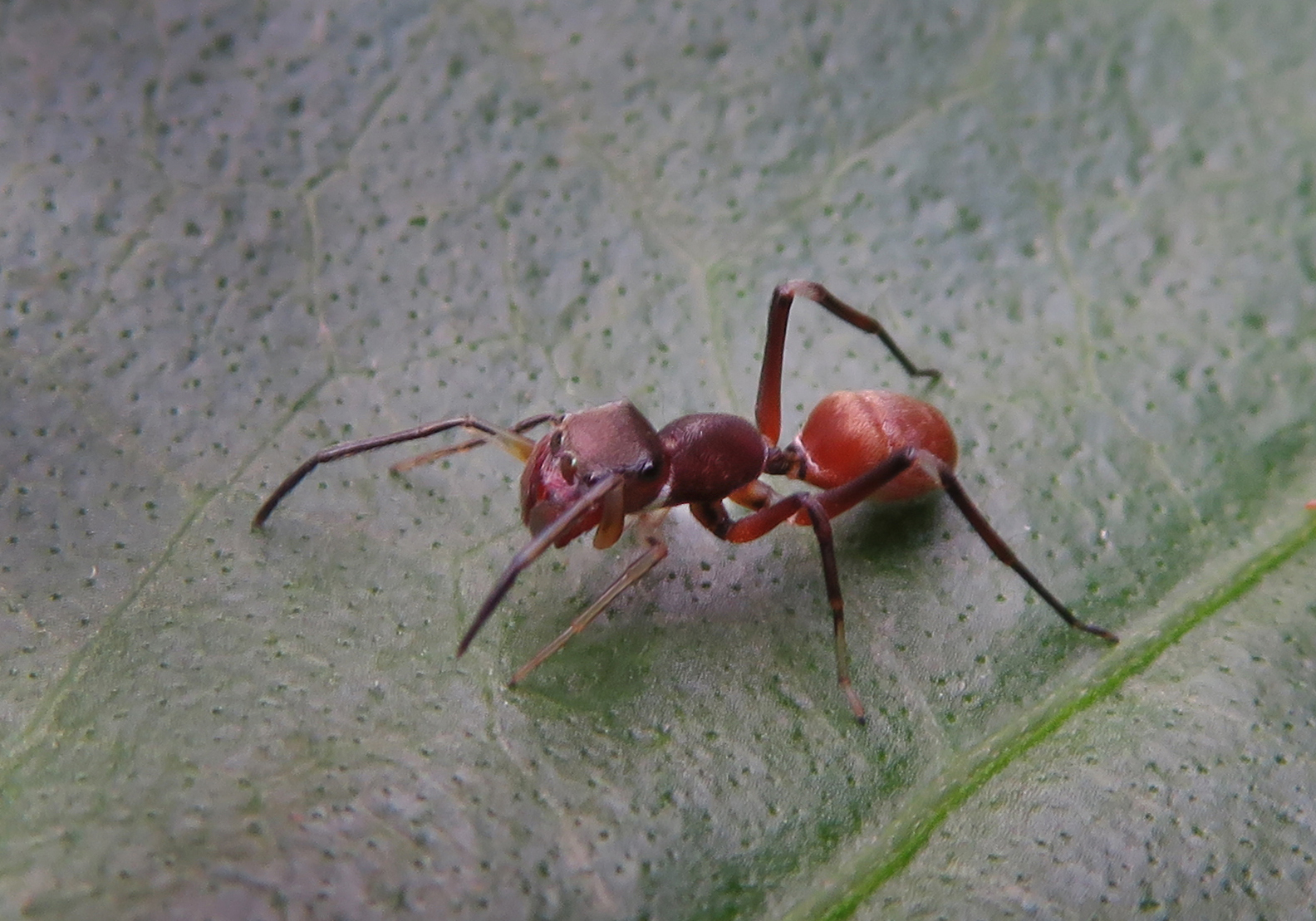
Spiders of the subtribe Myrmarachnina are characterized by their highly specialized ant-mimicking morphology and behavior. The body is typically elongated and narrow, with a constricted waist that gives a segmented, ant-like appearance. Coloration often closely resembles that of local ant species, including black, brown, reddish, or yellowish tones. The first pair of legs is frequently held upright and moved in a way that imitates ant antennae.
Morphologically, Myrmarachnina exhibit numerous adaptations linked to mimicry. The cephalothorax is elongated, the abdomen slender, and the legs long and thin. In many species, males possess enlarged or elongated chelicerae that resemble ant mandibles. Diagnostic characters for identification are found primarily in the structure of the male palpal organs and the female epigyne, although these may be less conspicuous externally due to the ant-like body form.
Behaviorally, members of Myrmarachnina are active, diurnal visual hunters. Despite their close resemblance to ants, they do not live socially and do not cooperate with ants. Instead, they exploit their mimicry to reduce predation risk while hunting small arthropods. Movement patterns, posture, and erratic walking further enhance the ant illusion.
Ecologically, Myrmarachnina spiders are important predators in ecosystems dominated by ants and represent one of the most striking examples of adaptive mimicry among arthropods. The subtribe includes well-known genera such as Myrmarachne and closely related forms and is a key lineage for studies of evolution, behavior, and ecological specialization in jumping spiders.