Bali Wildlife
Every Spices Matter


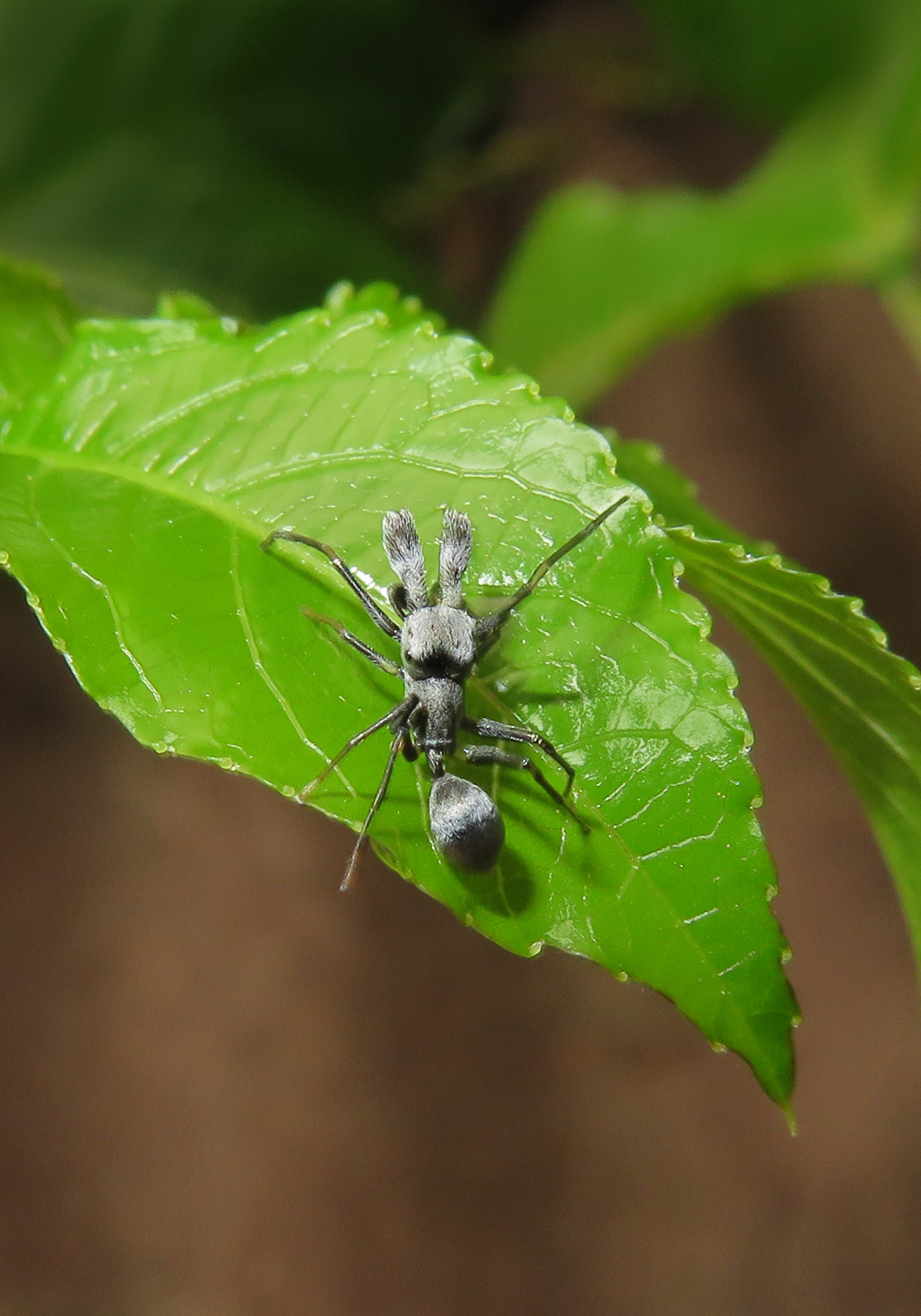
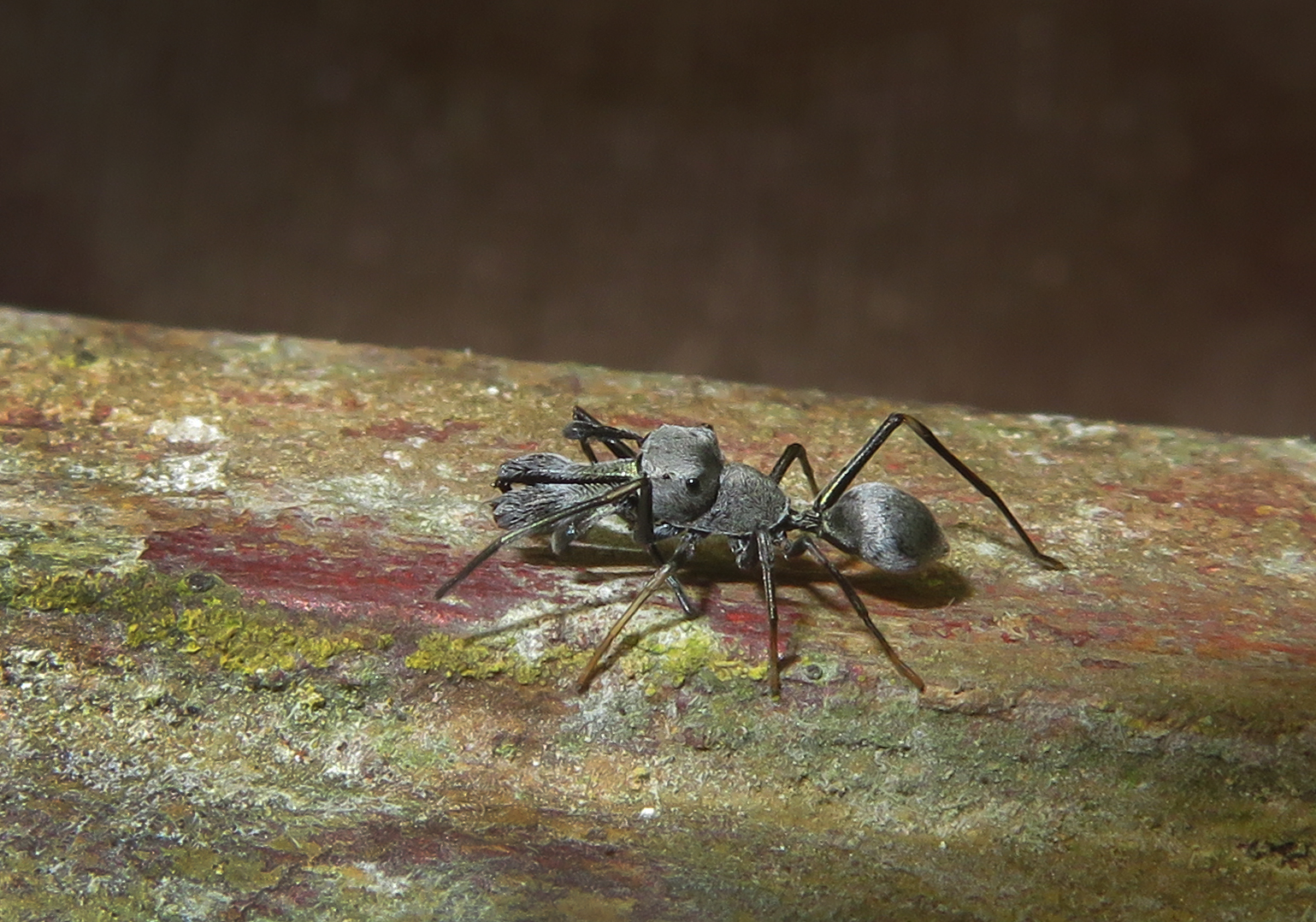
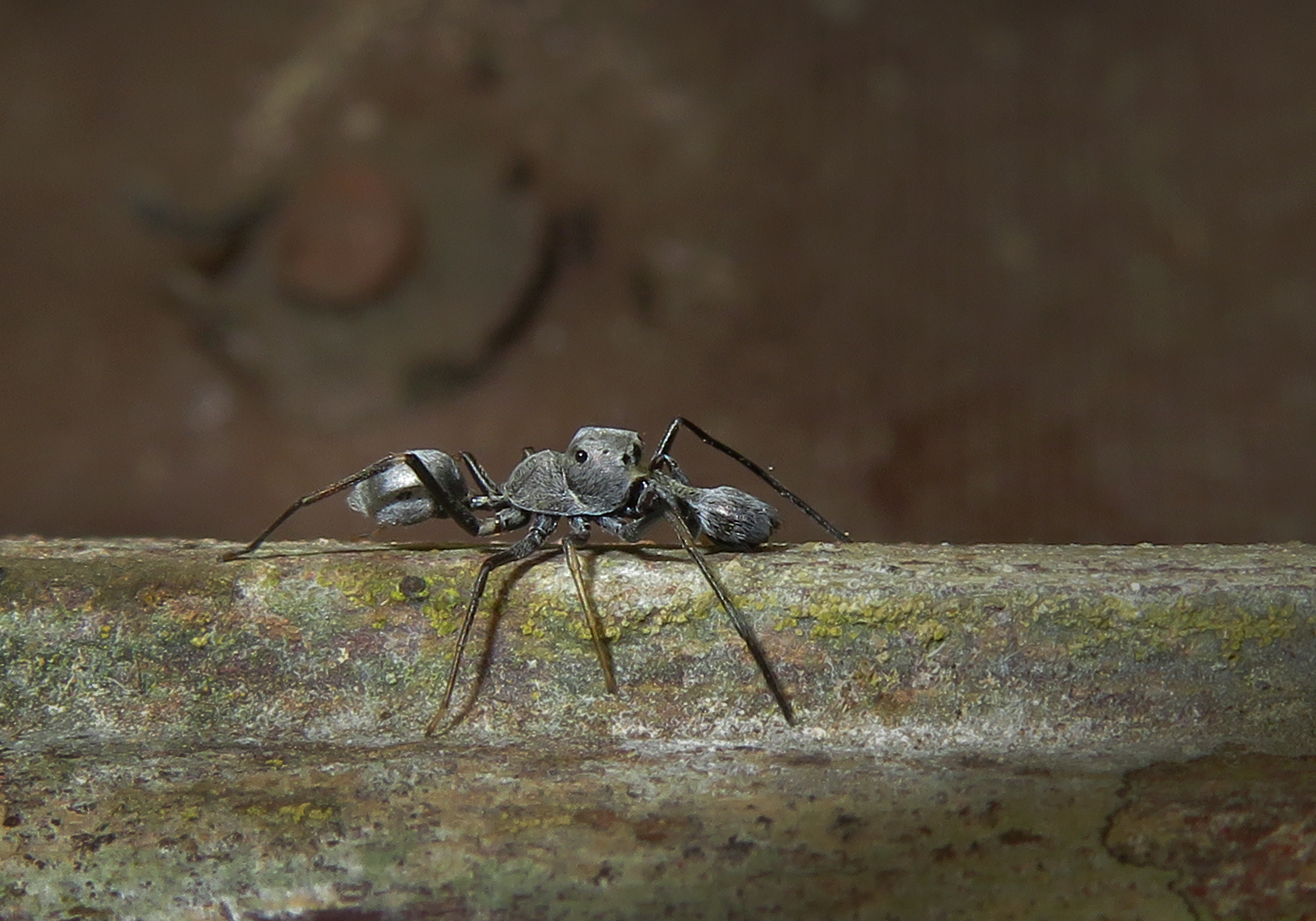
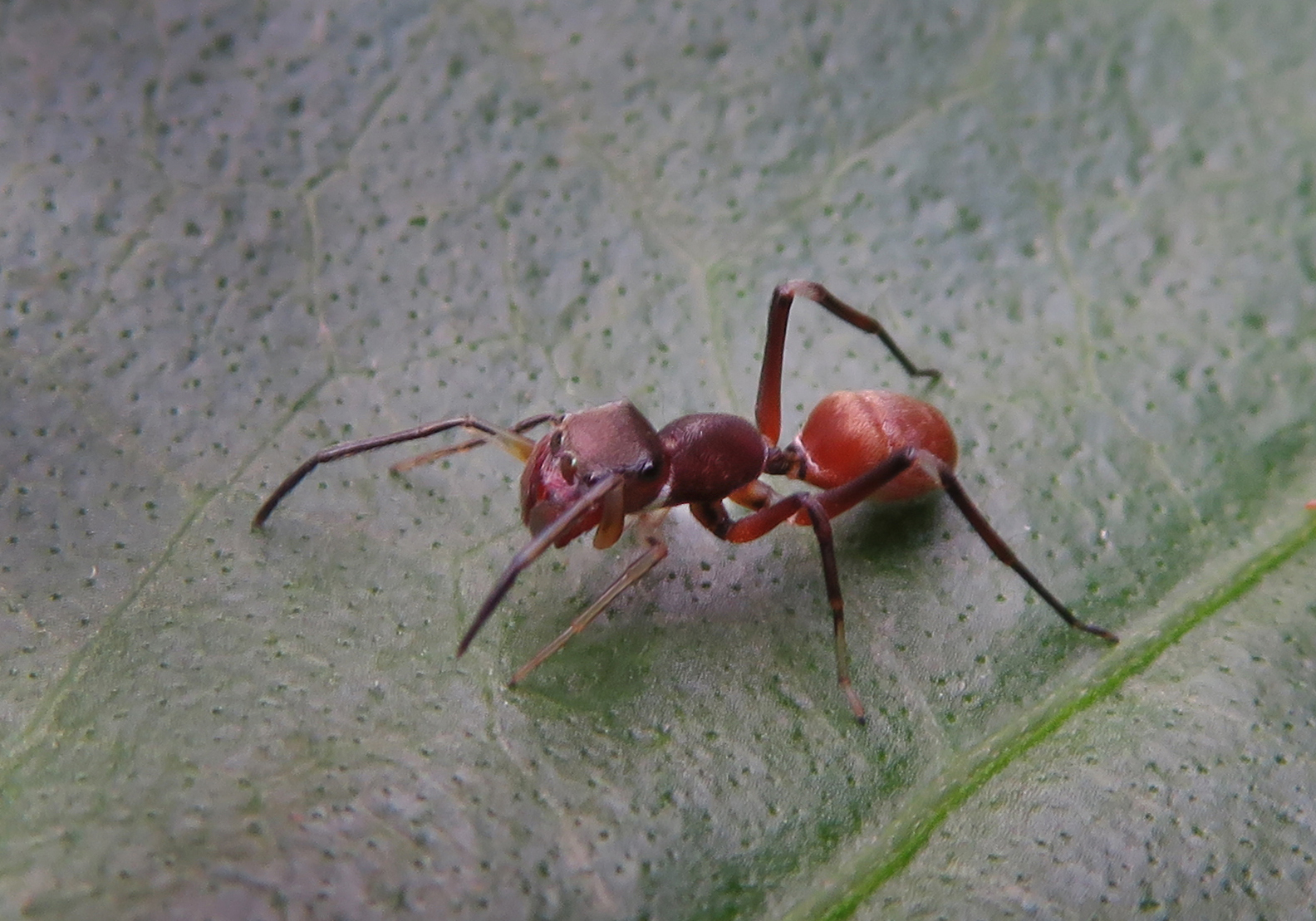
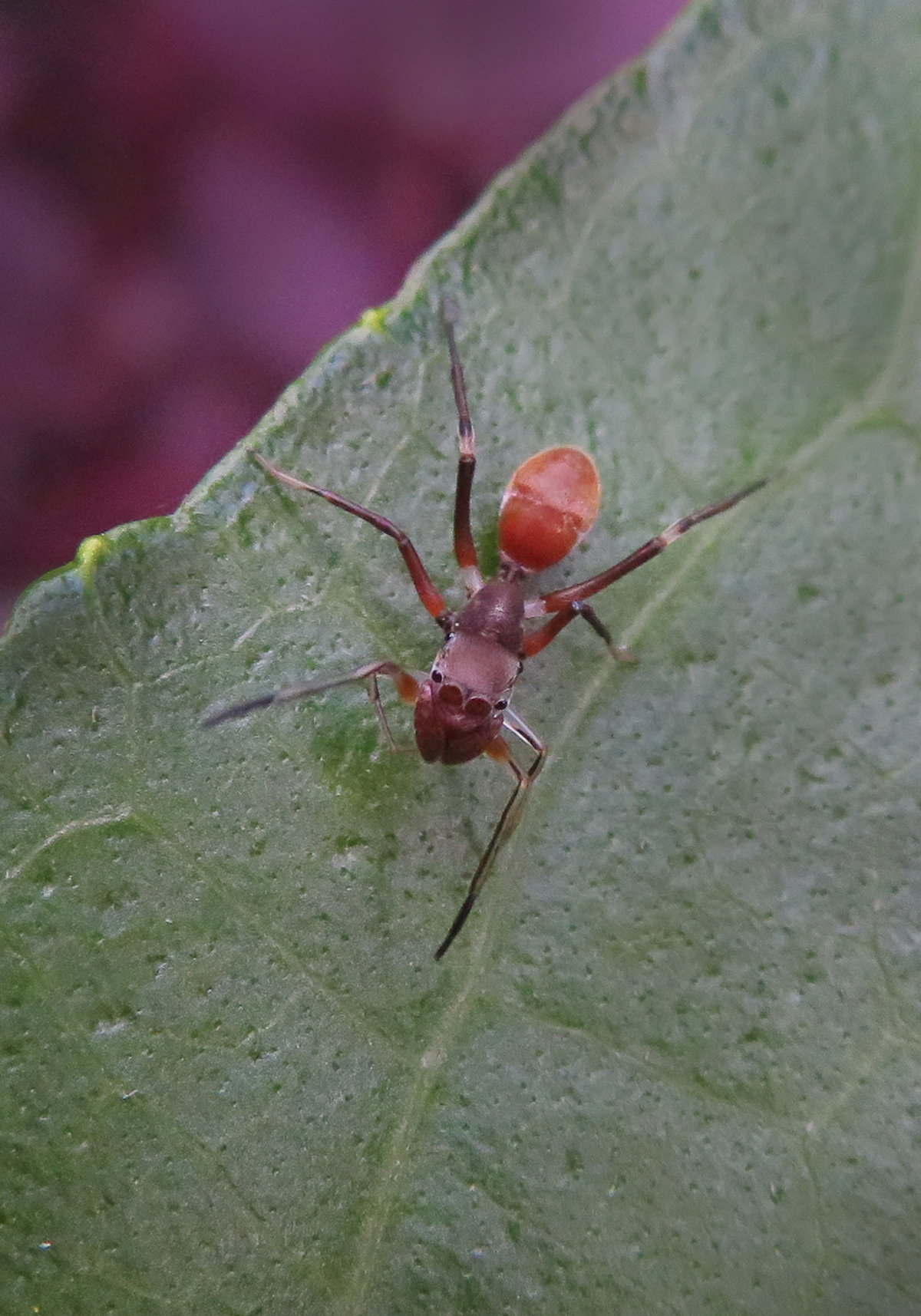
Myrmarachne is a genus of jumping spiders within the family Salticidae, tribe Myrmarachnini (Order Araneae, Suborder Araneomorphae). The genus is one of the most well-known examples of ant-mimicking (myrmecomorphic) spiders and is widely distributed across Africa, Asia, Australia, and parts of the Americas, with especially high diversity in tropical regions.
Species of Myrmarachne are diurnal, visually oriented hunters that do not construct prey-capture webs. They are commonly found on vegetation, tree trunks, leaf litter, and along ant trails, where their close resemblance to ants provides protection from predators. Unlike many other salticids, they often move continuously and interact with ants without being attacked.
Morphologically, Myrmarachne spiders exhibit extreme ant-like body modifications, including a narrow, elongated cephalothorax, a constricted abdomen that mimics an ant’s segmented body, and long, slender legs. In many species, the male chelicerae are elongated and resemble ant mandibles, further enhancing the illusion. Coloration typically matches that of the ant models, ranging from black and brown to reddish or yellowish tones.
The first pair of legs is often held aloft and waved to imitate ant antennae, a behavior that complements their morphological mimicry. Despite their ant-like appearance, Myrmarachne retain the characteristic large anterior median eyes of jumping spiders, which provide excellent vision for prey detection and navigation.
Male genitalia are distinct and species-specific, with palpal structures that are important for taxonomic identification. Female genitalia are fully entelegyne, with paired copulatory openings and internal ducts typical of salticids.
Ecologically, Myrmarachne species are active predators of small arthropods, often preying on insects that occur near ants, while avoiding direct conflict with the ants themselves. Their sophisticated combination of morphological, behavioral, and ecological mimicry makes Myrmarachne a classic and extensively studied example of evolutionary adaptation and convergence within spiders.