Bali Wildlife
Every Spices Matter


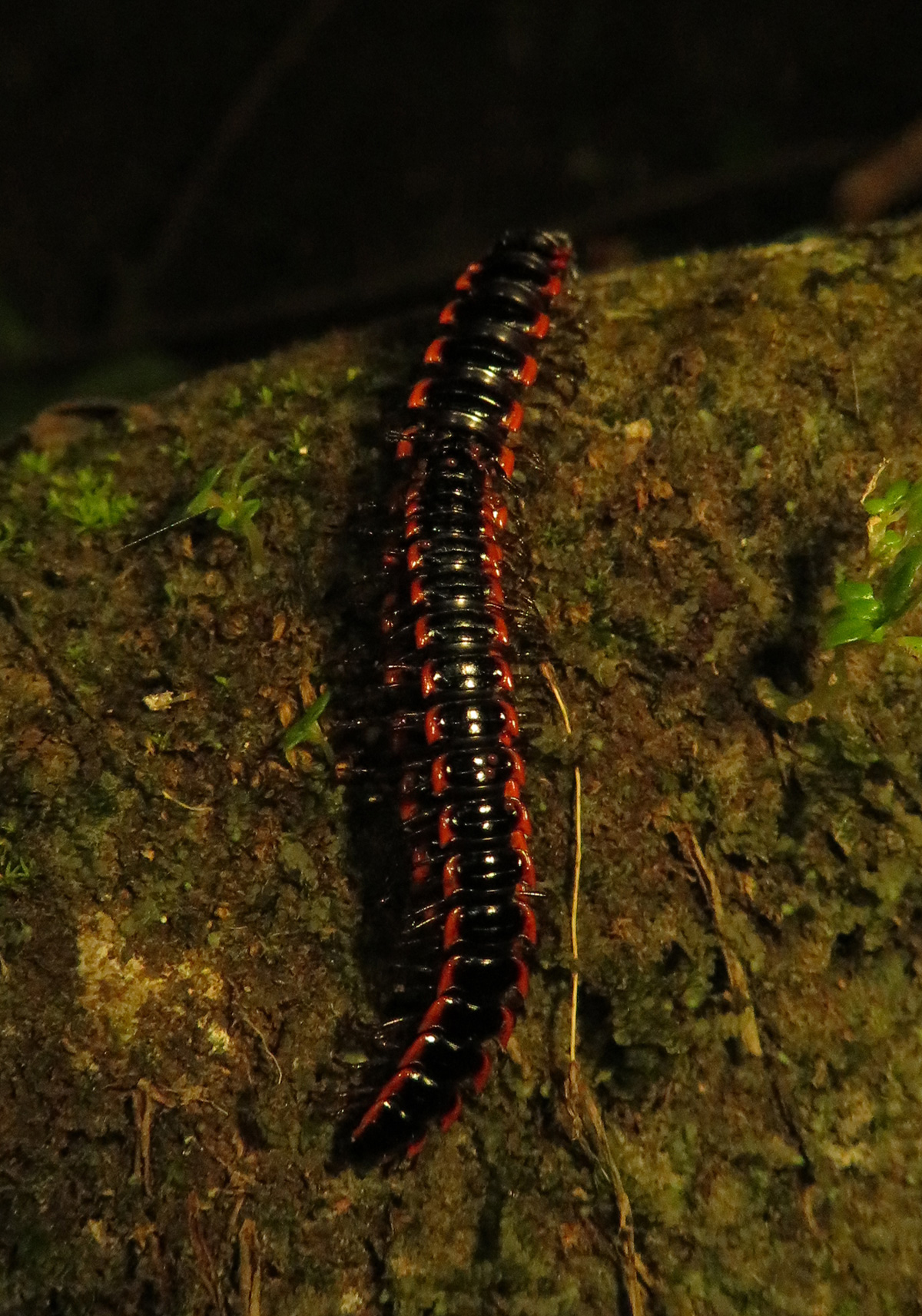
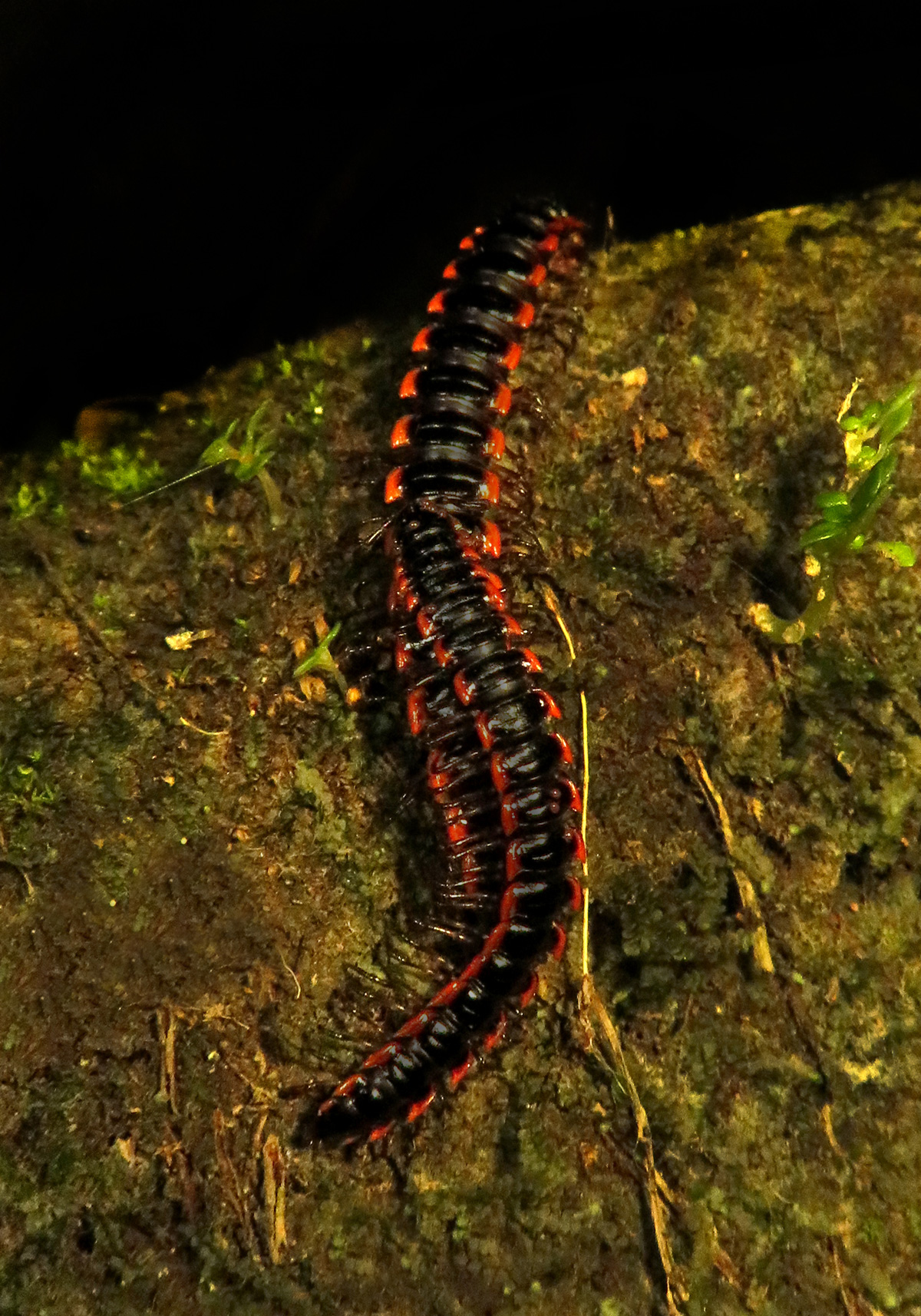
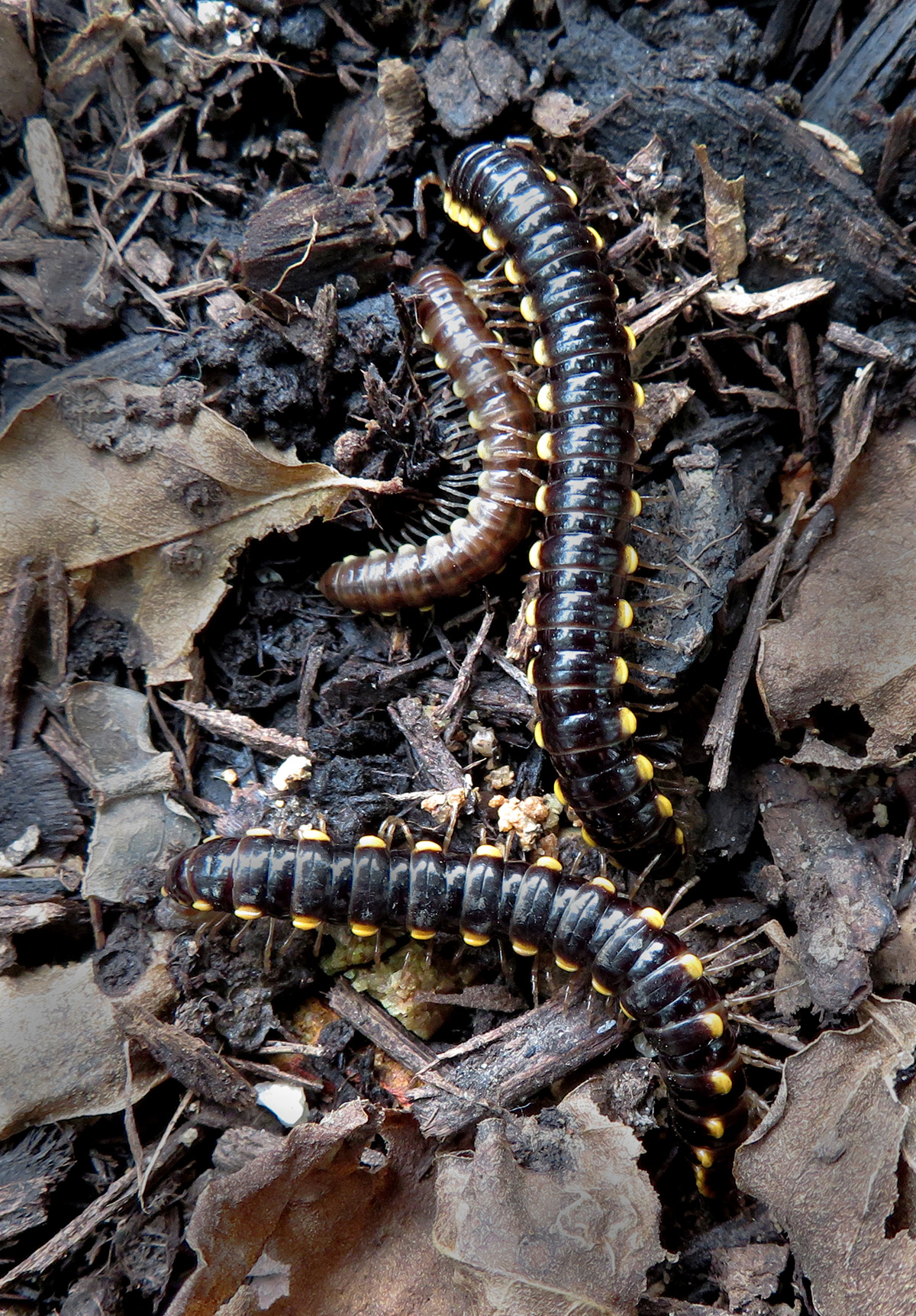
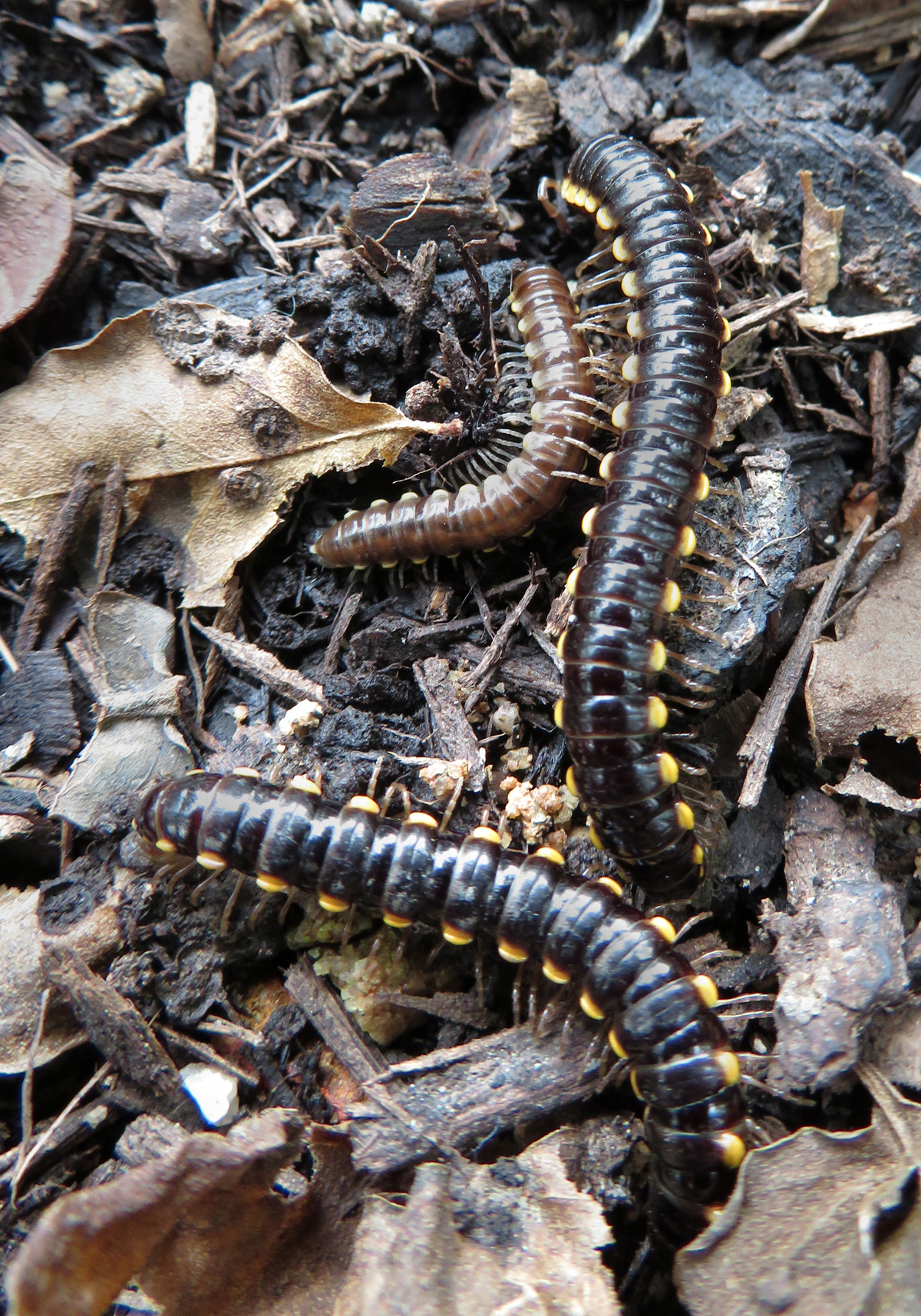
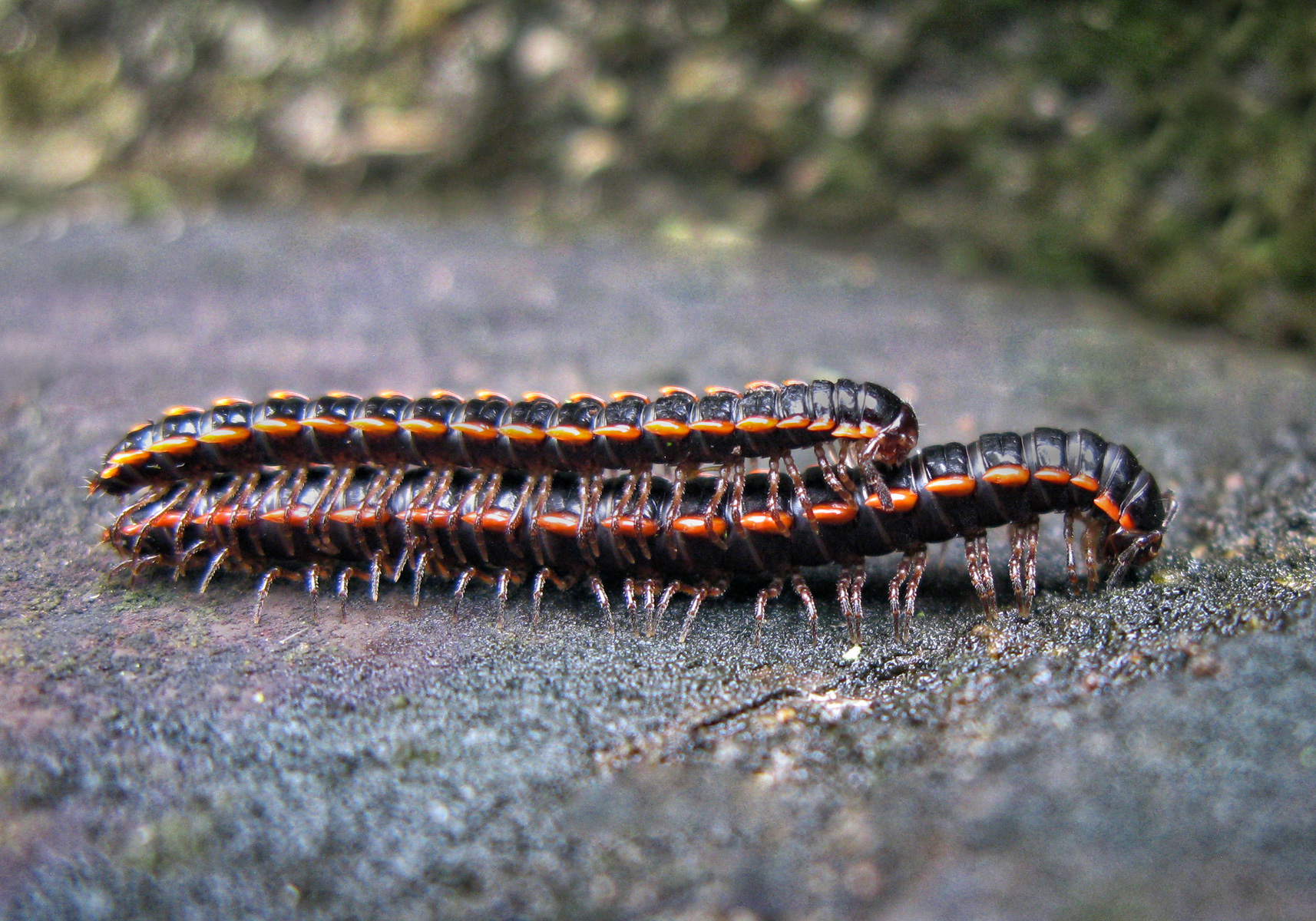
Myriapoda is a subphylum within the phylum Arthropoda, comprising a group of terrestrial, multi-segmented arthropods commonly known as centipedes, millipedes, pauropods, and symphylans. Members of this subphylum are distributed worldwide and are especially abundant in moist terrestrial habitats such as forests, leaf litter, soil, caves, and under logs or stones.
Myriapods are characterized by elongated bodies divided into numerous segments, most of which bear paired appendages. The body is typically divided into a distinct head and a long trunk. The head bears a single pair of antennae, simple eyes (ocelli) or eye clusters when present, and specialized mouthparts adapted for chewing.
Respiration occurs through a tracheal system, with spiracles opening along the body segments. Myriapods lack wings and are exclusively terrestrial. Their exoskeleton is generally thin and flexible compared to many other arthropods, allowing for efficient movement through soil and leaf litter.
The subphylum includes four major classes:
Reproduction in myriapods is typically sexual, with indirect sperm transfer in many groups. Development may involve the gradual addition of body segments and legs as the animal grows.
Ecologically, myriapods play important roles in terrestrial ecosystems. Centipedes act as predators controlling populations of small invertebrates, while millipedes and other detritivorous groups contribute significantly to decomposition and nutrient cycling.
Subphylum Myriapoda represents an ancient and ecologically important lineage of arthropods, well adapted to life on land and distinguished by their many-legged body plan and terrestrial specialization.